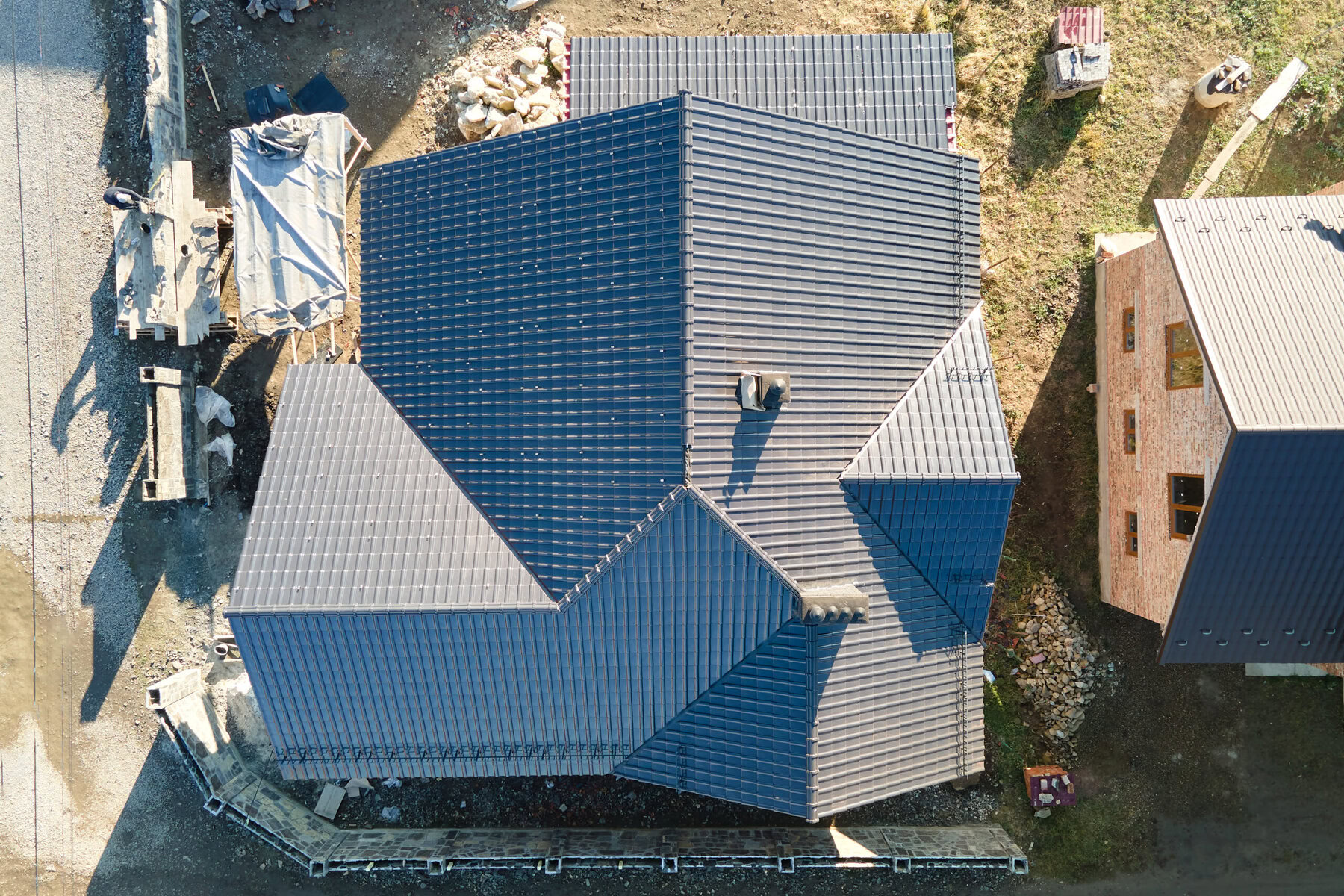
Let’s be honest, our roofs don’t get a lot of love until something goes wrong. We notice a leak, spot a missing shingle, or see our neighbor getting a gorgeous new roof and think, “Hmm, maybe we should look into that.” But navigating the world of roofing—from understanding what you actually need to finding someone you trust to do it—can feel like deciphering a foreign language. And in a place like Los Angeles, with our unique climate and mix of architectural styles, the stakes feel even higher.
We get it because we’ve been in your shoes, both as homeowners and now as a roofing company operating here. That’s why we want to pull back the curtain. Consider this a friendly chat over coffee about everything that goes on over our heads. We’ll talk about when to repair versus replace, what goes into the price, and how to find a great roof repair specialist without losing your mind. And yes, we’ll mention our own shop, California Green Roofing, because, well, we’re proud of the work we do in this city and we want you to know we’re here if you need us.
Table of Contents
The Great Debate: Repair It or Replace the Whole Thing?
This is the million-dollar question, isn’t it? Well, sometimes literally. Throwing a new roof on when you only needed a tile roof repair is a brutal waste of money. But patching up a roof that’s on its last legs is just throwing good money after bad. So how do we decide?
Listen to What Your Roof is Telling You
Your roof gives you clues, you just have to know how to read them. A few isolated issues often point to repair. Think about things like:
- A leak in one specific area after a heavy rain.
- A handful of cracked or missing tiles or shingles.
- Damaged flashing around a chimney or vent.
- Minor storm damage confined to one section.
In these cases, a targeted roofing repair makes total sense. It’s the equivalent of fixing a flat tire instead of buying a new car.
Now, replacement territory is a different story. We start thinking about a full roof installation when we see:
- Widespread leaks or water damage in multiple places.
- Shingles that are curling, buckling, or missing granules (they’ll look bald and uneven).
- Sagging areas—this is a big red flag.
- A roof that’s simply reached its life expectancy (20-25 years for asphalt, 50+ for tile, but even tile needs underlayment replaced!).
The Role of a Professional Roof Inspection
IMO, this is the non-negotiable first step. A thorough inspection from a reputable company like ours at California Green Roofing gives you the full picture. We’re not just looking for problems; we’re assessing the overall health of the entire system—decking, underlayment, flashing, vents, the works. This report is what tells you, definitively, whether a residential roof repair will suffice or if you’re staring down a replacement.
Breaking Down the Cost: What Are You Actually Paying For?
Let’s talk numbers. The cost of any roof service can vary wildly, and understanding why is the key to avoiding sticker shock. It’s never just about slapping on new materials.
The Major Factors That Swing the Price
- Size & Pitch: This is the big one. More square footage = more materials and labor. A steep, complex roof takes more time, safety equipment, and skill than a simple, low-pitch one.
- Materials: Asphalt shingles are generally the most affordable upfront. Tile, metal, slate, or modern synthetic options cost more but offer longer lifespans and distinct looks.
- Scope of Work: Are we removing two layers of old shingles? Is there rotten wood decking that needs replacement? This “prep work” is a huge part of the labor.
- Location & Accessibility: Can the crew park a dumpster near the house? Is the property covered in fragile landscaping? Difficult access adds time and complexity.
A Quick Comparison Table
Here’s a useful, highly detailed look at common roofing project scopes to give you a ballpark idea of what drives the budget:
| Project Scope | Typical Cost Range (Materials & Labor) | Key Cost Drivers | Best For… |
|---|---|---|---|
| Minor Repair (e.g., fixing a leak, replacing a few tiles) | $350 – $1,200 | Extent of leak damage, type of material, roof pitch. | Addressing a single, specific issue on an otherwise healthy roof. |
| Major Repair / Partial Re-roof (e.g., replacing one slope) | $1,500 – $4,000+ | Size of the affected area, material matching, underlying damage. | Storm or isolated damage affecting a significant section. |
| Full Asphalt Shingle Replacement | $8,000 – $25,000+ | Home size, roof complexity, shingle quality, decking condition. | Homes with aging shingle roofs (20+ years) or widespread damage. |
| Full Tile Roof Replacement/Overhaul | $20,000 – $60,000+ | Tile material (clay vs. concrete), underlayment replacement, structural needs. | Historic homes, luxury properties, or tile roofs at end-of-life. |
| Commercial Roof Maintenance Plan | Varies (often per sq. ft./year) | Roof size, system type (TPO, EPDM, etc.), frequency of service. | Proactively extending the life of a commercial roof and preventing costly commercial roof repairs. |
FYI, these are LA-area estimates. The final number from your nearest roofing company will depend on your specific situation. Always get a detailed, written estimate that breaks everything down.
Beyond Shingles: Specialized Services You Might Need
Roofing isn’t one-size-fits-all. In Los Angeles, our classic tile roofs and expansive commercial buildings need specialized care.
The Art of Tile Roof Repair and Maintenance
We love a classic tile roof—they’re beautiful and durable. But their biggest enemy? Someone walking on them incorrectly. Cracked tiles are a common issue. A true specialist won’t just replace the tile; they’ll check the underlayment beneath it, which often fails first. Proper roofing maintenance for tile involves keeping the surface clear of debris and having periodic inspections to ensure the underlayment is still doing its job.
Keeping the Big Guys Dry: Commercial Roofing
For business owners, the roof is a critical asset. Reactive commercial roof repairs are disruptive and expensive. That’s why proactive commercial roof maintenance is a genius move. It’s like changing the oil in your car. Regular inspections and minor upkeep can catch small issues before they become catastrophic leaks that shut down operations. Services like roof coating services can also extend a roof’s life significantly by reflecting UV rays and sealing minor imperfections.
How to Find a Roofing Partner You Can Trust (No, Really)
This is arguably the most important part. A low price is meaningless if the work fails in two years. So, how do we vet a roof installation contractor?
Red Flags We’ve Learned to Spot
- The Door-Knocker After a Storm: Be wary of out-of-town crews soliciting work. Where will they be if you have a warranty issue in six months?
- Massive Down-Payment Demands: A reputable company has the credit to buy materials. A 10-30% deposit is standard; anything more is a red flag.
- Vague or Verbal-Only Quotes: Everything must be in writing—materials, scope, timeline, payment schedule, warranty details.
- No Local Presence or Reviews: Do they have a local office? Can you find a history of reviews and completed projects in Los Angeles?
What a Good Company Looks Like
They’ll be licensed, insured (ask for certificates!), and willing to provide references. They’ll explain the process clearly without high-pressure sales tactics. They’ll also talk about safety and cleanup. At California Green Roofing, we know our reputation is everything. We’re your neighbors, and we plan on being here for the long haul, which means we have to do the job right the first time. If you’re looking for a partner, not just a contractor, give us a call to chat about your project.
Your Top Roofing Questions, Answered
Let’s tackle three of the most common questions we hear every single week.
1. How often should I really get my roof inspected?
For most homes, we recommend a professional inspection every 2-3 years. After a major weather event (hello, those rare but heavy SoCal rains or Santa Ana winds), it’s a good idea to get a checkup. For commercial properties, an annual roof maintenance inspection is a smart, cost-saving practice.
2. Can I just do the repairs myself?
We’ll be blunt: it’s usually a bad idea. Roof work is dangerous. Beyond the obvious fall risk, most homeowners lack the training to properly diagnose the root cause of a leak. You might nail down a shingle but miss the rotting deck underneath it. What starts as a DIY project to save a few hundred dollars often ends with a much larger repair bill. Leave it to a roof repair specialist.
3. Do I need to be home during the project?
Nope! For most standard roof service projects, you don’t need to clear your schedule. The crew will handle access, cleanup, and communication with the foreman. We just ask that you secure pets, move cars out of the work area, and maybe give the crew a heads-up about any super delicate landscaping near the house. For an interior repair related to a leak, you’ll obviously need to be there to grant access.
So, there you have it. Think of your roof not as a static cap on your house, but as a dynamic system that needs occasional attention. Paying for a quality repair or investing in a proper replacement isn’t an expense—it’s protecting everything underneath it. And when you’re ready to talk about it with someone who speaks your language, you know where to find us. The team at California Green Roofing is always here to help you make sense of what’s going on up there.