Let’s be honest, our roofs don’t get a lot of love until something goes wrong. We notice a leak, spot a missing shingle, or see our neighbor getting a gorgeous new installation, and suddenly we’re scrambling. But here’s the thing: your roof is the MVP of your home or business. It works 24/7, taking a beating from the Los Angeles sun, the occasional downpour, and everything in between. Treating it like an afterthought is, well, a bit of a gamble.
We’ve seen it all in our years in the industry. The panic call after the first big rain, the surprise during a routine roof inspection, the sticker shock from deferred maintenance. That’s why we’re having this chat. Think of this as a friendly guide from your nearest roofing-obsessed friends at California Green Roofing. We want to pull back the curtain on everything from finding a reliable roofing company to understanding what that price quote actually means. No jargon, no sales pitch—just straight talk.
Table of Contents
The Unseen World Above Us: More Than Just Shingles
We often joke that a great roof is like a great referee in a game—you only really notice it when it fails. But what’s actually happening up there?
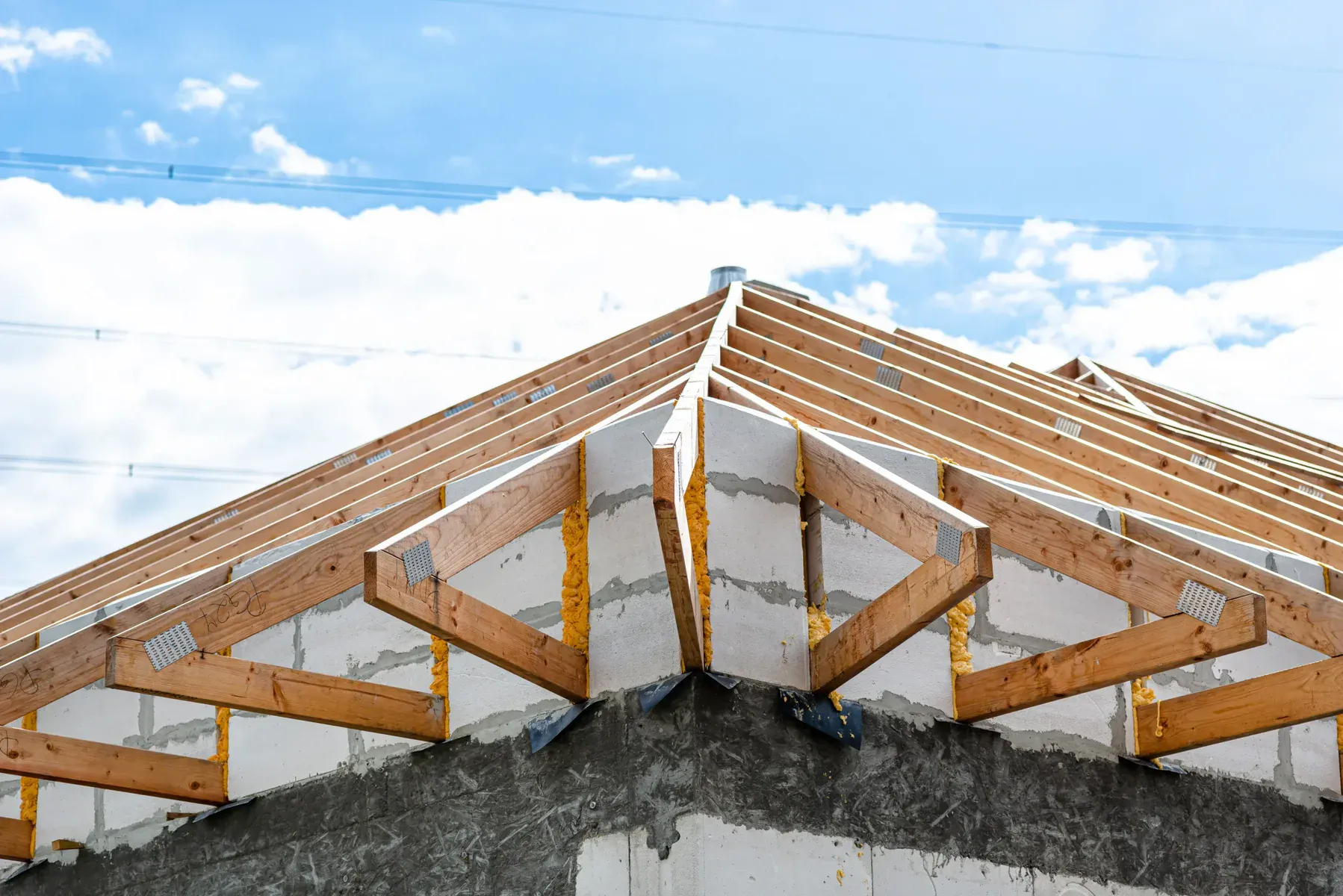
A roof is a complex system, not just a single material. It’s a team player, working with underlayment, flashing, vents, and insulation. When one part of the team slacks off, the whole system suffers. A small compromise in the flashing around a chimney can lead to a leak that ruins your ceiling, even if your tile roof looks perfect from the street.
Why does this matter to you? Because understanding this system helps you communicate better with any roof service professional. It moves the conversation from “I have a leak” to “I’m concerned about the valley flashing on my south-facing slope.” That knowledge is power, and it helps you get the right fix the first time.
The Repair vs. Replace Dilemma: Your Biggest Question
This is the million-dollar question, isn’t it? (Sometimes quite literally). Do you patch it up, or is it time for a full roof installation? The answer isn’t always clear-cut, but a trustworthy roof repair specialist won’t jump straight to the most expensive option.
Here’s a quick, no-nonsense guide we use when assessing a project:
- Age of Roof: If your asphalt shingle roof is pushing 20+ years, repairs might just be buying you a season or two. For tile or metal, the lifespan is longer, but the underlayment beneath might be failing.
- Extent of Damage: Is the issue isolated? A few damaged tiles from a tree branch? That’s a classic tile roof repair. Is there widespread curling, granule loss, or moisture in multiple areas? That’s a bigger conversation.
- Your Long-Term Plans: Selling soon? A proper repair might suffice. This is your forever home? Investing in a new roof could save you decades of headaches and add serious value.
The single best thing you can do? Get a professional roof inspection. A good inspector will give you an honest, no-pressure assessment of the remaining life and the most cost-effective path forward. At California Green Roofing, we treat these inspections like a doctor’s physical for your home—thorough, diagnostic, and focused on preventative health.
Decoding the Quote: What Are You Really Paying For?
Alright, let’s talk numbers. The cost of roofing work can feel like a mystery box. One roofing company quotes $5,000, another quotes $15,000 for what seems like the same job. What gives?
First, let’s bust a myth: the lowest price is rarely the best deal in roofing. This isn’t buying a generic soda; it’s a major investment in your property’s safety. A lowball quote often means cutting corners on materials, labor, or insurance. You might save money today, but you’ll pay double tomorrow for the ensuing roofing repair.
A comprehensive quote should break down the cost into clear categories. Here’s what you should look for:
A Detailed Table of Common Quote Line Items
| Quote Section | What It Should Include | Red Flags to Watch For |
|---|---|---|
| Materials | Specific brands, weights, styles (e.g., “CertainTeed Landmark AR Shingles, Driftwood color”). For tile roof repair, exact tile match info. | Vague descriptions like “architectural shingles” or “comparable tile.” |
| Labor & Scope | A clear description of the work: tear-off of old layers, disposal fees, installation of new underlayment, flashing, shingles/tiles, cleanup. | No mention of tear-off or disposal. This is hard, costly work they might be planning to skip. |
| Project Management | Permits, inspections, site supervision, warranty information. | “Homeowner responsible for permits.” This is a major liability shift onto you. |
| Timeline | Start date, estimated completion date, weather contingency plans. | Overly optimistic timelines (e.g., “done in a day” for a full replacement). |
| Warranties | Separate manufacturer warranty on materials AND contractor workmanship warranty (this is gold). | Only a manufacturer warranty. If they install it wrong, you’re not covered. |
See the difference? A transparent quote tells a story. It shows the roof installation contractor has a plan. When you’re reviewing quotes in Los Angeles, don’t be shy about asking for clarification on any line item. A reputable company will happily explain it.
Residential vs. Commercial: It’s a Different Ball Game
This is a big one. While the basic principles of keeping water out are the same, the execution is worlds apart. Confusing the two can lead to some… interesting problems.
For residential roof repair, we’re often dealing with steep slopes, aesthetic considerations to match the neighborhood, and minimizing disruption to a family’s daily life. The focus is on curb appeal and long-term protection for your personal space.
Commercial roof repairs and commercial roof maintenance are a different beast. We’re usually talking about large, flat or low-slope roofs. The priorities shift to:
- Waterproofing Integrity: A small leak can damage expensive inventory or shut down operations.
- Durability: These roofs need to handle HVAC units, foot traffic, and sometimes even patio spaces.
- Preventative Care: This is where roof coating services and regular maintenance schedules become critical. A coating can extend a roof’s life significantly, which is a far more affordable path than a full replacement.
The tools, safety protocols, and even the crews often specialize in one or the other. So, when you’re looking for a roofing company, make sure their expertise aligns with your project type. IMO, it’s the first question you should ask.
The Proactive Path: Why Maintenance Isn’t a Dirty Word
We get it. “Maintenance” sounds boring and expensive. But let us reframe it: roofing maintenance is the ultimate money-saving hack. It’s like getting an oil change for your house.
Scheduling bi-annual roof inspections (especially after winter and before the intense summer heat) lets us catch the small stuff:
- A clogged gutter that’s forcing water under the shingles.
- A cracked tile you can’t even see from the ground.
- Worn sealant around a vent pipe.
Fixing these issues as part of a maintenance plan is wildly more affordable than funding a major residential roof repair or emergency commercial roof repairs later. It’s the difference between a $200 service call and a $5,000 interior water damage bill. FYI, that’s a math equation we really love 🙂
Your Top Roofing Questions, Answered
We hear these all the time, so let’s tackle them head-on.
1. “How long will my new roof really last?”
This depends heavily on the material (asphalt shingles, tile, metal, etc.), the quality of the installation, and your local climate. In sunny L.A., UV radiation is the big enemy. A properly installed, mid-grade asphalt shingle roof should give you 20-25 years. Tile and metal can last 50+ years. But remember, the warranty is only as good as the company that stands behind it. Always ask about the workmanship warranty.
2. “Can I just roof over my old shingles?”
Technically, sometimes. Should you? Almost never. It saves on tear-off costs but hides any problems with the decking underneath, adds excessive weight, and voids most manufacturer warranties. We always recommend a full tear-off. It’s the only way to know what we’re working with and do the job right.
3. “What’s the best time of year to get roofing work done?”
In Los Angeles, we’re lucky to have a relatively long roofing season. While summer offers the most predictable dry weather, a good contractor can work successfully in spring and fall. The key is planning. The “best” time is often when you’ve budgeted for it and can get on a reputable contractor’s schedule before an emergency forces your hand.
So, where does this leave us? Hopefully, feeling a bit more empowered and a lot less intimidated by the world above your ceiling. Your roof deserves a strategic approach, not a panicked reaction.
Whether you’re dealing with a persistent leak, planning for the future, or just want the peace of mind that comes with a professional roof inspection, the goal is to find a partner, not just a vendor. You want a team that explains the “why” behind their recommendations, stands by their work, and treats your home like it’s their own.
And hey, if you’re in the area and want a second opinion or just a straightforward chat about your roof’s health, you know where to find us. The team at California Green Roofing is always here to help you make sense of it all, one shingle (or tile) at a time. After all, a solid roof over your head is the foundation for everything else—let’s make sure it’s doing its job.
People Also Ask
For homeowners in the Los Angeles and San Fernando Valley area, metal roofs are an excellent choice due to their durability and energy efficiency. They reflect solar heat, which can lower cooling costs during hot summers. However, it is important to weigh the pros and cons against other popular options. For a detailed comparison, please refer to our internal article Comparing Spanish Tile Roofs To Metal Roofing Options. California Green Roofing recommends metal roofs for their long lifespan and fire resistance, but the final decision should consider your home's architectural style and local climate conditions.
The 25% rule in roofing refers to a common industry standard and building code requirement. It states that if more than 25% of a roof's total area is being repaired or replaced, the entire roof covering must typically be brought up to current code. This rule prevents partial repairs that could lead to uneven wear, leaks, or structural issues. For homeowners in the Los Angeles area, understanding this rule is crucial for budgeting and planning. At California Green Roofing, we always assess the extent of damage to determine if a full replacement is necessary, ensuring your roof meets all safety and performance standards. Always consult a professional to confirm how this rule applies to your specific roof.
Based on current market trends, it is unlikely that roofing prices will significantly decrease in 2026. The cost of raw materials like asphalt and labor in the Los Angeles area remains high due to ongoing supply chain pressures. However, prices may stabilize rather than spike. For the most accurate projection for your specific project in the San Fernando Valley, California Green Roofing recommends getting a detailed estimate. We can provide a realistic timeline and pricing outlook based on the latest industry data for your home.
The cost of a metal roof in Los Angeles varies significantly based on material, roof complexity, and square footage. For a typical single-family home, homeowners can expect to pay between $8,000 and $25,000 for a standard standing seam metal roof, with premium materials like copper or zinc pushing costs higher. Factors such as tear-off of old roofing, underlayment, and local labor rates also influence the final price. At California Green Roofing, we advise property owners to consider long-term value, as metal roofs offer exceptional durability and energy efficiency, often lasting 40-70 years with proper maintenance. For a detailed comparison of metal versus other commercial options, our internal article titled TPO Roofing: The Go-To Choice For LA Commercial Properties? provides valuable insights into cost and performance considerations.