Let’s be honest, we’ve all stared up at our roof at some point and wondered, “What on earth is going on up there?” It’s this giant, often forgotten part of our homes and businesses that we only really think about when something goes wrong. And when it does, the scramble to find a trustworthy roofing company begins. We get it—it’s a jungle of options out there, especially here in sunny (and sometimes surprisingly rainy) Los Angeles.
At California Green Roofing, we’ve spent years not just fixing roofs, but demystifying them. We want to pull back the curtain on everything from that sudden leak you discovered to planning a full roof installation. Consider this our friendly chat over a coffee about what really matters up above our heads.
Getting to Know Your Roof’s Secret Language
Your roof isn’t just shingles or tiles. It’s a complex system, and understanding a few basics saves you a world of stress. Think of it like knowing just enough about your car’s engine to not get bamboozled at the shop.
First, let’s talk about the big two: repairs and replacements. A roof repair specialist looks for specific, localized issues. A few cracked tiles, a small leak around a vent pipe, or some damaged flashing. It’s targeted surgery. A full replacement, on the other hand, is a major operation. It’s what you need when the underlying structure is compromised or the majority of the roofing material is past its prime.
How do you know which one you need?
Well, aside from the obvious waterfall in your hallway, here are a few telltale signs:
- Granules in your gutters: (For asphalt roofs) Those little black sand-like bits are your roof’s sunscreen. If they’re washing away, your roof is aging.
- Daylight through the boards: If you peek in your attic and see little beams of light, that’s not a feature, it’s a problem.
- Sagging: This is a big red flag. It often points to structural issues in the decking or supports.
- Multiple leaks: One leak might be a repair. Several leaks usually signal a systemic failure.
The Real Cost of Shelter: Breaking Down the Investment
Okay, let’s talk about the elephant in the room: price. We know it’s the first thing on everyone’s mind. The cost of any roof service varies wildly, and anyone who gives you a firm quote over the phone without seeing your roof… well, let’s just say we’d be skeptical, too.
The final number hinges on a cocktail of factors:
- The Size and Pitch: More square footage = more materials and labor. A steep, complex roof costs more than a simple, low-pitch one.
- The Materials: Asphalt shingles are generally more affordable upfront than metal, tile, or slate.
- The Scope: Are we doing a tile roof repair on one section, a full residential roof repair, or a commercial roof repairs project on a massive warehouse?
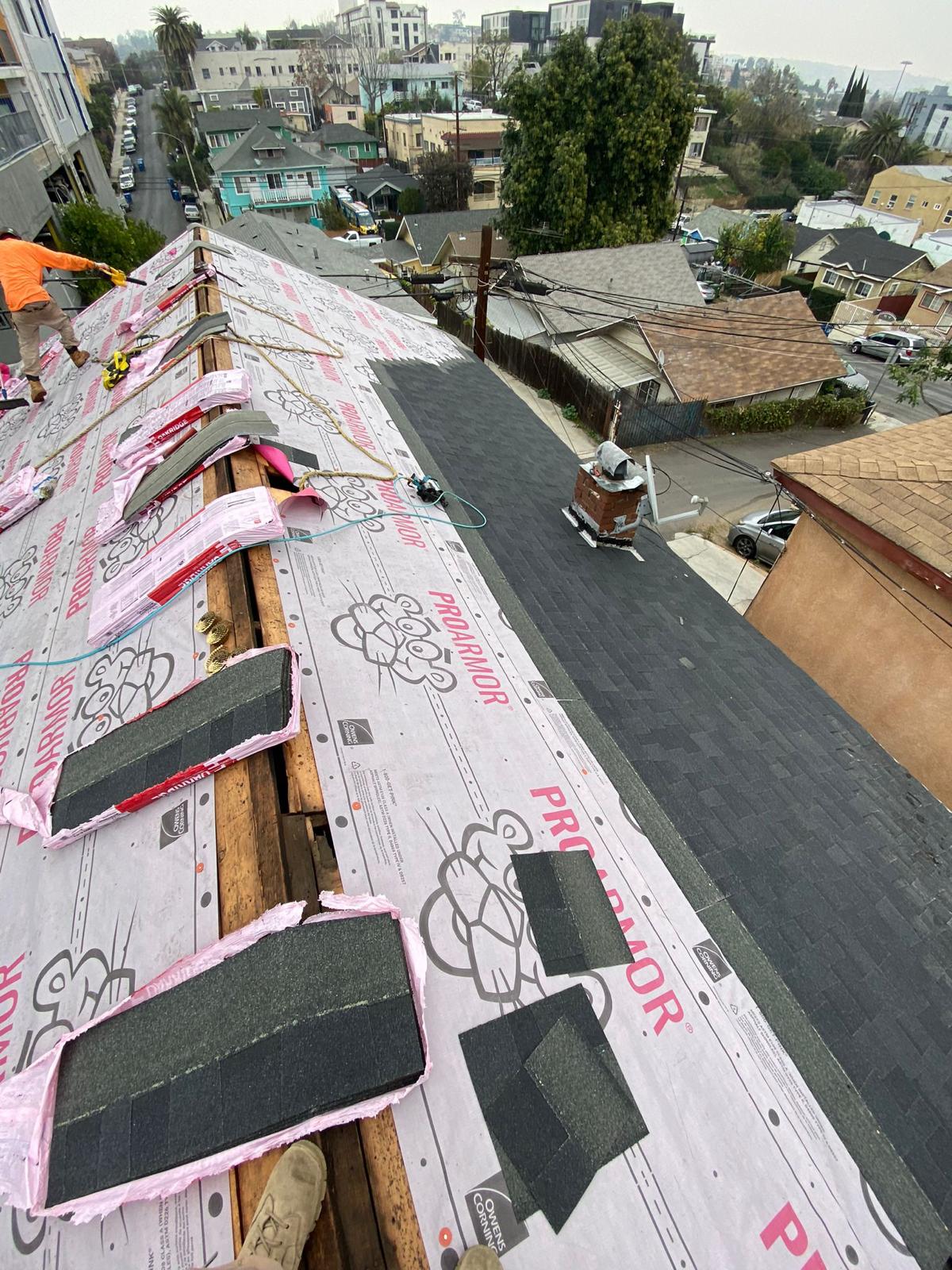
- The Underlayment: This is the water-resistant barrier beneath your shingles or tiles. Skimping here is like building a castle on soggy ground.
Here’s a basic comparison table to give you a ballpark idea of common roof installation materials. Remember, these are estimates and your specific project will vary.
| Material | Average Lifespan | Relative Cost | Key Considerations |
|---|---|---|---|
| Asphalt Shingles | 15-30 years | Low to Moderate | Most common, many style/color options, good for most residential slopes. |
| Metal Roofing | 40-70 years | Moderate to High | Excellent durability, energy-efficient, great for fire-prone areas. |
| Clay/Concrete Tile | 50+ years | High | Iconic SoCal look, extremely durable but heavy (needs strong framing). |
| Slate | 75+ years | Very High | Premium, natural, stunning longevity but requires specialized installation. |
The goal isn’t always to find the cheapest option. It’s about finding the best value for your specific needs and budget. That’s where a detailed inspection from a company like ours comes in. We help you weigh the upfront cost against long-term durability and maintenance needs. FYI, sometimes a proactive roof coating service can extend the life of a commercial roof for years at a fraction of a replacement cost—a trick many building owners don’t consider until we suggest it.
Why “Near Me” Matters More Than You Think
We’ve all typed “roofing company near me” or “nearest roof repair specialist” into a search bar in a panic. And location does matter, but maybe not for the reasons you first think.
Sure, you want a team that can get to you quickly, especially in an emergency. But more importantly, a local Los Angeles roofer understands our unique climate. They know how the sun bakes materials differently in the Valley versus at the coast. They understand the specific wind uplift requirements for our areas and how to handle our occasional but intense rainstorms. A generic national company might not get that a tile roof repair in LA requires specific techniques to match our historic Spanish-style homes.
Choosing a local company like California Green Roofing means you’re getting expertise tailored to your environment. We see the same weather patterns you do, and we build and repair roofs to withstand them. IMO, that local knowledge is priceless.
Maintenance: The Secret to Avoiding Financial Heartache
Here’s our not-so-secret secret: the most affordable roof is a well-maintained one. It’s way less painful to invest in regular roofing maintenance than to deal with the catastrophic damage—and bill—of a major failure.
For homeowners, this means simple, bi-annual visual checks (after fall and spring) and keeping those gutters clean. For businesses, commercial roof maintenance is non-negotiable. It’s a line item in the budget that saves tens of thousands down the line. A small puncture in a warehouse membrane can lead to ruined inventory and operational downtime if you ignore it.
Think of roof inspections as a regular health check-up. We come out, look for the early warning signs—cracking, pooling water, minor penetrations—and fix them while they’re still small, inexpensive problems. It’s the least sexy part of roofing, but it’s the ultimate pro move.
When to Call in the Cavalry (That’s Us!)
So, when do you stop the DIY YouTube deep dive and actually pick up the phone? We’d suggest it’s time to call California Green Roofing when:
- You see any of those major warning signs we talked about (sagging, multiple leaks, significant moss/algae growth).
- A storm has left visible damage or you’ve found missing shingles or tiles.
- You’re planning a renovation or installing a new HVAC system that will penetrate the roof.
- It’s simply been more than two years since a professional set foot on your roof. Peace of mind is a powerful thing.
We don’t just show up, slap on some tar, and disappear. We explain what we see, outline your options clearly (without the pressure), and give you a straightforward plan. Whether it’s a residential roof repair on a cozy bungalow or scheduling ongoing commercial roof maintenance for a strip mall, our approach is the same: transparent, thorough, and focused on your long-term protection.
Your Burning Roofing Questions, Answered
Let’s tackle a few of the most common questions we hear every single day.
1. How long will my new roof really last?
It depends heavily on the material (see our table above!), the quality of the installation, and the maintenance it receives. A cheap installation can shorten the lifespan of premium materials dramatically. That’s why who you choose is as important as what you choose. A properly installed and maintained asphalt shingle roof from a quality contractor should easily hit the 20-25 year mark.
2. Can I just install new shingles over my old ones?
Technically, sometimes yes. But we almost never recommend it. It’s like putting a new bandage over an old, dirty wound. You miss the chance to inspect and repair the decking underneath, you add unnecessary weight, and you void most manufacturers’ warranties. Stripping the old roof is more work upfront, but it’s the only way to ensure a solid foundation for your investment.
3. What’s the best time of year to replace my roof?
In Los Angeles, we’re lucky that we can work pretty much year-round. But the ideal windows are late spring/early summer or early fall. The temperatures are milder, which is better for the installers and some roofing materials that need specific temperature ranges for proper sealing. That said, if you have a leak in January, don’t wait! Emergency roofing repair happens in any season.
At the end of the day, your roof is your first line of defense. It doesn’t have to be a source of mystery or anxiety. With a little knowledge and the right partner in roofing repair and maintenance, you can protect your biggest investment for decades to come.
So next time you look up and wonder what’s happening, remember this chat. And if your gut tells you it’s time for a professional opinion, you know who to call. We’re always here to help you keep a solid lid on things 🙂
People Also Ask
Yes, many roofing companies offer payment plans for new roof installations. These plans are designed to make the significant investment more manageable by spreading costs over time. Options often include financing through third-party lenders, in-house payment schedules, or partnerships with credit providers. It's crucial to discuss terms upfront, including interest rates, down payments, and repayment periods. Always ensure the contract clearly outlines all financial agreements. For major projects like roofing, securing a written payment plan helps avoid misunderstandings and ensures both parties are aligned on the financial commitment, making the process smoother and more transparent.
Getting financed for a new roof is generally achievable, but the difficulty depends on your credit, equity, and chosen method. Many homeowners use home equity loans or lines of credit, which require sufficient equity and good credit for favorable rates. Contractor-provided financing is common and can be more accessible, though rates may be higher. For those with significant damage, an insurance claim can cover costs, but this involves a detailed inspection and approval process. Government-backed FHA Title I loans are another option for moderate credit. The key is to shop around, compare offers from multiple lenders or contractors, and ensure the loan terms fit your budget without creating long-term financial strain.
Many homeowners face the challenge of needing a new roof without immediate funds. First, obtain a detailed inspection and written estimate from a reputable, licensed contractor to understand the exact scope and cost. Explore financing options such as a home equity loan or line of credit, which often offer favorable rates. Some contractors provide in-house financing plans. Check with your homeowner's insurance to see if the replacement is covered due to storm damage or wear. For general guidance on cost-effective roofing materials, our internal resource Asphalt Shingles 101: Balancing Budget, Beauty, And Durability offers valuable insights into balancing budget with long-term performance. Additionally, local government or non-profit programs may offer grants or low-interest loans for essential home repairs.
Roofing contractors typically do not offer monthly payment plans directly, as roofing is a significant one-time project with substantial upfront costs for materials and labor. Most professional roofers require a deposit to schedule the work, with the balance due upon completion or according to a pre-agreed draw schedule tied to project milestones. However, many companies partner with third-party financing companies that offer loan options with monthly payments. These programs allow homeowners to pay for the roof over time, often with promotional interest rates. It is crucial to discuss payment terms upfront, get everything in writing in the contract, and carefully review any third-party financing terms for interest rates and fees before committing.