Let’s be honest, our roofs don’t get a lot of love until something goes wrong. We notice a leak, spot a missing shingle, or see a neighbor getting a gorgeous new installation, and suddenly our entire focus shifts upward. It’s a big, important, and frankly expensive part of our homes and businesses, so it makes sense we want to get it right. But where do you even start? The world of roofing is full of jargon, options, and let’s face it, a few contractors who might overcomplicate things.
Well, take a deep breath. We’re going to walk through this together, from spotting trouble to choosing solutions, all in plain English. Think of this as a chat with a friend who’s been in the roofing business in Los Angeles for a while. We’ve seen the good, the bad, and the ugly (and some roofs are very ugly), and we’re here to share what actually matters.
Table of Contents
First Things First: The “Uh-Oh” Moment and What to Do
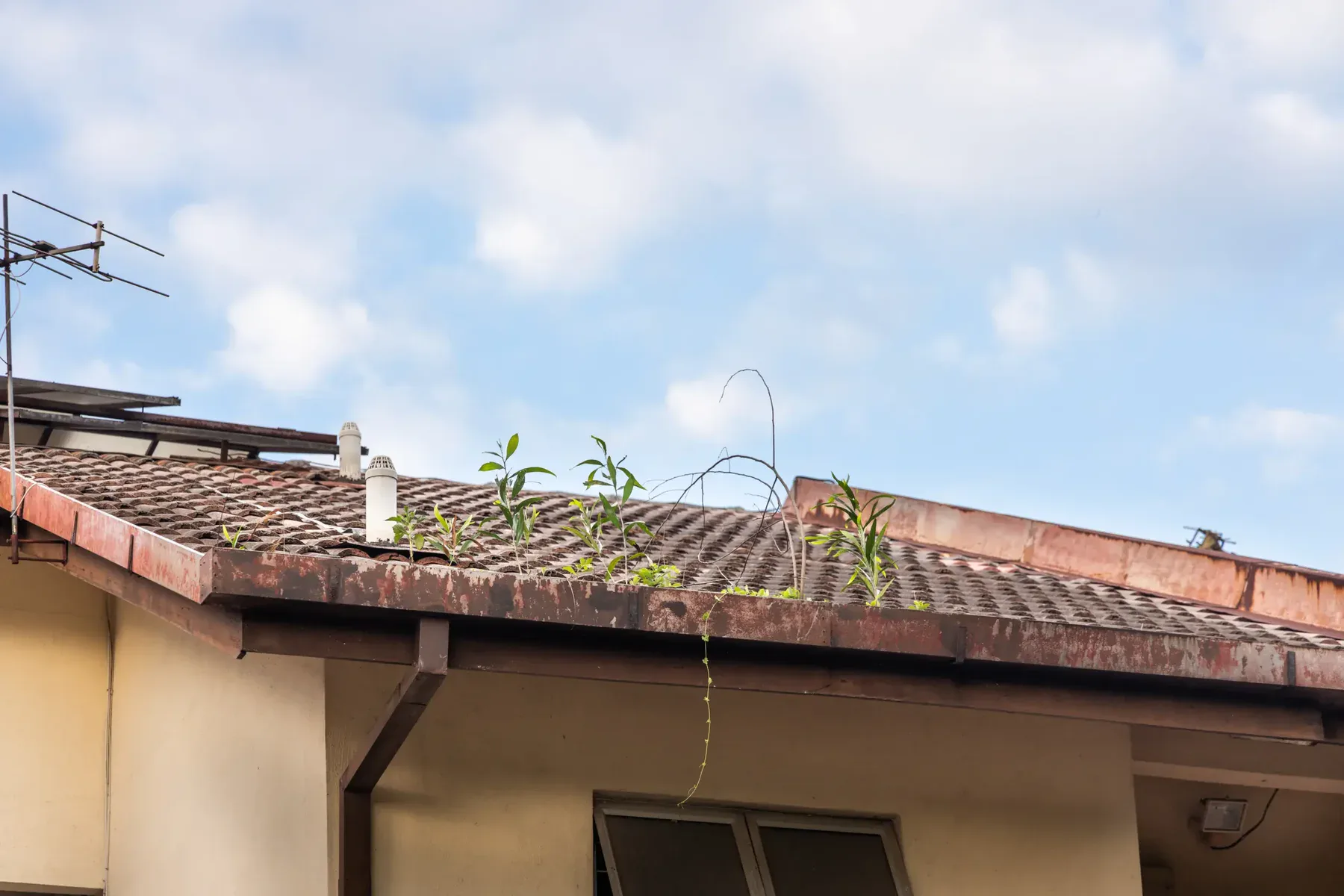
You see a water stain on your ceiling. You find granules from your asphalt shingles in the gutters. A tile looks cracked. This is the “uh-oh” moment. Your first instinct shouldn’t be to panic or immediately Google “roofing company near me” and call the first flashy ad. It should be to understand the scope.
Is this a quick fix or a major project? A small leak from a pipe boot is a world apart from widespread storm damage or decades of wear. This is where a professional roof inspection is worth its weight in gold. A good roof repair specialist won’t just give you a price; they’ll give you a clear picture. They’ll tell you if you’re looking at a simple tile roof repair, a section replacement, or if the whole system is waving the white flag.
At our company, California Green Roofing, we treat every inspection like a diagnosis. We’re not just looking for the obvious problem; we’re looking for the next problem. Because in a city like Los Angeles, with our sun, occasional heavy rains, and yes, seismic activity, a proactive approach saves you a ton of money and headache later. A small investment in a roof inspection can prevent a catastrophic cost down the line.
The Great Debate: Repair vs. Replacement
This is the million-dollar question (or, hopefully, the few-thousand-dollar question). How do you know when to stop patching and start planning for a new roof?
Let’s break it down simply:
- Age of Your Roof: Most roofing materials have a lifespan. If your roof is near the end of it and having frequent issues, you’re throwing good money after bad. Constant roofing repair adds up.
- Extent of Damage: Is the damage isolated to one area, or is it widespread? One damaged section might call for a residential roof repair, but if multiple areas are failing, the entire system’s integrity is compromised.
- The Cost Comparison Rule: A good rule of thumb we use is the 50% rule. If the cost of repairs is approaching 50% of the price of a new roof, and your roof is older, replacement is usually the smarter long-term investment.
Here’s a quick table to visualize the pros and cons:
| Consideration | Repair | Replacement |
|---|---|---|
| Upfront Cost | Lower, more affordable short-term. | Higher initial investment. |
| Long-Term Value | Temporary fix; issues may recur. | Long-term solution; adds value and curb appeal. |
| Warranty | Often only on the repaired section. | Typically comes with a new, comprehensive warranty. |
| Project Scope | Limited disruption, faster completion. | Larger project, more planning required. |
| Ideal For | Localized damage on a relatively young roof. | Widespread damage, aging roof, or desire for new materials. |
Navigating the Sea of Roofing Services (Without Drowning)
Okay, so you’ve assessed the situation. Now you need to find the right help. The terms can be confusing, so let’s clarify what you’re actually looking for.
- Residential Roof Repair: This is your go-to for home issues. It covers everything from fixing a leak in your attic to replacing a section of shingles after a windstorm. You want a specialist who understands the specific materials and styles common in Los Angeles homes.
- Commercial Roof Maintenance & Repairs: This is a whole different ballgame. Flat roofs, PVC, TPO, built-up systems—they have their own language. Commercial roof maintenance is less about waiting for a leak and more about preventing it with scheduled care. It’s a business expense that protects your assets and operations. For a roof installation contractor to work on your commercial property, they need specific experience and insurance. It’s not a side gig for a residential crew.
- Roof Coating Services: This is a fantastic, often overlooked service. Think of it as a giant, protective sunscreen for your roof. It can extend the life of an existing roof, improve energy efficiency (a huge deal for our Los Angeles bills!), and is a more affordable alternative to a full replacement in many cases. It’s not a fix for a failing structure, but for a sound roof that’s just getting old, it’s a brilliant option.
- The Full Roof Service Company: This is what you want for a long-term relationship. A company that can handle it all—inspection, repair, maintenance, replacement, and coatings—for both your home and business. It means they have the breadth of knowledge to give you honest advice, not just the advice that sells the service they happen to offer that day.
Why do we stress this at California Green Roofing? Because we’ve been that roof repair specialist for countless homes and businesses across LA. We know that sometimes the best service we can provide is a simple, honest repair. Other times, it’s advising on a full replacement or a coating system. Having all the tools in the toolbox means our recommendation is based on what’s right for you, not our sales quota.
Getting the Price Right: It’s More Than a Number
Let’s talk money. We know this is a major factor. When you get quotes, the variation can be terrifying. One quote is suspiciously low, another seems astronomical. What gives?
A detailed quote shouldn’t just be a bottom-line price. It should be a scope of work. It should list materials (brands, grades, colors), labor, timeline, waste removal, warranty information, and payment schedule. The nearest guy with a truck might give you a cheap number, but what exactly is he including? That low number often translates to cut corners, subpar materials, and no follow-up.
An affordable roof isn’t the cheapest one; it’s the one that offers the best value over its entire lifespan. It’s the installation done right the first time, with quality materials, by a licensed and insured roof installation contractor. That peace of mind has real value. Don’t be shy about asking for details and comparing the specifications, not just the final figures.
Your Roof’s Best Friend: Proactive Maintenance
We’re going to let you in on the biggest secret in the industry: The most affordable roofing service is the one you get before you have an emergency.
Seriously. Twice-a-year roofing maintenance—typically in spring and fall—is like regular oil changes for your car. A pro can clear debris from valleys and gutters, check seals around vents and chimneys, spot loose or damaged materials, and ensure drainage is clear. For a commercial property, this is non-negotiable. It schedules downtime and avoids the catastrophic interior damage a surprise leak can cause during business hours.
Ever wondered why some roofs last decades and others fail early? It’s rarely just the materials. It’s the care. Setting up a maintenance plan with a trusted provider like California Green Roofing is the single smartest thing you can do for your roof’s longevity and your wallet. IMO, it’s a no-brainer.
Answers to the Questions We Hear Every Single Day
1. “How long will a new roof last?”
This depends heavily on the material. Here in LA, with our climate:
- Asphalt Shingles: 20-25 years (quality architectural shingles on the higher end).
- Concrete Tile: 40-50+ years. The tiles themselves last forever, but the underlayment needs replacement every 20-30 years.
- Metal Roofing: 40-70 years.
- Single-Ply (Commercial): 20-30 years, often extended with roof coating services.
Proper installation is just as important as the material itself. A great product installed poorly will fail early.
2. “Can I just coat my old roof instead of replacing it?”
Sometimes, absolutely! But it’s not a magic fix. The roof structure must be sound, with no active leaks or moisture trapped inside. A coating is a sealant and protector. It won’t fix sagging decks or rotten wood. A good contractor will insist on a thorough inspection first to see if your roof is a candidate. If it is, it can be a fantastic, cost-effective way to gain another 10-15 years of life.
3. “What’s the biggest mistake homeowners/business owners make with their roofs?”
Waiting. Hands down. We see it all the time. A small leak is ignored until the ceiling collapses. A few cracked tiles are overlooked until water rots the sheathing underneath. Procrastination turns a minor, affordable repair into a major, financially painful reconstruction project. The second biggest mistake? Choosing a contractor based on price alone. FYI, if a deal seems too good to be true with roofing, it almost always is.
So, what’s the takeaway from our chat? Your roof is a system, not just a decoration. Pay attention to it. Invest in understanding its condition. Choose a roofing company that communicates clearly, offers a full range of roof services, and sees you as a long-term partner, not a one-time transaction.
If you’re in the Los Angeles area and any of this has resonated—whether you’re having an “uh-oh” moment, just want a check-up, or are planning for the future—we’d love to be your sounding board. At California Green Roofing, we believe great roofing starts with a real conversation. Let’s start one.