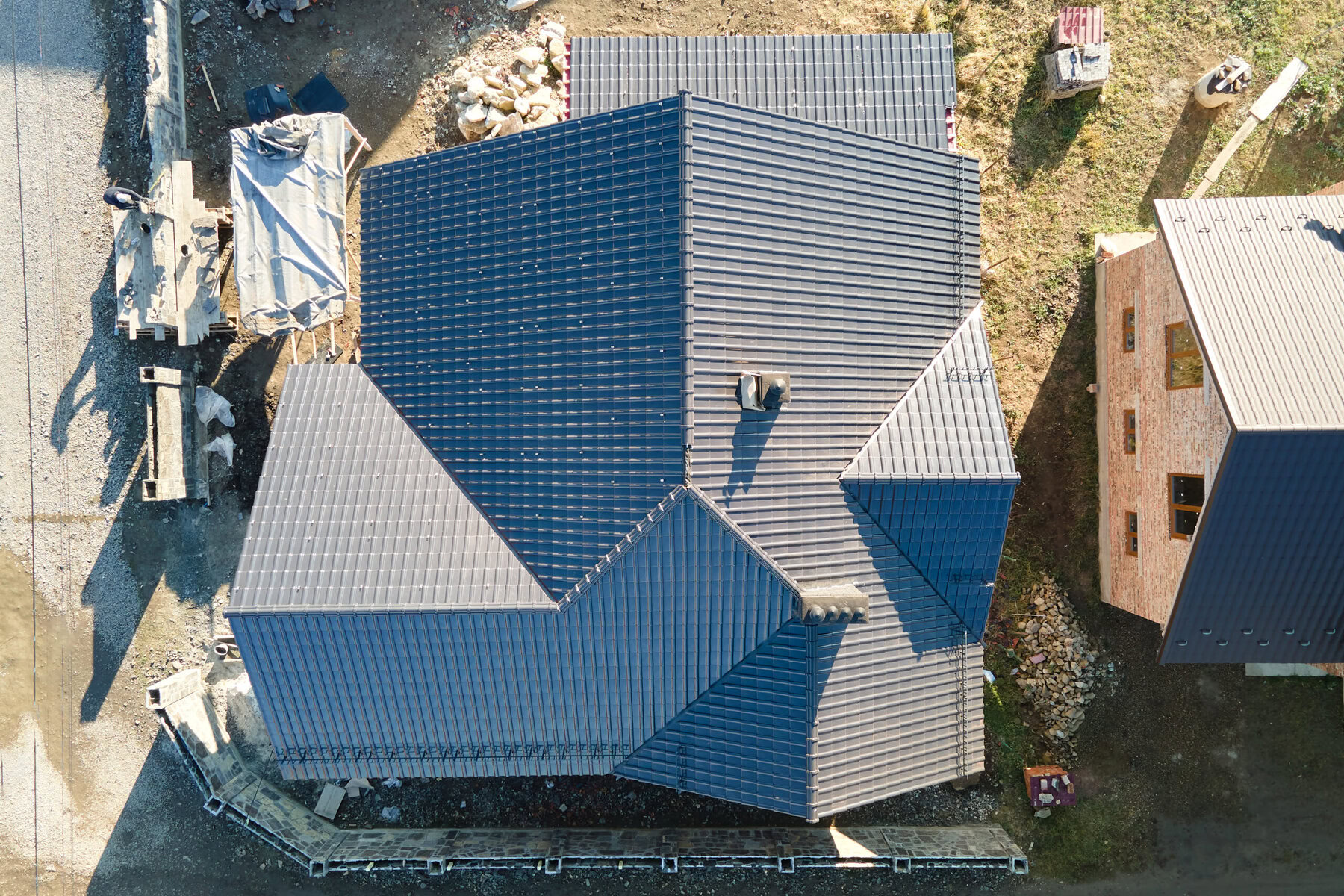
Let’s be honest, our roofs don’t get a lot of love until something goes wrong. We notice a leak, spot a missing shingle, or see a neighbor getting a gorgeous new roof and think, “Hmm, maybe we should look into that.” But by then, the panic sets in. Who do we call? What will it cost? Is this a quick fix or a “sell a kidney” situation? We get it, we’ve been there on the other side of the estimate. So, let’s have a real chat about what it actually means to take care of your roof, whether you’re in a cozy bungalow or running a business in a bustling plaza.
Getting to Know Your Roof’s Secret Language
Your roof talks to you. No, it won’t send a text (though how cool would that be?), but it gives off plenty of signs. Ignoring them is like ignoring a check engine light—it only gets more expensive.
- The Drip-Drop Symphony: The most obvious one. A water stain on the ceiling isn’t a decorative feature. It’s a cry for help.
- The Shingle Shuffle: Are your shingles curling, cracking, or just plain missing? They’re not being rebellious; they’re worn out.
- The Granule Glitter: Finding a bunch of what looks like black sand in your gutters? Those are granules from your asphalt shingles wearing away, which drastically shortens their life.
- The Sunshine Surprise: Seeing beams of light in your attic? That’s… not good. It means your roof deck is exposed.
Catching these whispers early is the golden ticket. A small roofing repair today beats a massive roof installation contractor bill tomorrow. IMO, scheduling a professional roof inspection is the smartest, most affordable habit a homeowner or business manager can adopt. It’s like a physical for your house.
The Great Debate: Repair vs. Replace (And Why It’s Not So Scary)
This is the question that keeps people up at night. We see clients wrestle with it all the time. The answer isn’t always straightforward, but let’s simplify it.
When a Repair Might Be Your Hero:
- The damage is localized (think one leak after a big storm, a few damaged tiles).
- Your roof is generally under 15 years old and in good shape.
- You’re preparing to sell and need a cost-effective fix.
- For a tile roof repair, often individual tiles can be replaced, which is a specialty service we excel at here in Los Angeles.
When Replacement is the Smarter Long-Term Play:
- Your roof is nearing or past its life expectancy (20+ years for asphalt, but longer for tile or metal).
- You’re seeing widespread issues across multiple areas.
- Energy bills are creeping up due to poor insulation/ventilation.
- You plan to stay in your home for the long haul and want peace of mind.
The cost difference is significant, but so is the value. A roof repair specialist can give you an honest assessment. Sometimes, patching is just throwing good money after bad. At California Green Roofing, we’ll always lay out the real numbers and long-term outlook for you—no pressure, just the facts. Because the right price is the one that solves your problem for the longest time.
Why Your Business Roof Deserves Its Own Manager
Okay, commercial building owners, lean in. Your roof is a different beast. It’s a major asset and a liability all in one. Commercial roof maintenance isn’t a suggestion; it’s a business strategy.
A leaking warehouse can ruin inventory. A faulty roof on a retail space can drive away customers. The scale is bigger, and so are the risks. Proactive commercial roof repairs and services like roof coating services can extend the life of your system by years, saving you a massive capital outlay down the line.
Think of it this way: you change the oil in your company vehicles, right? Regular roofing maintenance is the same principle for your building. It’s preventative care that protects your bottom line. Finding a roofing company with deep experience in this area is crucial. You need a team that understands different membrane systems, drainage, and how to minimize disruption to your operations.
Navigating the Jungle of Roofing Services & Costs
The terminology can feel like alphabet soup. Let’s decode what you’re actually shopping for when you search for a roof service.
| Service You Need | What It Really Means | What to Ask Your Contractor |
|---|---|---|
| Roof Inspection | A professional assessment of your roof’s condition, often with a detailed report. | “Does this include a moisture scan?” “Will you provide photos of problem areas?” |
| Residential Roof Repair | Fixing specific, isolated issues on a home. | “Is this a permanent fix or a temporary patch?” “Does the repair come with a warranty?” |
| Tile Roof Repair | Specialized repair for clay or concrete tile roofs, often involving careful removal and replacement. | “Do you have experience with my specific tile profile?” “How do you protect surrounding tiles during the work?” |
| Commercial Roof Repairs | Addressing issues on larger, typically flat or low-slope roofs. | “What is your safety protocol for my property and employees?” “Can you work after hours to avoid business disruption?” |
| Roof Coating Services | Applying a protective, reflective layer to extend roof life and improve energy efficiency. | “Is my roof a good candidate for a coating?” “What preparation does the surface need?” |
As for the price? It varies wildly based on material, slope, accessibility, and the nearest going rates in your area. In Los Angeles, labor and material costs are a specific beast. The most affordable option is rarely the cheapest upfront—it’s the one done right the first time. We’ve seen the “budget” jobs that turn into nightmares, and trust us, you don’t want that headache.
Picking Your Roofing Partner: It’s More Than Just a Google Search
Finding the nearest contractor isn’t the same as finding the right one. Here’s our insider take on what matters:
- Licensed & Insured: Non-negotiable. Ask for proof. This protects you from massive liability.
- Local Reputation: Read reviews, ask for references in your near neighborhood. A company with deep roots, like ours at California Green Roofing, has a reputation to uphold right here in the community.
- Detailed, Written Estimates: No vague verbal quotes. Everything should be in writing, with a clear scope of work.
- Communication: Do they answer your calls? Explain things clearly? You’re entering a short-term partnership—you should like talking to them.
And a little humor for the road: if a contractor shows up and immediately says you need a whole new roof without showing you clear evidence on a ladder or in your attic… maybe show them the door. Just saying 🙂
Your Top Roofing Questions, Answered Straight
We hear these all day, every day. Let’s tackle them head-on.
1. “How often should I really get my roof inspected?”
Twice a year is ideal—once in the spring and once in the fall. At a minimum, do it once a year. After any major storm with hail or heavy winds, it’s a smart move. It’s the single best way to keep small issues from becoming financial disasters.
2. “Can I just do the repairs myself?”
Look, we admire the DIY spirit. But roofing is dangerous, technical work. One wrong step can lead to a fall or a hidden leak that causes thousands in structural damage. What you save in labor, you might pay for tenfold in hospital bills or home repairs. FYI, it’s almost always worth hiring a pro.
3. “What’s the biggest mistake people make when hiring a roofing company?”
Choosing based solely on the lowest bid. Seriously. Quality materials, skilled labor, proper insurance, and solid warranties cost money. The lowball bid often cuts corners somewhere—usually in materials, safety, or warranty coverage. It’s your home’s first line of defense; investing in quality is a no-brainer.
Wrapping This Up (See What We Did There?)
Your roof is a big deal. It doesn’t have to be a scary mystery. Pay attention to it, invest in preventative care, and choose your roofing company like you’d choose any important partner—with care, research, and a focus on long-term value.
If all this talk has you looking sideways at your ceiling, maybe it’s time for a professional opinion. We’re always here for a no-obligation chat or inspection at California Green Roofing. We’ve built our business right here in Los Angeles on being the straightforward, reliable experts you can actually talk to. Because at the end of the day, a solid roof over your head means peace of mind—and that’s truly priceless.