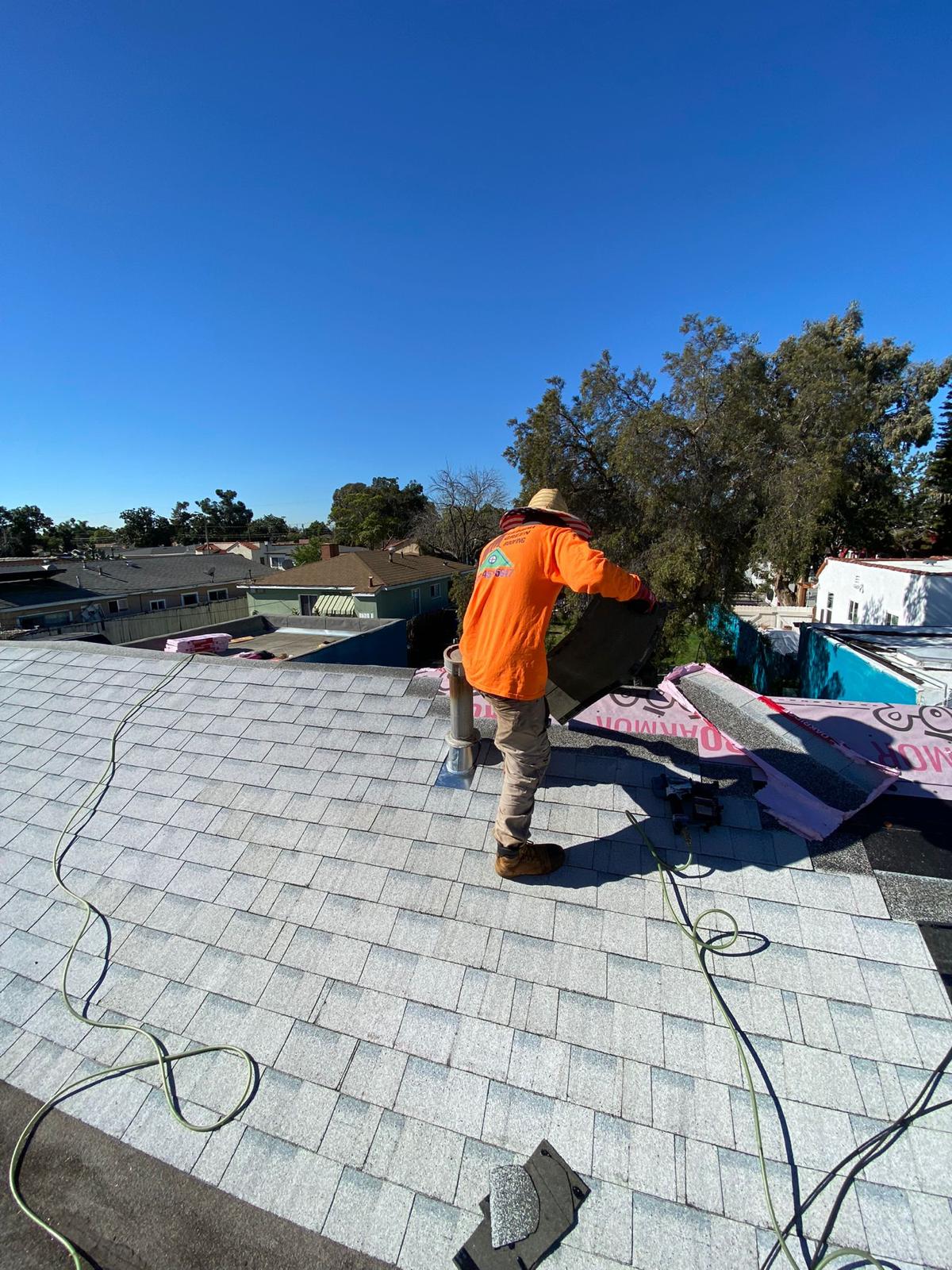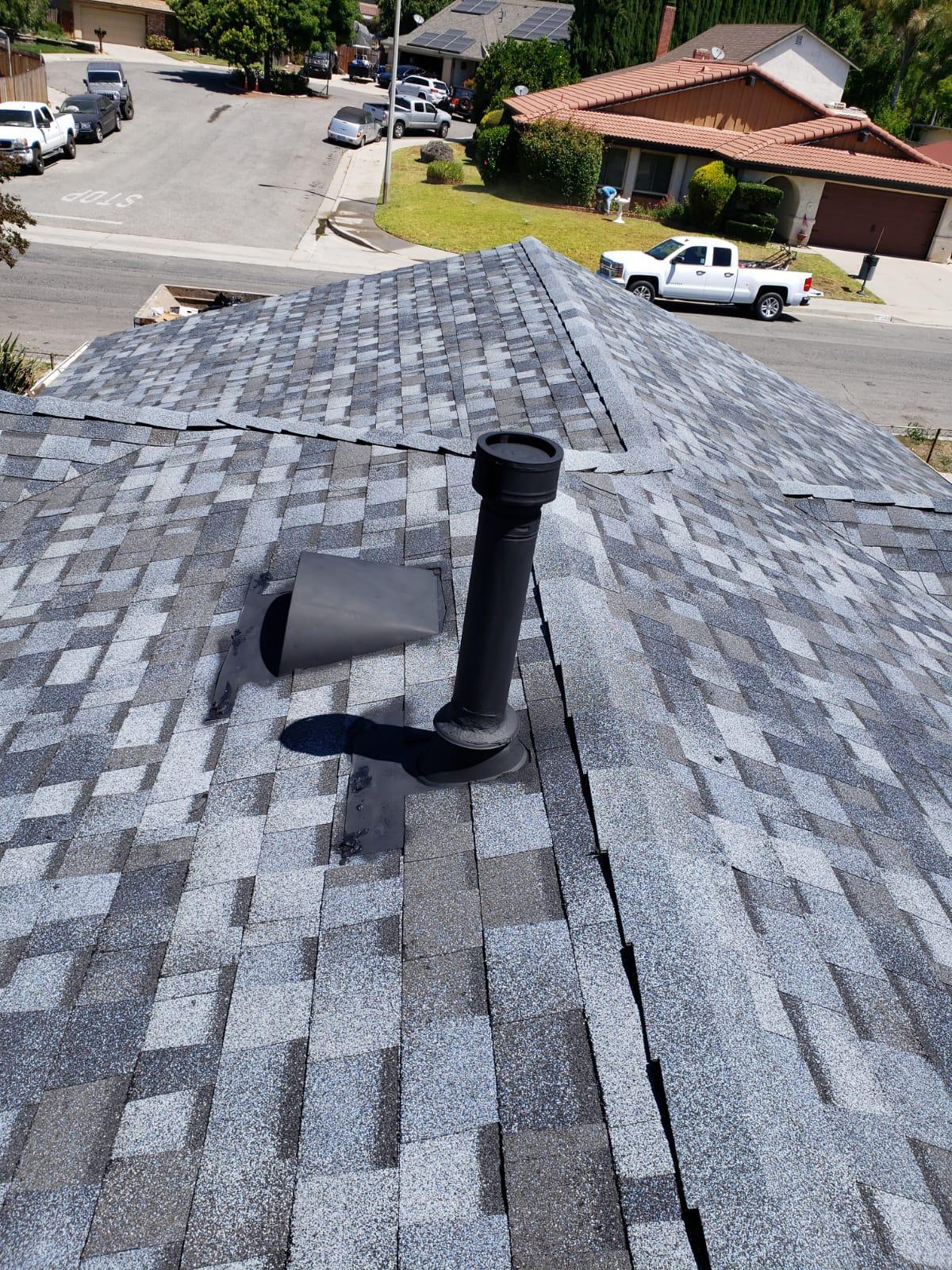
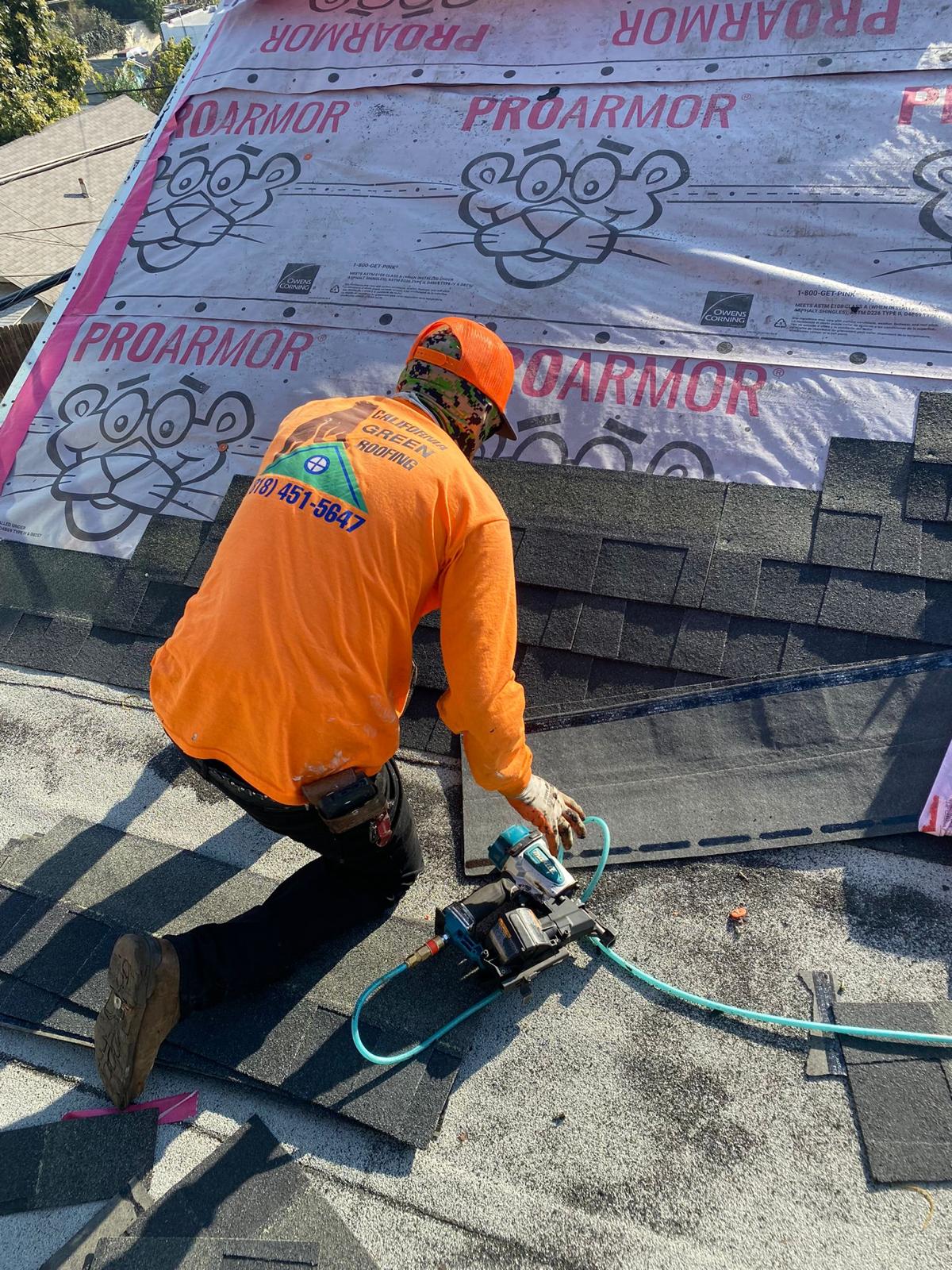
Let’s be honest, our roofs don’t get a lot of love until something goes wrong. We notice a leak, spot a missing shingle, or see our neighbor getting a gorgeous new roof and think, “Hmm, maybe we should look into that.” But here’s the thing: your roof is more than just shingles and tar paper. It’s your home’s first line of defense against everything Los Angeles can throw at it—from that blazing sun to the occasional (but surprisingly intense) rain. And if you’re a business owner, it’s a critical asset protecting your inventory, equipment, and operations.
We’ve seen it all in our time working on roofs across this city. The good, the bad, and the downright ugly DIY repairs. So, grab a coffee, and let’s have a real chat about what it takes to keep a roof over your head, literally, without losing your mind or your wallet.
The Unseen World Above Us: More Than Just a Cover
We often forget about our roofs. They’re just… there. But a healthy roof does a symphony of jobs silently. It insulates, ventilates, sheds water, and withstands UV degradation day after day. When one part of that system fails, it’s like a domino effect. A small leak isn’t just a drip; it’s an invitation for mold, wood rot, and compromised insulation that’ll make your energy bills skyrocket.
Ever wondered why that one room is always hotter or colder than the rest? Your roof might be trying to tell you something. Regular check-ups are key, and that’s where a professional roof inspection comes in. It’s the equivalent of a physical for your house. At California Green Roofing, we treat every inspection like a detective story, looking for the subtle clues that prevent big, expensive plot twists later on.
The Repair vs. Replacement Dilemma: A Game of Chess, Not Checkers
This is the million-dollar question, isn’t it? Well, maybe not a million, but a significant investment. Do you patch it up, or do you start fresh? The answer isn’t always straightforward, and any roof repair specialist worth their salt will tell you it depends on a few key factors.
- Age: If your roof is nearing the end of its expected lifespan (20-25 years for asphalt, much longer for tile), repairs are often just putting a band-aid on a aging system.
- Extent of Damage: Is the issue isolated? A few damaged tiles from a fallen branch? That’s a clear case for tile roof repair. But if we’re finding leaks in multiple areas or see widespread wear, the cost of repeated repairs can quickly surpass the price of a new installation.
- Your Long-Term Plans: Selling soon? A proper repair might suffice. This is your forever home? A new roof offers peace of mind and increased value.
Here’s a quick table to break down the typical signs that point you in one direction or the other:
| Signs You Might Need a Repair | Signs You Probably Need a Replacement |
|---|---|
| Isolated leak in one area after a storm | Multiple leaks appearing in different areas |
| A few missing or cracked shingles/tiles | Curling, buckling, or extensively missing shingles |
| Minor flashing damage around a chimney or vent | Sunlight visible through the roof boards in the attic |
| Roof is less than halfway through its lifespan | Roof is at or beyond its expected lifespan |
| Granules from asphalt shingles in gutters (some is normal, a lot is bad) | Sagging roof deck or visible structural issues |
IMO, the biggest mistake we see homeowners make is waiting too long to call for a professional assessment. What starts as an affordable fix can balloon into a major project if water damage gets a head start.
Residential vs. Commercial: It’s a Different Ballgame
Okay, let’s clear this up. While the basic principles of keeping water out are the same, working on a house versus a warehouse or office building is a completely different beast.
For residential roof repair, we’re often dealing with steep slopes, aesthetic considerations to match the neighborhood, and minimizing disruption to your family life. We’re in your personal space, and we get that. It’s about precision, cleanliness, and communication.
Commercial roof maintenance, on the other hand, usually involves flat or low-slope roofs, massive square footage, and systems like EPDM, TPO, or built-up roofing. The focus shifts to durability, ensuring minimal impact on business operations, and long-term planning. Commercial roof repairs need to be strategically scheduled and often involve different materials and techniques, like roof coating services to extend the life of an existing membrane.
The point is, you want a roofing company that has deep experience in your specific type of roof. A jack-of-all-trades might be okay, but a master of one is better. In Los Angeles, with our unique climate and mix of architecture, that specialization matters.
The Investment Talk: Breaking Down the Cost Without the Panic
We’re going to say the word: money. It’s the part everyone dreads. The price of a roof service can vary wildly, and for good reason. It’s not a commodity; it’s a custom project on your unique property.
What influences the final number?
- Size & Pitch: More square footage = more materials and labor. A steeper roof is more challenging and time-consuming to work on.
- Materials: Asphalt shingles, concrete tile, clay tile, metal, slate—each comes with a different cost and lifespan. We can walk you through the pros and cons of each for your specific home and budget.
- Scope of Work: A simple repair, a full tear-off and roof installation, or a re-cover? Is there structural damage we can’t see yet?
- Access & Logistics: Is your home on a hillside with limited access? That affects equipment and time.
The quest for an affordable solution is totally understandable. But remember, “affordable” should mean “good value over time,” not just “cheapest upfront.” A poorly done job will cost you double in the long run. A reputable roof installation contractor will provide a detailed, transparent quote so you know exactly what you’re paying for. No nasty surprises.
FYI, when you’re looking for the nearest or best roofing company, get at least three detailed estimates. And don’t just look at the bottom line—look at what’s included, the warranty offered, and the company’s reputation. Sometimes paying a bit more for a company like California Green Roofing, with a long track record in Los Angeles, saves you a massive headache later.
Prevention is the Best Medicine: The Art of Roof Maintenance
We’ll let you in on a secret: the single best way to save money on your roof is to maintain it. Seriously, it’s not the most glamorous part of homeownership, but roofing maintenance is a game-changer.
Think of it like changing the oil in your car. Skip it, and the engine seizes. Skip roof maintenance, and you’re looking at premature failure. A bi-annual check (especially after winter and before the heavy sun of summer) can catch:
- Clogged gutters that cause water to back up under the roofing.
- Cracked or worn sealant around penetrations (vents, pipes).
- Moss or debris accumulation that traps moisture.
- Minor storm damage you might not have noticed.
A little proactive care stretches your roof’s lifespan by years and helps you avoid emergency roof repairs at 2 AM during a rainstorm. It’s one of the smartest calls you can make.
Your Burning Questions, Answered
We hear these all the time, so let’s tackle them head-on.
1. “How long will my new roof actually last?”
It depends heavily on the material! Here’s a quick cheat sheet:
- Asphalt Shingles: 20-30 years (quality varies a lot here).
- Concrete Tile: 30-50 years.
- Clay Tile: 50+ years, sometimes a century.
- Metal Roofing: 40-70 years.
Proper installation and local climate are huge factors, too. The Los Angeles sun is brutal on some materials, which is why we always recommend options with high UV resistance.
2. “Can I just install a new roof over my old one?”
This is called a re-cover. Sometimes it’s a viable, affordable option. But often, it’s a shortcut that hides problems. We can’t inspect or repair the decking underneath, and it adds extra weight. Most building codes only allow one re-cover. Our general stance? A full tear-off, while more expensive upfront, gives you a clean slate and a longer-lasting result. We sleep better knowing what’s underneath.
3. “How do I spot a reputable roofing contractor vs. a storm chaser?”
Great question. Red flags include:
- High-pressure sales tactics, especially after a storm.
- Asking for full payment upfront.
- No local office or verifiable history.
- Vague contracts or reluctance to provide proof of insurance and licensing.
Green flags? Local references, a physical address (like our office right here in Los Angeles), clear communication, and a detailed, written proposal. A company like California Green Roofing has built its reputation over years, not just after one big hailstorm 🙂
Wrapping It All Up: Your Roof, Your Sanctuary
Look, we know this is a lot. A roof is a big deal. But it doesn’t have to be a scary, mysterious process. It’s about finding a partner you trust to give you straight advice, quality work, and peace of mind.
Whether you’re dealing with a pesky leak needing residential roof repair, scheduling proactive commercial roof maintenance for your business, or considering a brand-new installation, the approach should be the same: informed, careful, and focused on the long haul.
Your roof protects everything you value. Doesn’t it deserve a little expert attention? If anything we’ve chatted about today has you looking up at your ceiling with a bit of suspicion, maybe it’s time for a professional set of eyes. We’re always here to help you make sense of it all.
People Also Ask
To get a roof claim approved, start by documenting all damage thoroughly with clear, time-stamped photos and videos from multiple angles. Contact your insurance company promptly to report the claim and request an inspection. Do not make permanent repairs before the adjuster's visit, but take temporary measures to prevent further damage, keeping all receipts. Be present during the adjuster's inspection to point out all issues and provide your documentation. It is crucial to understand your policy's coverage details, including deductibles and exclusions for wear and tear. For a detailed, step-by-step guide through this often complex process, we strongly recommend reading our internal article, Don't Get Soaked By Your Insurance: A Roofer's Guide To Storm Damage Claims. A professional roofing contractor can also provide a detailed assessment to support your claim.
When speaking with an insurance adjuster about your roof, avoid making definitive statements that could limit your claim. Do not say, "It's just old wear and tear," as this shifts blame from a covered peril. Avoid admitting you haven't performed maintenance, as this can be used to argue neglect. Never give a verbal estimate or agree to a quick, low settlement on the spot. Do not state the damage is minor or that you can patch it yourself. Instead, stick to the facts of the specific storm or event, and have a professional inspection report ready. For a detailed strategy on navigating this process, refer to our internal guide Don't Get Soaked By Your Insurance: A Roofer's Guide To Storm Damage Claims. Always let your documented evidence and your chosen roofing contractor do the talking.
The biggest mistake is failing to properly document the damage and the claim process. Many homeowners provide an initial description but then neglect to create a thorough, ongoing record. You must take extensive photos and videos of all damage from multiple angles before any cleanup or temporary repairs. Keep a detailed log of every conversation with adjusters, including names, dates, and summaries. Save all receipts for expenses related to the loss. Submitting incomplete documentation or providing inconsistent statements can significantly delay the process and often results in a lower settlement than you are entitled to under your policy. Being organized and proactive is essential.
The frequency of roof claim denials varies significantly by insurer, region, and the specific circumstances of the damage. Generally, insurers may deny claims if they determine the damage is due to wear and tear, improper maintenance, or pre-existing conditions rather than a specific, sudden peril like a storm or hail. To maximize your chances of approval, it is crucial to have a professional inspection immediately after an event, document all damage thoroughly with photos and videos, and understand your policy's specifics regarding roof coverage and deductibles. For a detailed strategy on navigating this process, we strongly recommend reading our internal article Don't Get Soaked By Your Insurance: A Roofer's Guide To Storm Damage Claims.