Let’s be honest, we’ve all stared at our roof at some point and wondered, “What exactly is going on up there?” Is it quietly protecting us, or is it secretly plotting its dramatic, leaky demise? We get it. Your roof is this massive, often forgotten part of your home or business until, well, it isn’t. Then it becomes the only thing you can think about. We’re here to pull back the shingles (figuratively, of course) and have a real chat about what keeps a roof over your head, literally and financially.
Think of this as a friendly guide from folks who spend more time on roofs than most people spend in their living rooms. We’ll talk about everything from that sudden leak you discovered to planning a whole new roof, and why sometimes the cheapest option ends up costing you a small fortune.
Table of Contents
The Unseen World Above Us: More Than Just Shingles
We like to think of a roof as a living, breathing system. It’s not just materials nailed to wood; it’s a complex assembly designed to manage water, air, heat, and cold. When one part of that system fails, it’s like a domino effect. A tiny compromised seal can lead to water intrusion, which then leads to rot, mold, and insulation issues. It’s a slippery slope, and not the fun kind.
This is exactly why regular roof inspections are the unsung hero of homeownership. Catching a problem early, during a simple maintenance check, can save you from the nightmare and cost of a major residential roof repair or commercial roof repairs down the line. It’s the difference between a minor fix and a full-blown, wallet-emptying project.
When Trouble Comes Knocking (Or Dripping): Common Roof Issues
So, how do you know when your roof is crying for help? It’s not always a waterfall in your hallway. Here are some tell-tale signs:
- Water Stains on Ceilings or Walls: This is the classic. That yellowish-brown circle is your roof’s way of sending an SOS.
- Missing, Cracked, or Curling Shingles: Take a look with binoculars after a storm. Shingles should lie flat and uniform. If they look like they’re trying to escape, you’ve got issues.
- Granules in the Gutters: Asphalt shingles shed their tiny, gravel-like granules as they age. Finding a bunch in your gutters is a sign they’re wearing out.
- Sagging Areas: This is a big red flag. A sagging roof deck often indicates structural issues from long-term water damage.
- Skyrocketing Energy Bills: Poor attic ventilation or compromised insulation, often linked to roof health, can make your HVAC system work overtime.
If you spot any of these, it’s time to call in a roof repair specialist. And IMO, don’t wait. Putting it off is like ignoring a check engine light—it only gets more expensive.
The Repair vs. Replace Dilemma: A Costly Crossword Puzzle
This is the million-dollar question (hopefully not literally). Deciding whether to repair or replace is a tough call. As a general rule, we consider:
- The Age of the Roof: Most asphalt roofs last 20-25 years. If yours is in that range and having problems, replacement might be more economical than patching.
- The Extent of Damage: Is the issue isolated to one area, or is it widespread? A few damaged shingles are a quick fix. Widespread leaks or deck rot point to replacement.
- Your Long-Term Plans: Selling soon? A repair might suffice. Planning to stay for 15+ years? A new roof could be a wise investment.
Here’s a quick, highly detailed table to help you weigh the pros and cons:
| Factor | Roof Repair | Full Roof Replacement |
|---|---|---|
| Immediate Cost | Lower upfront price. | Significant investment. |
| Long-Term Value | Temporary solution; issues may recur elsewhere. | Affordable in the long run via longevity; adds major property value. |
| Project Scope | Targeted, less disruptive. | Whole-system overhaul, more disruptive. |
| Warranty | Typically covers only the repaired section. | Comes with a comprehensive, long-term manufacturer & installer warranty. |
| Ideal For | Localized damage, newer roofs, budget constraints. | Aging roofs (15+ yrs), widespread issues, long-term property ownership. |
Specialty Services: Because Not All Roofs Are Created Equal
Here in Los Angeles, our architecture is as diverse as our population. That means a one-size-fits-all approach to roofing just doesn’t cut it.
- Tile Roof Repair: Those beautiful Spanish-style tile roofs are iconic, but they’re fragile. Walking on them incorrectly can cause more damage than the original problem. You need a roofing company with specific experience in tile roof repair to handle them with the care they require.
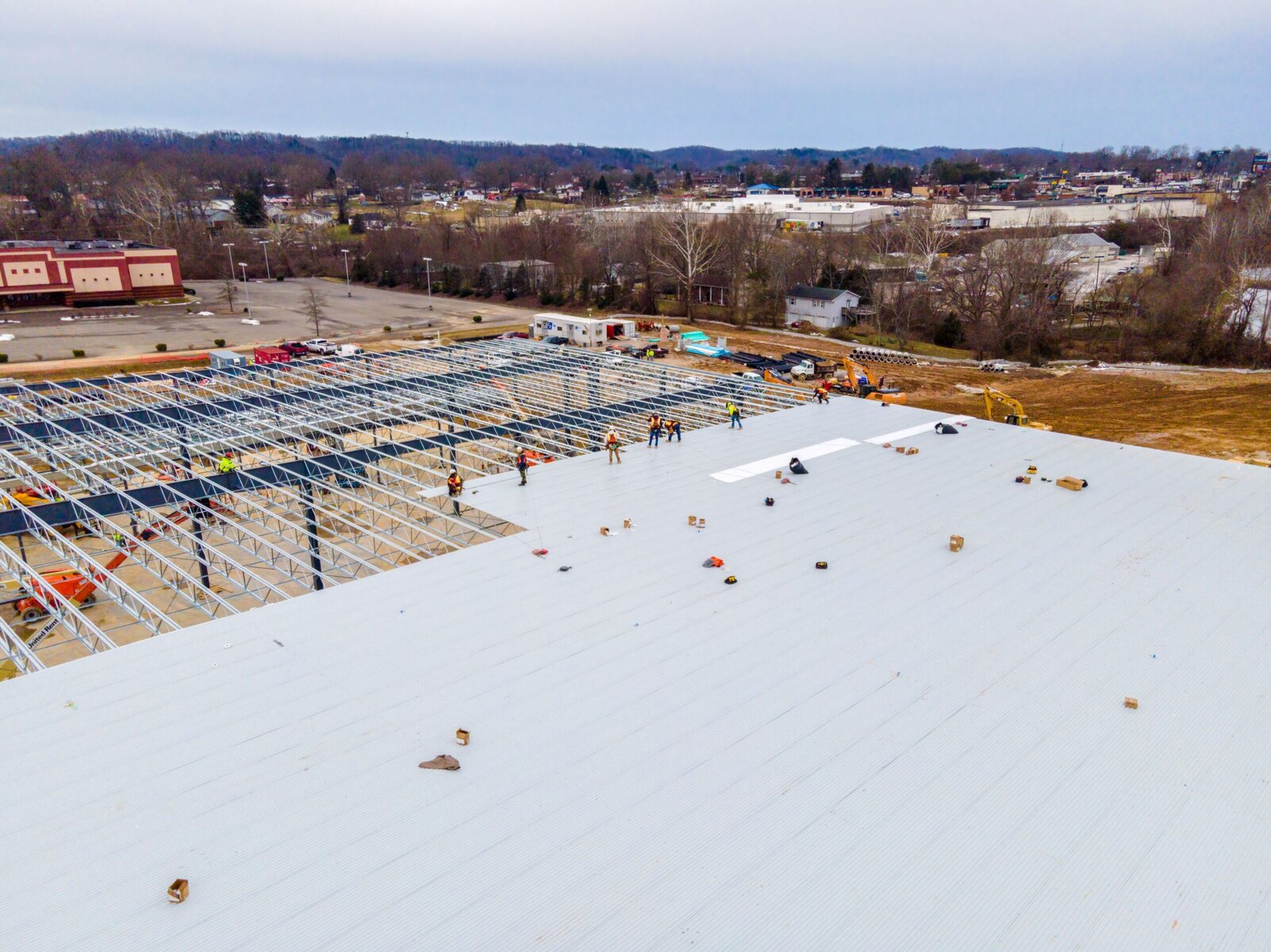
- Commercial Roof Maintenance: Flat or low-slope commercial roofs are a different beast entirely. They require specific materials (like TPO or EPDM) and maintenance protocols. Regular commercial roof maintenance is non-negotiable for business owners—it protects your assets, inventory, and operations.
- Roof Coating Services: This is a fantastic, often overlooked service. A reflective roof coating can extend the life of your roof, improve energy efficiency by reflecting sunlight, and seal minor imperfections. It’s like giving your roof a protective, super-powered sunscreen.
Choosing Your Roofing Partner: It’s a Relationship, Not a Transaction
This is where the rubber meets the road. Hiring just any roof installation contractor can be a gamble. You want a team you can trust. Look for:
- Proper Licensing & Insurance: This is non-negotiable for your protection.
- Local Experience: A company that knows the specific weather challenges of Los Angeles—from sun exposure to occasional heavy rains—is invaluable.
- Transparent Communication: You should understand every step of the process and every line item on your estimate.
- Warranties: Strong warranties on both materials and labor show a company stands behind its work.
And hey, while we’re on the topic of local partners, this is where we humbly mention our own team. At California Green Roofing, we’ve built our business on being that reliable partner. Whether you need an inspection to put your mind at ease, an emergency roofing repair, or a full replacement, we treat your property like it’s our own. We’re based right here in LA, so we understand the unique demands of our climate and housing styles. If you’re searching for the nearest trusted roof service, we’d be happy to chat and provide a clear, honest assessment.
Your Top Roofing Questions, Answered
Let’s tackle some of the most common questions we hear every day.
1. How often should I really get my roof inspected?
We recommend a professional inspection at least once every two years, and always after a major weather event (like those rare but heavy windstorms we get). For older roofs or commercial properties, an annual check-up is a smart move. It’s the best affordable insurance policy you can buy for your biggest asset.
2. Can I just do repairs myself to save money?
We admire the DIY spirit, but roofing is one area where we strongly advise against it. Safety is the biggest concern—falls are no joke. Secondly, without the proper training, you might miss the root cause of the problem or even cause accidental damage. What starts as a well-intentioned weekend project can quickly turn into a call to a roof repair specialist for a bigger, more expensive fix.
3. How long does a roof installation or major repair actually take?
It depends heavily on the scope, weather, and roof complexity. A simple repair might take a few hours. A full roof installation on an average home typically takes 1-3 days. A large commercial roof repairs project could take weeks. A good roofing company will give you a clear timeline upfront and communicate proactively if anything changes. No one likes surprises when it comes to their roof 🙂
Wrapping It All Up: Peace of Mind is Priceless
At the end of the day, your roof is about peace of mind. It’s about sleeping soundly during a rainstorm, knowing your business assets are protected, and feeling confident in your property’s value. Investing in quality materials, skilled professionals, and preventative care isn’t just a home improvement task—it’s a strategic decision for your comfort and financial well-being.
So, the next time you look up at that silent guardian, you’ll know a bit more about what it does and when to call for backup. And if you’re ever in doubt or just want a professional set of eyes on it, you know who to call. The team at California Green Roofing is always here to help you keep a sturdy, reliable roof over your head. Let’s keep your world dry, safe, and secure, one shingle (or tile) at a time.
Related Articles
Durable Modified Bitumen Roofing Options For Los Angeles Flat Roofs
Choosing The Best TPO Roofing Membrane For Your Project
TPO Roofing: The Go-To Choice For LA Commercial Properties?
People Also Ask
Yes, TPO roofing is an excellent choice for residential properties, particularly in regions with warm climates. This single-ply membrane offers high reflectivity, which can significantly reduce cooling costs during summer months. Its heat-welded seams create a durable, watertight barrier that resists punctures and tears. For homeowners seeking energy efficiency and long-term performance, TPO is a strong contender. For a deeper understanding of material options, we recommend reviewing our internal article titled Choosing The Best TPO Roofing Membrane For Your Project. California Green Roofing often advises clients that proper installation is critical to maximizing the lifespan of any TPO system, ensuring your home receives the full benefit of this modern roofing solution.
The 25% rule in roofing is a common insurance guideline used to determine coverage for roof replacement. It states that if a roof has sustained damage to 25% or more of its total surface area, many insurance policies will cover a full roof replacement rather than just spot repairs. This rule exists because repairing a large portion of a roof often compromises its overall integrity and lifespan. It is crucial for homeowners to have a professional inspection after a major storm or event to accurately assess the damage percentage. Understanding this rule can be key when filing an insurance claim, as meeting the threshold can significantly affect the scope of work and financial outcome.
The typical lifespan of a TPO (Thermoplastic Polyolefin) roofing membrane is generally between 15 to 30 years. This wide range depends heavily on the quality of the initial installation, the thickness of the membrane selected, the level of ongoing maintenance, and the specific environmental conditions the roof endures. Properly installed and maintained TPO systems in moderate climates often reach or exceed the 25-year mark. For a deeper analysis of why this material is so prevalent in our region, including factors influencing its durability, you can refer to our internal article, TPO Roofing: The Go-To Choice For LA Commercial Properties?. Regular professional inspections are key to maximizing any roof's service life.
For the best TPO roofing material, you should look for a product with a high-quality, thick membrane, typically 60 mils or more, reinforced with a strong polyester scrim for superior tear resistance. Industry leaders often use advanced formulations with UV stabilizers and fire retardants to ensure long-term durability. The best TPO also features heat-welded seams for a watertight bond. At California Green Roofing, we always recommend selecting a TPO that meets strict energy star ratings for reflectivity. For a deeper comparison of single-ply options, you can read our internal article titled Is PVC Roofing A Good Fit For The California Climate, which provides excellent context on material performance in our region.
TPO roofing stands for Thermoplastic Polyolefin, a single-ply roofing membrane widely used on low-slope commercial buildings. It is valued for its heat-reflective white surface, which helps reduce cooling costs and meets energy efficiency standards. The material is durable, resistant to UV radiation and chemical exposure, and its seams are heat-welded for strong waterproofing. For property owners evaluating options, understanding the specific thickness and reinforcement is critical. For detailed guidance on selecting the right product for your climate and building type, we recommend reading our internal article titled Choosing The Best TPO Roofing Membrane For Your Project.
TPO roofing installation is a multi-step process that demands precision and adherence to manufacturer specifications. It begins with a thorough inspection and preparation of the existing roof deck, ensuring it is clean, dry, and structurally sound. A layer of insulation board is typically fastened down, followed by the TPO membrane itself. The critical step is the seaming, where sheets of TPO are welded together using hot air to create a continuous, watertight monolithic layer. Proper flashing details around penetrations, edges, and walls are paramount. For a deeper analysis of why this system is so prevalent in our region, including its reflective properties and durability, refer to our internal resource TPO Roofing: The Go-To Choice For LA Commercial Properties?. Professional installation by certified crews is non-negotiable for achieving the intended lifespan and performance warranty.
When evaluating TPO roofing specifications, the most critical factors include membrane thickness, typically available in 45, 60, or 80-mil options, and the reinforcement type, usually polyester or fiberglass. A thicker membrane offers superior puncture resistance and longevity, making it ideal for commercial projects. You must also verify the seam strength and the manufacturer's warranty terms, as these directly impact long-term performance. For a comprehensive guide on selecting the right product for your specific climate and building structure, we recommend reviewing our internal article titled Choosing The Best TPO Roofing Membrane For Your Project. At California Green Roofing, we always advise property owners to prioritize certified installers to ensure proper heat-welding of seams, which is vital for preventing leaks and maximizing energy efficiency.