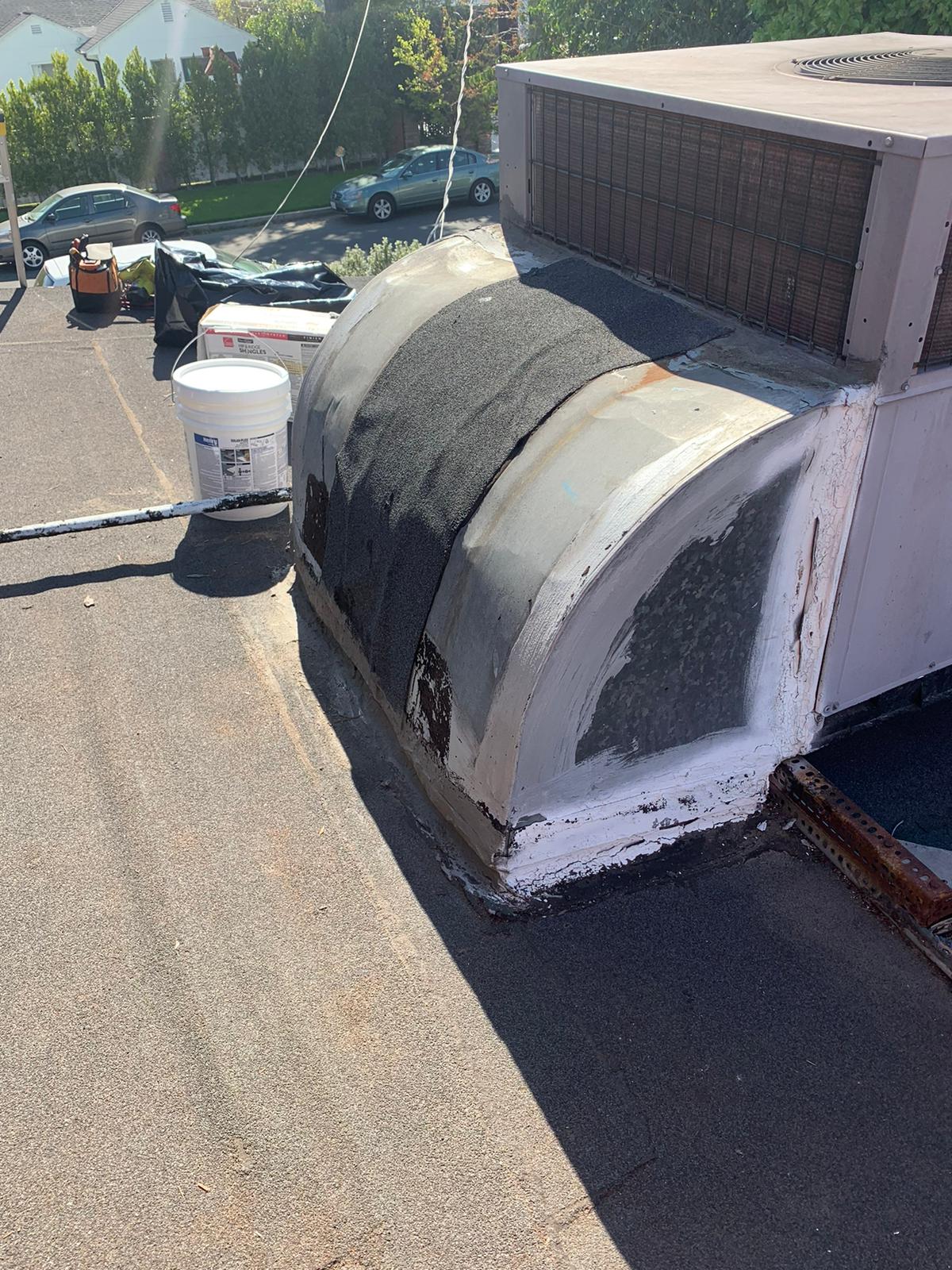
The 25% rule in roofing is a common insurance guideline used to determine if a roof needs a full replacement or just repairs after storm damage. If an inspection finds that over 25% of the roof's surface area is damaged, many insurance policies will cover a complete roof replacement rather than multiple, less effective spot repairs. This standard exists because repairing a large, widespread area is often less cost-effective and can compromise the roof's long-term integrity compared to a full installation. It's crucial for homeowners to have a professional inspection after major weather events to accurately assess damage and work with their insurer, as policy specifics can vary.
Proper commercial roof maintenance involves a proactive, scheduled approach to extend lifespan and prevent costly failures. Key practices include conducting semi-annual inspections, typically in spring and fall, to identify issues like membrane damage, clogged drains, or sealant failure. Keeping drainage systems completely clear is critical to prevent water ponding. It's essential to promptly address any repairs, from small punctures to flashing separations, before they escalate. Maintaining detailed records of all inspections and work performed is a best practice for warranty compliance and long-term planning. A comprehensive maintenance plan tailored to your specific roof system and local climate is vital. For detailed strategies relevant to local businesses, refer to our internal article Commercial Roof Maintenance in Tarzana, CA.
Roof maintenance costs vary widely based on factors like roof size, material, pitch, and location. For a typical residential asphalt shingle roof, an annual inspection and basic maintenance might range from $200 to $500. This often includes cleaning gutters, checking for damaged shingles, and sealing minor leaks. For more complex roofs (like tile, metal, or flat commercial systems), costs can be higher, potentially $500 to $2,000 or more annually. Proactive maintenance is a critical investment, as it can prevent costly repairs averaging $1,000+ and significantly extend the roof's lifespan. Always obtain detailed estimates from licensed, insured roofing professionals for your specific property.
The responsibility for roof maintenance typically depends on the property type. For single-family homeowners, the homeowner is almost always fully responsible for the upkeep, repairs, and replacement of their roof. In commercial real estate, the building owner or property management company holds this responsibility, often outlined in a lease agreement. For condominiums or multi-unit residential buildings, the homeowners' association (HOA) is usually responsible for maintaining common areas, including the roof structure. Regardless of who is responsible, proactive and regular maintenance is crucial to prevent minor issues from becoming major, costly failures. For detailed guidance on professional care, especially for business properties, we recommend our internal article Commercial Roof Maintenance in Woodland Hills, CA.
Roof maintenance is essential for both residential and commercial properties to ensure longevity and prevent costly repairs. For residential roofs, services typically include regular inspections, gutter cleaning, shingle replacement, and addressing minor leaks. Commercial roofs often require more extensive maintenance due to their larger size and complex systems, involving membrane inspections, drainage checks, and ensuring compliance with safety standards. Proactive maintenance helps identify issues early, extends roof life, and protects the building's interior. It is recommended to schedule professional inspections at least twice a year, especially after severe weather, to maintain structural integrity and performance.
Commercial roof maintenance services are essential for extending the lifespan of your roofing system and preventing costly emergency repairs. The best services offer comprehensive programs that include bi-annual inspections, debris removal, drainage clearing, and detailed documentation of all findings and work performed. A top-tier provider will perform thorough checks of flashings, seams, and membrane conditions, and promptly address minor issues before they escalate. Look for a contractor with extensive commercial experience, proper licensing and insurance, and a proactive approach. A strong maintenance plan is a strategic investment that protects your asset, maintains warranty compliance, and delivers significant long-term cost savings by maximizing the roof's service life.
Commercial roof maintenance services cost varies based on roof size, material, and condition. Typically, costs are structured as annual contracts, ranging from $0.10 to $0.25 per square foot, or as per-service fees for inspections, cleaning, and minor repairs. For a standard 20,000-square-foot commercial roof, annual maintenance might cost between $2,000 and $5,000. Factors influencing price include roof accessibility, required frequency of service, and local labor rates. Proactive maintenance is a cost-effective investment, preventing costly emergency repairs and extending roof lifespan. It is advisable to obtain detailed quotes from licensed contractors that outline specific services included.
75 reviews