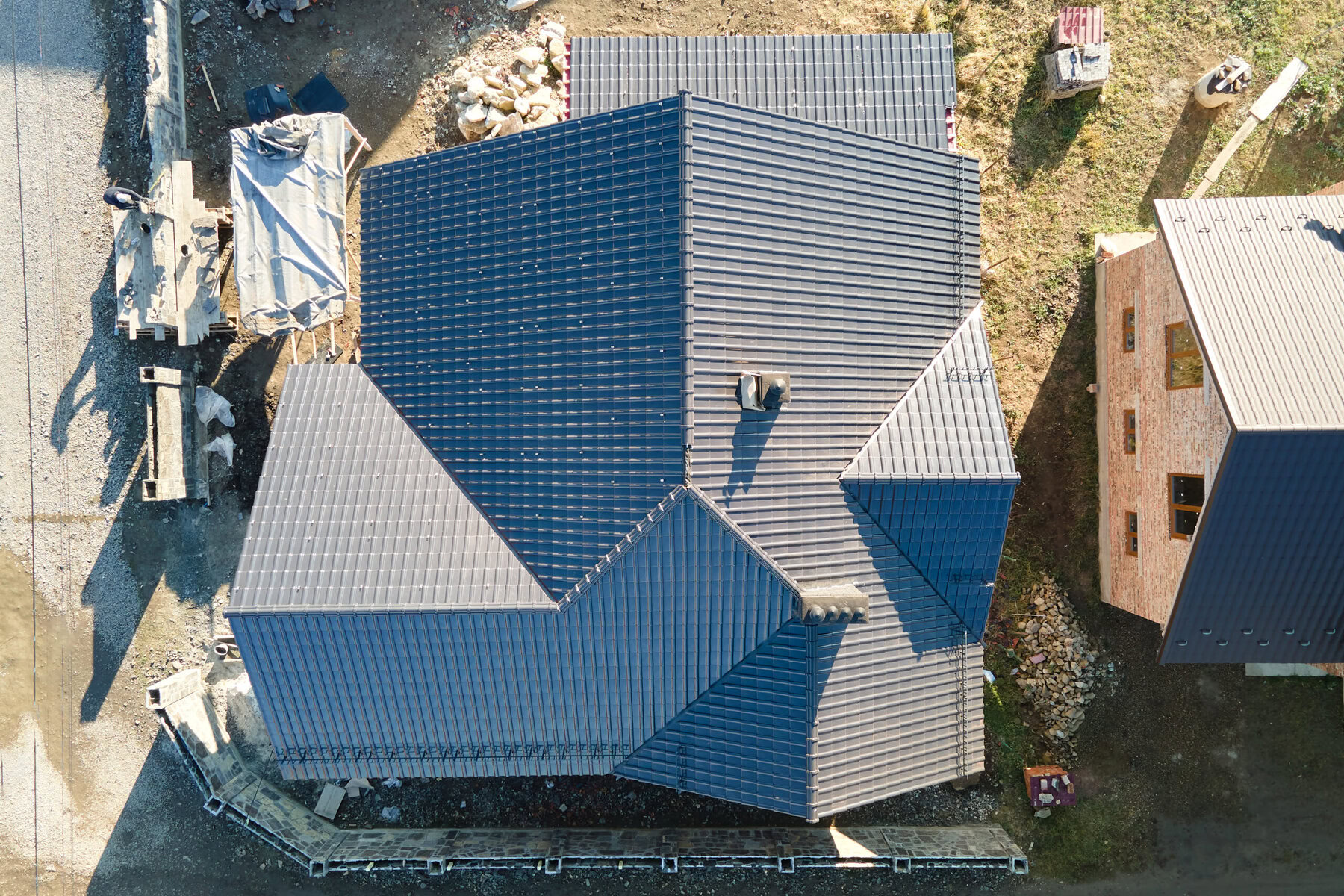
Let’s be honest, we’ve all stared at our roof at some point and wondered, “What exactly is going on up there?” Is it quietly doing its job, or is it secretly plotting a leak right over your favorite armchair? We get it. Roofs are out of sight, out of mind—until they very loudly aren’t. That’s why we’re having this chat today. We want to pull back the shingles (figuratively, of course) and talk about what really matters when it comes to protecting your biggest investment.
Think of your roof as the silent guardian of your entire home or business. It takes the brutal Los Angeles sun, shrugs off the occasional surprising downpour, and endures more thermal expansion and contraction than we care to think about. It’s a tough job, and frankly, it doesn’t get enough credit. But ignoring it? That’s a recipe for a story that usually starts with, “So, there was this water stain…”
Table of Contents
The Unseen World Above Us: More Than Just Shingles
We like to think a roof is a simple system. You have the deck, the underlayment, and the top layer—tile, shingle, metal, what have you. Simple, right? Not quite. It’s a complex, interconnected assembly where one small failure can lead to a cascade of problems. A cracked tile might seem cosmetic, but it can let water seep in, saturate the underlayment, rot the decking, and before you know it, you’re hosting an indoor mushroom farm. Not the aesthetic you were going for, we’re guessing.
This is where the philosophy of proactive care comes in. Waiting for a leak to announce itself is like waiting for your car’s engine to light on fire before you change the oil. A bit dramatic? Maybe. But the principle stands. Regular roof inspections and consistent roofing maintenance are the difference between manageable upkeep and a catastrophic, wallet-emptying event.
The Repair vs. Replace Conundrum: A Game of Chess, Not Checkers
One of the biggest questions we field at California Green Roofing is, “Can you just fix it, or do I need a whole new roof?” It’s the roofing equivalent of asking if you need a new car because of a flat tire. Sometimes it’s a simple patch. Other times, if you’ve got four flats and the engine’s smoking, the answer changes.
Here’s our rule of thumb: The decision hinges on three things—the extent of damage, the age of the roof, and the long-term cost effectiveness. A seasoned roof repair specialist can spot the difference.
- For a newer roof with localized damage: A targeted roofing repair is almost always the way to go. This could be a tile roof repair after a windstorm, sealing a pipe boot, or fixing a small section of flashing.
- For an older roof with widespread issues: If you’re constantly calling for residential roof repair or commercial roof repairs, and the problems are popping up everywhere, you’re likely throwing good money after bad. A full roof installation becomes the smarter investment.
We’ve seen it all in our years as a roofing company in Los Angeles. One memorable job involved a client who patched the same leak five times over two years. The final price tag for all those band-aids? It was nearly half the cost of a new, durable roof that came with a 25-year warranty. Sometimes, “affordable” isn’t about the cheapest fix today, but the most cost-effective solution over the next decade.
A Quick Guide to Common Roofing Services (And What They Actually Mean)
The roofing industry loves its jargon. Let’s translate some of the most common roof service offerings you’ll encounter, so you know exactly what you’re paying for.
Demystifying Your Roof Service Options
The Preventative Squad
These are the services that keep small problems from becoming big ones.
- Roof Inspections: This is your roof’s annual physical. A good inspector doesn’t just look from the ground; they get up there and check flashings, seals, penetrations, and the condition of every material layer. This is the single best way to plan and budget for maintenance.
- Roofing Maintenance: Think of this as the prescribed treatment after the inspection. It involves clearing debris from valleys and drains, checking and cleaning gutters, re-sealing flashings, and replacing any isolated damaged materials. For a flat commercial roof, this is non-negotiable.
The Repair & Restoration Crew
When damage occurs, these services come to the rescue.
- Leak Repair & Emergency Patching: The emergency responders of roofing. The goal is to stop active water intrusion immediately, with a more permanent repair planned for later.
- Tile Roof Repair: Specialized work to replace broken or slipped clay or concrete tiles without disturbing the surrounding sound ones. It requires a careful hand—it’s like roofing surgery.
- Roof Coating Services: A fantastic option for certain flat or low-slope roofs. A reflective coating can seal small cracks, reflect UV rays (lowering cooling costs—a big deal here!), and extend the roof’s life significantly. It’s like giving your roof a powerful, protective sunscreen.
The Major Operation
When the roof system has failed, it’s time for this.
- Full Roof Replacement/Installation: This is a tear-off and rebuild with a certified roof installation contractor. It’s a major project, but it’s also a chance to upgrade materials, improve insulation, and ensure decades of worry-free performance.
The Real Cost of Roofing: An Honest Table
Let’s talk numbers—without the scary sales tactics. The price of any roofing work varies wildly based on material, slope, accessibility, and the scope of work. But to give you a frame of reference, here’s a basic comparison. Remember, these are estimates; a proper inspection is the only way to get a real quote.
| Service Type | Average Price Range (Varies Greatly) | What It Typically Includes | Good For… |
|---|---|---|---|
| Professional Roof Inspection | $150 – $600 | Detailed visual assessment, moisture meter testing, thermal imaging (sometimes), written report with photos and recommendations. | Anyone buying a home, or homeowners every 1-2 years. Peace of mind has a cost, and it’s worth it. |
| Standard Asphalt Shingle Repair | $400 – $1,200 | Locating & repairing a leak, replacing a damaged section of shingles (up to ~100 sq. ft), addressing flashing issues. | Isolated storm damage, a single persistent leak on a relatively new roof. |
| Tile Roof Repair | $600 – $2,000+ | Carefully removing broken tiles, replacing underlayment if damaged, installing new tiles and securing the system. | The beautiful but fragile tile roofs common across Southern California after weather events. |
| Commercial Roof Maintenance Plan | $500 – $3,000/year | Semi-annual inspections, debris removal, drain clearing, minor patch repairs, and detailed service reports. | Any business owner who wants to budget predictable costs and avoid catastrophic downtime. |
| Full Roof Replacement (Residential) | $8,000 – $25,000+ | Complete tear-off, deck inspection/repair, new underlayment, new roofing material, new flashings, and clean-up. | Roofs at or beyond their life expectancy (20+ years for shingles), or with widespread, systemic failure. |
Why Your Local Roofer is Your Best Ally (And No, We’re Not Just Saying That)
In the age of big-box everything, it’s tempting to go with the giant national chain with the flashy ads. But here’s a little insider secret: roofing is a profoundly local craft. The weather in Los Angeles is different from the weather in Miami or Minneapolis. The materials that work best here, the building codes we follow, even the way the sun hits a slope—it’s all hyper-local.
That’s why working with a local roofing company like ours, California Green Roofing, matters. We know which valley materials hold up best in our rare but heavy rains. We understand how the Santa Ana winds can exploit a poorly secured tile. We’ve built relationships with suppliers right here, which often means we can get materials faster if you need an emergency roofing repair. And when you call us, you’re talking directly to the team that will be on your roof, not a call center a thousand miles away.
Finding the nearest reputable contractor isn’t just about convenience; it’s about finding someone whose expertise is tailored to your specific environment. IMO, that’s priceless.
Your Top Roofing Questions, Answered (No Fluff)
We hear these all the time, so let’s tackle them head-on.
1. “How often should I really get my roof inspected?”
For most homes, every two years is a good rhythm. For a flat commercial roof maintenance schedule, we recommend at least twice a year—spring and fall. After any major weather event (hey, even we get wild wind or hail sometimes), it’s smart to get a visual check. An inspection is the most affordable insurance policy you can buy for your roof.
2. “Can I just do repairs or maintenance myself?”
We love a good DIY spirit, but roofing is one area where we strongly advise against it. Safety is the obvious first reason—falls are no joke. But secondly, an untrained eye can miss the subtle signs of major trouble. You might nail down a loose shingle and feel accomplished, while completely missing the degraded flashing right next to it that’s the actual source of your problem. Leave it to the roof repair specialist.
3. “What’s the biggest mistake homeowners make with their roofs?”
Hands down, it’s ignoring the gutters. Clogged gutters cause water to back up under the roof edge, leading to rot in the fascia, soffit, and decking. It’s a slow, silent, and completely preventable destroyer of roofs. Clean your gutters regularly, folks. It’s the easiest win in roofing care. FYI 🙂
Wrapping This Up (Before We Put the Cap On)
So, what’s the takeaway from our little chat? Your roof isn’t a static object; it’s a dynamic system that needs attention. Proactive care beats panic-driven repairs every single time. Whether it’s a routine inspection, a necessary tile roof repair, or planning for a full replacement, the key is to act with good information and a trusted partner.
We built California Green Roofing here in Los Angeles because we believe in doing this right—with clear communication, honest assessments, and work that we’re proud to put our name on. We’re not just another faceless roofing company; we’re your neighbors who understand the unique challenges of keeping a roof over your head in Southern California.
If that leak over the armchair is getting louder, or if you just want the peace of mind that comes from a professional eye, give us a shout. Let’s make sure what’s over your head is the last thing you ever have to worry about.