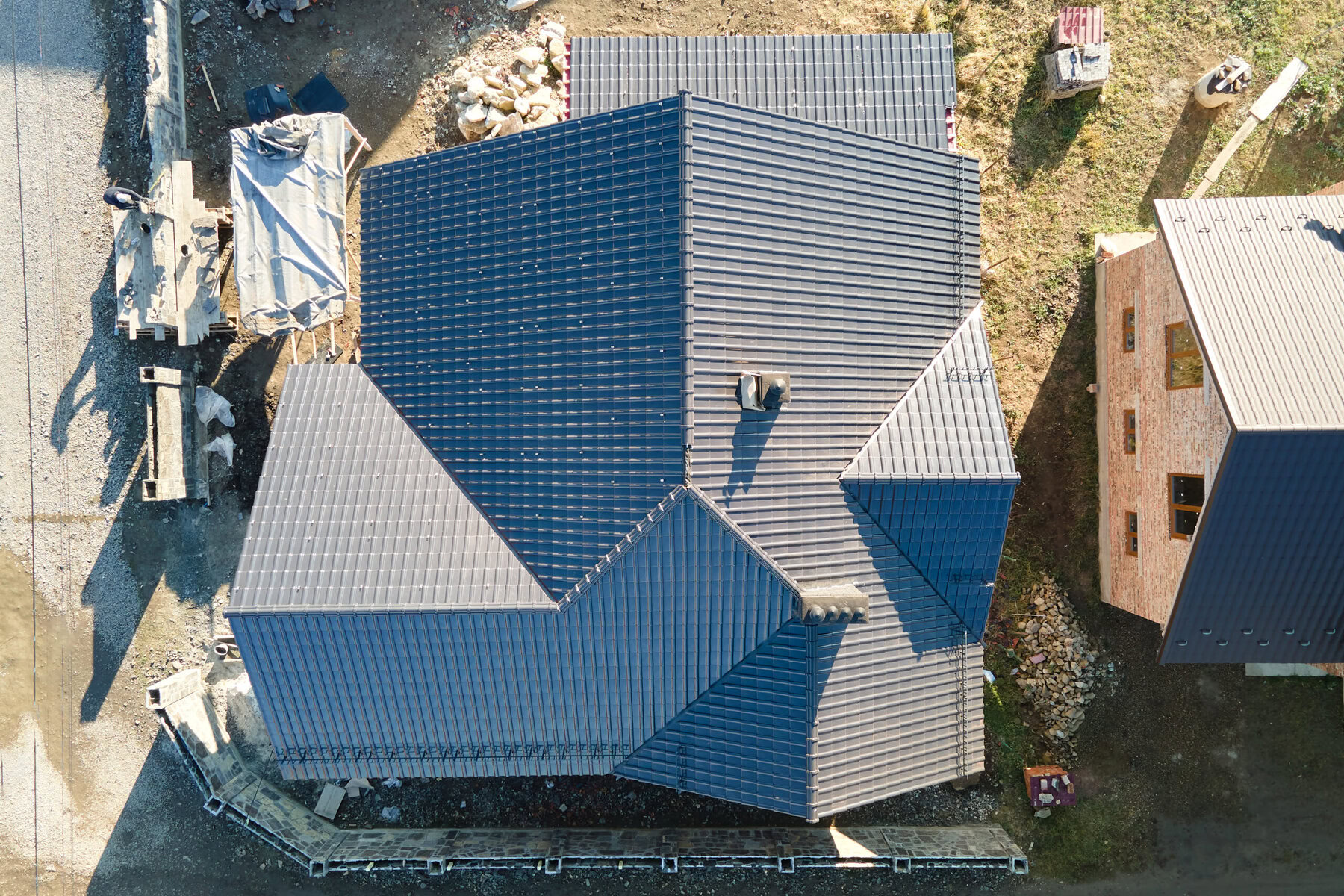
Let’s be honest, we’ve all stared at our roofs at some point and wondered, “What exactly is going on up there?” Is it quietly doing its job, or is it secretly plotting a leak right over your favorite armchair? We get it. As folks who’ve spent years in the Los Angeles roofing scene, we’ve seen it all—from the sublime to the, well, soggy. Today, we’re pulling back the curtain on everything above your head. Think of this as a friendly chat between enthusiasts, where we swap real talk about maintenance, repairs, and how to not get soaked by surprise costs.
Getting to Know Your Roof’s Personality
Every roof has a personality. Seriously. Some are low-maintenance and stoic, while others are dramatic and demand constant attention. Understanding what you’re working with is step one to a long, leak-free relationship.
The Major Roofing Types in Our Backyard
Los Angeles is a mosaic of architectural styles, and our roofs reflect that. Each material has its own quirks and care requirements.
- Asphalt Shingles: The classic workhorse. Affordable and reliable, but they can get brittle under our relentless sun.
- Tile Roofs (Clay & Concrete: The elegant, long-lasting choice. They’re fantastic for insulation but can be fragile if someone decides to go for a stroll up there.
- Flat/Membrane Roofs: Common for commercial roof maintenance and modern homes. They’re all about seamless protection but require specific roof coating services and drainage care.
- Metal Roofing: Increasingly popular for its durability and eco-friendly vibe. It sings in the rain and reflects heat like a champ.
Why Your Roof’s “Check-Up” Isn’t Optional
We know, scheduling a roof inspection sounds about as exciting as watching paint dry. But here’s the thing: it’s the single smartest thing you can do. Small issues are, almost always, affordable issues. A missing shingle or a tiny puncture in a flat roof is a quick fix. Ignore it, and you’re signing up for a full-blown residential roof repair or commercial roof repair project, complete with interior water damage. A pro roof repair specialist spots what you and I might miss. It’s the difference between a band-aid and surgery.
The Real Deal on Repairs vs. Replacement
This is the big question, right? When do you patch it up, and when do you start over? The cost anxiety is real.
Signs You Might Just Need a Repair
- A isolated leak after a rare heavy rain.
- A few cracked or missing shingles or tiles.
- Minor flashing issues around a chimney or vent.
- For tile roofs, tile roof repair is often a precise, localized fix. A good roofing company can replace individual tiles without redoing the whole system.
When Replacement Becomes the Conversation
- Your roof is older than the latest fashion trend (asphalt shingles past 20-25 years, tiles failing at the underlayment).
- You’re seeing widespread leaks or daylight through the boards.
- The decking (the wood underneath) is soft or rotten.
- Energy bills are spiking because your roof’s insulation value is shot.
Navigating the Price and Process Landscape
Alright, let’s talk numbers. We won’t give you generic quotes here—every project is as unique as your home—but we can demystify what goes into the price.
What Factors Into Your Estimate?
A reputable roof installation contractor or repair team will consider:
- Material & Scope: Are we fixing a valley or replacing 30 squares?
- Access & Pitch: Is your roof a steep, multi-story adventure? That affects labor.
- Permits: Ah, the beautiful bureaucracy of Los Angeles. Any roofing company worth its salt handles this for you.
- Unforeseen Issues: Once we peel back the layers, we might find decking that needs work. A transparent contractor communicates this immediately.
A Quick Guide to Roof Service Timelines
Ever wonder how long you’ll have a crew at your place? Here’s a rough, no-fluff breakdown.
| Service Type | Typical Duration | What’s Happening That Day |
|---|---|---|
| Standard Inspection | 1-2 Hours | Thorough visual check, drone imaging (if needed), report generation. |
| Tile Roof Repair | 4-8 Hours | Locating source, carefully removing/replacing tiles, checking underlayment. |
| Asphalt Shingle Repair | 2-6 Hours | Replacing shingles, sealing leaks, addressing flashing issues. |
| Full Roof Replacement | 3-7 Days | Tear-off, decking repair, underlayment, installation, cleanup. |
Why “Near Me” Matters More Than You Think
We get the instinct to just Google “roofing repair near me” and pick the top ad. But here’s our two cents: the nearest option isn’t always the best. You want a local team that understands our specific climate challenges—the UV degradation, the occasional Santa Ana winds, the rare but impactful downpour. A Los Angeles-based company like ours, California Green Roofing, lives and works under these same skies. We know which materials perform best here and how local building codes work. That local expertise saves you time, hassle, and money in the long run. When you need a roof service partner, you want someone who’s already in your neighborhood, not commuting from three counties away.
Prevention: The Secret Sauce of Roofing
Roofing maintenance is the ultimate “pay a little now, save a lot later” strategy. It’s not glamorous, but it’s genius. For us at California Green Roofing, a maintenance plan includes the boring but critical stuff: clearing debris from valleys and gutters, checking sealants, ensuring drains on flat roofs aren’t clogged, and looking for early signs of wear. This proactive approach is especially crucial for commercial roof maintenance, where downtime costs a fortune. Think of it as a gym membership for your roof—keeping it fit and healthy year-round.
Your Top Roofing Questions, Answered Straight
Let’s tackle some of the most common questions we hear, no jargon attached.
1. How often should I really get my roof inspected?
At least once a year, and always after any major weather event. Spring or fall are ideal. For older roofs or after those big winds, twice a year gives you serious peace of mind. It’s the cheapest insurance policy you’ll ever buy.
2. Can I just do repairs myself?
Look, we admire the DIY spirit. But IMO, roofing is a special beast. The risk of personal injury is high, and the risk of misdiagnosing a problem is even higher. What looks like a simple shingle fix might be a symptom of a ventilation issue. Sometimes, it’s best to let a roof repair specialist handle it. Safety first, right? 🙂
3. What sets one roofing company apart from another?
Beyond licenses and insurance (non-negotiables!), look for communication, warranties, and local reputation. Do they explain things clearly? Do they offer robust warranties on both materials and labor? Do they have verified reviews from people in your community? We built California Green Roofing on those pillars because that’s what we’d want for our own homes.
So, there you have it. Your roof doesn’t have to be a mystery or a source of stress. With a bit of knowledge and the right local partner, you can protect your biggest investment for decades. Whether it’s time for that annual check-up, you’re nursing a persistent leak, or you’re considering a full upgrade, we’re just a call away. After all, keeping Los Angeles dry, one roof at a time, is what we do best. Let’s keep the conversation going.