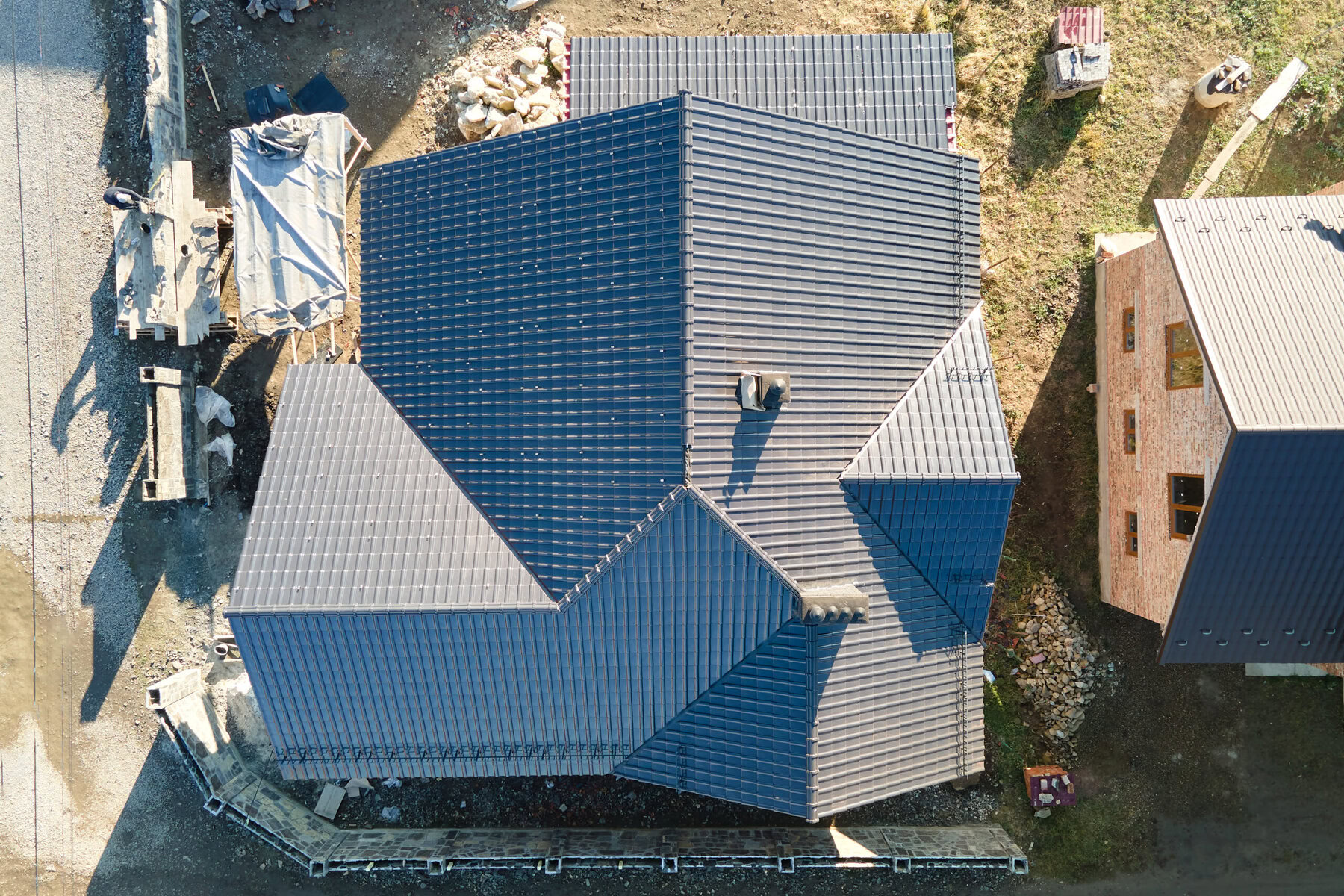
Asphalt shingles remain the most popular roofing material in the United States because they deliver the best balance of upfront affordability, design flexibility, and reliable protection. In 2026, three‑tab shingles cost roughly 70–100 dollars per square (100 sq ft) for materials alone, while dimensional architectural shingles run about 100–150 dollars per square, and premium designer shingles can exceed 200 dollars per square. A typical 2,000‑square‑foot home in Los Angeles will cost between 5,000 and 12,000 dollars for a complete asphalt‑shingle replacement. Architectural shingles are the sweet spot for most California homes: they carry wind ratings up to 130 mph, last 25–30 years, and come in dozens of colors that boost curb appeal. Choosing a licensed, Owens Corning‑certified contractor like California Green Roofing (CSLB #1100046) adds a warranty of up to 40 years, giving you peace of mind that your investment is protected.
Table of Contents
1. What Exactly Are Asphalt Shingles?
Asphalt shingles are manufactured by saturating a base mat — either organic (cellulose) or fiberglass — with asphalt and then embedding ceramic granules on the weather‑exposed surface. The granules shield the asphalt from ultraviolet (UV) radiation, add color, and provide a degree of fire resistance.
Fiberglass shingles: Lighter, more dimensionally stable, and have a higher fire rating (Class A). They now dominate the residential market.
Organic shingles: Heavier and more flexible, but less fire‑resistant and increasingly rare.
Because the composition uses a fiberglass mat, modern shingles require less asphalt to achieve the same strength, resulting in a lighter, thinner product that is easier to install and transport.
2. The Three Main Types of Asphalt Shingles
2.1 Three‑Tab Shingles — The Budget Baseline
Appearance: Flat, uniform, rectangular shape with two cut‑outs that create a repetitive pattern.
Lifespan: 15–20 years.
Wind rating: 60–70 mph.
Material cost: 70–100 dollars per square.
Best for: Entry‑level homes, rental properties, or homeowners who plan to sell within 5–10 years.
2.2 Architectural (Dimensional) Shingles — The Modern Standard
Appearance: Multiple layers bonded together create a three‑dimensional, wood‑shake look.
Lifespan: 25–30 years, with premium lines reaching 40+ years.
Wind rating: 110–130 mph (with proper installation).
Material cost: 100–150 dollars per square.
Best for: Most California homeowners seeking the optimal balance of cost, durability, and aesthetics.
2.3 Premium / Designer Shingles — Maximum Impact
Appearance: Mimics slate, cedar shake, or tile with deep shadow bands and multi‑color blends.
Lifespan: 30–50 years.
Wind rating: Up to 150 mph.
Material cost: 150–250+ dollars per square.
Best for: Luxury homes or homeowners who want top‑tier curb appeal and are willing to pay a higher upfront cost.
Comparison Table: Asphalt Shingle Types at a Glance
| Feature | Three‑Tab | Architectural | Premium / Designer |
|---|---|---|---|
| Material cost (per square) | 70 – 100 dollars | 100 – 150 dollars | 150 – 250+ dollars |
| Typical lifespan | 15 – 20 years | 25 – 30 years | 30 – 50 years |
| Wind resistance | 60 – 70 mph | 110 – 130 mph | Up to 150 mph |
| Thickness / Weight | Thin; approx. 200‑240 lbs per square | Medium; approx. 330‑450 lbs per square | Heavy; 450+ lbs per square |
| Aesthetic options | Limited color range, flat look | Wide color blends, wood‑shake shadow lines | Ultra‑realistic slate/wood mimics |
| Warranty (manufacturer) | 20 – 25 years | 30 years to limited lifetime | 50 years to limited lifetime |
| Best for | Tight budgets, short‑term ownership | Most California homes; best overall value | Premium curb appeal, long‑term investment |
Note: All costs are approximate material prices per square (100 sq ft) and do not include labor, underlayment, or tear‑off fees. Installed costs typically double the material price.
3. Real‑World Cost Breakdown for Los Angeles & Southern California
Homeowners in Los Angeles, Orange County, and the Inland Empire should budget for the full installed cost, not just materials.
| Cost Component | Estimated Range (2026) |
|---|---|
| Materials (architectural shingles) | 100 – 150 dollars per square |
| Tear‑off & disposal of old roof | 1,000 – 2,500 dollars (depending on size & layers) |
| Underlayment, flashing, vents | 500 – 1,500 dollars |
| Labor | 150 – 250 dollars per square |
| Total installed cost (2,000 sq ft home) | 5,000 – 12,000 dollars |
Factors that influence the final price:
Roof pitch (steeper roofs require more safety equipment and labor time).
Number of existing layers (California building code generally allows only one overlay; more than one requires full tear‑off).
Accessibility (two‑story homes, tight urban lots).
Choice of contractor (certified, insured professionals may charge more but include superior workmanship and warranties).
4. Durability: How Long Do Asphalt Shingles Really Last in California?
4.1 Manufacturer‑Rated vs. Real‑World Lifespan
Manufacturers typically warrant their shingles for 25 to 50 years, but real‑world performance depends heavily on climate. In Southern California’s dry, sunny environment, UV radiation is the primary aging factor, not rain or snow. Darker shingles absorb more heat, which accelerates asphalt oxidation and can shorten the effective life by 5–10 years. Proper attic ventilation is essential to keep shingles from overheating from the underside.
4.2 Wind Resistance
California’s Santa Ana winds can gust above 70 mph in foothill communities. Architectural shingles rated for 110–130 mph offer a critical safety margin. Installation matters: when nailed in the correct pattern and with the proper starter course, high‑wind shingles can withstand gusts that would peel off three‑tab products.
4.3 Impact & Fire Ratings
Fire rating: Fiberglass asphalt shingles are Class A (the highest), making them suitable for wildfire‑prone zones.
Impact rating: Some architectural and premium shingles carry Class 4 impact resistance, which can reduce insurance premiums in hail‑prone areas (e.g., inland valleys that occasionally see hail).
5. Beauty: Color, Style, and Curb Appeal for California Homes
5.1 Color Selection Strategy
California’s intense sun makes color choice more than an aesthetic decision. Lighter shades such as beige, light terracotta, and weathered gray reflect solar radiation, reducing attic temperatures and cooling costs. These “cool roof” colors are often preferred by energy‑conscious buyers and can increase resale value. Darker hues absorb heat and may accelerate shingle aging, but they remain popular for modern and craftsman‑style homes when paired with adequate ventilation.
5.2 Architectural Styles That Benefit from Asphalt Shingles
Spanish / Mediterranean: Select shingles with terra‑cotta tones to complement stucco exteriors.
Mid‑Century Modern: Charcoal or slate‑gray architectural shingles create a clean, minimalist look.
Craftsman / Bungalow: Multi‑tonal brown or cedar‑blend shingles enhance natural wood trim.
Ranch / Contemporary: Driftwood or pewter colors provide a neutral, updated appearance.
5.3 Algae Resistance
Coastal areas (e.g., Santa Monica, Long Beach) may experience algae staining, which appears as black streaks. Many architectural shingles now include copper‑infused granules that inhibit algae growth, keeping the roof looking clean for 10+ years.
6. Energy Efficiency and Cool Roofing
Asphalt shingles can be an energy‑efficient choice when you select the right product.
Cool‑roof rated shingles: Some manufacturer lines are ENERGY STAR® certified and use reflective granules that lower roof surface temperature by 30‑50°F.
Attic ventilation: A balanced intake‑and‑exhaust system (soffit vents + ridge vents) prevents heat buildup, protecting shingles and reducing air‑conditioning loads.
California Title 24 compliance: In certain climate zones, new roofing must meet minimum solar reflectance and thermal emittance requirements. Your contractor should verify that the chosen shingle meets local energy codes.
7. Installation: Why the Contractor Matters More Than the Shingle
Even the best shingle will fail prematurely if installed incorrectly. Key installation factors:
Nailing technique: Shingles must be nailed in the correct pattern with the right length and gauge of nail; over‑driving or under‑driving can lead to blow‑offs.
Starter course: A dedicated starter strip seals the edges and prevents wind uplift.
Underlayment: A high‑quality synthetic underlayment provides a secondary water barrier.
Flashing: Metal flashing around chimneys, vents, and skylights must be properly integrated with the shingle layers.
Why California Green Roofing?
California Green Roofing is a licensed, bonded, and insured contractor (CSLB #1100046) serving Los Angeles and surrounding counties. As an Owens Corning Certified provider, they offer warranties up to 40 years on durable shingle, flat, metal, tile, and composite roofing systems. Their locally owned team delivers free on‑site inspections, transparent estimates with no hidden fees, and a 100% satisfaction guarantee. With deep expertise in California’s unique climate, they ensure every asphalt shingle roof is installed to manufacturer specifications and local building codes.
8. Maintenance & Inspection Schedule
To maximize the life of an asphalt shingle roof, follow this proactive maintenance plan:
| Task | Frequency | Notes |
|---|---|---|
| Professional inspection | Every 2 years (residential); annually (commercial) | After severe wind or hail events, schedule an inspection immediately |
| Gutter cleaning | Twice a year (spring and fall) | Prevents water backup under shingles |
| Moss/algae treatment | As needed | Use a low‑pressure wash and approved cleaning solutions |
| Flashing check | During every inspection | Look for cracks, rust, or separation |
| Attic ventilation check | Annually | Ensure vents are unobstructed and airflow is balanced |
| Granule loss monitoring | During gutter cleaning | Excessive granules in gutters indicate advanced wear |
Signs that replacement is imminent:
Curling or cupping shingles
Bald spots (loss of granules)
Multiple leaks
Sagging roof deck
Age exceeding 20 years for three‑tab or 25‑30 years for architectural shingles
9. Frequently Asked Questions
9.1 What is the 25% rule in California roofing?
The 25% rule is a common guideline used by many local building departments. If more than 25% of a roof’s surface is replaced or repaired within 12 months, the entire roof must be brought up to current code, which often means a full tear‑off and replacement.
9.2 Can I install new shingles over old ones?
California building code generally allows one overlay (a second layer) if the existing roof is in sound condition. However, two layers are the maximum permitted. Most professionals recommend a full tear‑off for better inspection of the deck and longer‑term performance.
9.3 What is the cheapest time of year to replace a roof in Los Angeles?
Late fall and winter (November–February) are the off‑season for roofing. Contractors often offer lower rates to keep crews busy, but weather delays are possible. Always prioritize quality and proper installation over seasonal discounts.
9.4 How do I know if my insurance will cover a 20‑year‑old asphalt roof?
Insurance coverage for older roofs varies. Many insurers prorate coverage or exclude cosmetic damage once a roof passes 15–20 years. California Green Roofing can help you navigate the claims process; check their detailed guide: Will Insurance Cover a 20‑Year‑Old Roof in California?
9.5 Do lighter shingles really lower my energy bill?
Yes. Lighter‑colored shingles reflect more sunlight, reducing heat transfer into the attic. Studies show that cool roofs can lower peak cooling demand by 10–15%, which translates to noticeable savings on summer electric bills in Southern California.
10. Why California Green Roofing Is the Right Choice for Your Asphalt Shingle Roof
Licensed & insured: CSLB #1100046 — fully bonded for your protection.
Owens Corning Certified: Access to premium shingle lines and exclusive warranties up to 40 years.
Local expertise: Deep knowledge of Los Angeles, Orange County, and Inland Empire climate challenges.
Free on‑site inspections: No‑obligation assessment with transparent, line‑item estimates.
Full‑service offering: Residential and commercial roofing, including shingle, tile, metal, flat, and composite systems.
100% satisfaction guarantee: Every project is backed by a promise to get it right.
Ready to explore your asphalt shingle options? Contact California Green Roofing today for a free inspection and personalized recommendation that balances budget, beauty, and durability.
Sources & Further Reading
Bob Vila, “Asphalt Shingles 101” — overview of types, cost, and durability.
Wortham Brothers Roofing, “Which Shingle Should I Choose?” — detailed comparison of three‑tab, architectural, and impact‑resistant shingles.
Wilmington Roof Pro, “Roof Shingles Types and Prices” — cost per square and lifespan data.
California Green Roofing internal resources: How Often Does a Roof Need Replacement in California? and 10 Tell‑Tale Signs Your Los Angeles Home Needs a Roof Replacement.