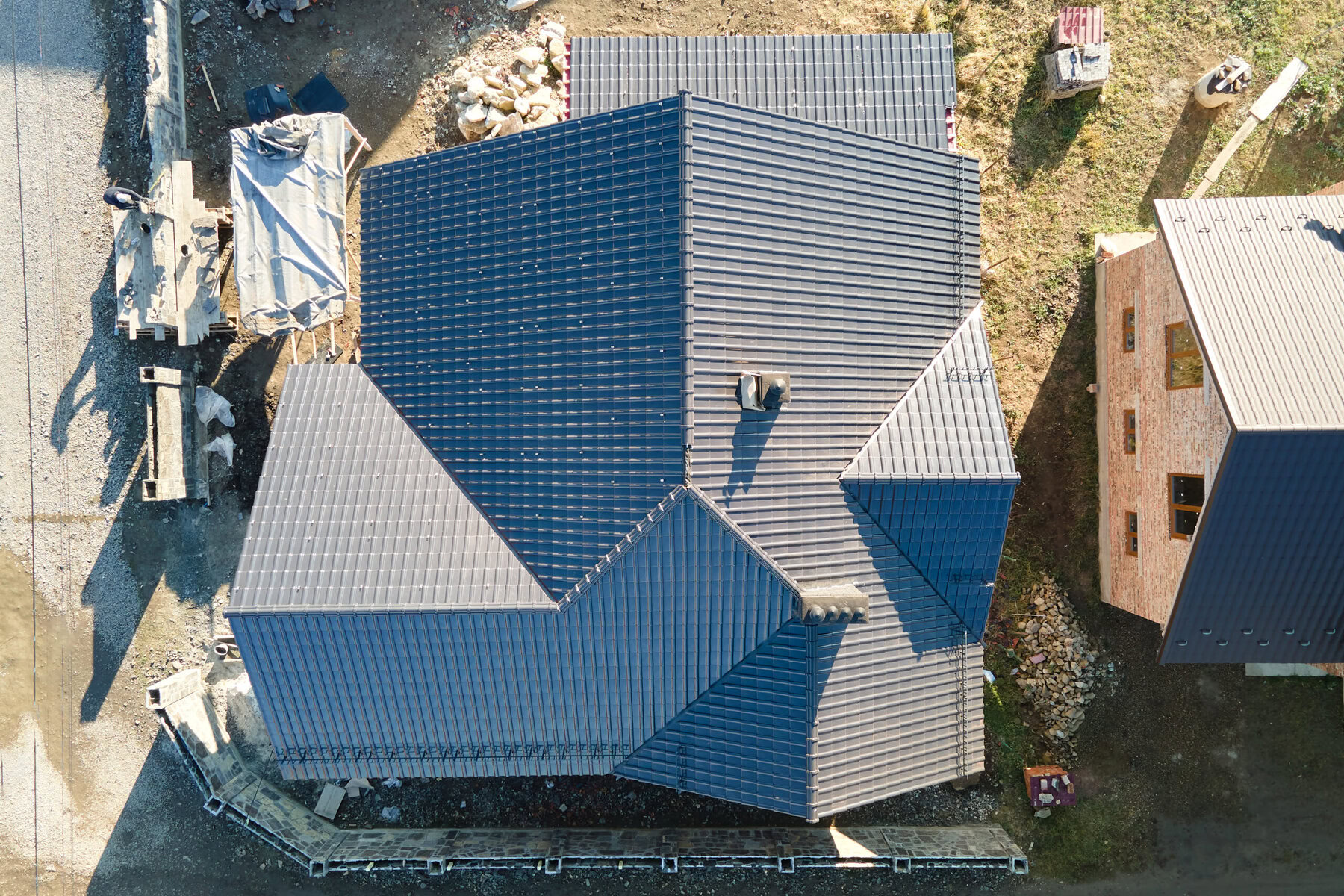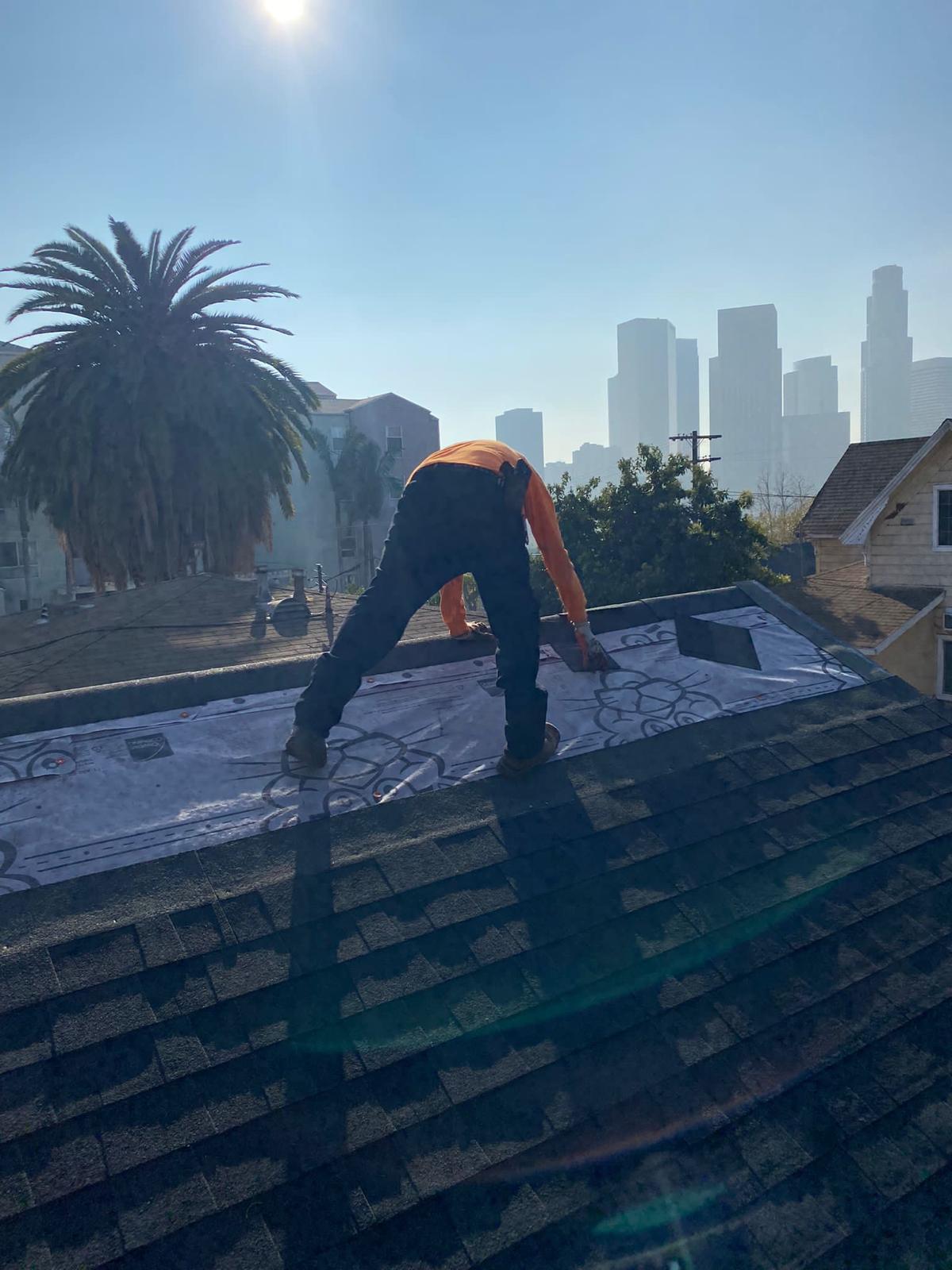
Let’s be honest, our roofs don’t get a lot of love until something goes wrong. We notice a leak, spot a missing shingle, or see a neighbor getting a gorgeous new installation, and suddenly we’re plunged into the confusing world of roofing services. What’s the difference between a repair and a replacement? How do you find a trustworthy roofing company in a sea of options? And what on earth does that price actually include?
Well, take a breath. We’ve been navigating these questions with homeowners and business owners in Los Angeles for years at California Green Roofing, and we’re here to have a real talk about it. Think of this as a chat over coffee, where we break down the jargon, share some insider perspective, and hopefully save you a headache or two.
Table of Contents
The Great Roofing Service Breakdown: More Than Just Fixing Leaks
When most folks hear “roof service,” they picture someone patching a hole. And sure, that’s a huge part of it! But the roofing world is way more nuanced, and understanding the categories helps you know exactly what you need (and what you’re paying for).
When Things Go Wrong: The Repair Side of the House
This is where the panic often sets in. A leak appears in your ceiling after a rare LA rainstorm, or you lose a few tiles in a Santa Ana wind event. This is the world of repairs.
Residential Roof Repair: Your Home’s First Line of Defense
For our homes, a roof repair specialist isn’t just a fixer; they’re a detective. The leak you see in your living room ceiling is rarely directly above the actual problem on your roof. Water travels. A true specialist tracks that path back to its source, which could be a compromised flashing, a cracked vent boot, or damaged shingles several feet away. The goal here isn’t just a quick patch; it’s a permanent solution that protects everything underneath. IMO, skipping a proper diagnosis to save a few bucks is the fastest way to a much bigger, more costly problem down the line.
Tile Roof Repair: A Specialized Art Form
Tile roof repair in Southern California is its own beast. Those beautiful clay or concrete tiles are fantastic for our climate, but they’re brittle. Walking on them incorrectly can cause more damage than the original issue. A quality repair involves carefully removing the broken tiles, checking the underlayment beneath (which is often the real culprit if water got in), and replacing them with tiles that match. It’s precise work, and not every general roofing repair crew has the right touch. We’ve seen too many “repairs” that end up looking like a mismatched quilt.
Commercial Roof Repairs: Keeping Business Running
For a business owner, a roof leak isn’t just an annoyance; it’s a threat to inventory, equipment, and operations. Commercial roof repairs need to be swift, effective, and cause minimal disruption. The materials and approaches here are different—think single-ply membranes, modified bitumen, or metal panels. The scale is bigger, and the stakes for proper commercial roof maintenance are high. A small, ignored issue on a vast flat roof can lead to massive interior damage and business interruption.
Playing the Long Game: Proactive Maintenance & Enhancements
Now, let’s talk about the smart stuff—the services that prevent those panic-inducing repairs altogether. This is where you actually save money, and we’re huge advocates for it.
The Lifesaver: Regular Roof Inspections
We cannot stress this enough: roof inspections are the best value in roofing, period. Having a professional eye on your roof every year or two (and after any major storm) catches minor issues before they become catastrophic. It’s like a dental cleaning for your house. We find loose fasteners, small cracks, clogged drains, and early wear-and-tear that most homeowners would never spot from the ground. It’s the cornerstone of any good roofing maintenance plan, whether residential or commercial.
Roof Coating Services: A Secret Weapon
This is one of our favorite affordable upgrades, especially for flat or low-slope roofs. A reflective roof coating service isn’t just a sealant; it’s a performance layer. It seals small imperfections, reflects solar heat (lowering your cooling bills—a big deal here in LA), and can extend the life of your existing roof by years. It’s often a fraction of the cost of a full replacement and can be a brilliant solution for aging roofs that are otherwise structurally sound. FYI, it’s a service we recommend a lot for our local commercial properties looking to improve efficiency.
The Big Project: Working with a Roof Installation Contractor
Sometimes, repairs and coatings aren’t enough. If your roof is at the end of its lifespan, a replacement is the only wise investment. Working with a seasoned roof installation contractor is a different ballgame than a simple repair. It involves:
- Material selection: From asphalt shingles to metal, tile, or modern synthetic options.
- Permitting: Navigating Los Angeles building codes (fun, right?).
- Project management: Coordinating tear-off, disposal, and installation.
- Warranties: Understanding both manufacturer and workmanship guarantees.
You want a team that handles this process seamlessly, not just a crew that shows up to nail down shingles.
Navigating the Practical Stuff: Cost, Choice, and Peace of Mind
Alright, let’s get to the questions that are probably bouncing around your head right now. How do you make sense of all this without getting overwhelmed?
Decoding the Investment: What Are You Really Paying For?
Let’s demystify price. It’s never just about the square footage. A quote factors in:
- Materials: Quality and type vary wildly.
- Labor: Expertise isn’t cheap, and you don’t want it to be.
- Scope of Work: A simple shingle repair vs. a full tear-off.
- Roof Complexity: Steep pitches, multiple levels, and intricate details add time.
- Access & Logistics: Can we park a truck near the house? Is it a tight urban site?
The goal is to find an affordable solution, but “affordable” should mean “good value for a quality, lasting job,” not “the cheapest possible.” The cheapest option often costs double in the long run. We’ve built our reputation at California Green Roofing on transparent, upfront quotes that explain every line item, so there are no surprises.
Your Checklist for Choosing the Right Partner
Don’t just Google “nearest roofing company” and pick the top ad. Here’s a quick, no-nonsense list to vet your potential roofer:
- Verifiable License & Insurance: This is non-negotiable. Ask for proof.
- Local Reputation: Read reviews, ask for references in your area. A company based in and familiar with Los Angeles understands our specific weather and code challenges.
- Detailed, Written Estimates: Avoid vague verbal quotes.
- Communication: Do they answer questions clearly and promptly? You’ll be working with them for a while.
- Warranty Details: Get them in writing. What’s covered and for how long?
Common Roofing Questions, Answered Straight
1. “How often should I really get my roof inspected?”
For most homes in Southern California, we recommend a professional inspection every two years. For commercial properties or older roofs, make it an annual habit. Always get an inspection after any significant weather event with high winds or hail.
2. “Can’t I just do repairs myself or hire a handy person?”
You can, but should you? For tiny, accessible issues, maybe. But roofing is dangerous work and improper repairs often void existing warranties and create bigger problems. What starts as a $200 handyman patch can easily become a $2,000 fix for water-damaged sheathing. A true roof repair specialist brings the right safety gear, training, and diagnostic skills.
3. “How do I know if I need a repair or a full replacement?”
This is the million-dollar question. Signs you might need a replacement include: your roof is over 20-25 years old (for asphalt), you have widespread leaks, you’re constantly repairing different areas, or you see significant sagging. A professional inspection is the only way to know for sure. We often give homeowners a prioritized report: “Fix these three items now, monitor these two, and start planning/budgeting for a replacement in 3-5 years.”
A Quick Guide to Roofing Service Types
Here’s a handy table to keep the different services straight:
| Service Type | Best For… | Key Consideration |
|---|---|---|
| Residential Roof Repair | Addressing specific, isolated damage like leaks or storm damage. | Finding the source of the leak, not just the symptom. |
| Tile Roof Repair | Homes with clay or concrete tile roofs suffering from broken or cracked tiles. | Specialized skill required to avoid damaging surrounding tiles. |
| Commercial Roof Repairs | Flat or low-slope roofs on business properties with punctures, seam failures, or ponding water. | Speed and minimal disruption to business operations are critical. |
| Roof Inspections | All properties. Proactive maintenance and pre-purchase evaluations. | Should be done by a certified professional, not just a salesperson. |
| Roof Coating Services | Extending the life of an older, sound roof, especially flat roofs, and improving energy efficiency. | Surface must be properly cleaned and prepared for coating to adhere. |
| Full Roof Installation | Roofs at end-of-life, with systemic failure, or for major remodels. | Your choice of roof installation contractor is the most important decision. |
Wrapping Up Our Chat
So, there you have it. Navigating roofing services is less about being an expert yourself and more about knowing enough to ask the right questions and choose a partner you can trust. It’s about understanding that a roof service can be anything from a preventative check-up to major surgery for your biggest asset.
Whether you’re dealing with an urgent leak, planning for the future, or just want the peace of mind that comes with a professional evaluation, the right local team makes all the difference. We’re obviously biased, but we believe that’s what we’ve built here at California Green Roofing. We’re not just a faceless roofing company; we’re your neighbors, tackling the same sun and wind you are.
If anything we’ve chatted about today resonates—especially if you’re in the LA area and need a clear, honest assessment—don’t hesitate to reach out. Sometimes, the best next step is just a conversation. Let’s keep your overhead exactly where it should be: over your head, quietly doing its job, so you don’t have to worry about it.