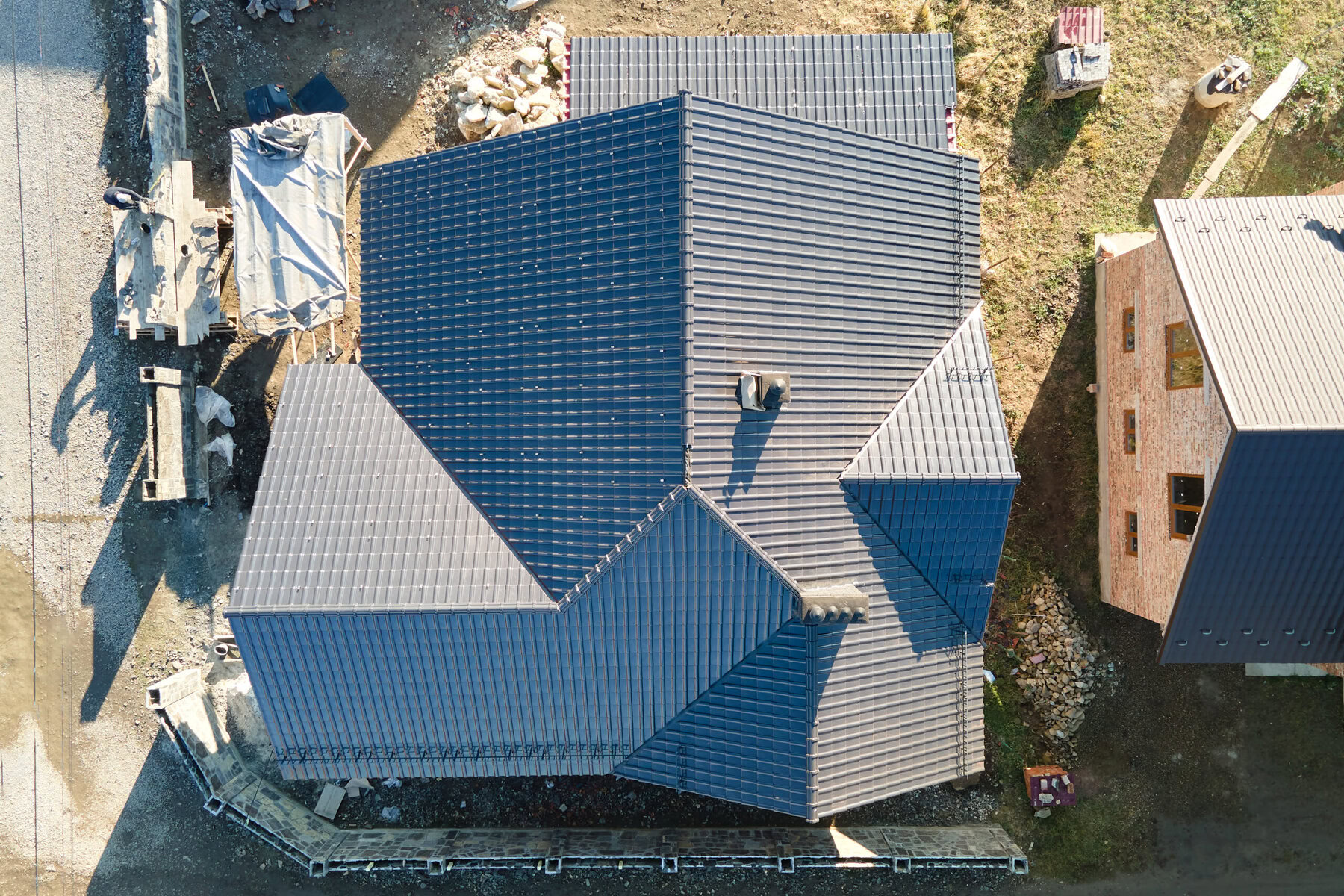
Let’s be honest, our roofs don’t get a lot of love until something goes wrong. We notice a leak, spot a missing shingle, or see our neighbor getting a gorgeous new installation, and suddenly we’re scrambling. But here’s the thing: your roof is more than just the thing that keeps the rain off your head. It’s your home’s first line of defense, a major player in your energy bills, and honestly, a huge part of your curb appeal. So, why do we treat it like an afterthought?
We’ve seen it all at California Green Roofing here in Los Angeles. From emergency calls after a big storm to planned upgrades that transform a property, the story is usually the same: a little proactive knowledge goes a ridiculously long way. So, grab a coffee, and let’s chat about what really matters up there. Consider this your friendly, no-BS guide to navigating the world of roofing without the headache.
Table of Contents
The Great Roofing Debate: Repair vs. Replace
This is the million-dollar question, isn’t it? Well, maybe not a million, but it sure can feel like it. Throwing a new roof on when a simple repair would suffice is like trading in your car because it needs new tires. On the flip side, constantly patching a roof that’s on its last legs is just throwing good money after bad.
How do we know which path to take? A professional roof inspection is non-negotiable. It’s the crystal ball that tells you your roof’s future. A good roof repair specialist won’t just look for problems; they’ll give you a realistic lifespan estimate and a clear cost-benefit analysis.
Here’s a quick, down-and-dirty checklist we use to frame the conversation:
- Age of Roof: Asphalt shingles often last 20-25 years in our sun. Tile can go 50+. If you’re near or past that lifespan, replacement talks should start.
- Extent of Damage: Is the issue isolated? A few damaged tiles or a small leak? Tile roof repair or targeted residential roof repair might be perfect. Is the damage widespread, with multiple leaks or pervasive wear? That’s a replacement signal.
- The “Band-Aid” Count: How many repairs have you already done in the last few years? If your roofer is on speed dial, it’s probably time.
- Your Long-Term Plans: Selling soon? A repair might suffice. This is your forever home? Investing in a new roof brings peace of mind and energy savings.
Breaking Down the Big “C”: Understanding Roofing Costs
Alright, let’s talk numbers. We know it’s the elephant in the room. The cost of any roof service can vary more than LA traffic. Asking for a generic “price” is like asking how much a car costs—it depends! But we can demystify the main factors.
For a New Roof Installation:
The biggest variables are size (obviously), materials, and labor complexity. A simple, single-story home is a different beast than a multi-story with a steep pitch and lots of angles. Material choice is the star of the show here.
For Roofing Repairs:
The price hinges on the repair type, accessibility, and material. A standard roofing repair for asphalt shingles differs from a tile roof repair, which requires specific skills to avoid breaking adjacent tiles. Commercial roof repairs often involve different materials (like TPO or EPDM) and safety protocols, impacting the cost.
To give you a clearer picture, here’s a basic comparison table. Remember, these are estimates—your specific situation will determine the final quote.
| Service Type | Typical Cost Range (Varies Widely) | Key Cost Factors |
|---|---|---|
| Residential Roof Replacement | Mid $xxxx – $xx,xxx+ | Square footage, roof pitch, material choice (asphalt, tile, metal), tear-off of old roof. |
| Residential Roof Repair | $xxx – $x,xxx+ | Type/extent of leak, repair material, labor time, accessibility. |
| Tile Roof Repair | $xxx – $x,xxx+ | Tile type (clay, concrete), number of tiles, underlayment damage, flashings. |
| Commercial Roof Maintenance | $xxx – $x,xxx (per visit) | Roof size, type, and the scope of the maintenance plan (cleaning, inspections, minor fixes). |
| Roof Coating Services | $x,xxx – $x,xxx+ | Roof size, coating type (elastomeric, silicone), surface preparation required. |
Finding an affordable option isn’t about chasing the lowest number—it’s about value. The cheapest estimate might mean cut corners, and a roof is not the place for that. IMO, a fair price reflects quality materials, insured and skilled labor, proper permits, and a solid warranty.
More Than Just Shingles: Services You Might Not Know You Need
When you think “roofing company,” you probably think installation and leak fixes. But a full-service contractor does so much more. These services can save you a fortune in the long run.
- Preventative Roofing Maintenance: This is the secret sauce. Think of it as a yearly physical for your roof. We catch small issues (cracked sealant, minor punctures, clogged drains) before they become catastrophic, interior-damaging leaks. For commercial roof maintenance, this is absolutely critical to protect your assets and operations.
- Roof Coating Services: Got a flat or low-slope roof? A reflective coating can be a game-changer. It extends the roof’s life, improves energy efficiency by reflecting sunlight, and can even resolve minor leak issues. It’s often a brilliant affordable alternative to a full replacement for suitable roofs.
- Specialized Repairs: Not all leaks are created equal. Issues around chimneys, skylights, or complex wall intersections require a roof repair specialist who understands flashings and details. It’s specialized work.
We offer all these services at California Green Roofing because we’ve learned that a one-trick pony doesn’t serve Los Angeles homeowners and business owners well. Your needs change, and your roofing company should be able to adapt.
Why Your Local Roofer is Your Best Bet (And What to Ask Them)
Look, the big national companies have their place. But there’s a huge advantage to working with a local roof installation contractor who knows our specific climate challenges—the intense UV sun, the occasional (but dramatic) rain, the Santa Ana winds. They understand the permit process in your city and can get to you quickly.
So, you’ve decided to call a local expert. How do you choose? Here are the questions we’d ask if we were in your shoes:
- Are you licensed, insured, and bonded for work in Los Angeles? (This is non-negotiable. Ask for proof.)
- Can you provide references from projects similar to mine? A good residential roof repair pro will have happy homeowners. A commercial roof repairs specialist should have business references.
- What is the detailed scope of work and warranty for both materials and labor? Get it in writing. Vague promises are a red flag.
- Who will perform the actual work—your crew or subcontractors? Knowing who’s on your roof matters.
- How will you protect my property and handle cleanup? A professional leaves your site cleaner than they found it.
Finding the nearest reputable contractor is easier than ever, but don’t just pick the top Google ad. Do a little digging. And hey, if you’re near the LA area, we at California Green Roofing would be happy to have that no-obligation conversation. We built our reputation on clear communication and quality work, and we’d love to earn your trust.
Your Roofing Questions, Answered (No Jargon, We Promise)
Let’s tackle some of the most common questions we get daily.
1. How often should I really get a roof inspection?
For most homes, we recommend a professional inspection every 2-3 years. After a major weather event (high winds, hail, heavy rain), it’s wise to get a check-up. For commercial roofs, annual inspections as part of a commercial roof maintenance plan are standard and smart. Think of it as cheap insurance.
2. Can I just do repairs or maintenance myself?
We get the DIY spirit, we really do. But from a safety and effectiveness standpoint, roofing is best left to pros. One wrong step can lead to a fall or cause more damage. Improper repairs often void manufacturer warranties. Our advice? Handle the gutter cleaning, but leave the roof work to a roof service company. Your future self will thank you.
3. What’s the biggest mistake you see homeowners make?
Waiting. It’s always waiting. A small leak seems manageable until you have stained ceilings, mold in your attic, and rotted decking. That “small” roofing repair just turned into a major rebuild of a roof section. Proactive care is always, always less expensive than emergency damage control. FYI 🙂
At the end of the day, your roof is a long-term relationship, not a one-night stand. It requires a bit of attention, the right partner for repairs, and a solid plan for its future. Whether you need a minor fix, a full replacement, or just a professional to tell you everything is okay, taking action is the key.
We hope this chat has pulled back the curtain on the roofing world a bit. It doesn’t have to be confusing or stressful. If anything here sparked a question about your own roof, don’t hesitate to reach out to a professional you trust. And if you’re in our neck of the woods, California Green Roofing is always here to provide honest advice and top-tier workmanship. Because a solid roof over your head? That’s the foundation for everything else.