Let’s be honest, our roofs don’t get a lot of love until something goes wrong. We notice a leak, spot a missing shingle, or see our neighbor getting a gorgeous new installation, and suddenly we’re scrambling. It’s a world of confusing terms, scary price estimates, and the big question: is this a quick fix or a sign of a bigger problem?
Well, take a deep breath. We’ve been navigating the wild world of Los Angeles roofing for years, and we’re here to have a real talk about it. Whether you’re dealing with a pesky leak, planning a major upgrade, or just trying to be a responsible building owner, understanding the landscape is half the battle. And FYI, it doesn’t have to be a painful process.
Table of Contents
Getting to Know Your Roof’s Language
First things first, let’s demystify some of that industry jargon. When you start calling around, you’ll hear a bunch of different titles. What’s the difference, and who do you actually need?
- Roofing Company: This is the broadest term. It’s the business that oversees your project. A good roofing company, like us at California Green Roofing, manages everything—from the initial inspection and estimate to the crew and the cleanup. We’re your single point of contact.
- Roof Installation Contractor: This specialist focuses on new builds or full replacements. They’re the experts in building a roof from the deck up, ensuring everything from underlayment to final shingles is perfect.
- Roof Repair Specialist: This is your go-to for fixes, not full replacements. A great specialist can pinpoint a leak’s true origin (which is often not directly above the drip inside your house, a fun quirk of physics) and perform a precise, lasting repair.
- Roof Service: This is a catch-all for maintenance, inspections, and minor repairs. It’s like a check-up for your roof.
Knowing this helps you ask the right questions from the get-go. Are you looking for a roof repair specialist for a specific issue, or do you need a full-service roofing company for a larger project? IMO, starting with a company that offers comprehensive roof inspections is always the smartest move. It gives you the full picture before any decisions are made.
The Repair vs. Replace Dilemma (It’s a Big One)
This is the million-dollar question, isn’t it? Figuring out whether to patch it up or start fresh. Let’s break down the signs.
When Repair Might Be the Hero:
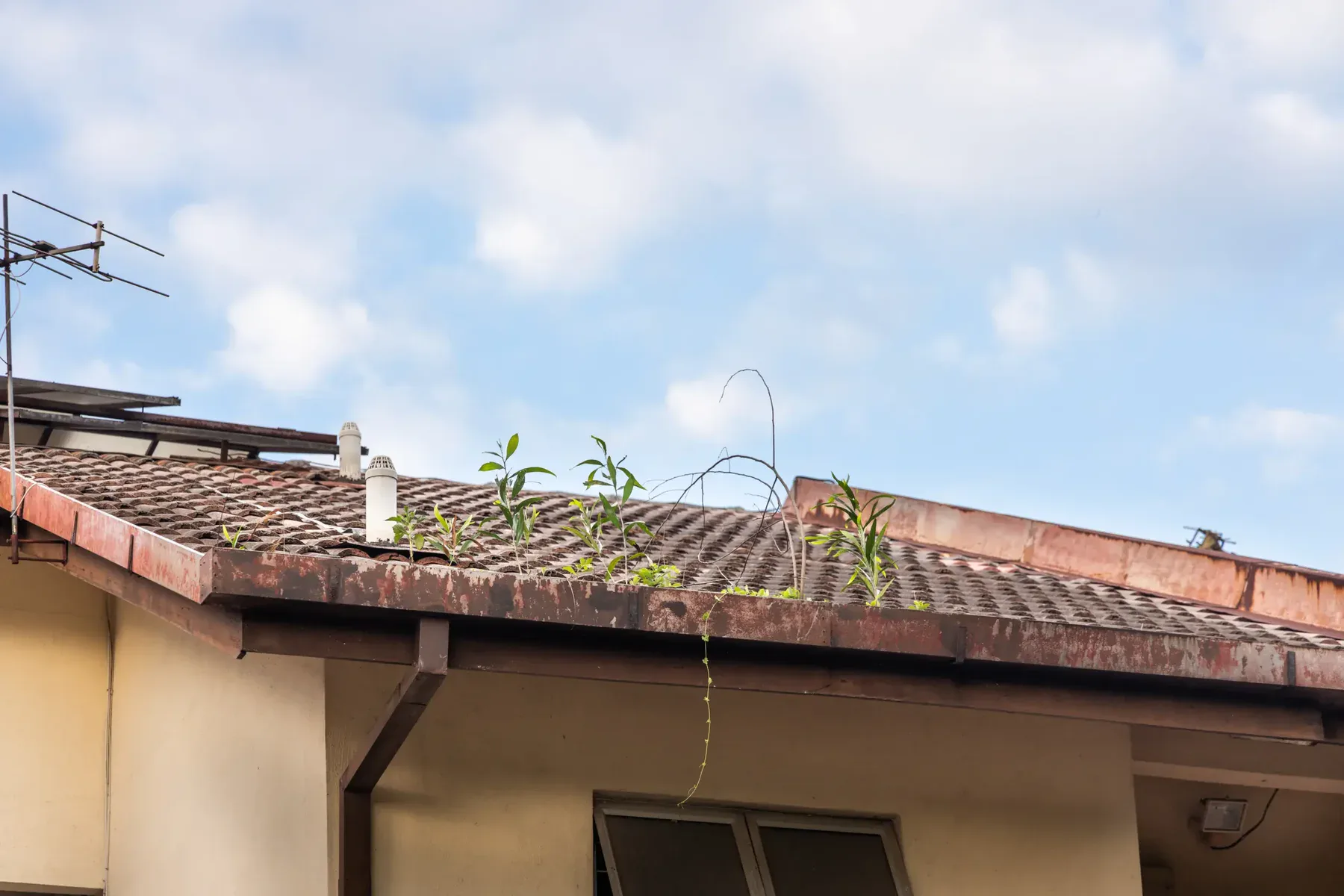
- Localized Damage: A few damaged tiles after a windstorm, a small leak around a vent pipe, or worn-out flashing. A targeted tile roof repair or residential roof repair can often solve this.
- Generally Sound Roof: If your roof is under 15-20 years old and has been well-maintained, a repair usually makes sense.
- Budget Constraints: Sometimes, a proper repair is the most financially sensible step to buy you more time.
When Replacement Waves the Red Flag:
- Widespread Issues: Multiple leaks, large areas of curling or missing shingles, or sagging.
- Age: Most roofing materials have a lifespan. If yours is near or past that age, constant repairs are just throwing good money after bad.
- Energy Efficiency: An old, inefficient roof can bake your attic in summer. A new installation with modern materials can seriously cut your cooling cost.
The truth is, only a thorough inspection can tell you for sure. We’ve gone out on calls where the homeowner was convinced they needed a new roof, but it was a simple flashing issue. We’ve also seen the opposite—what looked like a simple repair was actually the tip of a very expensive iceberg. A professional assessment removes the guesswork.
The Price Talk: What Are We Really Paying For?
Let’s address the elephant in the room: the cost. We get it, roofing isn’t a small line item. But understanding what drives the price helps you see the value, not just the number.
Major Cost Factors:
- Material: This is the big one. Asphalt shingles, tile, metal, slate—they all have wildly different price points and lifespans.
- Scope of Work: A residential roof repair on a single-story home is a different beast than commercial roof repairs on a large, flat warehouse.
- Labor Complexity: Steep pitches, multiple levels, and intricate architectural details require more time and skill.
- Underlayment & Accessories: The quality of the water and ice barrier, vents, and flashing matters immensely for long-term performance.
- Location & Accessibility: Is your property easy to access with a large truck? Or is it a tight, hillside lot? This affects logistics.
The goal should be finding an affordable solution that doesn’t sacrifice quality. “Affordable” shouldn’t mean “cheap and will fail in three years.” It means fair pricing for exceptional work that lasts. At California Green Roofing, we build transparent quotes so you know exactly where every dollar goes. No nasty surprises.
Maintenance: The Secret to Avoiding Catastrophe
We’re going to let you in on the biggest secret in our industry: roofing maintenance is everything. It’s the difference between a 30-year roof that lasts 30 years and one that fails in 15.
Think of it like changing the oil in your car. Neglect it, and you’re headed for a major, avoidable breakdown. For commercial roof maintenance, this is even more critical. A small issue on a large flat roof can lead to massive interior damage and business interruption.
A basic maintenance checklist looks like this:
- Biannual Inspections: Spring and fall are ideal. Look for cracked or missing materials, clogged gutters, and debris buildup.
- Keep It Clean: Gutters and drains must flow freely. Ponding water on flat roofs is a major enemy.
- Trim Overhanging Branches: They abrade surfaces and drop leaf litter that holds moisture.
- Post-Storm Checks: After big weather events, do a visual scan from the ground for obvious damage.
Proactive roof service plans are, frankly, a genius investment. They help us catch tiny issues before they become headline-worthy disasters. It’s the most affordable roofing decision you can make in the long run.
The Specialized Services You Might Not Know You Need
Beyond basic repair and replacement, some fantastic services can extend your roof’s life or boost its performance.
Roof Coating Services: This is a game-changer, especially for flat or low-slope commercial roofs. A high-quality reflective coating can seal small leaks, reflect UV rays (lowering building temps significantly), and add years of life. It’s often a brilliant alternative to a full tear-off.
Professional Roof Inspections: We mentioned this, but it deserves its own spotlight. Never let a roofing company give you a quote without a detailed inspection first. A proper inspection includes drone imagery, moisture scans, and a full report. This isn’t an upsell tactic; it’s the foundation of an honest recommendation.
To help visualize the journey, here’s a breakdown of a typical project flow with a full-service provider:
| Stage | What Happens | Why It Matters |
|---|---|---|
| Initial Contact & Consultation | You describe the issue or goal. We discuss scope, timing, and set an inspection. | Sets clear expectations and ensures we’re a good fit for your needs. |
| On-Site Inspection & Assessment | A specialist conducts a thorough visual and diagnostic inspection of your roof. | This is the most critical step. It uncovers the true condition and informs all recommendations. |
| Detailed Proposal & Scope of Work | You receive a transparent, line-item quote outlining materials, labor, timeline, and warranty. | No guesswork. You know exactly what you’re paying for and how long it will take. |
| Scheduling & Pre-Work Prep | We secure permits (if needed), schedule the crew, and deliver materials to your site. | Ensures a smooth start. Proper permitting is non-negotiable for compliance and safety. |
| Project Execution & Communication | The work begins! A project manager keeps you updated daily. The site is kept clean and safe. | Peace of mind. You’re never in the dark, and your property is respected. |
| Final Inspection & Cleanup | We do a final walkthrough with you, ensure your satisfaction, and leave the site spotless. | Your complete satisfaction is the final deliverable. Job isn’t done until you’re happy. |
Your Top Roofing Questions, Answered
We hear these all the time, so let’s tackle them head-on.
1. How do I find a reputable roofing company near me?
Look beyond the flashy ads. Check for:
- Local, Long-Standing Presence: A company like California Green Roofing, rooted in Los Angeles, understands local weather and building codes.
- Proper Licensing & Insurance: This is non-negotiable. Ask for proof.
- Detailed Warranties: They should cover both materials and workmanship.
- Transparent Reviews: Read detailed reviews on multiple platforms. Look for patterns in feedback.
2. Can’t I just do repairs myself to save money?
For very minor fixes like replacing a single shingle if you’re comfortable on a ladder, maybe. But for anything involving leaks, we strongly advise against it. Diagnosing the true source of a leak requires expertise. A DIY patch often just redirects water, causing hidden rot that becomes a far more expensive problem. Safety is also a huge factor—roof work is dangerous.
3. How long will a new roof installation actually take?
For a typical single-family home, a full replacement usually takes 2-5 days, depending on size, complexity, and weather. A major commercial roof installation can take weeks. The key is communication; your roof installation contractor should provide a clear timeline and stick to it as closely as possible. Weather, of course, is the one variable we can’t control 🙂
Wrapping This Up (Without Any Leaks)
So, there you have it. Navigating the world of roofs is about partnering with the right experts, asking the right questions, and understanding that an ounce of prevention is worth a pound of cure. Whether it’s a tile roof repair on your Spanish-style home or commercial roof repairs on your business, the principles are the same: quality materials, skilled craftsmanship, and clear communication.
Your roof is your first line of defense against everything the SoCal sky throws at it. Give it the attention it deserves. And if you’re ever feeling unsure, the team at California Green Roofing is just a call away. We’re here to make the whole process feel less like a chore and more like a smart investment in your peace of mind. After all, a solid roof over your head is what lets you sleep soundly during our next big rainstorm. And trust us, we’ll get one eventually.