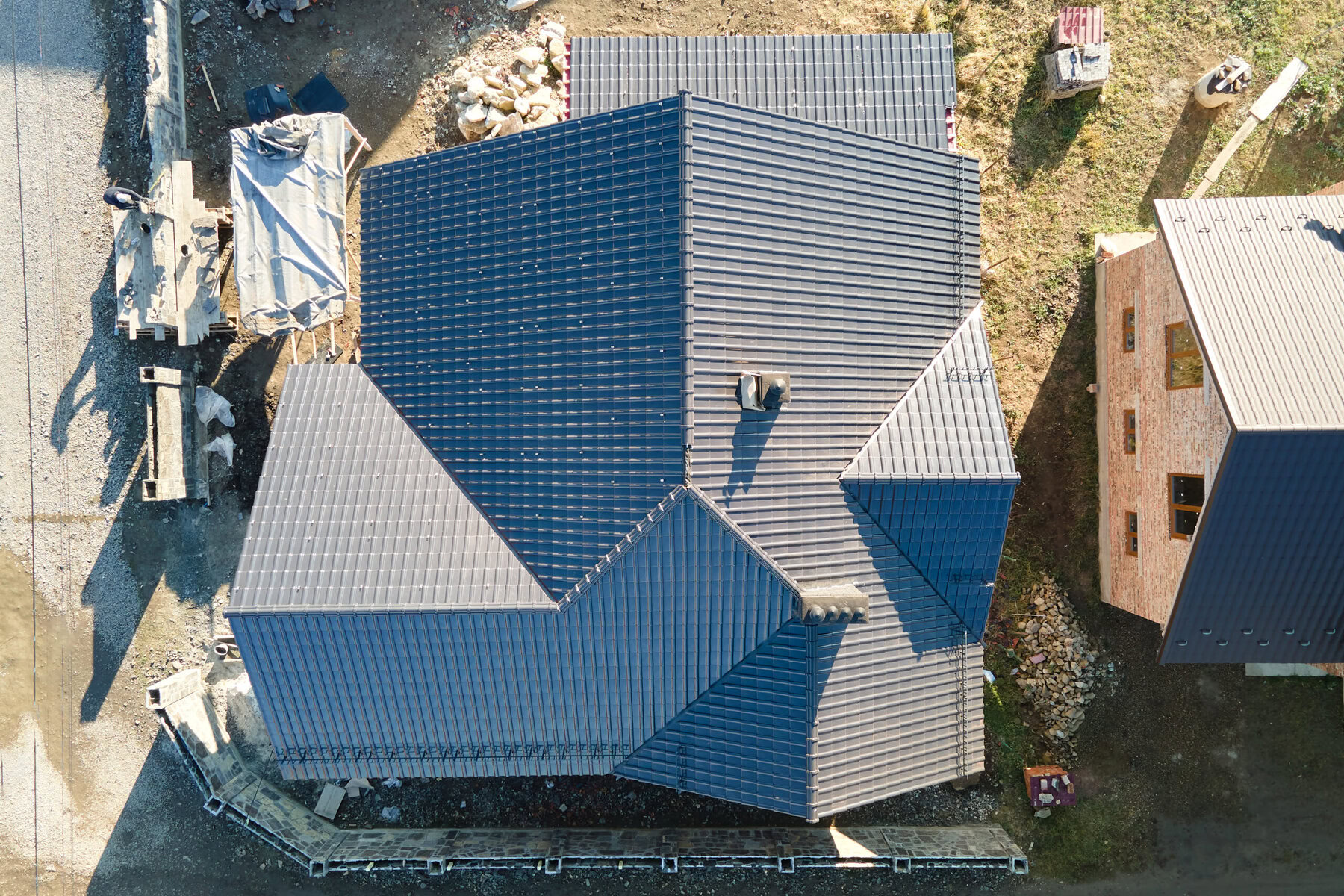
Let’s be honest, we’ve all stared at our roof at some point and wondered, “What exactly is going on up there?” Is it quietly protecting us, or is it secretly plotting a leak right over the living room sofa? We get it. Roofs are this massive, often forgotten part of our homes and businesses until, well, they very loudly remind us they exist. And when that happens in a place like Los Angeles, with our unique blend of sun, occasional rain, and yes, even the rare hailstorm, you need a strategy that’s more sophisticated than just hoping for the best.
That’s where we come in. At California Green Roofing, we’ve spent years not just fixing roofs, but understanding them. We want to pull back the curtain (or should we say, lift up the shingle?) on everything you need to know to make smart, confident decisions about your roof. Whether you’re dealing with a sudden leak, planning a replacement, or just trying to be a responsible property owner, consider this your friendly, no-jargon guide from a fellow enthusiast who’s been on thousands of roofs across this city.
Table of Contents
Your Roof Isn’t Just Shingles and Nails: It’s a System
We like to think of a roof as a living, breathing system. It’s not one single thing; it’s a team of components working together. When one player has an off day, the whole team suffers. Understanding this is the first step to avoiding major headaches (and wallet-aches) down the line.
The key players on Team Roof include:
- The Decking: This is the plywood foundation. It’s the solid surface everything gets attached to. If this gets soft or rotten, you’ve got a structural problem, not just a cosmetic one.
- The Underlayment: Think of this as the roof’s raincoat. It’s a water-resistant barrier that sits between the decking and the final roofing material. It’s your critical backup defense.
- The Flashing: This is the unsung hero! It’s the metal (usually aluminum or steel) installed in roof valleys, around chimneys, vents, and skylights—anywhere there’s a seam or protrusion. Most leaks we find during our roof inspections start at failed flashing, not in the middle of a shingle field.
- The Ventilation: Arguably the most misunderstood part. Your attic needs to breathe. Proper intake and exhaust ventilation prevent heat and moisture buildup, which can cook your shingles from below and lead to ice dams (yes, even in LA winters) or mold.
- The Roof Covering: The star of the show! This is the tile, shingle, metal, or membrane you actually see.
When we perform a roofing maintenance visit, we’re checking on the entire team, not just the star player. A small flashing issue we catch today prevents a major interior repair tomorrow. It’s that simple.
The Great Debate: Repair vs. Replace (And How to Tell)
This is the million-dollar question, isn’t it? Okay, maybe not a million, but a significant investment. The decision between roofing repair and a full replacement isn’t always clear-cut. Here’s our rule of thumb from the trenches.
When Repair is Your Best Friend:
- Localized Damage: A few missing shingles after a windstorm, or a leak isolated to one area around a pipe boot.
- Good Overall Roof Health: The roof is less than 15-20 years old (depending on material) and the rest of the system is sound. Our roof repair specialists can often perform a seamless fix.
- Budget Constraints: A high-quality, targeted repair from a trusted roofing company can buy you several more years to plan for a full replacement.
When It’s Time to Talk Replacement:
- Widespread Wear: Curling, buckling, or bald shingles (where the granules are gone) across more than 30% of the roof.
- Multiple Leaks: If you’re playing whack-a-mole with leaks in different areas, the system is failing.
- The Age Factor: Most asphalt shingle roofs have a 20-25 year lifespan. If yours is in that range and showing issues, continual repairs become a money pit.
- Sun Damage & Dry Rot: Our relentless LA sun is brutal. We see severe drying, cracking, and loss of flexibility, especially on older roofs.
The most accurate way to know? Get a professional assessment. A reputable roof installation contractor won’t push for a replacement if a repair truly suffices. At California Green Roofing, we give you the straight facts, the options, and the price projections for both paths. Our goal is to be your guide, not just a salesperson.
A Quick Guide to Common Roofing Materials in Our Backyard
Choosing a material isn’t just about looks; it’s about performance, weight, and, of course, cost. Let’s break down the common players in the Los Angeles area.
| Material | Typical Lifespan | Key Pros | Key Cons | Best For |
|---|---|---|---|---|
| Asphalt Composite Shingles | 20-30 years | Affordable, versatile, easy to install & repair. | Shorter lifespan, less energy-efficient. | Most residential roof repair projects and replacements where budget is a key factor. |
| Concrete & Clay Tile | 40-100 years | Incredibly durable, fireproof, iconic LA look, great insulation. | Heavy (requires strong decking), fragile to walk on, tile roof repair can be more specialized. | Homes with existing tile structure, those seeking longevity and classic aesthetics. |
| Metal Roofing | 40-70 years | Lightweight, fire-resistant, excellent for rainwater collection, modern look. | Higher upfront cost, can be noisy in rain (without proper decking), requires specialist for installation. | Contemporary homes, commercial roof repairs or retrofits, homeowners wanting longevity. |
| Single-Ply Membranes (TPO, EPDM) | 20-35 years | Seamless, excellent for flat/low-slope roofs, highly reflective. | Primarily for low-slope applications, can be punctured. | Commercial roof maintenance, flat sections on mixed-roof properties, very effective with roof coating services. |
IMO, there’s no single “best” material. It’s about what’s best for your building, budget, and style. We love helping folks walk through this exact comparison.
Proactive Care Beats Panicked Repairs Every Time
We’re going to let you in on the biggest secret in the roof service industry: The most affordable roof is a maintained roof. It’s not the sexiest topic, but skipping maintenance is like never changing the oil in your car and then being shocked when the engine seizes.
A solid roofing maintenance plan, especially for commercial roof repairs prevention, includes:
- Biannual Inspections: Once in late spring (post-rainy season) and once in fall (preparing for winter). We look for all the things we mentioned earlier—cracked flashing, damaged seals, granule loss, clogged drains.
- Keeping it Clean: Gutters, obviously. But also removing debris from roof valleys and surfaces. Standing debris holds moisture and accelerates wear.
- Trimming Overhanging Branches: Prevents physical damage and reduces leaf litter and animal access. It’s a simple thing your nearest handyman can often do.
- Post-Storm Checks: After any significant weather event, do a visual ground-level check for missing pieces or debris. If something looks off, call for a professional look.
This proactive approach is our bread and butter. Catching a small issue during a scheduled maintenance visit might be a $200 fix. Letting that same issue turn into a leak could mean a $2,000 residential roof repair plus drywall and insulation work inside. The math is pretty clear 🙂
Answering Your Top-of-Mind Roofing Questions
1. “How often should I really get my roof inspected?”
Twice a year is the gold standard. At minimum, once a year. Think of it as a physical for your house. Things change, materials weather, and seals dry out. Regular roof inspections by a trained eye are the single best way to extend your roof’s life and protect your investment. It’s a small cost for immense peace of mind.
2. “Can I just do repairs or maintenance myself?”
We admire the DIY spirit, truly. But here’s the blunt truth: roofing work is dangerous and easy to get wrong. Walking on a roof improperly can cause damage you don’t see. Using the wrong sealant or nail can void warranties. And missing the real source of a leak during a DIY tile roof repair is incredibly common. Some things are best left to pros with the right safety gear, training, and eyes for detail. Your safety and your roof’s integrity are worth it.
3. “How do I choose the right roofing company in a huge city like Los Angeles?”
Great question. Look for:
- Local & Established: A company with deep roots in the community, like California Green Roofing right here in LA, has a reputation to uphold.
- Proper Licensing & Insurance: This is non-negotiable. Ask for proof.
- Detailed, Written Estimates: The price should be clear, with a scope of work that explains what they’ll do and with what materials.
- Warranties: They should offer strong warranties on both materials and labor.
- Communication: Do they answer your questions clearly? You want a partner, not a vendor.
Wrapping It All Up (Without Any Leaks)
So, there you have it. Your roof is a complex, hardworking system that deserves more than just being ignored. Whether it’s time for a routine check, you’re nursing a persistent leak, or you’re contemplating a full replacement, the key is knowledge and a good partner.
We built California Green Roofing on the idea that this stuff doesn’t have to be mysterious or stressful. It’s just about honest conversations, expert work, and treating your home like it’s our own. We’re passionate about providing top-tier roof coating services, meticulous commercial roof maintenance, and dependable emergency repairs all across the Los Angeles area.
If any of this sparked a question, or if you’ve been putting off that weird stain on the ceiling, just reach out. Let’s get you a clear picture of what’s happening up there. After all, the best view of Los Angeles should be from your window, not through a hole in your roof.