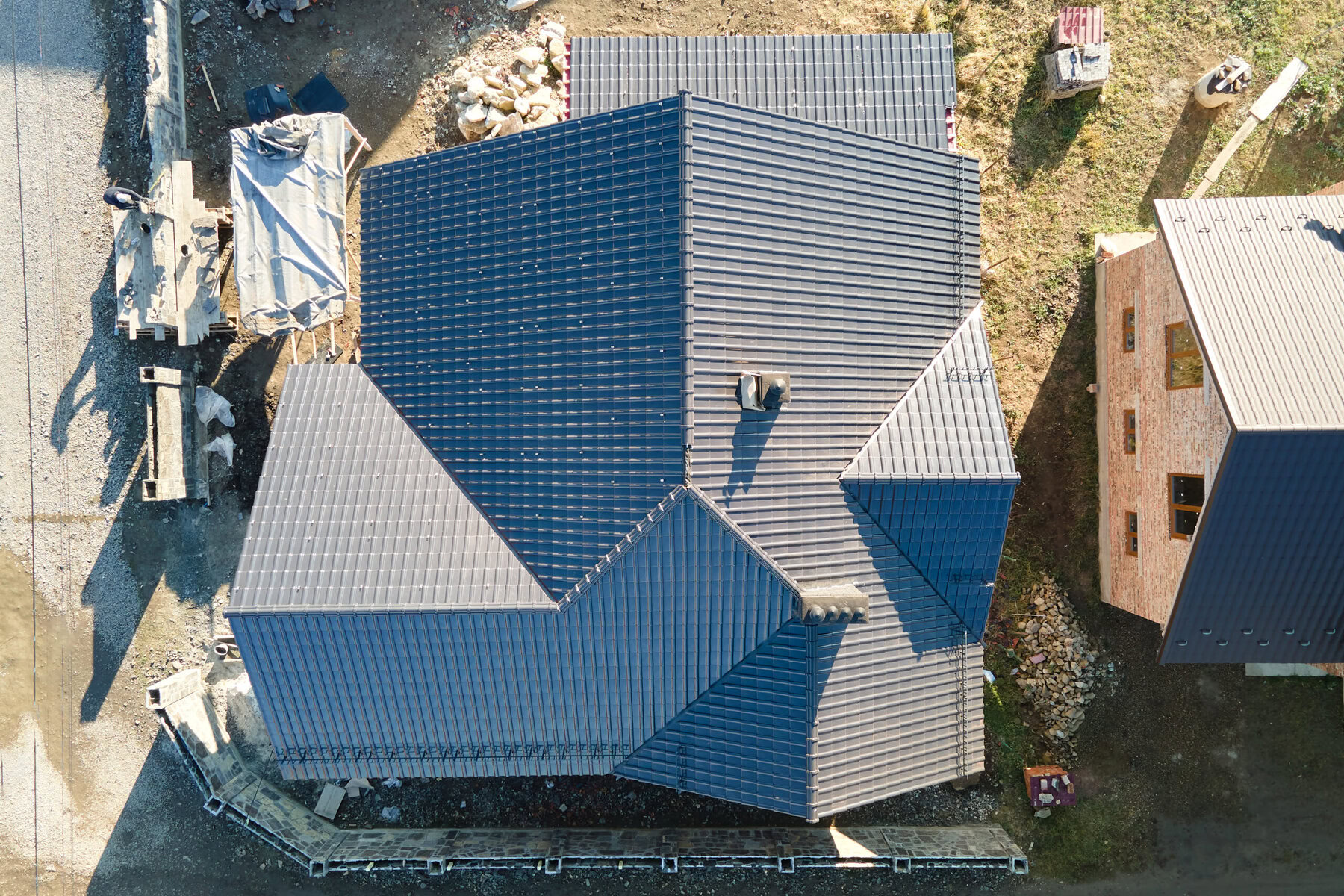
Let’s be honest, we’ve all stared at our roof at some point and wondered, “What exactly is going on up there?” Is it quietly protecting us, or is it secretly plotting a leak right over the living room sofa? We get it. As fellow homeowners and building managers here in sunny Southern California, we’ve had those same thoughts. That’s why we want to pull back the curtain—or should we say, lift up the shingle—on everything that makes a roof not just a cover over our heads, but a long-term, high-performing asset.
Think of this as a friendly chat between enthusiasts. We’ll skip the dry, technical jargon and talk about what really matters: keeping your home safe, your energy bills in check, and your property looking sharp, all without breaking the bank. And because we’re a roofing company right here in Los Angeles, we’ll share some insider perspective from the front lines of roofing repair and commercial roof maintenance. So, grab a coffee, and let’s get into it.
Table of Contents
What Your Roof Actually Does (It’s More Than You Think)
We often reduce a roof to its most basic function: keeping rain out. But up here in our climate, it’s a multi-tasking superhero.
- Weather Warrior: It’s not just about rain. It’s about reflecting that intense California sun, resisting Santa Ana winds, and even providing a bit of insulation on those surprisingly chilly nights.
- Structural Soulmate: Your roof is a key structural component. A compromised roof can lead to serious issues with walls, supports, and the overall integrity of your building.
- Energy Efficiency Boss: A well-maintained roof with proper insulation and reflective coatings can slash your cooling costs. In our book, that’s a win-win.
- Curb Appeal Champion: Let’s not pretend aesthetics don’t matter. A beautiful roof ties your whole property together. A worn-out one… well, it drags everything else down with it.
Ever wondered why your neighbor’s roof looks pristine after a decade while yours seems to be aging in dog years? The difference often boils down to proactive care versus reactive panic.
The Care & Feeding of a Healthy Roof: A Practical Guide
Okay, so we know our roof is important. How do we keep it happy? It’s less about grand gestures and more about consistent, smart habits.
First, Become a Ground-Level Inspector.
You don’t need to climb a ladder every weekend. Just take a walk around your property every few months and after any major storm. Look for:
- Missing, cracked, or curling shingles or tiles.
- Piles of granules in the gutters (a sign of aging asphalt shingles).
- Sagging areas on the roof plane.
- Rust, cracks, or damage on flashing around chimneys, vents, and skylights.
Second, Don’t Ignore the Attic.
This is your roof’s underside, and it tells no lies. Pop your head up there occasionally. You’re looking for:
- Stains or streaks on the underside of the roof deck.
- Daylight peeking through cracks.
- Proper ventilation (it shouldn’t feel like a sauna up there).
Third, Keep the Gutters Clean.
We know, it’s a chore everyone loves to hate. But clogged gutters cause water to back up under the roofing material. It’s one of the most common culprits behind leaks. Consider it a necessary evil, or, IMO, just hire it out.
When to Call in the Pros: Repair vs. Replace vs. Maintain
This is the million-dollar question, isn’t it? Here’s a straightforward way to think about it.
You Likely Need a Roof Repair Specialist When:
- You have a isolated leak.
- A few shingles or tiles blew off in a windstorm.
- The flashing around a pipe has corroded.
- For tile roof repair, specifically, you need someone who understands how to work with the system without causing more damage. It’s a specialty.
You Might Be Facing a Full Roof Installation When:
- Your roof is nearing or past its expected lifespan (20-25 years for asphalt, much longer for tile or metal, if maintained).
- You’re seeing widespread issues across multiple areas.
- You have recurring leaks that repairs just won’t solve.
- Major storm damage has compromised a large section.
The Golden Middle Ground: Proactive Roofing Maintenance
This is where the smart money goes. For both homes and businesses, scheduled roofing maintenance is the secret to longevity. A good roof service provider will offer maintenance plans that include regular roof inspections, cleaning, and minor repairs. It’s like a dental cleaning for your roof—prevents the need for a root canal later. For commercial roof repairs, this approach is non-negotiable; downtime costs way more than a maintenance contract.
Navigating the World of Roofing Services & Costs
Let’s talk about the elephant in the room: price. We hear you. Getting a new roof or a major repair is a significant investment. The key is understanding what drives the cost and how to find affordable value—which doesn’t mean cheap.
What Influences Your Roofing Project Cost?
- Size & Pitch: More square footage and a steeper pitch mean more labor and time.
- Materials: Asphalt shingles, tile, metal, and single-ply membranes (for commercial) all have different price points.
- Scope of Work: Are we stripping off old layers? Repairing decking? This adds to the project.
- Access & Complexity: A simple, single-story home is easier than a multi-story building with tricky angles.
How to Think About “Affordable”
The most affordable option is rarely the lowest upfront bid. A poorly installed roof will cost you double in repairs and early replacement. Look for value: quality materials, proven expertise, proper licensing and insurance, and a strong warranty. That’s the real definition of affordable in the roofing world.
To give you a clearer picture, here’s a breakdown of common roof service types and what they generally entail:
| Service Type | Best For | Key Considerations |
|---|---|---|
| Roof Inspection | Annual check-ups, pre-purchase of a home, after a storm. | A thorough inspector will provide a detailed report with photos, not just a quick glance. |
| Residential Roof Repair | Addressing specific, localized damage like leaks or missing shingles. | Ensure they color-match materials and address the root cause, not just the symptom. |
| Commercial Roof Repairs | Maintaining flat or low-slope roof systems on businesses. | Look for a contractor experienced with membranes, roof coating services, and minimizing business disruption. |
| Roof Coating Services | Extending the life of a commercial roof or a weathered asphalt shingle roof. | This is a fantastic restorative option that can boost reflectivity and seal minor issues. |
| Full Roof Replacement | A roof at the end of its life or with extensive damage. | This is a major project. Vet your roof installation contractor carefully—check reviews, past work, and warranties. |
Why Local Knowledge Isn’t Just a Buzzword
Here’s where we get to toot our own horn a bit. Working with a local Los Angeles company isn’t about civic pride alone (though we have plenty). It’s about practical expertise.
A roofer from, say, Seattle knows rain. A roofer from Florida knows hurricanes. We know the specific cocktail of challenges our Los Angeles roofs face: UV degradation from relentless sun, thermal expansion and contraction, wind, and the occasional surprising downpour. When you work with California Green Roofing, you’re getting a team that has diagnosed and fixed the exact issues your roof is likely to have. We know which materials perform best in our zip codes and how to install them to last. Plus, if you need us for roofing repair later, we’re your nearest partner, not a dispatch center three states away.
Your Top Roofing Questions, Answered
We hear these all the time, so let’s tackle them head-on.
1. How often should I really get a professional roof inspection?
For most homes, every two to three years is sufficient if your roof is in good shape and under 10 years old. Annually for roofs over 15 years old, and definitely after any major weather event. For commercial properties, semi-annual or quarterly inspections are standard as part of a commercial roof maintenance plan. It’s the single best way to catch small issues before they become budget-busters.
2. Can I just patch a leak myself?
You can try. And sometimes, for a very temporary fix, it might hold. But more often than not, the leak you see inside is feet away from the actual entry point outside. Without proper diagnosis, you’re just masking the problem and allowing water to damage wood, insulation, and drywall. Our advice? Leave it to a roof repair specialist. A pro fix might cost a bit now, but it saves a fortune later.
3. What’s the biggest mistake homeowners make with their roofs?
Procrastination. Hands down. We see it constantly. A small, affordable repair gets ignored because the leak stopped when the rain did. But that water damage is still there, working away. By the time it becomes a pressing issue, you’re looking at a major roofing repair or even a full replacement. A little proactive care goes a ridiculously long way. FYI 🙂
Wrapping It All Up
Look, we all want the same thing: a roof that does its job silently, efficiently, and for a long, long time. Achieving that isn’t about luck; it’s about informed attention and partnering with the right pros when you need them.
Start with those ground-level visual checks. Don’t ignore the signs. Invest in preventative maintenance—it’s the ultimate money-saver. And when it’s time for a repair or replacement, choose a local expert who understands the unique demands of living and building under the Southern California sun.
We built California Green Roofing because we believe in doing this right. We’re your neighbors, and we treat every roof like it’s our own. Whether you’re Googling “roof repair specialist near me” after spotting a leak, or you’re planning a proactive roof coating service for your commercial property, we’re here to help. Give us a call for a straightforward, no-pressure conversation. Let’s make sure what’s over your head is the last thing you ever have to worry about.