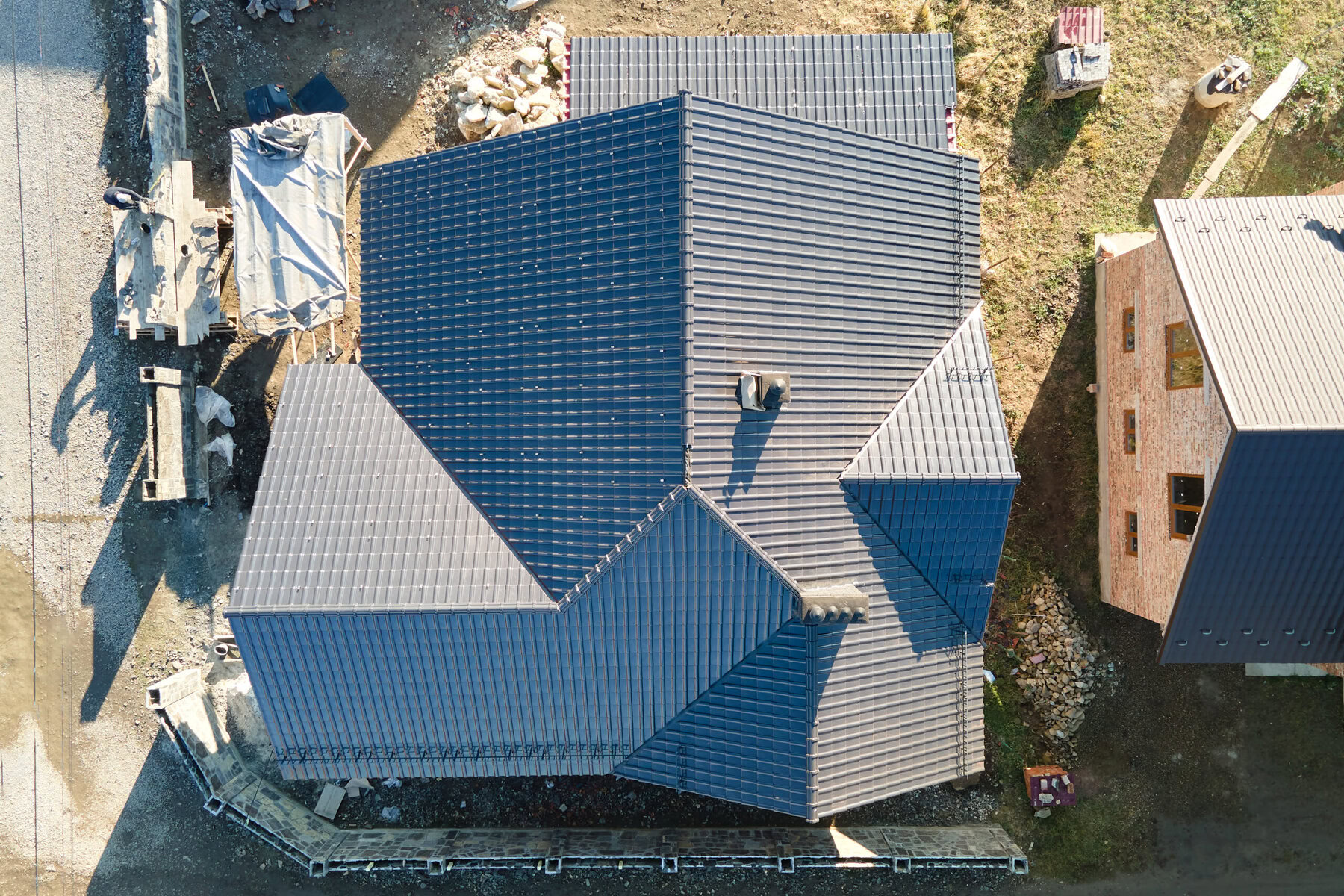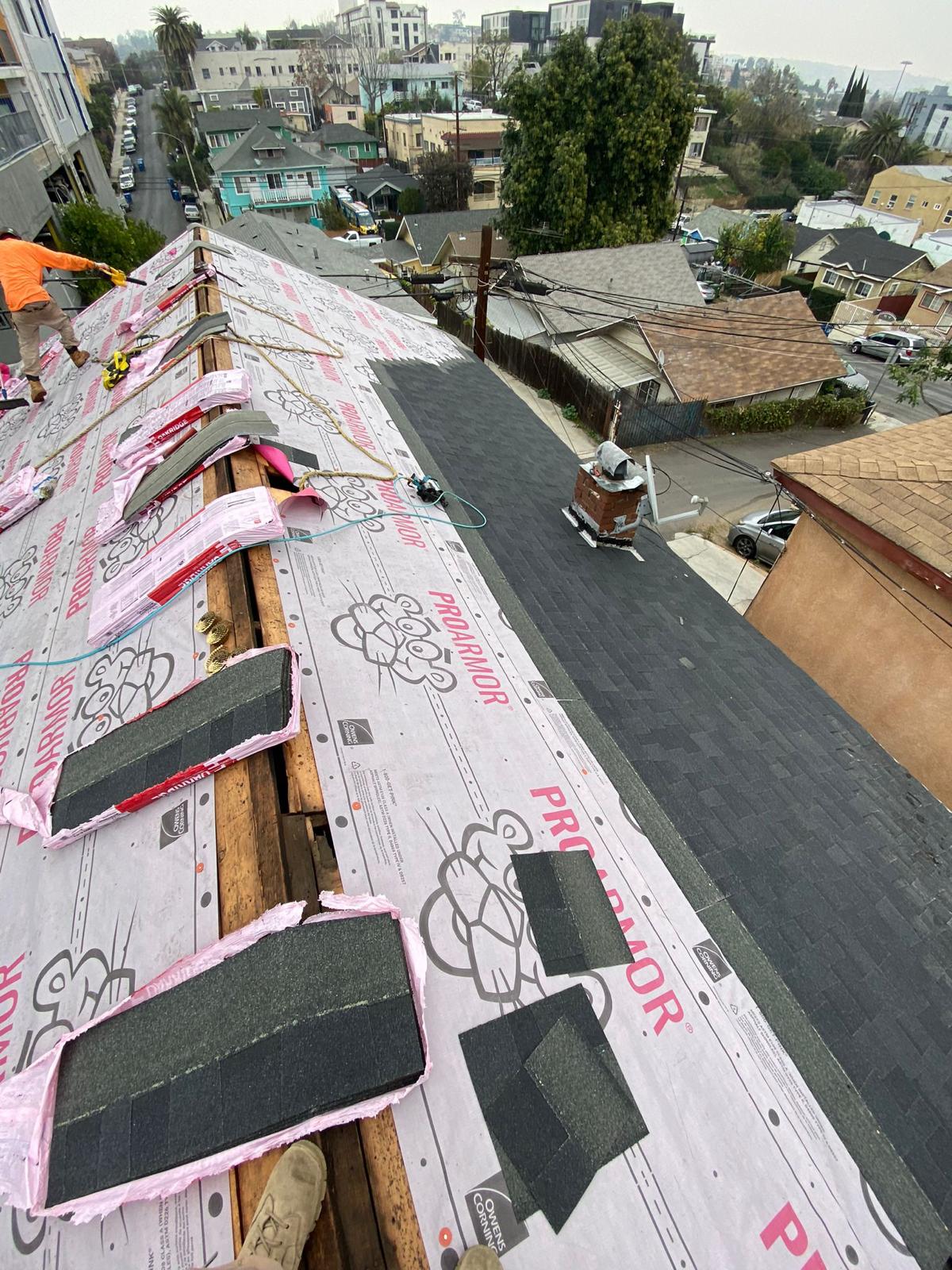
Key Takeaways: For most LA flat roofs, a properly installed modified bitumen system is a durable, cost-effective winner. The real choice isn’t just about the material—it’s about the installation method (torch-down, cold adhesive, or self-adhered) and the specific modifier (SBS or APP). Your roof’s condition, building codes, and even your contractor’s expertise are just as critical as the roll of membrane itself.
Let’s be honest, flat roofs in Los Angeles get a bad rap. Homeowners and business owners alike hear “flat roof” and think of leaks, constant repairs, and a short lifespan. We’ve sat across from enough anxious property owners in Silver Lake or worried facility managers in the Arts District to know the dread is real. But here’s the thing: that reputation often comes from failed systems or improper installations, not from the materials themselves. When we talk about a workhorse solution for our sun-baked, occasionally rain-dumped-upon roofs, modified bitumen consistently comes out ahead for its balance of durability, repairability, and cost.
So, what exactly is modified bitumen roofing?
In simple terms, it’s an evolved, tougher version of traditional asphalt roofing. Manufacturers take a sturdy fiberglass or polyester mat, saturate it with asphalt, and then mix in polymer “modifiers” to make it flexible, elastic, and resistant to the thermal shock our climate delivers. Think of it as the difference between old-fashioned tar paper and a high-performance, rubberized sheet. The result is a seamless, waterproof layer that can handle the expansion and contraction of a Los Angeles roof—from a 45-degree morning in January to a 105-degree afternoon in Woodland Hills.
The Core Choice: SBS vs. APP Modifiers
This is where your first major decision point lies, and it’s less about “better or worse” and more about “what’s the right tool for this job?”
- SBS (Styrene-Butadiene-Styrene): This modifier gives the asphalt rubber-like qualities. SBS membranes are highly flexible at low temperatures and have superior puncture and tear resistance. They’re also typically installed using cold adhesives or torch-down methods. If your roof has a lot of penetrations (pipes, vents) or complex angles, SBS is often the go-to for its workability. We find it’s a fantastic all-rounder for most residential and commercial applications here.
- APP (Atactic Polypropylene): This plastic modifier makes the membrane more fluid-resistant and increases its softening point, meaning it handles sustained heat extremely well. APP membranes are almost always torch-applied, which creates a very strong, monolithic bond. They can be a great choice for large, open, unobstructed roof areas where that heat resistance is a priority.
Here’s a quick, practical look at how they stack up:
| Consideration | SBS (Rubber-like) | APP (Plastic-like) |
|---|---|---|
| Best For | Roofs with many penetrations, lower slopes, areas needing high flexibility | Large, simple roof areas, maximum heat resistance |
| Installation | Cold adhesive, torch, or self-adhered | Primarily torch-applied |
| Flexibility | Excellent, even in cooler weather | Good, but can become stiffer in cold |
| Repairability | Very easy; patches fuse seamlessly | Repairable, but can be slightly less forgiving |
| A Common LA Concern | Handles thermal expansion/contraction cycles superbly. | Superior resistance to prolonged UV and heat degradation. |
The Installation Method Matters Just as Much
You can buy the best membrane on the market, but if it’s installed wrong, you’re in for a world of hurt. The method is dictated by the product, your roof deck, and fire/safety codes—especially in dense neighborhoods.
- Torch-Down: A crew uses propane torches to melt the underside of the roll, fusing it directly to the substrate and to the adjacent sheet. It creates an incredibly strong, monolithic seal. The big caveat: It requires a trained, certified crew. The fire risk is real (we’ve seen close calls with dry palm fronds in gutters), and it’s often prohibited on occupied buildings or those with combustible decks. It’s a fantastic method when conditions are perfect and the crew is expert.
- Cold Adhesive: A liquid adhesive is rolled or troweled onto the roof, and the membrane is set into it. It’s slower, less weather-dependent (no open flame), and generally safer. The bond is strong, but it relies heavily on proper adhesive application and is susceptible to installation errors like voids or inadequate coverage.
- Self-Adhered (Peel-and-Stick): The membrane comes with a factory-applied adhesive backing protected by a release film. You peel and roll. It’s becoming hugely popular for good reason: it’s fast, eliminates adhesive consistency issues, and has zero fire risk. The cost is higher per square, but the labor savings and consistency can make it a smart overall investment, particularly for DIY-inclined homeowners or sensitive sites.
Why Modified Bitumen Makes Sense for Los Angeles (And When It Doesn’t)
Our climate is uniquely punishing. Intense, year-round UV. Heat that turns a black roof into a griddle. Then, when it rains, it really rains. Modified bitumen stands up to this because:
- The mineral surface granules on most cap sheets reflect UV rays, extending life.
- Its flexibility prevents the cracking that brittle materials suffer from.
- When a leak does occur (from a puncture or failed flashing), repairs are straightforward—you can weld a patch right on.
But it’s not a magic bullet. We’ve advised clients against it when:
- The roof slope is too low for any membrane system (ponding water will kill anything over time).
- The substrate (the roof deck) is unsound or rotting. No membrane can fix a bad foundation.
- The aesthetic is a primary concern for a highly visible space; other systems might offer more color or texture options.
- The budget allows for a premium, fully adhered single-ply system like TPO or PVC, which can offer even greater reflectivity and chemical resistance for specific commercial uses.
The Local Realities You Can’t Ignore
Working on roofs from the older bungalows of Pasadena to the modern boxes in Culver City teaches you a few universal truths. First, permitting and code compliance in LA City vs. LA County can be a maze. A torch-down application that’s fine in one jurisdiction might require a special permit in another. A professional roofer navigates this daily. Second, access matters. Getting a 300-pound roll of membrane onto a third-story roof with limited alley access in Venice is a logistical puzzle that impacts method and cost. Third, the “while you’re up there” factor. A quality installer at California Green Roofing will always point out failing flashings, clogged drains, or compromised insulation. Addressing these during the installation is where the real longevity is won or lost.
A Final, Grounded Opinion
After installing and maintaining countless modified bitumen roofs, our stance is this: for the vast majority of flat and low-slope applications in Los Angeles, a properly specified and impeccably installed SBS or APP system is the most reliable, cost-effective choice you can make. The technology is proven, not proprietary. The repair methodology is universal. And when installed by a crew that understands how a roof system works as a whole—not just how to lay down sheets—it can easily deliver 20+ years of service.
The biggest mistake we see? Homeowners choosing a contractor based solely on the lowest bid for “modified bitumen roofing,” without specifying the modifier, the installation method, or the critical details like flashing details and warranty terms. The sheet goods are a commodity; the expertise is not. Your roof isn’t just a material. It’s a system installed in the real world, under the real sun, by real hands. Choose the hands as carefully as you choose the membrane.