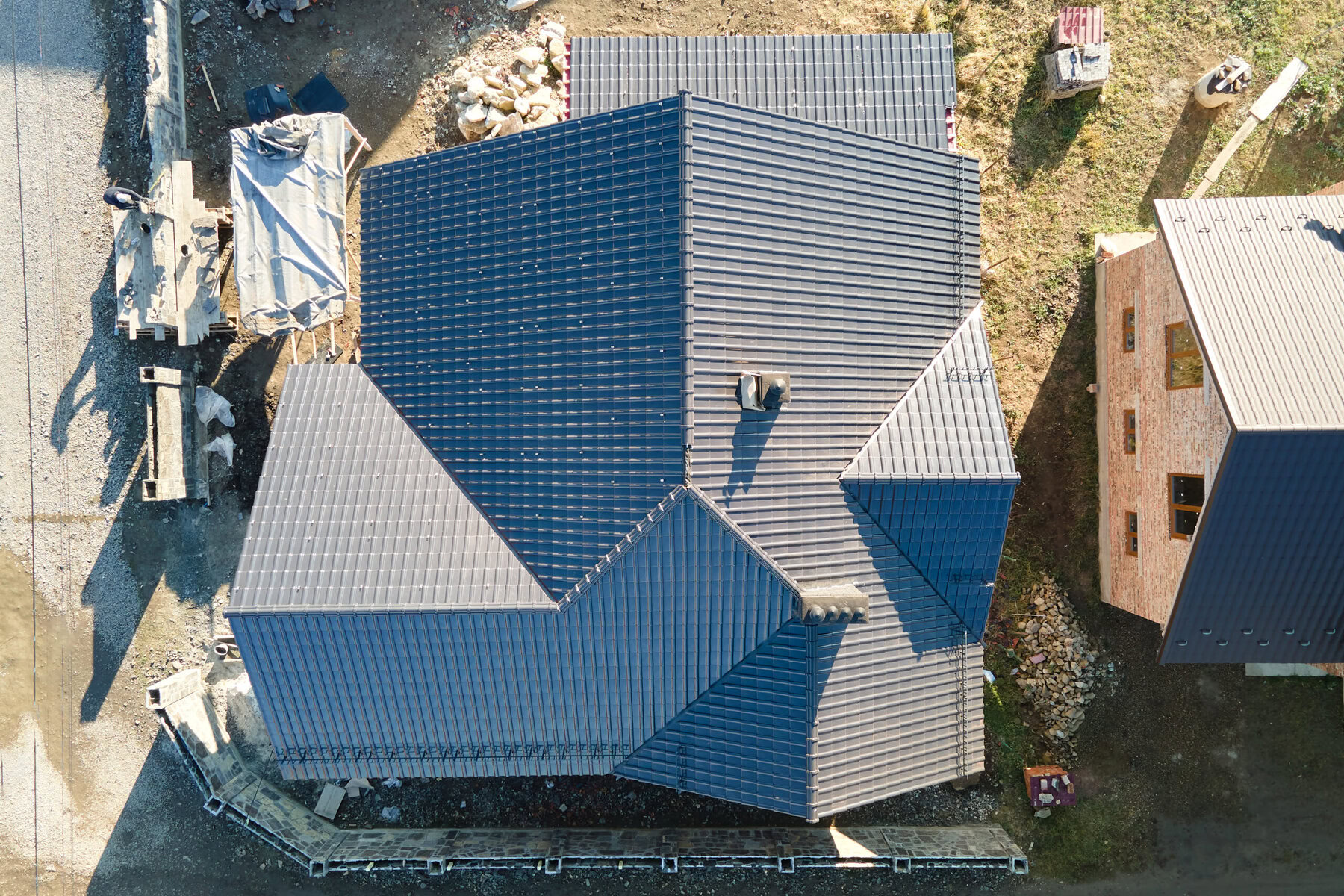
Ever looked up at your roof and thought, “You know, I really take that for granted”? We get it. Up until something goes wrong, our roofs are just… there. They keep the rain off our heads and the sun out of our eyes, asking for very little in return. But when a leak springs or a shingle goes AWOL, it suddenly becomes the most important part of our home. And let’s be honest, navigating the world of roofing can feel like trying to read a map in a language you don’t speak.
Well, consider us your translators. We’ve been in the roofing business here in Los Angeles for years, and we’ve seen it all—from the straightforward residential roof repair to the complex demands of commercial roof maintenance. We’re going to break down everything you need to know, from spotting trouble to choosing the right roof service, all in plain English. No jargon, no runaround. Just straight talk about what’s happening over your head.
Table of Contents
The Unseen Hero: More Than Just Shingles and Tar
We often joke that a roof is a bit like a good insurance policy—you’re really glad you have it when you need it. But what does it actually do? A roof is a complex system designed for one primary job: protection. But that protection goes far beyond just keeping you dry.
A well-maintained roof:
- Regulates your home’s temperature, keeping you cooler in our blistering LA summers and warmer during those surprisingly chilly nights.
- Protects your home’s structural integrity by preventing water damage that can rot wood, rust metal, and destroy insulation.
- Improves your air quality by stopping mold and mildew before they can get a foothold.
- Boosts your curb appeal and property value because, let’s face it, a shabby roof makes the whole house look tired.
When you start to see it as your home’s first line of defense, the importance of keeping it in fighting shape becomes a lot clearer.
Reading the Signs: Is Your Roof Trying to Tell You Something?
Your roof is pretty chatty, if you know how to listen. It gives off little signals long before a major problem forces your hand. Ignoring these is like ignoring a check engine light; it only gets more expensive.
The obvious cries for help are:
- Water stains on your ceilings or walls. This is your roof’s version of yelling. A leak is active, and you need a roof repair specialist pronto.
- Missing, cracked, or curling shingles or tiles. Especially for our beautiful tile roof repair projects, a single broken tile can be the weak link.
- Granules in your gutters. For asphalt roofs, those little black sand-like granules are the sun-protective coating. When they’re in the gutter, your roof is losing its sunscreen.
The subtle whispers are just as important:
- A sudden spike in your energy bills. This could mean your roof’s ventilation or insulation is compromised.
- Sagging areas. Run, don’t walk, to the phone if you see this.
- Light peeking through from your attic. This one’s a classic. If you can see daylight, you can definitely feel the elements.
Ever wondered why a small leak can turn into a financial nightmare so quickly? It’s not just the water; it’s where the water goes. It sneaks into insulation, drywall, and even framing, multiplying the cost of the eventual repair with every rainstorm. Catching things early is the ultimate money-saver.
The Repair vs. Replacement Conundrum: Making the Smart Call
This is the big question, and it’s where a professional roof inspection becomes priceless. As a general rule of thumb, if the damage is isolated and your roof is relatively young, a repair is your best bet. If the damage is widespread or the roof is nearing the end of its lifespan, replacement starts to make more sense.
When a Repair is Probably Enough:
- Damage from a single storm event affecting a small area.
- A leak that is isolated to one part of the roof.
- General wear and tear like a few missing shingles or some minor flashing issues.
When You Should Seriously Consider a Replacement:
- Your roof is over 20 years old (for asphalt) and showing widespread issues.
- You’re doing constant roofing repair year after year. At some point, you’re just throwing good money after bad.
- Extensive water damage or sagging is present.
How do you know for sure? You get a professional opinion. A good roofing company won’t try to sell you a new roof if you don’t need one. At California Green Roofing, our inspections are always honest. We’ll give you the straight story on what you’re facing, the price range for both options, and our professional recommendation. No upsells, no scare tactics.
A Quick Guide to Common Roofing Issues in LA
| Issue | Common Signs | Typical Repair Needed | Why It’s a Problem in LA |
|---|---|---|---|
| Sun & Heat Damage | Curling/brittle shingles, faded color, high energy bills. | Roof coating services to reflect UV rays, or section replacement. | Our intense, year-round sun literally bakes roofs, degrading materials faster than in milder climates. |
| Tile Damage | Cracked, slipped, or missing clay or concrete tiles. | Tile roof repair by a specialist to carefully replace and re-seal. | Tile roofs are beautiful and durable, but they are not immune to weather or, ahem, a stray football. |
| Flat Roof Leaks | Persistent pooling water, bubbling on the surface, interior leaks. | Commercial roof repairs often involve membrane patching or a full re-cover. | Very common for commercial roof maintenance, but also on many modern homes. Poor drainage is the enemy. |
| Flashing Failure | Leaks around chimneys, vents, or skylights. | Re-caulking or replacing the metal flashing strips. | Flashing is the sealant for roof protrusions. When it fails, water has a direct path inside. |
Your Roof’s Safety Net: The Magic of Proactive Maintenance
We get it. Scheduling roofing maintenance is about as exciting as getting a teeth cleaning. But, much like avoiding the dentist, skipping it only leads to more pain (and a much bigger bill) later. Think of it as a regular health check-up for your biggest asset.
A solid maintenance plan from a trusted roof installation contractor or service provider involves:
- Bi-annual inspections: Once in the spring and once in the fall is ideal.
- Gutter cleaning: Clogged gutters cause water to back up under the roofing materials.
- Debris removal: Leaves and branches trap moisture and can lead to rot.
- Checking and sealing flashings: The most common point of failure.
For our commercial roof maintenance clients, this is non-negotiable. A small issue on a large commercial roof can lead to business interruptions, damaged inventory, and monumental repair costs. A little preventative care is wildly affordable compared to the alternative.
Your Top Roofing Questions, Answered
We hear these all the time, so let’s tackle them head-on.
1. How much does a new roof actually cost?
This is the million-dollar question, but sadly, there’s no one-size-fits-all answer. The price depends on the size of your roof, the materials you choose (asphalt shingles, tile, metal, etc.), and the complexity of the job. IMO, anyone who gives you a firm quote over the phone without seeing your roof is someone to avoid. The only way to get an accurate cost is with an on-site inspection.
2. How do I find a reputable roofer near me?
“Find a roofer near me” is a great start, but you need to dig deeper. Look for a roofing company with:
- Strong, verifiable reviews and testimonials.
- Proper licensing and insurance (this is non-negotiable).
- A physical address. You’d be surprised how many “companies” are just a guy with a truck and a phone.
- A willingness to provide a detailed, written estimate.
When you search for the nearest or best roofing company, we’re confident California Green Roofing will stand out. We’ve built our reputation here in Los Angeles one satisfied customer at a time.
3. Can I just do the repair myself?
For tiny fixes, maybe. But for anything involving height, water, or structural integrity, we strongly advise against it. Roofing is dangerous work. What looks like a simple leak can be the symptom of a much larger problem that a professional will spot. A DIY job can often void material warranties and lead to more extensive damage, costing you far more in the long run. Sometimes, it’s best to leave it to a roof repair specialist. 🙂
Why Your Choice of Roofer Matters More Than You Think
Choosing the right team isn’t just about the price; it’s about peace of mind. A quality roof service means quality materials, skilled craftsmanship, and, crucially, a warranty that actually means something. You’re not just paying for labor; you’re paying for expertise.
A great roofing partner will:
- Communicate clearly and consistently throughout the project.
- Protect your property like it’s their own.
- Clean up thoroughly when the job is done.
- Stand behind their work with a solid guarantee.
This is the standard we hold ourselves to at California Green Roofing. We know that trust is earned, not given, and we work every day to earn yours. Whether it’s a simple residential roof repair or a major commercial roof repairs project, our approach is the same: do the job right, the first time.
So, the next time you look up and wonder, you’ll know what to do. Listen to what your roof is telling you, don’t ignore the small stuff, and when it’s time for professional help, choose a team that treats your home like it’s their own. And if you’re in the Los Angeles area and need a trusted partner, you know who to call. FYI, we’re always here for a no-obligation chat and inspection. Let’s keep your shelter strong.