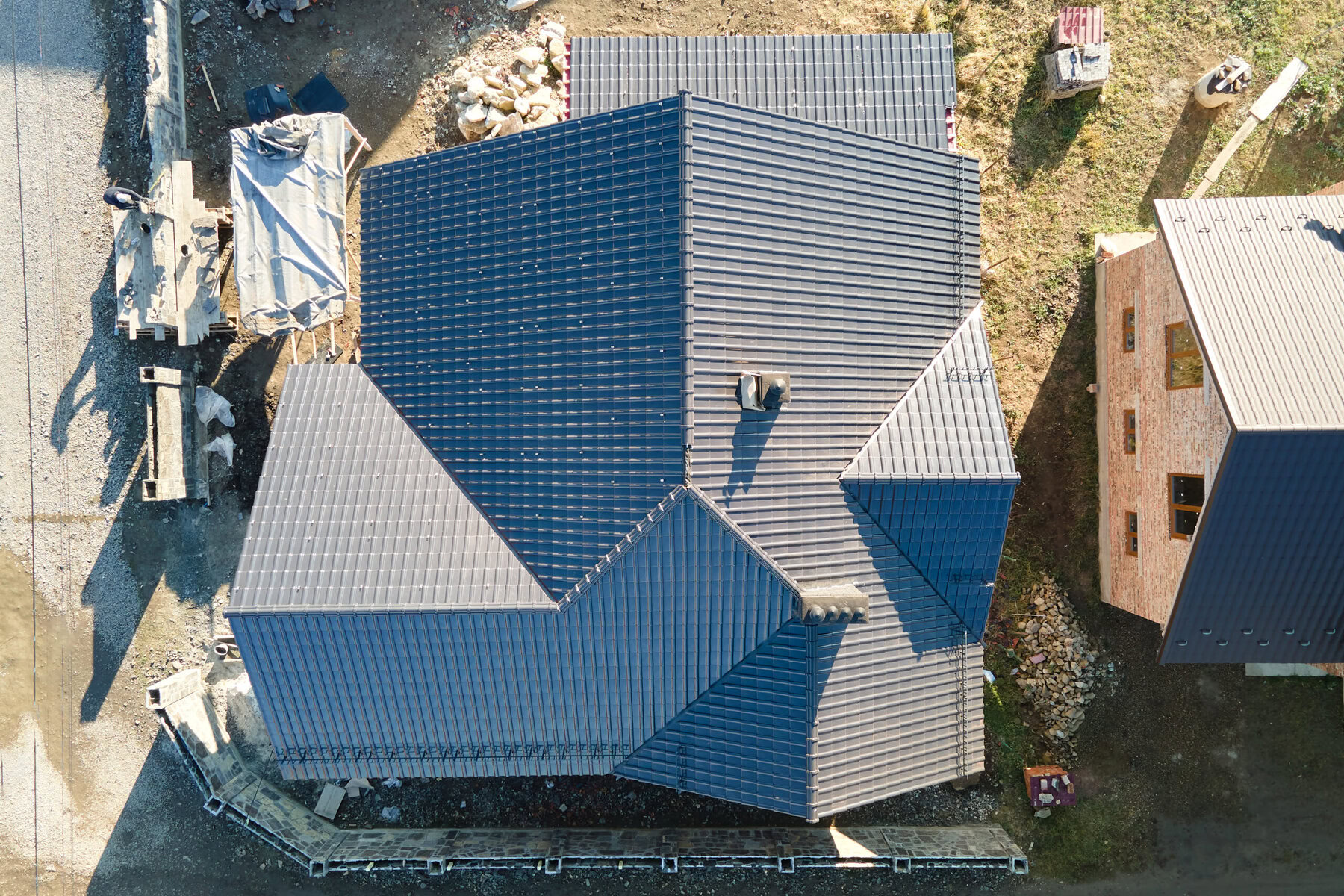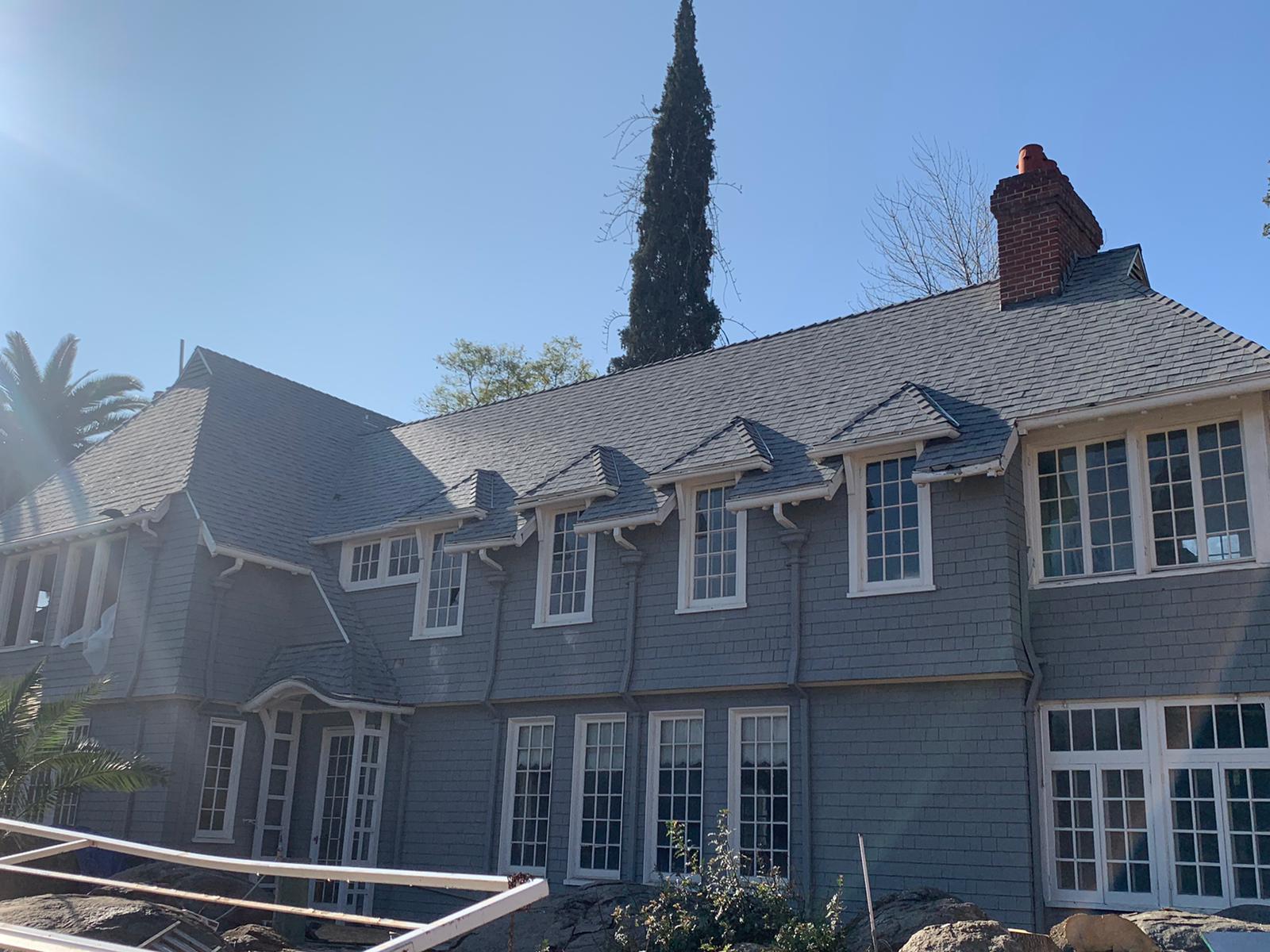
So you’re staring down a commercial roofing project, and someone mentioned TPO. Or maybe you already know the basics—thermoplastic polyolefin, single-ply membrane, reflective surface—and now you’re trying to figure out which one actually holds up in the real world. Not on a spec sheet. Not in a manufacturer’s marketing video. On a roof, under the Los Angeles sun, after three years of foot traffic, rain, and the occasional HVAC repair crew dragging equipment across it.
We’ve been there. More times than we can count.
The problem is that TPO isn’t one thing. It’s a category. And the difference between a good TPO membrane and a bad one can mean the difference between a roof that lasts twenty years and one that starts cracking at the seams before the warranty runs out. So let’s cut through the noise.
Key Takeaways
- TPO quality varies wildly by manufacturer, thickness, and reinforcement type.
- Thicker membranes (60-mil or 80-mil) offer better puncture resistance but cost more and weigh more.
- Seam strength matters more than the membrane itself in most real-world failures.
- White TPO is excellent for energy savings in hot climates, but dirt accumulation can reduce reflectivity over time.
- Proper installation by experienced contractors is non-negotiable; a great membrane installed poorly fails faster than a mediocre membrane installed well.
Table of Contents
The Membrane Thickness Trap
Most people assume thicker is always better. And sure, a 60-mil or 80-mil membrane will resist punctures better than a 45-mil. That’s physics. But here’s what nobody tells you: thicker membranes are also heavier, harder to handle during installation, and more prone to stress cracking if the substrate isn’t perfectly smooth.
We’ve seen 80-mil TPO fail within five years because the contractor didn’t properly prepare the deck. The extra weight created uneven tension, and the membrane developed hairline cracks along the insulation board seams. Meanwhile, a well-installed 45-mil membrane on the same building might have lasted fifteen years.
So what do we actually recommend? For most commercial projects in Southern California, 60-mil is the sweet spot. It’s thick enough to handle moderate foot traffic and debris impact, but light enough to install cleanly. Unless you’re roofing over a facility with heavy mechanical equipment or constant rooftop activity, 80-mil is overkill. And overkill means spending money you didn’t need to spend.
Reinforcement: The Hidden Variable
Here’s where things get interesting. TPO membranes come with different types of reinforcement—usually polyester scrim or fiberglass. Polyester scrim is more flexible and handles building movement better. Fiberglass is stiffer and offers higher dimensional stability.
Which one should you choose? It depends on your roof’s structure.
If you’re working on a steel deck that expands and contracts with temperature swings—which describes most commercial buildings in Los Angeles—polyester scrim is usually the better call. It moves with the building. Fiberglass can feel rigid, and over time, that rigidity can lead to stress at the seams or around penetrations.
We’ve had customers call us in a panic because their fiberglass-reinforced TPO developed wrinkles after a hot summer. The membrane didn’t fail, but it looked terrible. And on a low-slope roof visible from upper floors, that’s a problem. Polyester scrim doesn’t wrinkle the same way. It’s more forgiving.
That said, fiberglass has its place. On large, flat roofs with minimal expansion joints and very stable substrates, it offers better long-term dimensional stability. But in practice, most of the roofs we see in Los Angeles benefit more from the flexibility of polyester.
Seam Strength Is Everything
Here’s a hard truth we’ve learned from tearing off failed TPO roofs: the membrane itself rarely fails. It’s the seams that go first.
TPO seams are heat-welded using hot air welders. When done correctly, the weld is stronger than the membrane itself. When done poorly—either because the welder temperature was off, the overlap was too narrow, or the surface was contaminated—the seam becomes a weak point. And once a seam opens, water gets in, and the whole system unravels.
We’ve seen this happen more times than we can count. The worst case was a three-year-old roof on a warehouse near downtown Los Angeles. The owner had gone with a cheap contractor who used a low-end TPO membrane and didn’t calibrate their welder. Every single seam in the field had failed. The entire roof had to be stripped and replaced. That’s not a warranty issue—that’s a contractor issue.
So when you’re choosing a TPO membrane, pay attention to the manufacturer’s seam strength specifications. Most reputable brands publish peel strength and shear strength data. Look for numbers that exceed 200 pounds per inch of width for peel and 300 pounds for shear. And then make sure your contractor actually knows how to weld it. We can’t stress that enough.
Energy Savings: The White Roof Reality
White TPO membranes are popular in Los Angeles for a reason. The reflective surface reduces cooling loads significantly. In fact, a properly installed white TPO roof can lower rooftop surface temperatures by 50°F or more compared to a dark membrane. That translates to real energy savings, especially during our long, hot summers.
But here’s the catch: white TPO gets dirty. Over time, dust, pollen, bird droppings, and general urban grime accumulate on the surface. That reduces reflectivity. Some studies suggest that after five years, a white TPO roof can lose 20–30% of its initial reflectivity.
Does that mean you shouldn’t use white TPO? No. It means you need to plan for maintenance. If you’re in an area with heavy particulate matter—near freeways like the 405 or industrial zones—you might need to wash the roof every couple of years. Or you can choose a membrane with a factory-applied coating that resists dirt accumulation. Some manufacturers offer “self-cleaning” formulations. They’re not magic, but they help.
We’ve also seen building owners opt for light gray TPO instead of pure white. It still reflects well, but it shows dirt less. That’s a trade-off worth considering if you don’t want to think about roof maintenance every year.
When TPO Isn’t the Right Choice
Let’s be honest: TPO isn’t perfect. And there are situations where we’d steer you toward something else.
If your roof has complex geometry—lots of penetrations, curbs, drains, and parapet walls—PVC might be a better fit. PVC is more flexible and easier to flash around intricate details. TPO can work, but it requires more skill and time to detail properly. And if your contractor isn’t experienced with TPO flashings, you’re asking for trouble.
If you’re in a region with extreme chemical exposure—say, a roof near a manufacturing plant that releases industrial fumes—EPDM (rubber) might be more chemically resistant. TPO can degrade when exposed to certain solvents and oils.
And if budget is your only concern, don’t assume TPO is the cheapest option. It’s competitive, but modified bitumen or built-up roofing might come in lower for certain projects. TPO’s value proposition is longevity and energy savings, not upfront cost.
We’ve had customers insist on TPO because they heard it was “the best.” But best is relative. Best for a flat roof in a residential neighborhood is different from best for a chemical storage facility. Talk to someone who’s actually installed roofs in your specific situation.
A Quick Comparison to Help You Decide
| Membrane Type | Best For | Trade-Offs |
|---|---|---|
| 45-mil TPO | Low-traffic roofs, tight budgets | Lower puncture resistance, shorter lifespan |
| 60-mil TPO | Most commercial projects | Good balance of cost, durability, and weight |
| 80-mil TPO | High-traffic roofs, heavy equipment | Heavier, harder to install, more expensive |
| PVC | Complex geometries, chemical exposure | Higher cost, less UV stable over time |
| EPDM | Chemical resistance, simple roofs | Black surface absorbs heat, seams require adhesive |
The Installation Factor
We keep coming back to this because it’s the single most important variable. You can buy the most expensive TPO membrane on the market—the one with the best warranty, the thickest reinforcement, the highest reflectivity—and if the installation is sloppy, it will fail.
We’ve seen it happen. A building owner in Santa Monica spent a premium on a top-tier TPO system. The contractor cut corners on insulation fastening, didn’t properly clean the membrane before welding, and left gaps in the flashing. Within two years, the roof leaked in three places. The manufacturer denied the warranty claim because the installation didn’t meet their specifications. The owner had to pay for repairs out of pocket.
So what should you look for in a contractor? Experience with TPO specifically. Ask how many TPO roofs they’ve installed. Ask for references. Ask if they use automatic welders or hand welders for seams—automatic is better for long, straight runs. And ask about their training. Most reputable manufacturers offer certification programs for installers. A certified contractor is worth paying a premium for.
If you’re in Los Angeles, we’d recommend working with a local company that understands the specific challenges of our climate and building codes. California Green Roofing has been installing TPO systems across the region for years and knows which products hold up best under our sun.
Common Mistakes We See
Let’s run through a few mistakes we see repeatedly. Hopefully, you can avoid them.
First, ignoring the substrate. TPO is only as good as what’s underneath it. If the insulation board is wet, the deck is uneven, or the fasteners are spaced too far apart, the membrane will fail prematurely. We’ve seen contractors install TPO over wet insulation because they were in a hurry. That roof failed within a year.
Second, skimping on flashing. Flashing details around parapets, drains, and penetrations are where most leaks start. A good TPO installation includes reinforced flashing strips, proper termination bars, and sealant at every penetration. If your contractor tries to cut corners here, walk away.
Third, assuming all TPO is the same. It’s not. Some manufacturers use better stabilizers and UV inhibitors. Some have better quality control. We’ve seen cheap TPO turn brittle after five years, while premium TPO from brands like Carlisle or GAF still looks good after fifteen. You get what you pay for.
Final Thoughts
Choosing a TPO roofing membrane isn’t about picking the most expensive option or the one with the flashiest marketing. It’s about matching the product to your specific building, climate, and budget. And then making sure the installation is done right.
We’ve been in this industry long enough to know that no roof is perfect. Every system has trade-offs. But TPO, when chosen wisely and installed well, offers a combination of durability, energy efficiency, and cost-effectiveness that’s hard to beat for most commercial projects in Southern California.
If you’re planning a roofing project and want to talk through your options, we’re here. No pressure, no sales pitch. Just honest advice based on years of real-world experience.