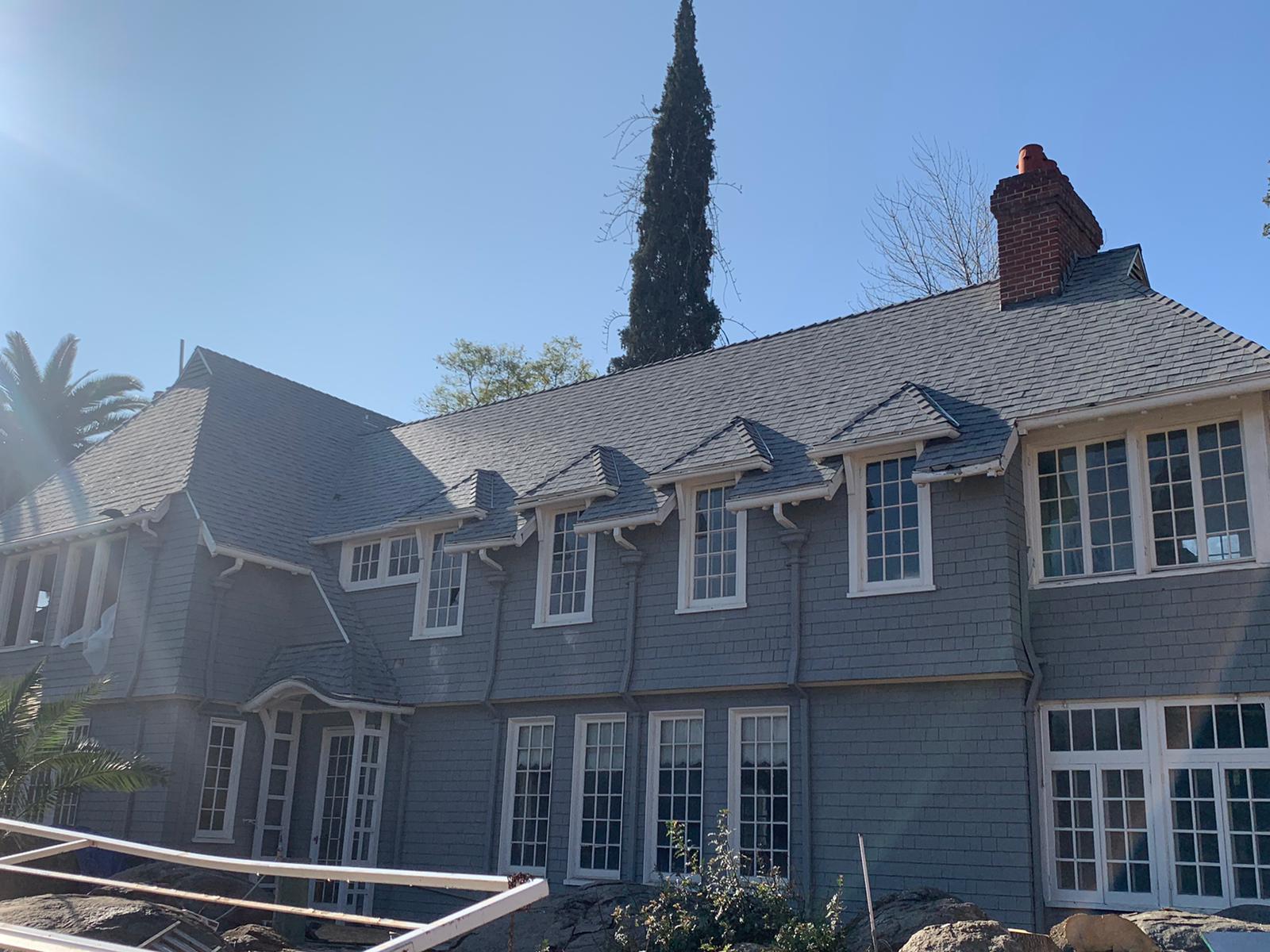
You’ve got that drip. Or maybe it’s just a stain on the ceiling you’ve been staring at for three weeks, convincing yourself it’s old. We’ve all been there. The problem with roof leaks in Los Angeles isn’t that they happen—it’s that they hide. Our climate is weirdly forgiving. We get months of sunshine, then a sudden atmospheric river, and by the time you notice the water damage, the rot has already settled in behind the drywall. The real cost isn’t the leak itself. It’s the delay.
Key Takeaways
- Most roof leaks in LA start at penetrations (pipes, vents, skylights), not the main field of shingles.
- Water can travel horizontally along rafters before dripping, so the stain rarely matches the leak point.
- Quick fixes like caulk and tar often trap moisture, accelerating deck rot.
- A professional inspection with a moisture meter catches issues before they become structural.
- For most homeowners, DIY detection is risky; professional repair usually saves time and long-term cost.
Table of Contents
Why LA Homes Are Especially Vulnerable to Sneaky Leaks
We don’t think about our roofs the way someone in Seattle does. Out here, the roof is an afterthought. It bakes in the sun for nine months, then gets hammered by a few days of heavy rain. That thermal cycling—expansion in the heat, contraction in the cold—cracks sealants, warps flashing, and opens gaps around anything that pierces the roof. The real damage happens slowly, during the dry months, when nobody is looking.
I’ve walked roofs in Silver Lake and Echo Park where the tiles looked fine from the street, but the underlayment was as brittle as old parchment. That’s the LA special. The sun degrades the felt and the rubber boots around plumbing vents long before the tiles themselves fail. By the time you see a water spot, the wood decking underneath might already be soft.
Finding the Leak Without Tearing Everything Apart
The Stain Is a Liar
Here’s the thing nobody tells you: water is lazy, but it’s also sneaky. It runs down rafters, follows electrical conduits, and pools on top of drywall before finally dripping. That brown circle in your living room ceiling might be three feet away from the actual hole. I’ve seen a leak that originated at a plumbing vent on the north slope show up as a stain in a hallway closet on the south side of the house. Water traveled along a roof joist, hit a crossbeam, and dropped.
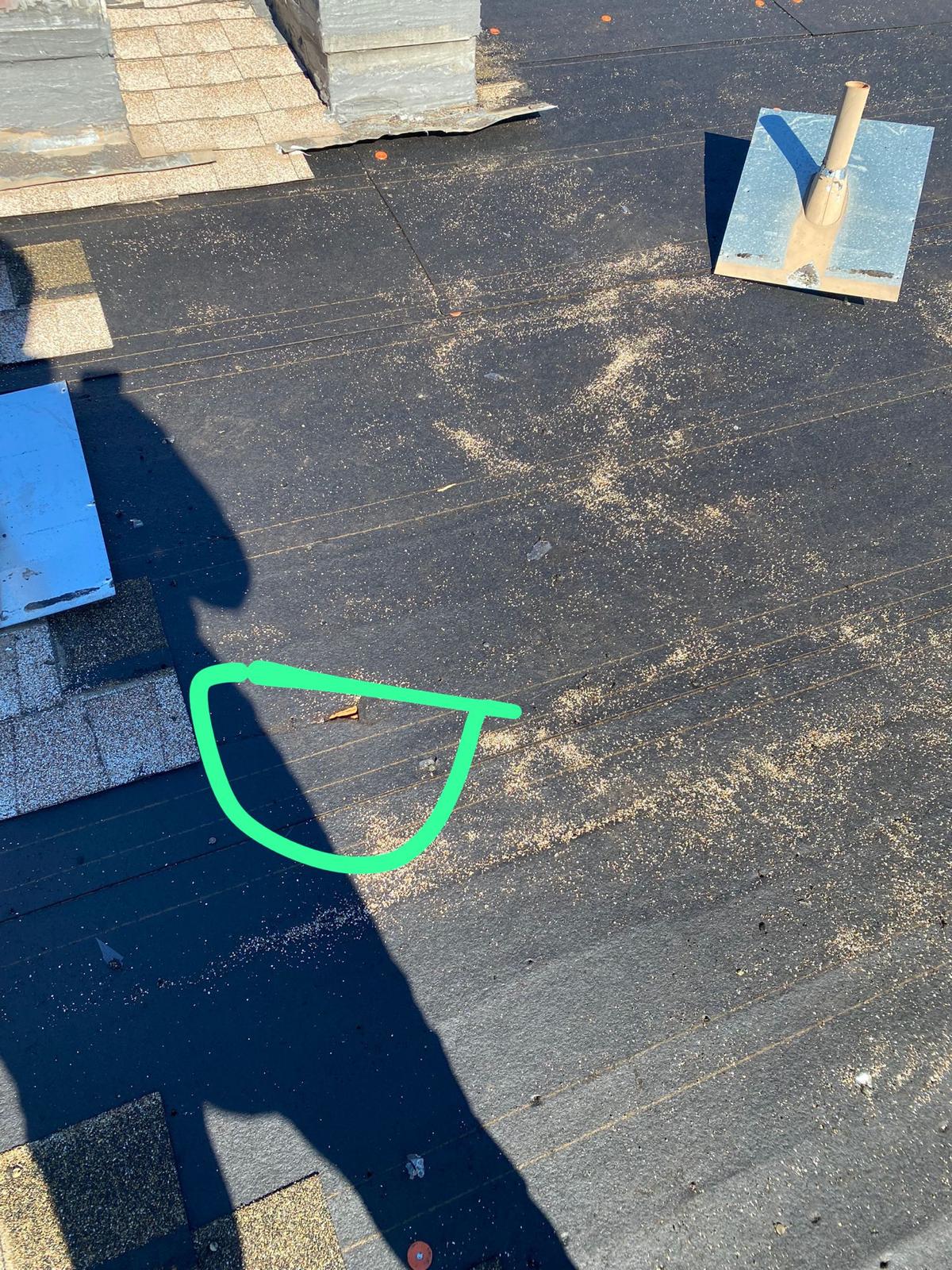
So step one is to stop assuming the stain is the source. Get in the attic if you have one. If you don’t, you’re going to need a moisture meter or a thermal camera. Most homeowners don’t own either, and renting one isn’t cheap. That’s usually the moment people call us.
The Usual Suspects: Penetrations and Valleys
In our experience, about 70% of leaks in Los Angeles homes come from roof penetrations. That includes:
- Plumbing vent pipes (the rubber boot dries out and cracks)
- Skylights (the flashing is often poorly integrated)
- Chimney cricket failures (water pools behind the chimney)
- Satellite dish or solar panel mounts (holes drilled without proper sealing)
The other big culprit is the valley—where two roof planes meet. In older LA neighborhoods like Los Feliz or Hancock Park, you see a lot of tile roofs with metal valleys that have corroded or been patched with tar. Tar is a temporary fix that becomes a permanent problem. It hardens, cracks, and then traps water against the underlayment.
When DIY Detection Makes Sense (and When It Doesn’t)
I’m not going to tell you never to get on your roof. If you’re comfortable on a ladder and your roof is a single-story, low-pitch composition shingle, you can do a visual inspection. Look for missing shingles, curled edges, and cracked boots. Use a garden hose to simulate rain while someone watches the ceiling from inside. That’s a legitimate method.
But here’s where it gets risky. Most Los Angeles homes have tile or slate roofs. Walking on those is a skill. You can crack tiles, break the interlocking system, and create new leaks. I’ve seen homeowners step right through a rotted section of decking that looked solid from above. The ER visit costs more than the repair.
Also, if your home was built before 1980, there’s a decent chance the underlayment contains asbestos or the decking is original plywood that’s been water-damaged for years. Disturbing that without proper gear is not smart.
For most people, the smart move is to call a professional for the detection part. We charge a modest fee for an inspection, but we bring a moisture meter, a thermal camera, and the experience to know where to look. You save time, you don’t risk your neck, and you get a real diagnosis instead of a guess.
Repair Options: The Honest Breakdown
Once you’ve found the leak, you have choices. Not all of them are good. Here’s a table that lays out the common approaches, the trade-offs, and when each one is appropriate.
| Repair Method | Best For | What It Costs (Ballpark) | The Downside |
|---|---|---|---|
| Spot patch with roofing cement | Temporary fix for small cracks | $10–$30 (DIY) | Fails in 6–12 months in LA sun; can trap moisture |
| Replace flashing or boot | Failed penetrations | $150–$400 per penetration | Requires matching materials; can look mismatched |
| Full underlayment replacement | Widespread deck rot or old felt | $3,000–$8,000 | Major work; requires removing tiles or shingles |
| Spray foam or sealant | Tiny gaps around pipes | $15–$50 (DIY) | Not UV stable; will crack within a year |
| Professional re-flash with new step flashing | Chimney or skylight leaks | $500–$1,500 | Skilled labor; not a DIY job |
The honest truth? Most spot repairs are bandaids. If you have a leak that’s been going on for more than one rainy season, the damage underneath is probably worse than you think. I’ve pulled up tiles where the decking was completely rotted out, and the homeowner just kept patching the same spot for three years. That’s a $500 repair that turned into a $5,000 deck replacement.
The Hidden Costs of Waiting
There’s a specific smell that comes with dry rot. It’s musty, a little sweet, and it means the wood fibers have broken down. Once that starts, it spreads. In LA, where we have warm, dry conditions most of the year, rot doesn’t progress as fast as it does in humid climates. But it still moves. And it attracts termites.
We’ve done jobs in the flats of Beverly Hills where a small leak behind a chimney went unnoticed for two seasons. By the time the homeowner saw a stain, the termites had already colonized the rafter ends. The repair went from a simple flashing fix to a structural rebuild involving a structural engineer and permits from the city. That’s a nightmare scenario, and it all started with a leak they thought was “just a little drip.”
If you live near the coast—say, Santa Monica or Venice—the salt air accelerates corrosion on metal flashing and vents. That’s another hidden variable. A leak that starts at a corroded vent boot can run down inside a wall for months before it ever shows up. By then, you’ve got mold inside the wall cavity.
When Professional Help Is Non-Negotiable
There are situations where calling a roofer isn’t just convenient—it’s necessary. If you have:
- A multi-story home (safety risk is real)
- A tile, slate, or metal roof (specialized walking technique)
- An active leak during rain (don’t go up there)
- Evidence of mold or rot (needs professional remediation)
- An older home with asbestos-containing materials
In those cases, the cost of a professional inspection from a company like California Green Roofing is a fraction of what you’d pay for one mistake. We’re based in Los Angeles, and we’ve seen every kind of leak this city can throw at a roof. From the canyon homes in Topanga that get hammered by wind-driven rain to the flat roofs in Mid-City that never drain properly, we know the patterns.
The other thing people don’t account for is liability. If you go up on your roof, slip, and damage a neighbor’s car or hurt yourself, that’s on you. A licensed contractor carries insurance for exactly that reason.
A Note on Insurance and Claims
This is worth mentioning because it surprises a lot of homeowners. Most standard homeowner’s insurance policies cover sudden damage from a storm but not gradual deterioration. If your leak is the result of years of neglected maintenance, your claim might get denied. That’s why early detection matters. If you catch a leak after a big storm and document it, you have a much stronger case.
Also, if you attempt a DIY repair and make it worse, your insurance company may consider that “improper maintenance” and deny coverage for the resulting damage. I’ve seen it happen. It’s not fun.
What to Do Right Now, This Weekend
If you suspect a leak but aren’t sure, here’s a practical sequence that doesn’t require getting on the roof:
- Go into your attic with a flashlight during a rainstorm (or after hosing the roof). Look for water trails, dark spots on wood, or dripping.
- Check your ceiling stains. If they’re yellow or brown and have a defined edge, they’re old. If they’re dark and spreading, they’re active.
- Look at your plumbing vents from the ground. If the rubber boot is cracked or missing, that’s likely your culprit.
- Call someone who does thermal imaging. It’s worth the money to know for sure.
If you find an active leak, put a bucket under it and call a roofer. Don’t try to seal it from the inside with caulk or spray foam. That just traps water in the decking.
When the Solution Isn’t a Repair
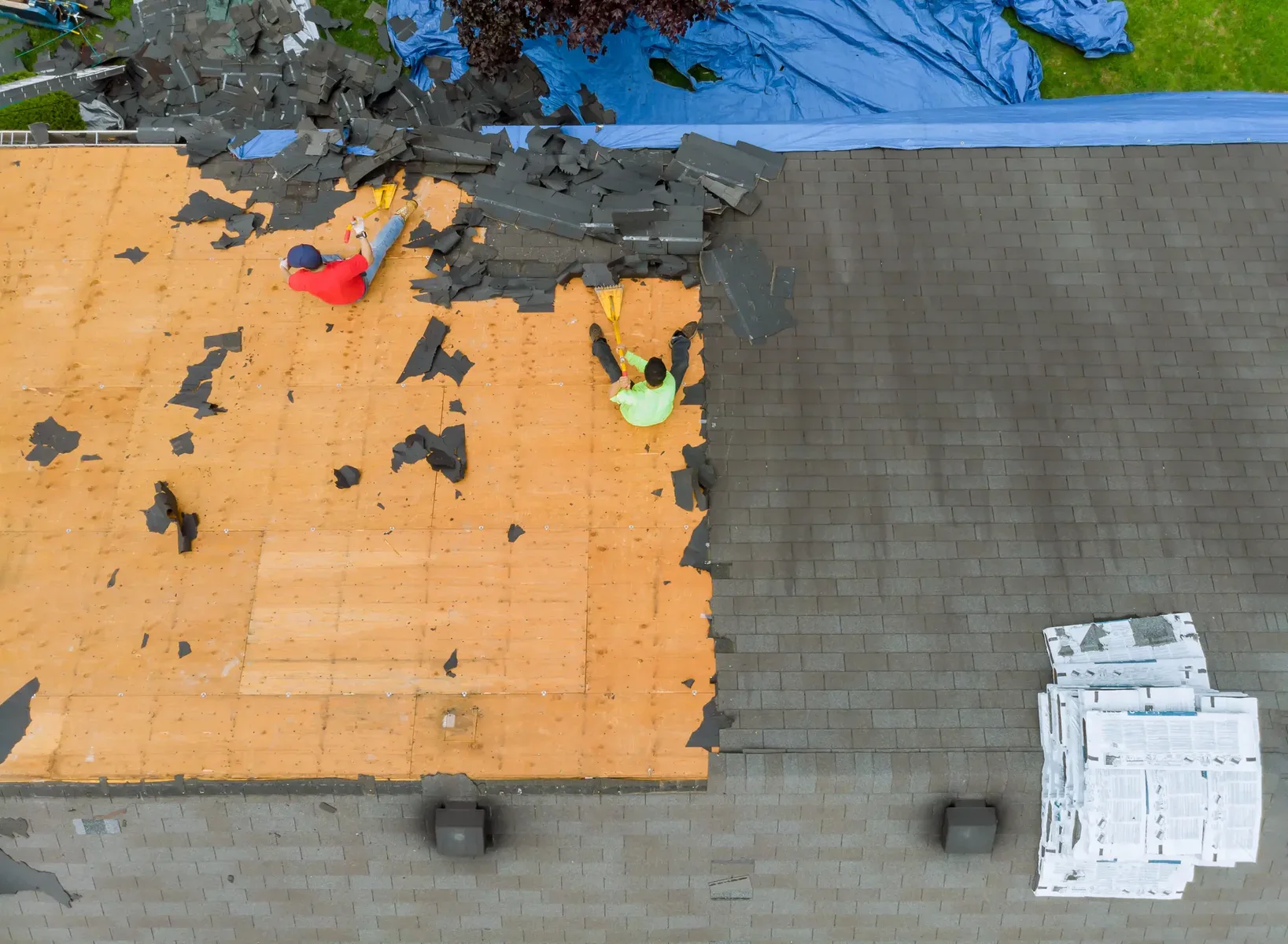
Sometimes the right answer is a partial or full replacement. I know that’s not what anyone wants to hear, but if your roof is over 20 years old and you’ve got multiple leaks, patching is throwing money away. The underlayment is shot, the flashing is corroded, and the tiles are brittle. You’re better off biting the bullet.
In Los Angeles, where we have strict building codes and Title 24 energy requirements, a new roof also gives you a chance to add insulation and improve ventilation. That pays for itself over time in lower cooling costs. We’ve done replacements in the San Fernando Valley where the old roof had zero ventilation, and the attic was hitting 140 degrees in summer. That heat radiates into the living space. A new roof with proper ridge vents and radiant barrier changed those homes completely.
Final Thoughts
Roof leaks are one of those problems that get worse the longer you ignore them. The water damage, the mold, the rot, the termites—it all compounds. But the good news is that in Los Angeles, we have a long dry season to get repairs done. You don’t have to fix it in the rain. You have time to do it right.
The mistake most people make is waiting until the next storm to confirm the leak. By then, the damage is done. If you see a stain, if you smell mustiness, if you notice a drip during a rare rain—act on it. Call a professional, get a real diagnosis, and make a plan. Your roof is the only thing standing between your home and the elements. Treat it like it matters.
People Also Ask
The 25% rule in roofing is a common industry guideline used to determine if a roof requires a full replacement or can be repaired. It states that if more than 25% of a roof's total surface area is damaged or deteriorated, the entire roof should be replaced rather than patched. This rule helps ensure structural integrity and uniform aging, as mixing new and old materials can lead to leaks and uneven wear. At California Green Roofing, we follow this standard to provide durable, long-lasting results. Always have a professional inspect your roof to assess damage accurately and comply with local building codes.
To find a hidden roof leak, start by inspecting the attic on a dry, sunny day. Look for water stains, mold, or damp insulation, which often indicate a slow leak. Check around roof penetrations like vents, chimneys, and skylights, as these are common trouble spots. Use a garden hose to simulate rain, having a helper inside the attic to pinpoint where water enters. Focus on valleys where roof planes meet and areas near flashing. If the leak is elusive, a professional from California Green Roofing can use thermal imaging to detect moisture without invasive probing. Always prioritize safety and avoid walking on a wet roof.
The cost to have a leak detected on a flat or low-slope roof typically ranges from $200 to $600 for a standard inspection. This price can vary based on the complexity of the roof system and the detection methods used, such as electronic leak detection or infrared thermography. For a more thorough assessment, especially on larger commercial roofs, costs may rise to $1,000 or more. At California Green Roofing, we emphasize that investing in professional leak detection is often more economical than ignoring hidden moisture damage. Accurate detection helps avoid costly structural repairs and ensures your roofing system remains watertight. Always request a detailed estimate before work begins to understand the scope and pricing.
To locate a hidden water leak, start by checking your water meter for any unexplained usage when all fixtures are off. A sudden spike often indicates a leak. Next, inspect areas around toilets, sinks, and appliances for dampness or mold. For slab leaks or underground pipes, professional thermal imaging or acoustic listening devices are highly effective. California Green Roofing recommends monitoring your water bill for unusual increases, as this is a common early sign. If you suspect a leak behind walls, look for peeling paint, warped flooring, or a musty odor. Always turn off the water supply if you find a leak to prevent further damage. For complex issues, a licensed plumber can perform a pressure test to pinpoint the exact location.