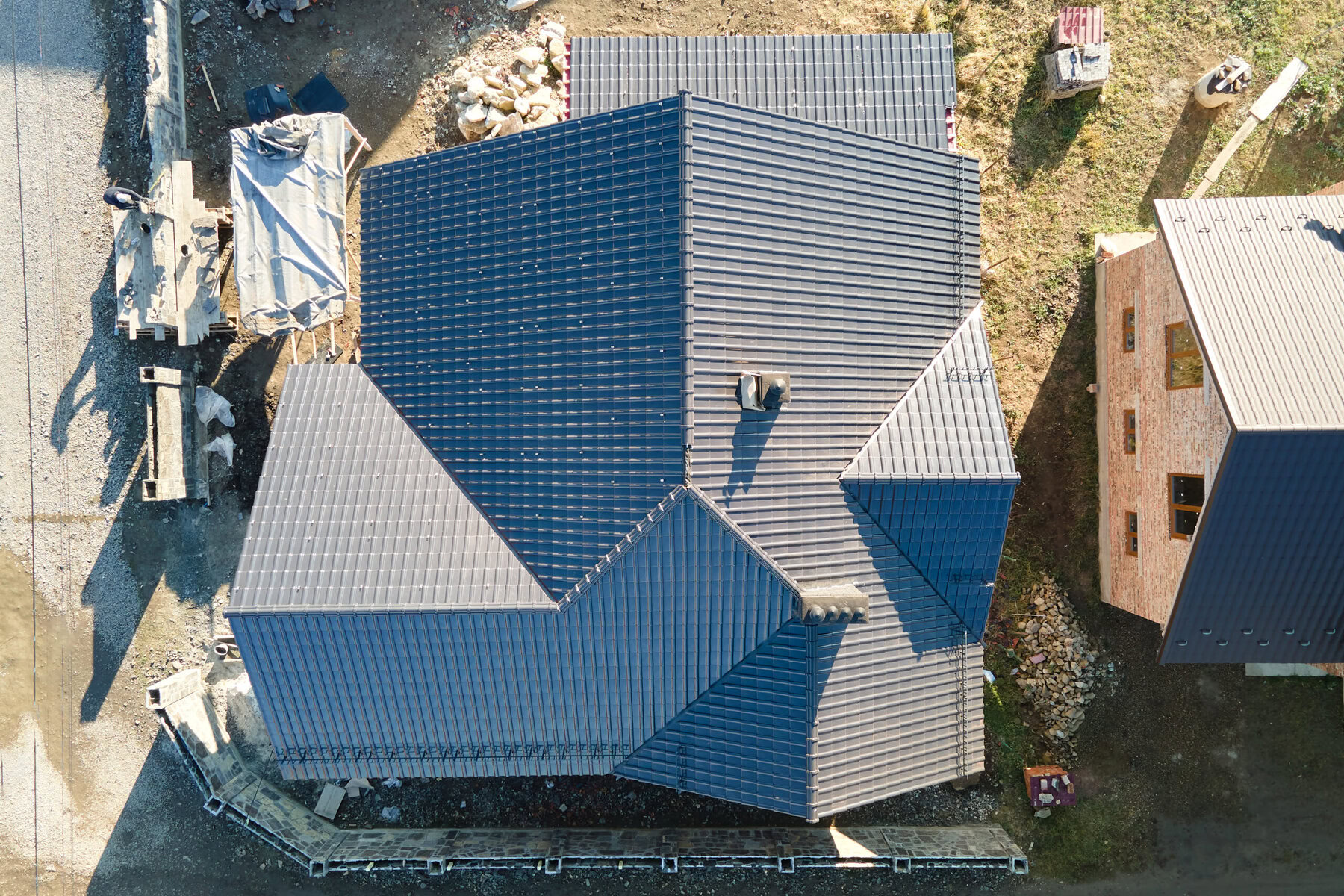
We get asked all the time: what’s the best roofing material for a California home? And the honest answer—the one nobody wants to hear at a backyard barbecue—is that it depends. On your budget, your neighborhood, the age of your house, and frankly, how much you care about what your roof looks like from the street. We’ve been inside enough attics and stood on enough rooftops across Los Angeles to know there’s no perfect material. But there are definitely wrong ones for your specific situation.
Key Takeaways
- Asphalt shingles dominate because of cost, but they’re not always the smartest choice for fire-prone areas.
- Clay and concrete tiles handle heat well but add serious weight—your framing needs to be ready for it.
- Metal roofs last longer and reflect heat, but installation mistakes are common and expensive to fix.
- Local climate and building codes in Los Angeles heavily influence which materials actually make sense.
Table of Contents
The Usual Suspect: Asphalt Shingles
Let’s start with the most common roof in America, because that’s probably what’s on your neighbor’s house right now. Asphalt shingles are cheap, easy to install, and available at every big-box hardware store. For a standard suburban home in the San Fernando Valley, they’re often the default choice. But here’s the thing we’ve learned after replacing hundreds of them: they’re a 15-to-20-year product in Southern California, not the 30 years the manufacturer claims.
The problem isn’t the shingle itself—it’s the sun. UV radiation cooks asphalt, making it brittle. We’ve walked on roofs that looked fine from the ground but crumbled under our boots. And in a place like Los Angeles, where we get 300+ days of sun, that degradation happens faster than the warranty suggests. The other issue is fire. Asphalt shingles are rated Class A for fire resistance, which sounds great, but the underlying felt paper and decking can still ignite if embers get underneath. After the 2018 Woolsey Fire, we saw plenty of homes with asphalt roofs that survived, but also plenty that didn’t.
That said, if you’re on a tight budget or planning to sell within five years, asphalt is hard to beat. Just don’t expect it to outlast your mortgage.
Clay and Concrete Tiles: The California Classic
Walk through any older neighborhood in Los Angeles—Silver Lake, Los Feliz, parts of Pasadena—and you’ll see clay tile roofs. They’re iconic for a reason. Terracotta clay tiles handle heat beautifully, last 50 to 100 years, and give a home that Spanish Revival look that buyers love. Concrete tiles are a more affordable alternative that mimic the same aesthetic.
But here’s the catch most homeowners don’t consider until they get a quote: weight. Clay and concrete tiles weigh between 600 and 900 pounds per square (100 square feet). That’s roughly three times heavier than asphalt. If your house was built before 1980, chances are the roof framing wasn’t engineered for that load. We’ve had to walk away from jobs because the homeowner didn’t want to hear that their trusses needed reinforcement. It’s not a cheap upgrade.
Another reality: tile roofs leak differently than shingle roofs. Water doesn’t just drip through a hole—it travels along the underside of the tile until it finds a gap. That makes finding the source of a leak much harder. We’ve spent hours on a single roof tracing water stains back to a cracked tile three rows away from where the ceiling stain appeared.
If you love the look and plan to stay in your home for decades, clay or concrete is a solid investment. Just budget for potential structural work and a roofer who actually knows how to work with tile, not just slap it on.
Metal Roofing: The Modern Workhorse
Metal roofing has gained serious traction in California over the last decade, and for good reason. Steel or aluminum panels reflect solar heat, which can lower cooling costs by 10 to 25 percent. They’re also lightweight, fire-resistant, and can last 40 to 70 years with proper maintenance. In fire-prone areas like the Santa Monica Mountains or parts of Malibu, metal is often the only material insurance companies will approve without a massive premium hike.
But metal isn’t foolproof. The biggest mistake we see is improper installation of the standing seams and flashings. If the installer doesn’t account for thermal expansion—metal expands and contracts with temperature changes—the panels can buckle or pull away from fasteners. We’ve fixed roofs that were only two years old because the contractor used the wrong type of screw or didn’t leave enough room for movement.
Another trade-off: noise. Yes, modern underlayment and insulation reduce sound, but during a heavy rainstorm, you’ll hear it. Some people love that sound. Others find it annoying. If you’re sensitive to noise, plan for extra insulation in the attic.
Cost is also a factor. Metal roofing typically runs two to three times more than asphalt. But if you factor in the lifespan and energy savings, the lifetime cost can be comparable. It’s a decision that makes more sense the longer you plan to stay in the house.
Wood Shakes and Shingles: Beautiful but High Maintenance
There’s something about a cedar shake roof that feels warm and natural. It fits the Craftsman bungalows of Pasadena and the mountain cabins of Big Bear. But in most of urban Los Angeles, wood roofs are becoming a liability.
The main issue is fire. Wood shakes are combustible, and even with fire-retardant treatments, they don’t perform as well as tile or metal in a wildfire. Many insurance companies now refuse to cover wood roofs in high-risk zones, or they charge exorbitant premiums. After the 2017 Thomas Fire and subsequent debris flows in Montecito, we saw a lot of homeowners scrambling to replace wood roofs with something safer.
Beyond fire, wood requires regular maintenance. Moss, algae, and dry rot are constant battles in coastal areas like Santa Monica or Venice. We’ve pulled off shakes that looked fine from the ground but were completely rotten underneath because moisture got trapped. If you’re not willing to inspect and treat your roof every year or two, wood probably isn’t for you.
That said, if you live in a low-fire-risk area and love the aesthetic, wood can be a beautiful choice. Just know what you’re signing up for.
Synthetic Materials: The New Kid on the Block
Synthetic roofing—usually made from rubber, plastic, or polymer composites—has been gaining ground. Products like DaVinci Roofscapes or CeDUR mimic the look of slate or wood shakes but weigh less and resist impact better. They’re also fire-resistant and come with long warranties.
We’ve installed synthetic slate on a few homes in the Hollywood Hills where real slate would have required structural reinforcement. The homeowners got the look they wanted without the engineering headache. But synthetic materials are still relatively new. We don’t have 50 years of data on how they hold up in Southern California’s UV exposure. Early signs are promising, but we’re cautious about recommending them for a forever home.
Cost is also in the mid-to-high range, comparable to metal or premium tile. If you’re building new or doing a full tear-off and want a specific look without the weight or maintenance, synthetics are worth a conversation with a qualified contractor.
When Professional Help Becomes Non-Negotiable
We’ve met plenty of handy homeowners who can patch a shingle or replace a few tiles. And we respect that. But roofing is one of those trades where a small mistake can lead to big problems. A poorly flashed chimney, an incorrectly installed valley, or a ridge vent that’s not sealed properly can cause leaks that rot framing and ruin insulation. We’ve seen it happen.
In Los Angeles, where we have strict building codes for fire resistance and seismic safety, DIY roofing can also create issues when you go to sell the house. Permits and inspections matter. A roof that wasn’t installed to code can kill a sale or force you to pay for a replacement anyway.
If you’re in a fire-prone zone, have an older home with questionable framing, or just want the job done right the first time, hiring a professional isn’t an expense—it’s insurance. At California Green Roofing in Los Angeles, we’ve seen both sides of that coin. Sometimes the money saved on a DIY job gets spent later on repairs.
Comparing Materials at a Glance
To make the decision a little easier, here’s a practical comparison based on what we’ve seen in the field. Keep in mind these are general ranges—your specific home may vary.
| Material | Lifespan | Weight (per sq) | Fire Rating | Maintenance | Typical Cost (installed) |
|---|---|---|---|---|---|
| Asphalt shingles | 15–25 years | 200–300 lbs | Class A | Low | $4–$7/sq ft |
| Clay tile | 50–100 years | 600–900 lbs | Class A | Low | $10–$18/sq ft |
| Concrete tile | 40–60 years | 600–900 lbs | Class A | Low | $8–$14/sq ft |
| Metal (steel/aluminum) | 40–70 years | 100–200 lbs | Class A | Low | $8–$16/sq ft |
| Wood shakes | 20–40 years | 300–500 lbs | Class B/C | High | $7–$12/sq ft |
| Synthetic slate/shake | 30–50 years | 200–400 lbs | Class A | Low | $10–$20/sq ft |
A few notes on the table: Cost includes tear-off of old roofing and basic underlayment. Weight matters more than most people realize—check your framing before committing to tile. Fire rating is based on the material itself; installation quality also affects real-world performance.
Climate and Code Realities in Los Angeles
We work in a city that spans from the coast to the mountains, and the climate changes dramatically. In Santa Monica, you’re dealing with salt air and fog. In Woodland Hills, it’s 110 degrees in summer. In the hills above Griffith Park, fire risk is a year-round concern.
The Los Angeles Department of Building and Safety has specific requirements for roofing in high-fire zones, including the use of Class A materials and ember-resistant vents. If you’re in a Very High Fire Hazard Severity Zone, your options narrow significantly. We’ve had customers who wanted wood shakes but couldn’t get a permit. Others who wanted tile but couldn’t afford the structural upgrade.
The best advice we can give is to start with your local building department’s requirements, then work backward to materials. It saves a lot of heartache.
Common Mistakes We See Repeatedly
Over the years, we’ve noticed a few patterns. Homeowners often choose a material based on looks alone, without considering weight or fire rating. They assume all contractors know how to install every material—they don’t. We’ve fixed tile roofs installed by crews who only knew asphalt, and the leaks showed up within a year.
Another mistake: skipping the underlayment upgrade. A cheap felt underlayment might save a few hundred dollars upfront, but it degrades quickly in heat. A synthetic underlayment costs more but lasts longer and provides better protection while the roof is exposed during installation.
And finally, people forget about ventilation. A roof is a system—materials, underlayment, flashing, vents, and insulation all work together. Bad ventilation can cook your shingles from underneath and void your warranty.
When a Different Solution Makes More Sense
Sometimes the right answer isn’t a new roof at all. If your roof is less than 10 years old and leaking, the problem might be flashing or a damaged section, not the entire covering. We’ve saved customers thousands by doing targeted repairs instead of full replacements.
If you’re planning to move in a few years, a mid-range asphalt or concrete tile roof might make more financial sense than a premium metal system. The return on investment for a high-end roof is real, but only if you’re around to enjoy it.
And if you’re in a rental property or a short-term hold, sometimes a quality repair and a fresh coat of elastomeric coating can buy you five more years without a full tear-off. It’s not glamorous, but it works.
Final Thoughts
Choosing a roofing material in California isn’t about picking the prettiest option or the one with the longest warranty. It’s about matching the material to your home’s structure, your local climate, your budget, and your long-term plans. We’ve seen beautiful tile roofs fail because the framing wasn’t ready. We’ve seen metal roofs that should have lasted decades develop leaks because the installation was rushed.
The roof over your head is one of the most important investments you’ll make. Take the time to understand what you’re buying, ask the right questions, and don’t be afraid to get a second opinion. A good roofer will respect that. A bad one will rush you.
If you’re in the Los Angeles area and want to talk through your options, we’re always happy to take a look. No pressure, just honest advice based on what we’ve seen work—and what we’ve seen fail.