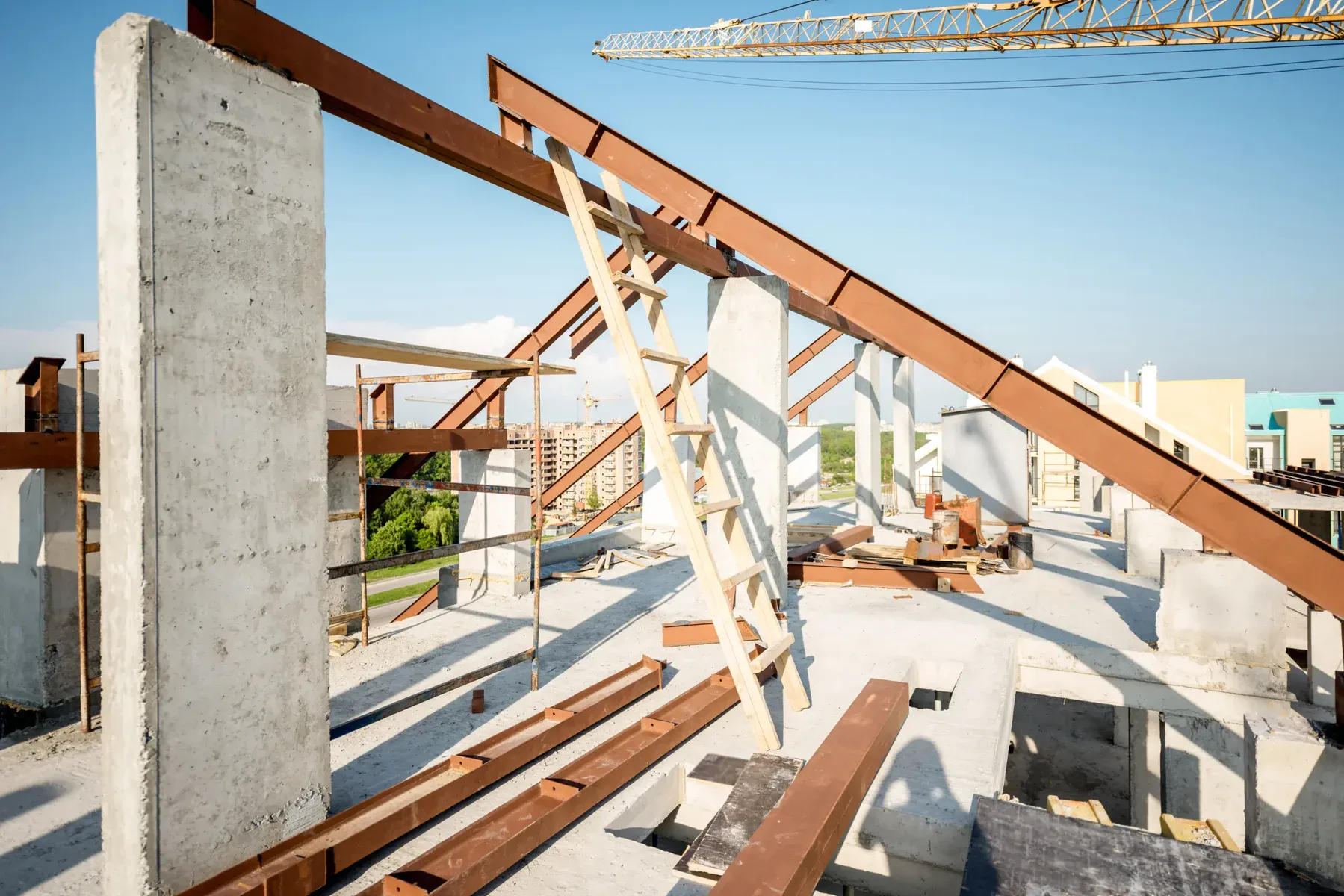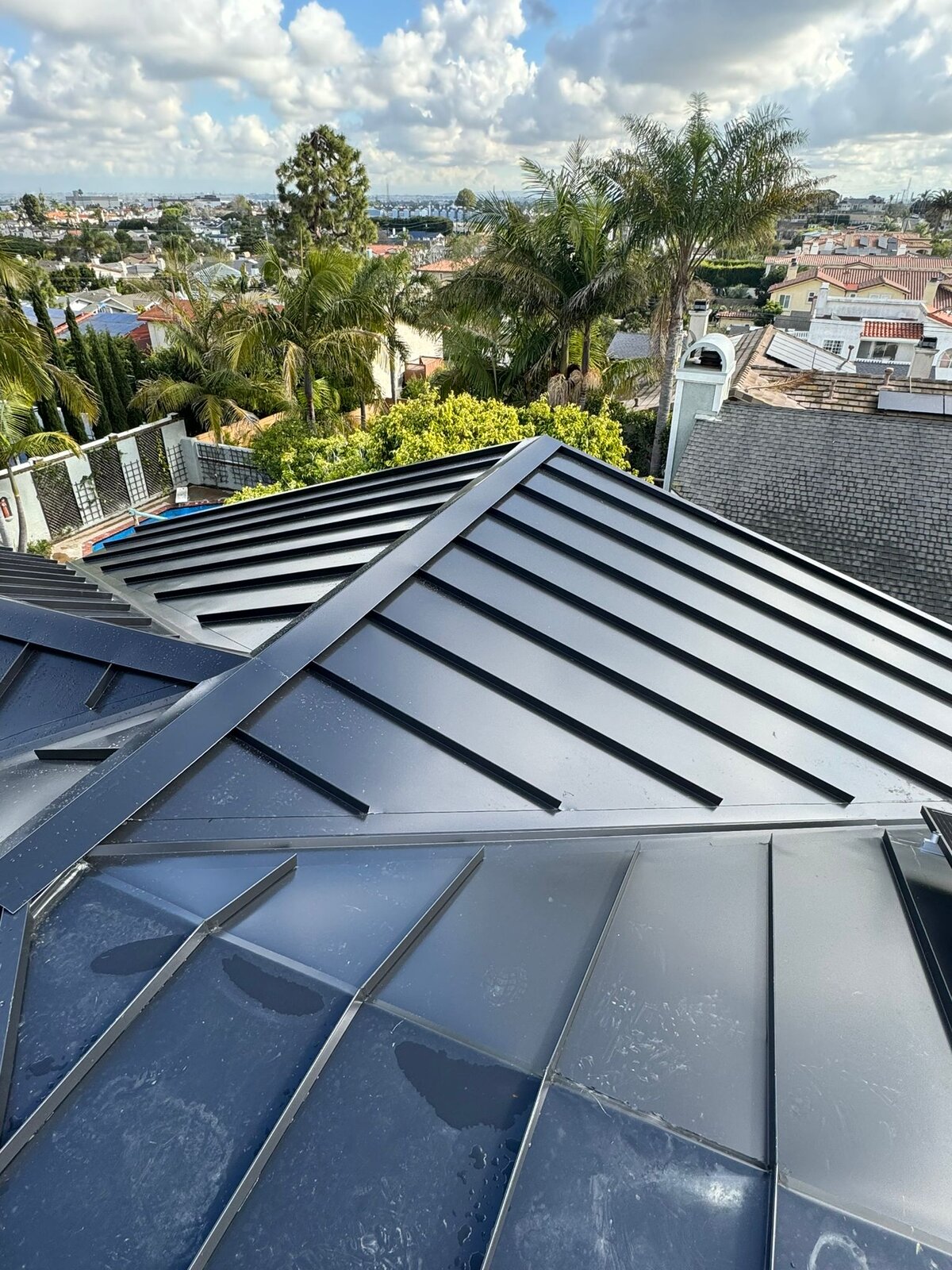
Look, if you’ve ever shopped for homeowners insurance with a flat roof, you’ve probably felt the subtle shift. The quote comes in a little higher, the questions get a little more specific, or you get a polite “no thank you” from a carrier you thought was a sure thing. It’s not your imagination. We see it all the time here in Los Angeles. Insurance companies absolutely view flat roofs through a different lens, and it’s not just about aesthetics. It’s a cold, hard calculus of risk, water, and gravity.
Key Takeaways:
- The core issue isn’t the roof style itself, but its inherent vulnerability to water pooling, which is the primary enemy of any roofing system.
- Insurers are wary of deferred maintenance and improper installations, which are harder to spot and more consequential on a flat roof.
- In our Mediterranean climate, the combination of intense sun, rare but heavy rain, and seismic activity creates unique stress points that underwriters are keenly aware of.
- Proving your roof’s integrity through maintenance records and professional inspections is your strongest leverage for better rates and coverage.
Why is a flat roof considered a higher risk?
In short: water has nowhere to go. On a pitched roof, gravity is your best friend, sheeting water away quickly. A flat roof (which is never truly flat; it has a slight pitch called “slope to drain”) fights gravity, relying on a perfectly intact membrane and clear drains to manage water. When either fails, water pools. Pooled water is a patient destroyer—it finds the tiniest flaw, a pinhole puncture from debris, a failed seam from thermal expansion, and it seeps in. What starts as a minor leak hidden within the roofing assembly can cause massive structural rot and interior damage long before you ever see a drip on your ceiling. That’s the nightmare scenario for an insurer: a slow, expensive, and hidden claim.
The materials tell a story, too. The classic built-up roof (tar and gravel) on an older bungalow in Echo Park has different failure points than a modern TPO or EPDM membrane on a new build in Playa Vista. An insurer knows that an aging modified bitumen roof in the San Fernando Valley, baked by relentless sun, is nearing the end of its lifespan. They’re not just insuring your stuff; they’re betting on the condition of that membrane.
Table of Contents
The Los Angeles Factor: It’s Not Just the Rain
This is where local knowledge matters. When we talk to underwriters or adjusters, the conversation always circles back to our specific environment. Sure, we don’t get the snow load of the Midwest or the hail storms of Texas, but we have our own special blend of challenges.
First, the sun. UV degradation is a constant, relentless force. It dries out and cracks membranes over time, making them brittle. Then, when our winter rains finally hit—often in intense, concentrated downpours—that compromised roof is put to the ultimate test. A drain clogged by a year’s worth of Jacaranda blossoms or pine needles from that beautiful but messy tree can create an instant pond on your roof. We’ve been called to more than one emergency in the hills after a heavy rain where the issue wasn’t a leak, but the sheer weight of standing water threatening a ceiling collapse.
Second, seismic activity. It’s a reality we build and insure for. A flat roof’ drainage system—especially internal drains and the network of pipes—runs through the building. Movement from a quake can compromise seams and connections in ways that aren’t immediately visible, creating latent leaks. An insurer has to factor that in.
What Insurance Companies Are Really Looking For (And Dreading)
Underwriters aren’t being difficult for sport. They’re assessing specific red flags. From our side of the table, these are the concerns that make them hesitate:
- Age Without Documentation: A 15-year-old flat roof with no maintenance history is a giant question mark. How has it been cared for? When were the seams last checked? A roof of the same age with annual inspection reports is a known quantity.
- DIY or “Handyman” Installations: Flat roofing is a specialty. The difference between a watertight seal and a future leak is often in the details—the proper torching of a modified bitumen sheet, the heat-welded seam of a TPO membrane, the correct adhesive for EPDM. A botched installation won’t fail immediately; it’ll fail at 2 AM during the first big storm of the season.
- Roof-Top Equipment: HVAC units, solar panel racks, satellite dishes. Every penetration is a potential leak point. Are they properly mounted and flashed? Is the weight distributed correctly? We see leaks originate from these areas constantly.
- Inadequate Drainage: This is the big one. The rule of thumb is one drain for every 1,000 square feet, but roof layout is critical. Is there standing water 48 hours after a rain? That’s a fail. Insurers love seeing evidence of proactive drain cleaning and scupper maintenance.
Your Power Play: The Proactive Maintenance Log
You can’t change your roof’s style, but you can dramatically change how an insurer perceives its risk. This is your most powerful tool. Think of it like a car’s service history. A well-maintained vehicle commands higher resale; a well-maintained roof commands better insurance terms.
When you go to get a quote or renew, have this ready:
- A Recent Professional Inspection Report: Not a “look from a ladder” by a general handyman, but a report from a licensed, specialized flat roofing contractor. It should note the membrane condition, seam integrity, flashings, and drainage.
- Proof of Repairs: Invoices for any repairs or maintenance done in the last 3-5 years. This shows you address issues before they become claims.
- Drain Cleaning Schedules: Receipts from a service that clears your drains and scuppers biannually (before summer and before winter).
Presenting this portfolio transforms you from a “flat roof owner” (risk) to a “responsible asset manager” (lower risk). We’ve had clients use this approach to secure coverage with preferred carriers and even lower their premiums. It signals that you are not going to be the source of a slow, costly, hidden damage claim.
When a Flat Roof Makes Sense (And When It Doesn’t)
Let’s be balanced. Flat roofs aren’t some terrible mistake. They offer incredible utility—rooftop decks, HVAC placement, space for solar arrays. They are often the only architecturally correct choice for modern or mid-century homes. The key is going in with your eyes open.
Consider this practical breakdown:
| Consideration | The Reality (From Our Experience) |
|---|---|
| Upfront Cost | Often lower initial install cost per square foot than a quality pitched roof. |
| Long-Term Cost | Higher maintenance costs and a typically shorter lifespan (15-25 years vs. 25-50 for a good pitched roof). You will pay for maintenance. |
| Utility & Space | Unbeatable. Provides usable outdoor living or mechanical space. Essential for many commercial applications. |
| DIY Friendliness | Extremely low. Mistakes are catastrophic and expensive to fix. This is a professional’s domain. |
| Insurance Climate | Requires more shopping. You may pay 10-25% more in premiums and need specialized carriers in some cases. |
The trade-off is clear: you’re exchanging lower upfront cost and gaining functional space for a higher long-term maintenance responsibility and operational cost (including insurance). For a commercial building or a modern home where the design demands it, that’s a perfectly rational trade. For someone who wants a “set it and forget it” solution for their traditional home, it’s probably the wrong call.
The “Walk Away” Scenarios We See
Sometimes, the best advice is to not put a new flat roof on at all. If you’re re-roofing and have recurring leak issues, this is the time to ask the hard question. We’ve advised clients in older neighborhoods like Silver Lake with problematic low-slope additions to consider a slight pitch conversion. By adding a subtle, framed pitch and switching to a metal standing seam or even a composite shingle, they completely alter the water management dynamic and, consequently, the insurance outlook. The cost can be significant, but it solves the fundamental physics problem and can pay for itself in reduced headaches and premiums over 20 years.
Navigating the Insurance Conversation
So, you’re stuck with a flat roof (or you’ve wisely chosen one). How do you talk to your agent or shop for new coverage?
- Be the Expert on Your Roof: Know the material, approximate age, and last major service.
- Lead with Your Documentation: Don’t wait for them to ask. “Here’s my roof’s maintenance file” is a powerful opening line.
- Ask Specific Questions: “Do you have preferred contractors for inspections?” “How does a professional maintenance plan affect my premium?” “What specific concerns do your underwriters have about my roof type?”
- Consider a Higher Deductible: If you’re confident in your roof’s condition due to maintenance, opting for a higher wind/hail or general deductible can lower your premium. It’s a bet that your proactive care will prevent a claim.
Ultimately, insurance is about managing risk. A flat roof introduces a specific, well-understood set of risks. Your job isn’t to eliminate those risks—that’s impossible—but to demonstrate superior management of them. By understanding the “why” behind the insurer’s perspective, you can take concrete, documented steps to align your reality with their need for predictability. It turns a potential point of conflict into a simple business transaction. And if you’re ever unsure about the condition of your roof before that conversation, getting a professional assessment from a specialist is always the right first move. It gives you the knowledge to navigate everything that comes next.
For a deeper dive into the technical standards and material specifications that govern modern low-slope roofing, the National Roofing Contractors Association (NRCA) is an authoritative resource for both industry professionals and informed homeowners.
[
  {
    "@context": "https://schema.org",
    "@type": "Article",
    "headline": "Why Some Insurance Companies View Flat Roofs Differently",
    "description": "A practical guide to why flat roofs are seen as higher risk by insurers, focusing on water pooling, maintenance, and local factors like the Los Angeles climate, with actionable advice for homeowners.",
    "author": {
      "@type": "Organization",
      "name": "California Green Roofing"
    },
    "publisher": {
      "@type": "Organization",
      "name": "California Green Roofing",
      "logo": {
        "@type": "ImageObject",
        "url": "((INSERT LOGO URL))"
      }
    },
    "datePublished": "((INSERT PUBLICATION DATE))",
    "dateModified": "((INSERT MODIFICATION DATE))",
    "mainEntityOfPage": {
      "@type": "WebPage",
      "@id": "((INSERT POST URL))"
    },
    "image": {
      "@type": "ImageObject",
      "url": "((INSERT FEATURED IMAGE URL))"
    },
    "url": "((INSERT POST URL))",
    "@id": "((INSERT POST URL))"
  },
  {
    "@context": "https://schema.org",
    "@type": "Table",
    "name": "Flat Roof Practical Considerations & Trade-Offs",
    "description": "A real-world comparison of the key factors to weigh when considering or maintaining a flat roof, based on hands-on experience.",
    "about": "The trade-offs between upfront cost, long-term maintenance, utility, and insurability of flat roofing systems."
  }
]
Related Articles
People Also Ask
Flat roofs can be challenging to insure primarily due to their higher risk of water pooling and leaks, which leads to frequent and costly claims. Insurance companies often view flat roofs as more prone to structural damage from standing water, especially in areas with heavy rain or snow. Additionally, improper installation or aging materials can increase liability. To mitigate these concerns, property owners should ensure their flat roof is built with durable, modern materials and maintained regularly. California Green Roofing recommends using high-quality, reflective coatings and proper drainage systems to reduce risk. While insurance costs may be higher, a well-maintained flat roof with a proven track record can still qualify for standard coverage.
The 25% rule in roofing is a common industry guideline used to determine when a roof replacement is necessary rather than a repair. It states that if more than 25% of a roof's total surface area is damaged, deteriorated, or requires repair, the entire roof should be replaced. This rule helps ensure structural integrity and long-term performance, as patching extensive damage can lead to inconsistent material aging and future leaks. For homeowners in Los Angeles and the San Fernando Valley, applying this standard is especially important due to local weather patterns. California Green Roofing recommends consulting a professional to assess damage accurately, as following the 25% rule can prevent costly, repeated repairs and maintain your roof's warranty compliance.
When dealing with a roof insurance adjuster in the Los Angeles and San Fernando Valley area, avoid making definitive statements about the cause of damage. Do not say "It was definitely from wind" or "This is old wear and tear" because you might inadvertently limit your coverage. Never admit to pre-existing issues or neglect, such as "I knew it was leaking before the storm." Also, avoid speculating on repair costs or timelines. Instead, stick to factual observations and let the inspection process run its course. California Green Roofing recommends you document everything and consult a professional before the adjuster arrives to ensure your claim is handled correctly.
For a flat roof in the Los Angeles and San Fernando Valley area, the average lifespan depends heavily on the materials used. A standard built-up roof (BUR) or modified bitumen system typically lasts 15 to 20 years with proper maintenance. Single-ply membranes like TPO or PVC can last 20 to 30 years if installed correctly and maintained. However, our hot climate and intense UV exposure can accelerate wear. At California Green Roofing, we always recommend investing in high-quality, reflective materials to extend longevity. Regular inspections and prompt repairs are crucial to reaching that full 30-year potential.