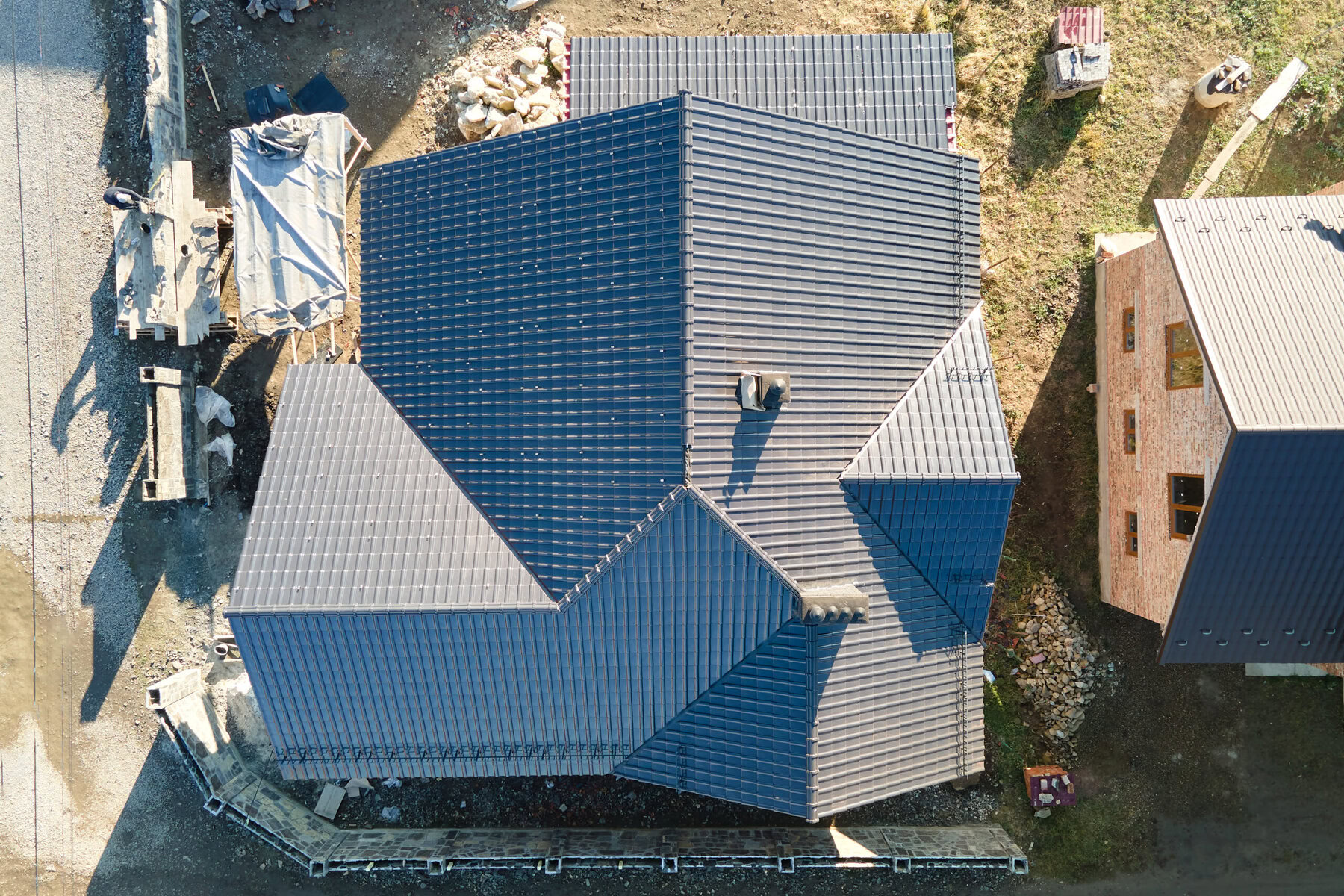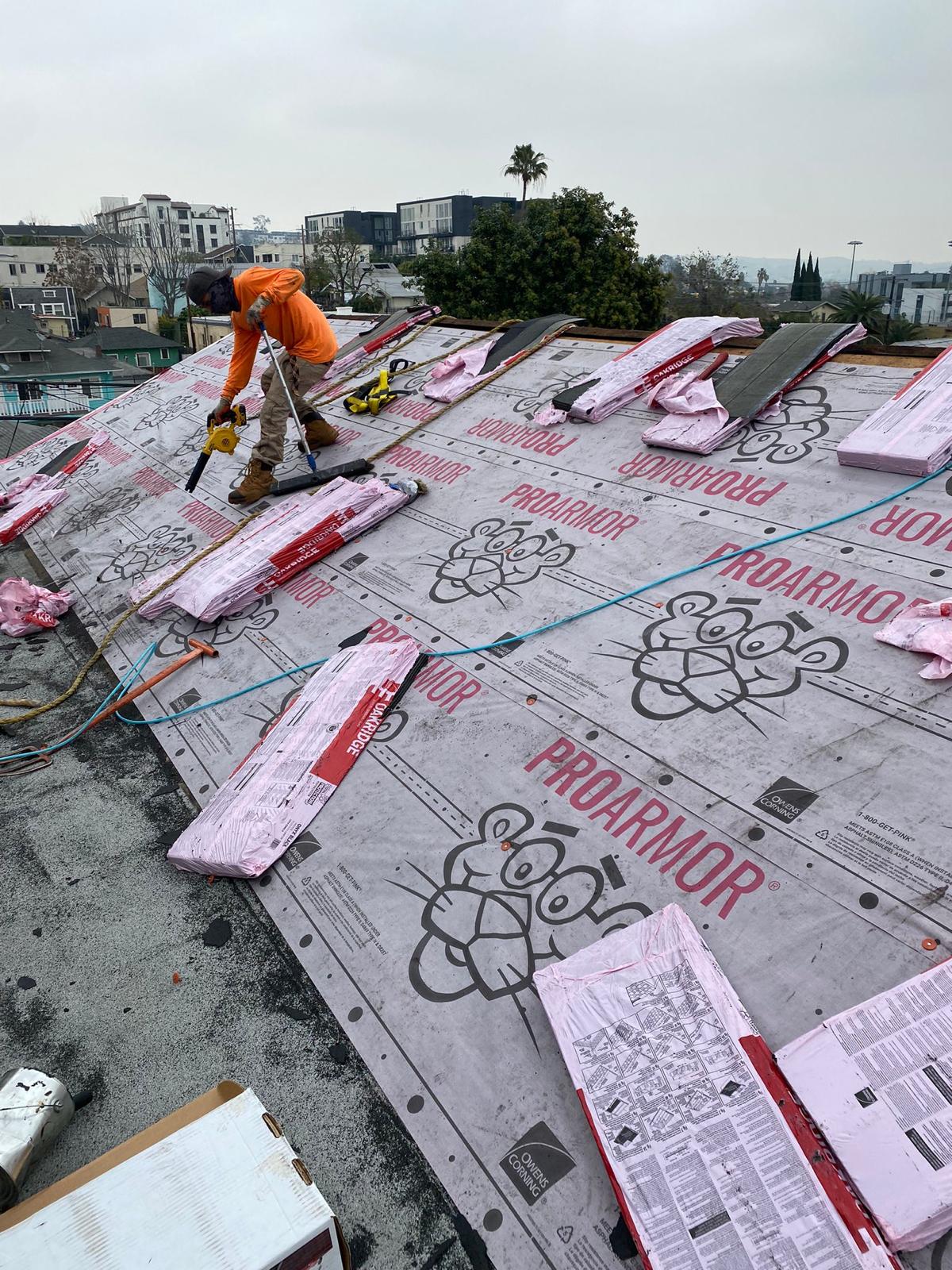
Ever looked up at your roof and had a minor panic attack? We get it. That patch of shingles, tiles, or flat membrane over our heads is one of those things we blissfully ignore until, well, we can’t. A leak appears, a shingle lands in the petunia bed, or the energy bill suddenly looks like a car payment. Roofing feels like a mysterious, expensive black box of a topic, but it doesn’t have to be.
Let’s pull back the curtain together. We’re going to walk through everything you need to know about keeping your roof in fighting shape, from routine check-ups to major surgery. And hey, we might even have a little fun along the way. After all, who says talking about asphalt and underlayment can’t be a good time? 🙂
Table of Contents
Why Your Roof Deserves More Than a Passing Glance
Think of your roof as the superhero cape of your house. It takes the brunt of the sun’s UV rays, stands firm against torrential rain, and laughs in the face of high winds—all while keeping us dry and comfortable inside. But even superheroes need a sidekick. That’s where a solid understanding and a good roofing company come in.
Ignoring your roof is like ignoring that weird engine noise in your car. It might be fine for a while, but eventually, you’re going to be stranded on the side of the road. A small, affordable repair today can prevent a catastrophic, wallet-emptying replacement tomorrow. It’s one of the smartest investments you can make in your property, whether it’s your home or your business.
The Tell-Tale Signs Your Roof is Crying for Help
Your roof is pretty chatty if you know how to listen. It’s constantly dropping hints about its health. Let’s decode the most common ones.
From the Ground: The Obvious Stuff
You don’t need to be a roof repair specialist to spot these red flags.
- Missing, Cracked, or Curling Shingles/Tiles: This is your roof’s most basic armor failing. If you see pieces missing or looking warped, it’s a clear sign of wear.
- Granules in the Gutters: Asphalt shingles shed their tiny, gravel-like granules as they age. Finding a bunch in your gutters is like finding your roof’s hair in the brush—it’s thinning!
- Sagging Areas: This is a big one. If any part of your roofline looks like it’s doing a subtle dip, it could indicate structural issues. Don’t wait on this.
From the Inside: The Sneaky Leaks
Sometimes the problem starts outside but announces itself in your living room.
- Water Stains on Ceilings or Walls: That mysterious brownish-yellow circle isn’t a modern art installation. It’s a sign that water has found a way in.
- Light Peeking Through: If you go up into your attic on a sunny day and see little pinpricks of light, guess what? Water can get in there, too.
- A Mysterious Spike in Your Energy Bill: A compromised roof can wreck your insulation’s efficiency, making your HVAC system work overtime.
When you see any of these, it’s time to call for a professional roof inspection. A pro can tell you if you need a simple residential roof repair or something more involved.
Your Roofing Service Menu: A Quick Guide
The world of roofing services can sound like alphabet soup. Let’s break down what you’re actually shopping for.
The Fixer-Upper: Roofing Repair
This is the most common call we get. It’s targeted and aims to solve a specific problem.
- Residential Roof Repair: Fixing leaks, replacing a few shingles, or repairing flashing around a chimney on a house.
- Tile Roof Repair: Very common here in Los Angeles. Our classic clay and concrete tile roofs are durable, but individual tiles can crack from impact or weather. A good specialist can often replace just the broken ones.
- Commercial Roof Repairs: Everything from patching a leak on a flat roof to fixing membrane seams. Speed is key here to minimize business disruption.
The Long Game: Roofing Maintenance
This is the secret sauce. Think of it as a gym membership for your roof. A little regular work prevents a major breakdown.
- Commercial Roof Maintenance: For business owners, a scheduled maintenance plan is a no-brainer. It’s far cheaper than emergency commercial roof repairs and extends the life of your asset significantly.
- Residential Check-ups: Having a pro take a look every year or two, especially after a big storm, can catch small issues before they become Niagara Falls in your hallway.
The Total Makeover: Roof Installation
Sometimes, repairs are just putting bandaids on a bullet wound. When a roof is at the end of its life, a replacement is the only sensible option. This is where you need a trusted roof installation contractor. The cost is higher, but so is the value and peace of mind.
The Secret Weapon: Roof Coating Services
This is one of the most underutilized services. A reflective roof coating is like sunscreen for your building. It can dramatically reduce interior temperatures, lower cooling costs, and add years to your roof’s life. It’s a fantastic, affordable upgrade, especially for flat or low-slope commercial roofs.
The Great Debate: Repair vs. Replace
This is the million-dollar question (well, hopefully not a million). How do you know which path to take? Here’s a simple table to help you weigh your options.
| Factor | When to REPAIR | When to REPLACE |
|---|---|---|
| Age of Roof | Your roof is less than 15-20 years old. | Your roof is nearing or has exceeded its expected lifespan (often 20-25 years for asphalt). |
| Extent of Damage | Damage is isolated to a small area (e.g., a few missing shingles, a leak around a vent). | Damage is widespread across multiple areas or the decking underneath is rotten. |
| Leak Frequency | You have one leak in one spot. | You’re playing whack-a-mole with leaks popping up in different places. |
| Your Long-Term Plan | You plan to sell the property soon or are on a tight budget. | You plan to live there long-term and want the security and value of a new roof. |
| Energy Efficiency | Your energy bills are normal. | Your bills are climbing and you suspect poor roof insulation/ventilation. |
Ultimately, a professional inspection from a company like ours, California Green Roofing, is the best way to get a definitive answer. We’ll give you the honest truth, not just a sales pitch.
Finding Your Roofing Soulmate: What to Look For
Okay, let’s be real. The roofing industry has its share of… let’s call them “fly-by-night” operators. How do you find a pro you can trust?
Credentials are Non-Negotiable
Always, and we mean always, verify that a roof service provider is:
- Licensed: This is a legal requirement in California. It’s your first line of defense.
- Insured: This includes both liability and worker’s compensation insurance. If an uninsured worker gets hurt on your property, you could be held liable. No thanks!
- Local: A company based near you understands the specific weather challenges of our Los Angeles environment. They’re also easier to hold accountable.
Get Everything in Writing
A handshake deal won’t cut it. A detailed, written estimate should break down the scope of work, materials to be used, the project timeline, and the total price. This protects both you and the contractor. FYI, if a contractor is vague about the cost, consider it a major red flag.
Why Go Local? The “Nearest” Isn’t Always the “Best”
A quick search for the nearest roofing company might get you a result, but it doesn’t guarantee quality. A established local company has a reputation to uphold in the community. We’ve built California Green Roofing on referrals and repeat business here in Los Angeles, which means we’re deeply motivated to get every single job done right.
Your Roofing Questions, Answered (No Jargon, We Promise)
Let’s tackle some of the most common questions we hear.
1. How much does a new roof actually cost?
We wish we could give you a single number, but it’s like asking “how much does a car cost?” The price depends on the size and pitch of your roof, the materials you choose (asphalt shingles, tile, metal, etc.), and the complexity of the job. The best way to get an accurate, affordable quote is to have a few reputable contractors provide written estimates. IMO, this is the only way to make an informed decision.
2. Can I just do the repairs myself?
Look, we admire the DIY spirit. But roofing is a different beast. It’s dangerous work, and a small mistake can lead to a massive, hidden leak. What looks like a simple shingle replacement could hide rotten wood underneath. Sometimes, it’s best to leave it to a roof repair specialist who has the training, safety gear, and experience to do it correctly the first time.
3. How long will my new roof last?
It depends heavily on the material and the quality of the installation. Here’s a general idea:
- Asphalt Shingles: 20-30 years
- Tile Roofs: 50+ years
- Metal Roofing: 40-70 years
Remember, proper installation and regular roofing maintenance are the keys to hitting—or even exceeding—those numbers.
Your Next Step is Easier Than You Think
So, there you have it. Your roof doesn’t have to be a source of stress or a financial mystery. It’s all about being proactive. A little attention goes a long way.
Whether you’ve spotted one of those warning signs, it’s just been a while since anyone looked at your roof, or you’re curious about the benefits of roof coating services, we’re here to help. At California Green Roofing, we believe in honest advice, quality workmanship, and treating your home or business as if it were our own.
Why not start with a no-obligation roof inspection? Let’s get you some peace of mind and a clear path forward. Give us a call; we’d be happy to chat about your project and how we can make your roof the reliable, hard-working protector it’s meant to be.