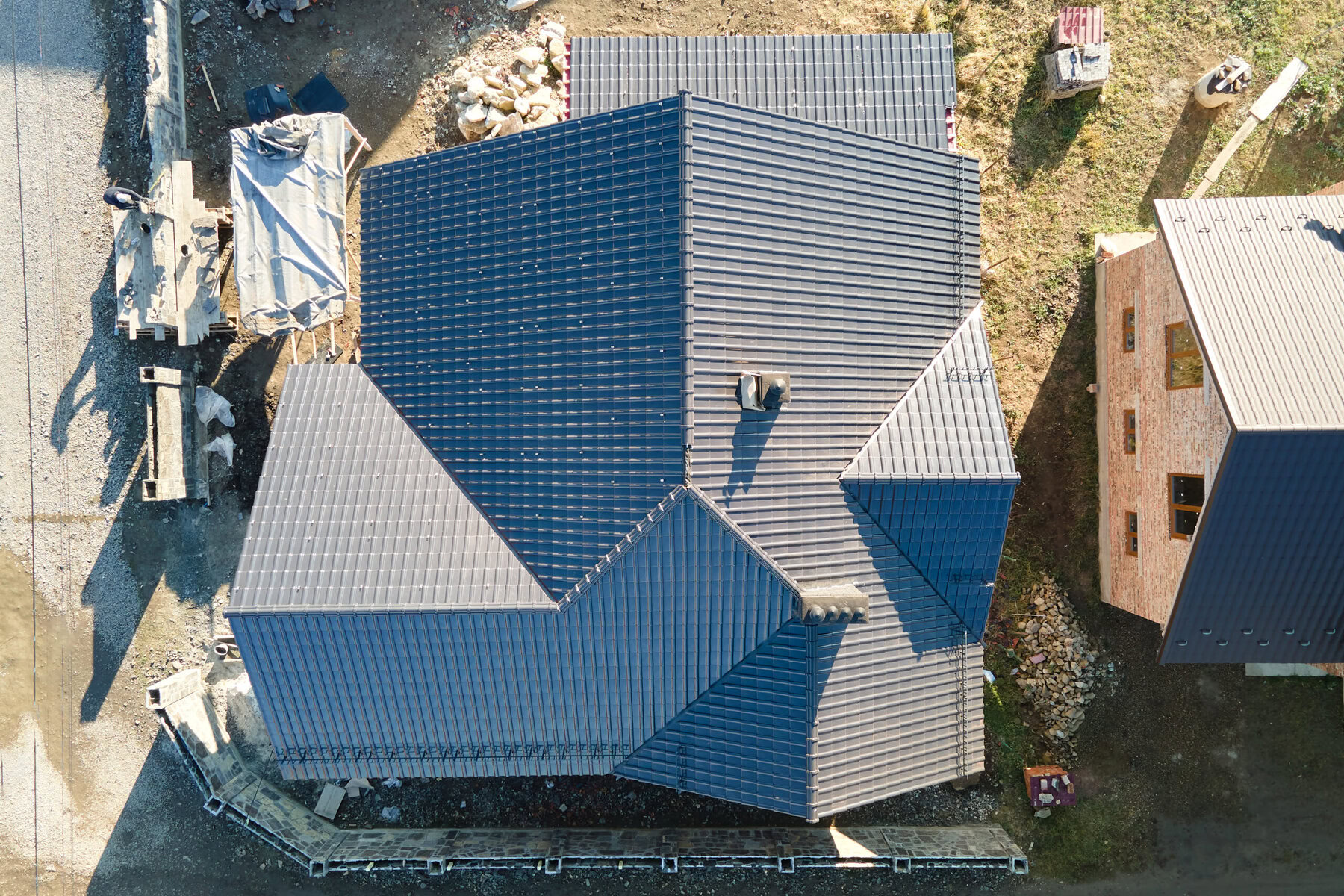
So you’re staring down a roof replacement, and somewhere in the back of your mind, you’re wondering if the color of your shingles actually matters for your energy bill. It does. More than most people realize. And the material you choose? That’s the difference between a house that fights the sun all day and one that works with it.
We’ve seen homeowners in Los Angeles spend thousands extra on cooling because they picked a dark roof that looked good in a brochure. We’ve also seen people rip off perfectly good tile because they didn’t realize reflective coatings existed. This post is about cutting through the noise—what actually works, what’s just marketing, and where you’ll get the most bang for your buck.
Key Takeaways
- Cool roofs can lower surface temperature by 50°F or more, directly reducing cooling costs.
- Lighter colors reflect more sunlight, but material composition matters just as much.
- Metal and clay tile with reflective coatings outperform asphalt in hot climates.
- Local building codes in Los Angeles now require cool-roof standards for most residential replacements.
- The most energy-efficient choice depends on your home’s structure, local climate, and budget—not just the color swatch.
Table of Contents
Why Your Roof Works Like a Solar Panel (In Reverse)
Most people think of a roof as a shield. It keeps rain out, blocks some sun, and that’s about it. But in reality, your roof is the single largest surface absorbing heat on your property. On a summer afternoon in Los Angeles, a dark asphalt roof can hit 160°F. That heat doesn’t just sit there—it transfers into your attic, then into your living space, forcing your AC to work harder.
We’ve measured attic temperatures drop by 20°F just by switching from dark asphalt to a light-colored metal roof. That’s not theoretical. That’s real data from real jobs in the San Fernando Valley. The principle is called solar reflectance, and it’s the single most important metric when evaluating energy efficiency.
The other factor is thermal emittance—how quickly the roof releases heat once it’s absorbed. Some materials hold onto heat like a grudge. Others shed it fast. You want both high reflectance and high emittance for maximum efficiency.
The Material Hierarchy for Hot Climates
Not all cool roofs are created equal. Here’s what we’ve learned from installing hundreds of roofs across Southern California.
Metal Roofing with Cool Coatings
Metal is our go-to recommendation for energy efficiency in Los Angeles. It naturally reflects more solar radiation than asphalt, and when you add a reflective coating (often called a cool coating), the performance jumps significantly. A white or light-gray standing seam metal roof can achieve solar reflectance of 0.7 or higher, meaning it reflects 70% of the sun’s energy.
The downside? Metal costs more upfront. You’re looking at roughly double the price of standard asphalt. But the lifespan is 40–60 years versus 15–20 for asphalt. And in a city with cooling seasons that run half the year, the payback on energy savings is real.
One thing we’ve noticed: homeowners often worry about metal roofs being noisy in the rain. With proper decking and insulation, that’s not an issue. We’ve installed dozens in the Hollywood Hills, and nobody’s complained about the sound.
Clay and Concrete Tile
Tile is king in Los Angeles for a reason. It’s durable, looks great, and performs well in heat. But not all tile is equal. Uncoated terra-cotta tile actually absorbs quite a bit of heat. The light-colored concrete tile, especially with a reflective glaze, is far superior.
The trick here is the coating. We’ve seen people install beautiful dark clay tiles thinking they’re getting a “natural” look, only to discover their attic is cooking. A light-colored concrete tile with a cool coating can achieve reflectance levels close to metal. And tile has the advantage of air circulation underneath—the tiles sit on battens, creating a gap that helps dissipate heat.
The weight is a factor. Tile roofs require structural reinforcement in many older Los Angeles homes. If you’re in a 1920s bungalow in Silver Lake, you’ll need an engineer to check the framing before going with tile.
Cool Asphalt Shingles
Standard asphalt shingles are the worst performer for energy efficiency. They absorb heat, degrade faster in direct sun, and have low reflectance. But there’s a newer category called cool asphalt shingles. These use specially coated granules that reflect more infrared light while still looking darker.
Are they as good as metal or tile? No. But they’re significantly better than traditional asphalt. We’ve used them on budget-conscious projects where the homeowner wanted a darker aesthetic but still wanted some energy benefit. They’re a compromise, but a reasonable one.
The catch: cool asphalt shingles cost about 15–20% more than standard ones. And they still have the same lifespan limitations. So you’re paying more for a roof that won’t last as long as metal or tile. Make that trade-off consciously.
Slate and Wood Shake
Let’s be honest. Slate is beautiful, heavy, and expensive. It’s also not great for energy efficiency. Natural slate is dark and absorbs heat. Wood shake is slightly better because wood has natural insulating properties, but it’s still not reflective. In Los Angeles, we rarely recommend either for energy-conscious homeowners. They’re aesthetic choices, not performance ones.
Color Isn’t Just About Aesthetics
Here’s where most people get tripped up. They think white is the only cool color. Not true. Cool pigments exist now that look dark to the human eye but reflect infrared light. So you can have a dark gray or even a deep green roof that performs close to a white one.
We installed a cool-coated dark charcoal metal roof on a house in Pasadena last year. The homeowner wanted a modern look but was worried about heat. The surface temperature on a 95°F day was 115°F. That same color in standard paint would have been over 150°F. The difference is in the pigment chemistry.
That said, lighter colors still outperform dark cool colors. If your HOA or personal taste allows it, go with white, beige, or light gray. If you need dark, look for products specifically labeled as “cool colors” with published solar reflectance values. Don’t trust the color name alone.
How Local Climate and Regulations Shape Your Choice
Los Angeles has specific building codes that affect roof replacements. Since 2014, the California Energy Code (Title 24) has required cool roofs for most residential re-roofing. The specifics depend on your climate zone and the slope of your roof. A low-slope roof (less than 2:12 pitch) has stricter requirements than a steep-slope roof.
We’ve seen homeowners get surprised by this during permit inspections. You can’t just pick any shingle off the shelf. The product needs to meet minimum solar reflectance and thermal emittance values. Most major manufacturers now produce compliant products, but it’s worth checking before you buy.
The local climate matters too. In coastal areas like Santa Monica, where summer temperatures are milder, the energy savings from a cool roof are less dramatic. In the inland valleys—Woodland Hills, Burbank, the San Gabriel Valley—where temperatures regularly hit 100°F, the savings are substantial. We’ve calculated annual cooling cost reductions of 15–25% in those areas with a high-performance cool roof.
Common Mistakes We See Homeowners Make
After years of doing this, certain patterns keep repeating. Here are the ones that hurt the most.
Assuming all light-colored roofs are cool roofs. They’re not. Some light-colored materials don’t have high reflectance. Always check the manufacturer’s published data for solar reflectance index (SRI). That’s the number that matters.
Ignoring attic insulation. A cool roof helps, but if your attic has R-19 insulation and massive air leaks, you’re still losing. We always recommend addressing attic insulation and ventilation alongside a roof replacement. The roof is part of a system, not a standalone solution.
Choosing based on warranty alone. Some manufacturers offer great warranties but mediocre energy performance. Read the fine print. Many “lifetime” warranties prorate after 20 years anyway. Don’t let a warranty lure you into a poor performance choice.
Forgetting about the underlayment. The material under your shingles or tiles also affects thermal performance. A radiant barrier underlayment can add measurable efficiency. It’s cheap insurance.
When a Cool Roof Isn’t the Right Answer
This might sound odd coming from someone who installs them, but cool roofs aren’t always ideal. In colder climates, you actually want a dark roof to absorb heat and reduce heating costs. But in Los Angeles, that’s rarely a concern. We have maybe a dozen nights a year where heating matters. The cooling load dominates.
Another exception: if your roof has significant shading from trees or neighboring buildings, the benefit of a cool roof diminishes. We’ve done homes in the hills where the roof is under oak canopy for half the day. In those cases, the money might be better spent on attic insulation or window upgrades.
Also, if you’re on a tight budget and planning to move in five years, the payback period on a premium cool roof might not make sense. A standard asphalt shingle in a medium color might be the pragmatic choice. Not every decision needs to be optimized for energy.
Cost vs. Value: What You’ll Actually Spend
Here’s a rough comparison based on typical Los Angeles projects. Prices vary by roof complexity, accessibility, and contractor, but this gives you a ballpark.
| Material | Cost per Square (100 sq ft) | Lifespan | Energy Savings Potential | Best For |
|---|---|---|---|---|
| Cool metal (standing seam) | $600–$900 | 40–60 years | High | Long-term owners, modern homes |
| Cool concrete tile | $500–$800 | 50+ years | High | Spanish/Mediterranean styles |
| Cool asphalt shingles | $350–$500 | 15–25 years | Moderate | Budget-conscious, medium-term |
| Standard asphalt shingles | $250–$400 | 15–20 years | Low | Short-term or rental properties |
| Cool clay tile (glazed) | $700–$1,200 | 50–100 years | High | Historic districts, premium homes |
The energy savings alone won’t pay for a metal roof in five years. But when you factor in the longer lifespan, reduced maintenance, and potential increase in home resale value, the math shifts. We’ve seen homes in Los Feliz sell faster with a cool metal roof than comparable homes with aging asphalt.
What to Look for in a Contractor
Not every roofer understands cool roof technology. We’ve taken over jobs where the previous contractor installed standard shingles on a south-facing roof in the Valley, ignoring the code requirements entirely. The homeowner ended up with a failed inspection and a hot attic.
Look for contractors who:
- Can provide manufacturer documentation for SRI values.
- Understand Title 24 requirements for your specific climate zone.
- Offer attic ventilation assessments as part of the quote.
- Have experience with the specific material you’re considering.
If you’re in Los Angeles, cool roof technology has been studied extensively, and the data supports what we see in the field. Don’t take a contractor’s word alone—ask for the numbers.
The Practical Path Forward
Start with an energy audit. Many utility companies offer them free or at low cost. That will tell you where your home is losing energy. Then, based on your roof’s condition and your budget, decide whether a full replacement is needed or if a reflective coating on your existing roof might buy you time.
If you’re replacing, prioritize materials with published SRI values above 0.6 for steep-slope roofs and above 0.7 for low-slope. That’s the sweet spot where you’ll notice a difference in your comfort and your bill.
And don’t forget the color. Even with cool pigments, lighter is better. If you’re set on dark, ask about cool-colored options from reputable manufacturers like CertainTeed, GAF, or standing seam metal from companies like McElroy Metal. They all have published data.
We’ve been doing this long enough to know that every house is different. What works for a Mid-Century Modern in the Hills won’t work for a Craftsman in South Pasadena. But the principles hold: reflect more, absorb less, and ventilate well.
If you’re feeling stuck, talk to someone who’s actually installed these roofs in your neighborhood. Not just a salesperson who read a brochure. Someone who’s stood on a roof in August and felt the difference between a cool tile and a hot asphalt one. That experience matters more than any spec sheet.
Final thought: Your roof is a long-term investment. The energy savings are real, but they’re not the only reason to choose wisely. A cool roof makes your home more comfortable, reduces strain on your HVAC system, and in Los Angeles, it’s often required by code. Do the research, get the numbers, and make a choice you won’t second-guess in July.
If you’re in the Los Angeles area and considering a roof replacement, California Green Roofing can help you evaluate your options based on your specific home and budget. We’ve seen what works and what doesn’t in this climate.