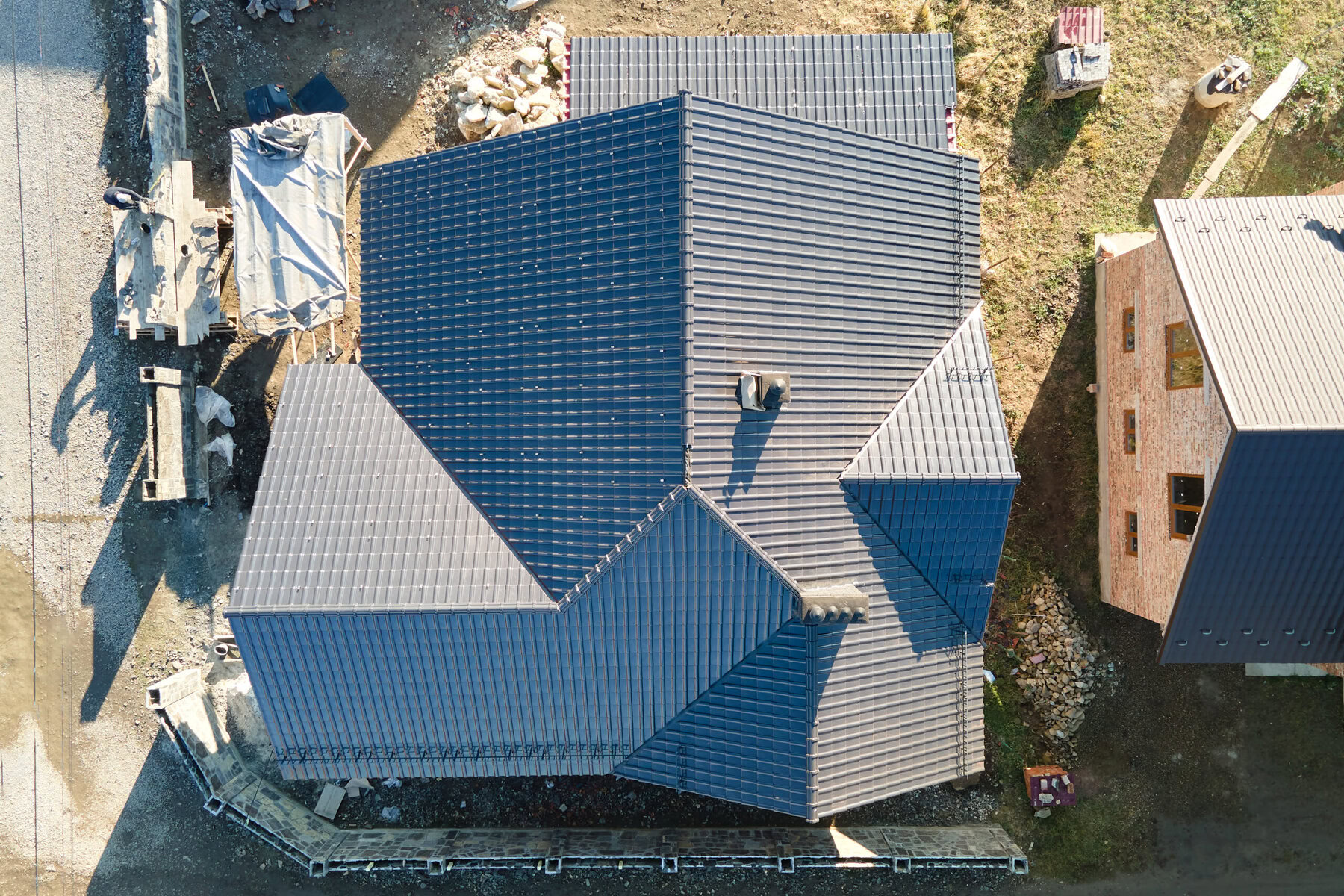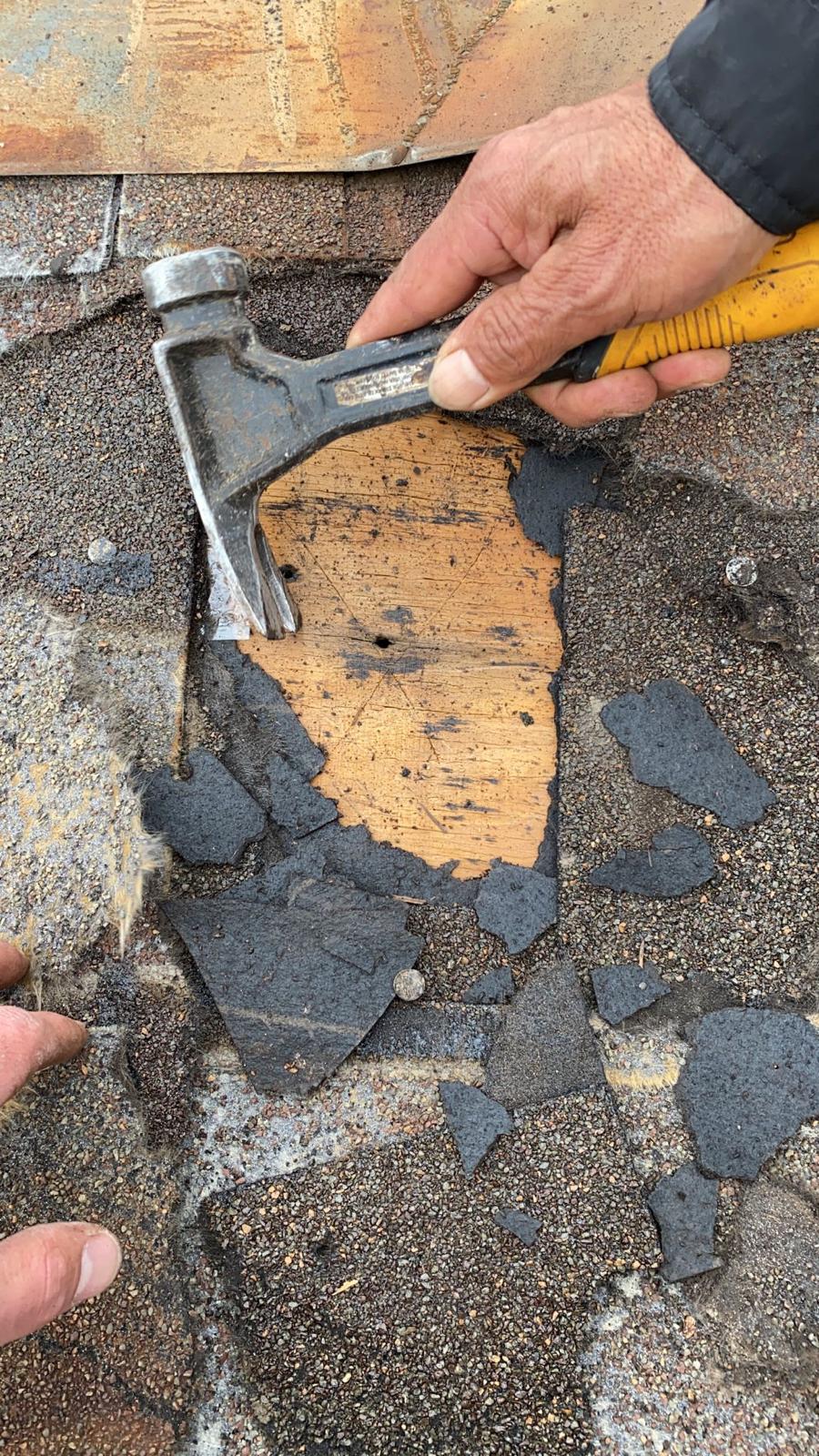
Let’s be honest, our roofs don’t get a lot of love until something goes wrong. We notice a leak, spot a missing shingle, or see a neighbor getting a gorgeous new installation, and suddenly we’re scrambling. It’s a world of confusing terms, scary price estimates, and the big question: is this a quick fix or a sign of the apocalypse for my home? Well, take a deep breath. We’re going to walk through this together, decode the jargon, and talk about what really matters when it comes to protecting your biggest investment.
Table of Contents
The Universal Roofing Rule: It’s All About Timing
Here’s the golden rule we’ve learned from decades in Los Angeles: the cost of ignoring a small problem is always, always higher than the cost of fixing it early. That slight discoloration on your ceiling or the single cracked tile isn’t just an eyesore; it’s your roof sending an SOS. Waiting for the next big rainstorm (yes, we get them!) to investigate is like ignoring a check engine light until your car stalls on the 405. Not ideal.
This is where a professional roof inspection becomes your best friend. Think of it as a routine physical for your home. A good roof repair specialist won’t just point out the obvious; they’ll spot the subtle signs of wear that could lead to major roofing repair bills down the line. IMO, scheduling a bi-annual check, especially after Santa Ana winds or our sporadic heavy rains, is the smartest, most affordable preventative move you can make.
Residential vs. Commercial: It’s a Different Ball Game
Now, the approach to roofing splits pretty dramatically depending on whether you’re talking about your home or your business. The goals are similar—keep the elements out—but the scale, materials, and priorities are worlds apart.
For the Homeowners: Your Castle’s Crown
Residential roof repair is personal. It’s about curb appeal, property value, and the literal shelter over your family’s head. The problems are often more localized but can be insidious.
- Common Issues: Wind-damaged shingles, cracked or missing tile roof repair needs (so common in our older L.A. neighborhoods), clogged gutters causing water backup, and wear around chimneys or vents.
- The Materials Maze: Asphalt shingles, clay/concrete tile, metal, slate. Each has a different lifespan, cost, and repair methodology. A roof installation contractor worth their salt will never recommend a repair that compromises the integrity of the existing material system.
- The Personal Touch: We love walking a homeowner through their options. Sometimes, a targeted repair is perfect. Other times, if the roof is older and has multiple failing areas, a replacement actually becomes the more affordable long-term solution. It’s our job to give you the real picture, not just the quick fix.
For the Business Owners: Protecting Your Bottom Line
Commercial roof maintenance is a strategic operation. Downtime is lost revenue, and interior damage can disrupt your entire business. The flat or low-slope roofs common on commercial buildings have their own unique playbook.
- Focus on Prevention: Commercial roof repairs are often about membrane integrity, ponding water, and securing flashing. Proactive roofing maintenance like clearing drains and checking seams is non-negotiable.
- The Power of Coatings: This is a huge one. Roof coating services can extend the life of a commercial roof dramatically by reflecting UV rays and sealing minor imperfections. It’s often a brilliant, cost-effective alternative to a full tear-off.
- Minimizing Disruption: A good roofing company plans commercial work to cause the least possible interference with your business operations. After all, you have customers to serve and a team to manage.
Breaking Down the Big “R” Words: Repair vs. Replacement
This is the million-dollar question (sometimes literally). How do you know which path you’re on? Let’s simplify it with a handy table.
| The Deciding Factor | Leans Toward REPAIR | Leans Toward REPLACEMENT |
|---|---|---|
| Age of Roof | Significantly younger than its expected lifespan. | Nearing or past its expected lifespan (e.g., 20+ years for asphalt). |
| Extent of Damage | Damage is localized (one area, a few tiles, a single leak source). | Damage is widespread, with multiple leak sources or general deterioration. |
| Underlayment Health | The decking/underlayment beneath the surface material is still solid. | Water intrusion has rotted the decking, compromising structural integrity. |
| Recurring Issues | This is the first or second time you’ve addressed this specific issue. | You’re calling for roofing repair on the same roof every few years. |
| Financial Consideration | A one-time, affordable fix that aligns with your current budget. | Repeated repairs are adding up, making a one-time replacement more logical. |
The bottom line? You need an expert opinion. A trustworthy roof service provider will give you the honest assessment, not just the sale they want to make. At our company, California Green Roofing in Los Angeles, we’ve built our reputation on giving homeowners and business owners the clear, unvarnished truth about their roof’s condition.
The L.A. Factor: Why Our City is a Special Case
Okay, let’s talk about our beautiful, demanding city. Los Angeles roofing isn’t for the faint of heart. Our roofs face a unique cocktail of challenges:
- Sun & Heat: Constant UV bombardment bakes and brittles materials.
- Smog & Salt Air: Depending on your nearest proximity to the ocean or downtown, these elements can accelerate corrosion and wear.
- Dramatic Temperature Swings: Ever have a 40-degree difference between day and night? Your roof feels that expansion and contraction every single time.
- The Rare But Heavy Rain: When it rains, it can pour. A roof that’s barely hanging on in the sun can fail spectacularly under a sudden downpour.
This is why choosing a local Los Angeles roof installation contractor matters. We understand these conditions intrinsically. We know which materials perform best in which neighborhoods and how to install them to withstand our specific environment. Choosing someone from out of the area who doesn’t get this? Well, let’s just say it’s a risky bet.
Getting It Done: What to Expect When You Call a Pro
So you’ve decided to take action. Fantastic. Here’s what the process should look like with a reputable company:
- The Detailed Inspection: This isn’t a guy squinting from a ladder. It should be a thorough, hands-on examination of your roof’s surface, flashings, vents, gutters, and attic space (if accessible).
- The Clear Explanation & Quote: You should get a plain-English breakdown of what’s wrong, why it’s happening, and your options. The price quote should be detailed, with no hidden fees. FYI, if a quote seems suspiciously low compared to others, your spider-senses should be tingling.
- The Plan: For repairs, a timeline. For replacements, a discussion of materials, colors, and the installation process.
- The Execution: Clean, professional work by a trained crew. This includes site protection and a thorough cleanup afterward. Your yard shouldn’t look like a construction warzone when they leave.
- The Follow-up: A final walkthrough and a discussion of warranties, both on materials and labor.
Your Top Roofing Questions, Answered
How often should I really get my roof inspected?
For most homes in L.A., we recommend a professional inspection every two years. For commercial properties, an annual commercial roof maintenance check is wise. Always get an inspection after any major weather event with high winds or hail.
Can I just do the repair myself?
For minor gutter cleaning or replacing a single, easily accessible shingle? Maybe. But for anything involving leak diagnosis, tile work, or membrane repair, please call a pro. Water damage is sneaky, and a DIY fix often just redirects the problem somewhere else, making the eventual professional roofing repair more complex and expensive. We’ve seen it too many times 🙂
Why are there such huge differences in quotes from different roofing companies?
This is crucial. A lowball quote often means inferior materials, less experienced (and cheaper) labor, or cutting corners on safety and insurance. A very high quote might include unnecessary upsells. The right quote from a reputable roofing company like California Green Roofing reflects fair market cost for quality materials, skilled certified labor, proper permits, and comprehensive insurance. Always verify licensing and insurance!
At the end of the day, your roof is a system. It needs attention, understanding, and sometimes a little professional love. Don’t wait for the drip to become a flood. Get a trusted expert to look at it, get the facts, and make a plan. Your future, dry, stress-free self will thank you. And if you’re near Los Angeles and want a straight-talking, experienced team to help you figure it all out, you know who to call. Let’s keep your shelter strong.