

I appreciated the reliable communication throughout the entire job. They kept me in the loop without me having to check in. It made the process feel easy and stress free.

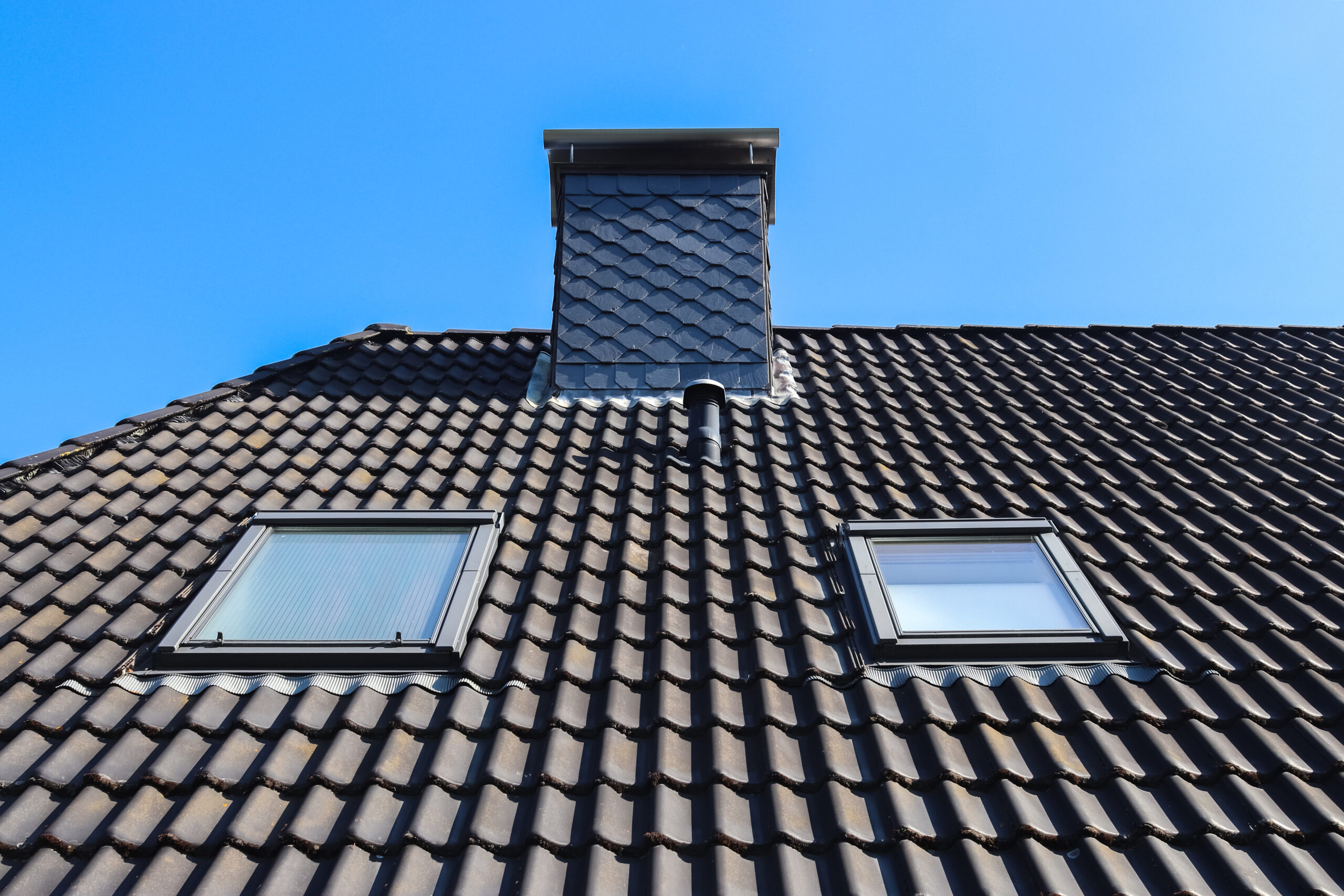
After years of patching, we decided it was time for a full roof installation. Living in Reseda means constant sun exposure, so quality mattered to us. The installation team showed up on time and kept our yard clean. They explained ventilation and insulation in ways we could understand. I can already tell the difference inside the house. California Green Roofing methods truly made us feel confident in our investment. Highly recommend if you’re planning a long-term upgrade.

We built an addition to our home and needed a brand-new roof installation. With Reseda’s hot climate, we wanted something durable and energy efficient. The whole process felt organized and smooth from start to finish. The crew worked carefully even during warm afternoons. The California Green Roofing style materials seem to reflect heat better already. Our home feels cooler and looks beautiful. I highly recommend this service to any homeowner upgrading their space.

After last summer’s intense sun in Reseda, I was worried about hidden damage. The roof inspection was detailed but easy to understand. Every small crack and weak spot was pointed out clearly. I liked that nothing was exaggerated, just honest feedback. California Green Roofing standards really made a difference in how comfortable I felt. Now I’m confident heading into the cooler months. I highly recommend getting this done before small issues grow.

I would highly recommend this team for any roofing needs. We did a complete roof replacement, and the whole process was smooth from the time of the quote to the final walk-through. The team was extremely professional, showing up right on time and leaving the site spotless each day. Our new roof looks amazing, and the workmanship and materials are definitely top-notch. It's a big expense, but they made it totally stress-free.
We had a roof repair done in Reseda and we were very satisfied with the experience !
The team quickly identified the issue and explained the repair process.
The work was completed efficiently and the area was left clean afterwards.
Our roof now feels secure and well protected.

The techs cleaned after the site like it was never worked on, which was a big relief. No nails or debris left behind at all. I really appreciated that attention to detail.
The 25% rule in roofing is a common insurance guideline used to determine when a roof needs full replacement versus repair. It states that if an insured roof sustains damage to 25% or more of its total surface area, many insurance policies will mandate a full roof replacement rather than covering only partial repairs. This rule exists because patching a roof that is significantly compromised can lead to future problems with matching materials, ensuring uniform performance, and maintaining structural integrity. It's crucial for homeowners to review their specific policy language, as this is a general industry standard and not a universal law. Consulting with a qualified roofing professional and your insurance adjuster is essential after any significant storm or damage event.
Proper commercial roof maintenance is a proactive, systematic process essential for maximizing a roof's lifespan and protecting your building investment. It begins with regular, scheduled inspections—at least twice a year and after major weather events—to identify minor issues like punctures, ponding water, or membrane blisters before they escalate. A comprehensive maintenance plan includes keeping drainage systems clear of debris, ensuring flashings and penetrations are sealed, and promptly addressing any repairs. Documenting all inspections and work performed is crucial for warranty compliance and long-term planning. For a detailed breakdown of professional service protocols, we recommend reviewing our internal resource on Commercial Roof Maintenance Services.
To determine if a roofer might be misleading you, watch for several red flags. A trustworthy professional provides a detailed, written estimate that clearly outlines materials, labor costs, and project timeline. Be wary of high-pressure sales tactics, requests for large upfront cash payments, or a refusal to provide proof of licensing and insurance. A legitimate roofer should have verifiable references and a physical business address. Vague answers about the scope of work or the use of terms like "special deal" that expires immediately are also concerning. Always get multiple quotes and check online reviews to gauge reputation and consistency in their story.
The replacement frequency for a commercial roof depends on the material, installation quality, and maintenance. Typically, a well-maintained single-ply membrane (like TPO or EPDM) can last 20-30 years, while built-up roofing (BUR) may last 15-30 years. Metal roofs often have a lifespan of 40+ years. Key factors include regular bi-annual inspections, prompt repairs of leaks or damage, and ensuring proper drainage. Environmental exposure like intense sun or severe weather can accelerate wear. Following a proactive maintenance plan and addressing minor issues promptly can maximize roof life, but a professional assessment every 10-15 years is advisable to evaluate remaining service life and plan for eventual replacement.


75 reviews
