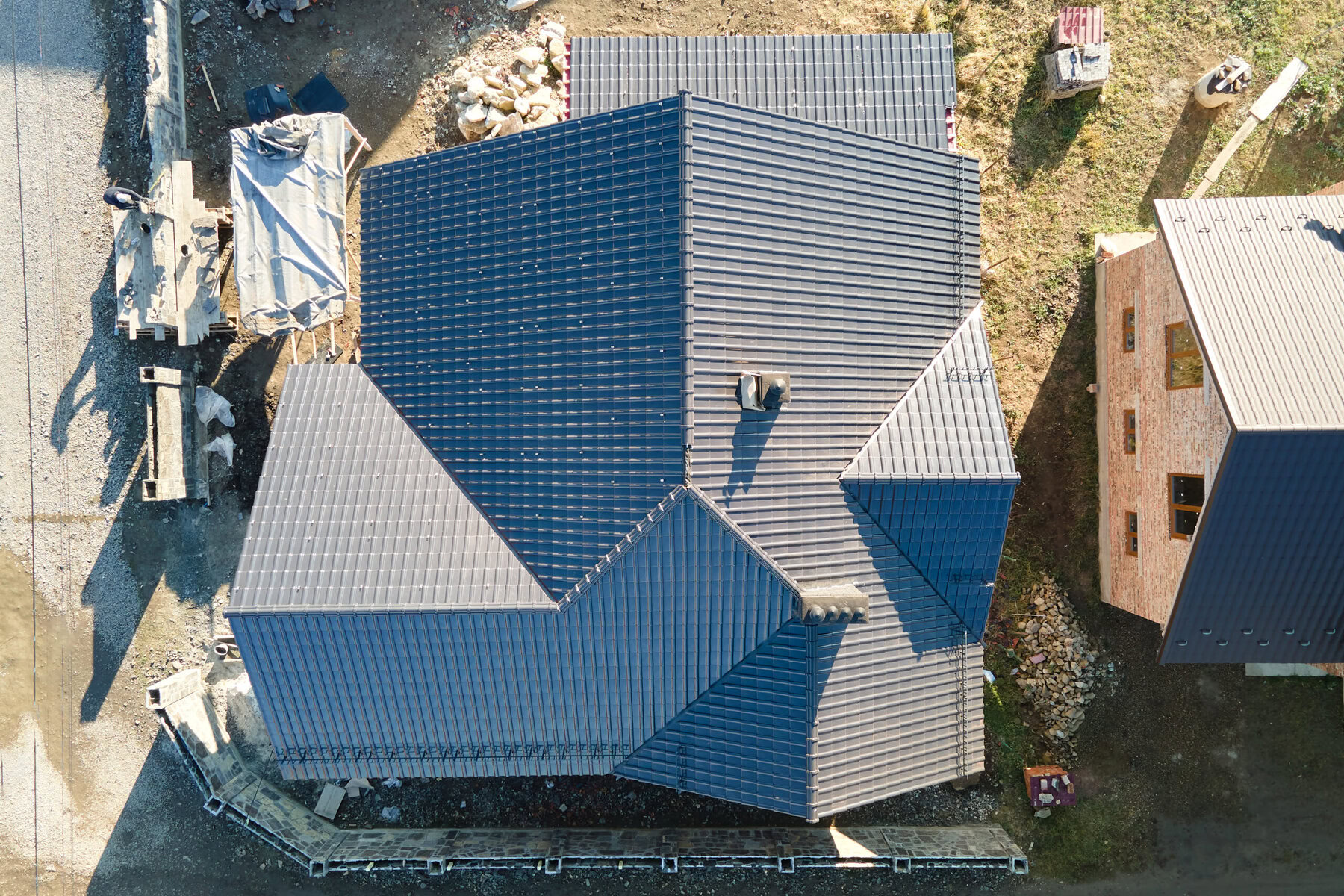
Let’s be honest, our roofs don’t get a lot of love until something goes wrong. We notice a leak, spot a missing shingle, or see our neighbor getting a gorgeous new roof and think, “Hmm, maybe we should look into that.” But here’s the thing: your roof is arguably the most important part of your home or business. It’s the shield against everything Los Angeles weather throws at us, from that blazing sun to the occasional (but surprisingly intense) downpour. And figuring out what you need—be it a simple roofing repair or a full roof installation—can feel overwhelming. That’s where we come in. At California Green Roofing, we’ve spent years as your local roofing company, and we’re here to cut through the noise.
Table of Contents
The Great Roofing Debate: Repair vs. Replace
This is the million-dollar question, isn’t it? Well, hopefully not a million, but you get the point. Knowing whether to patch things up or start fresh is crucial for your wallet and your peace of mind.
When a Repair is Your Best Friend
Think of roofing repair as preventative medicine. A small issue, caught early, saves you a world of hurt (and cash) later. Here’s when calling a roof repair specialist makes perfect sense:
- Localized Damage: A few tiles blew off in a Santa Ana wind event, or you’ve got a leak isolated to one area. We’re talking tile roof repair or a targeted fix, not a system-wide failure.
- The Roof is Relatively Young: If your roof is only halfway through its expected lifespan, a repair is almost always the most logical move.
- Budget is a Primary Concern: Upfront cost is a huge factor. A quality repair from a trusted roofing company is far more affordable than a full replacement.
When It’s Time to Talk Replacement
Sometimes, love just isn’t enough. Continually repairing an aging roof is like putting bandaids on a dam. Eventually, it’s going to fail. Consider a replacement if:
- You’re facing frequent, recurring leaks. If every rainstorm has you grabbing buckets, the problem is systemic.
- The decking (the wood underneath your roofing material) is compromised. No amount of surface repair fixes rotten wood.
- Your roof is simply old. Most asphalt shingle roofs last 20-25 years. Pushing it further means you’re on borrowed time.
- You’re planning to sell. A new roof is a massive selling point and can increase your home’s value.
Honestly, the best way to know for sure? A professional roof inspection. We can’t tell you how many times we’ve given a free inspection and saved a homeowner from an unnecessary replacement, or conversely, given them the hard truth that repairs are just throwing good money after bad. It’s what we do.
Your Roof’s Secret Weapon: The Power of Proactive Maintenance
Okay, lecture time. But a friendly one! We see it all the time: a complete neglect of roofing maintenance until there’s a crisis. IMO, this is the single biggest mistake property owners make. Think of it like going to the dentist. A little cleaning twice a year beats a root canal every time.
For residential roof repair, regular checks after big storms, clearing debris from valleys and gutters, and ensuring your attic ventilation is working can add years to your roof’s life. For businesses, commercial roof maintenance is even more critical. A small leak can damage inventory, disrupt operations, and lead to massive commercial roof repairs down the line.
A good maintenance plan from a company like ours typically includes:
- Biannual inspections (before summer heat and winter rains).
- Debris removal and gutter cleaning.
- Checking and resealing flashings around vents, chimneys, and skylights.
- For flat commercial roofs, ensuring drains are clear is a top priority.
It’s not the sexiest part of roofing, but it’s the smartest. A little care saves a ton on the eventual price of major fixes.
Beyond Shingles: Specialized Services You Might Need
Roofing isn’t one-size-fits-all. Different materials and problems require different experts. Here’s a quick breakdown of some specialized roof service areas:
- Tile Roof Repair: Very common here in SoCal. Tiles are durable but brittle. A skilled technician can replace broken tiles and re-bed ridge caps without having to re-roof the entire structure. It’s a craft.
- Commercial Roof Repairs & Coatings: This is a world of its own—TPO, EPDM, Modified Bitumen. Commercial roof repairs often involve seam welding, patching, and most powerfully, roof coating services. A reflective coating can extend a commercial roof’s life by a decade, improve energy efficiency, and is a fantastic affordable alternative to a full tear-off.
- The Mighty Roof Inspection: We mentioned it before, but it deserves its own spotlight. This isn’t just a guy looking from a ladder. A proper inspection involves walking the roof, checking the attic for moisture, assessing ventilation, and documenting everything with photos. It’s the foundation of any good roofing maintenance plan.
Navigating the Jungle of Costs and Contractors
Let’s talk numbers. We know the cost is what keeps most people up at night. The truth? It varies wildly based on size, material, pitch, and accessibility. But to give you a frame of reference, here’s a basic table. Remember, these are rough estimates—your specific quote could differ.
| Service Type | Average Price Range (Los Angeles Area) | What Influences the Cost |
|---|---|---|
| Emergency Roof Repair | $400 – $1,500+ | Size of leak, time of day, materials needed, roof accessibility. |
| Standard Residential Repair | $650 – $4,000 | Extent of damage, roofing material (tile vs. shingle), need for decking repair. |
| Roof Coating Services | $1.50 – $4.50 per sq. ft. | Type of coating, roof condition, number of coats, warranty length. |
| Full Roof Replacement | $8,000 – $25,000+ | Square footage, material quality (basic shingles to premium tile), roof complexity. |
Finding the Right Roof Installation Contractor
This is the most important decision you’ll make. Here’s our blunt advice:
- Get Local: Search for the nearest reputable contractors, not just the cheapest. A company near you understands local building codes and weather challenges.
- Licensed & Insured is Non-Negotiable: Don’t even entertain a quote without proof. This protects you from massive liability.
- Get Multiple Quotes: But remember, the lowest bid can often be the most expensive in the long run if the work is shoddy.
- Check Reviews & Ask for References: What are past customers saying? Any roofing company worth its salt will have a portfolio and happy clients to share.
Why do we think California Green Roofing stands out in Los Angeles? Because we live here too. We’ve seen what the sun and rare rains do. We build and repair roofs to withstand our unique environment, and we stand behind our work with clear warranties. We’re not just a faceless roofing company; we’re your neighbors.
Your Burning Roofing Questions, Answered
1. How often should I really get my roof inspected?
At a minimum, once a year. Twice is ideal—in spring and fall. After any major weather event (high winds, hail, heavy rain), it’s wise to do a visual check from the ground or schedule a professional inspection. Catching a problem early is the ultimate money-saver.
2. Can I just do repairs or maintenance myself?
We’ll be real: we don’t recommend it. Roof work is dangerous. Beyond the fall risk, you can easily cause more damage by walking on tiles or shingles incorrectly. Plus, a trained eye spots subtleties you might miss. What looks “fine” to you might be hiding major decking rot. Leave it to a roof repair specialist.
3. How long will a new roof actually last?
It depends entirely on the material! Here’s a quick FYI:
- Asphalt Shingles: 20-30 years
- Concrete Tile: 30-50 years
- Metal Roofing: 40-70 years
- Single-Ply Commercial (TPO/EPDM): 20-30+ years
Proper roofing maintenance is the key to hitting (or exceeding) those lifespans.
So, what’s the takeaway? Your roof deserves more than just crisis management. Whether it’s a proactive maintenance plan, a precise tile roof repair, or the big decision to replace it, the right knowledge and the right partner make all the difference. Don’t wait for the drip-drip-drip to start. Be the smart property owner who stays ahead of the game. And if you’re ever unsure, just reach out for a professional opinion. We at California Green Roofing are always here to help you make the best decision for your home or business, with no pressure, just honest advice. After all, a solid roof over your head is the foundation for everything else 🙂