Let’s be honest, our roofs don’t get a lot of love until something goes wrong. We notice a leak, spot a missing shingle, or see a neighbor getting a gorgeous new roof and think, “Huh, maybe we should look into that.” But here’s the thing: your roof is the MVP of your home or business. It works 24/7, taking a beating from the Los Angeles sun, the occasional downpour, and yes, even the rare hailstorm. Treating it as an afterthought is like only changing your car’s oil when the engine starts smoking—not a great long-term strategy.
We’ve seen it all in our years in the industry. The panic call after the first big rain, the surprise during a routine roof inspection that reveals years of hidden damage, the homeowner who thought a roof repair was a quick weekend DIY project (spoiler: it’s not). That’s why we’re having this chat. Whether you’re dealing with a leaky emergency, planning a proactive roofing maintenance schedule, or considering a full replacement, let’s walk through what you really need to know. No jargon, no sales pitch, just straight talk from one enthusiast to another.
The Great Repair vs. Replace Debate: It’s Not Always Obvious
So, you’ve got a problem. A leak, some cracked tiles, maybe some granules in the gutters. Your first instinct might be to find the nearest roofing company for a patch job. Sometimes, that’s absolutely the right move. Other times, you’re throwing good money after bad. How do you tell the difference?
A skilled roof repair specialist can perform miracles. For tile roof repair, a good technician can often replace individual tiles without disturbing the whole system. For asphalt shingles, localized fixes can buy you significant time. The key is the scope. If the issue is isolated and the rest of your roof is in decent shape, repair is your affordable hero.
But let’s get real. If your roof is nearing the end of its lifespan and you’re facing multiple issues, constant patching becomes a money pit. We’ve had clients who spent more on three years of repeated commercial roof repairs than a new roof would have cost. IMO, that’s the definition of false economy.
Here’s a quick cheat sheet:
- LEAN TOWARD REPAIR: Damage is confined to one area. The roof is less than 15 years old (for asphalt). It’s a simple fix like a pipe flashing or a few wind-lifted shingles.
- LEAN TOWARD REPLACE: You have leaks in multiple places. The decking (the wood underneath) is soft or rotten. The roof is past its expected lifespan. You’re doing it for curb appeal and resale value.
Beyond Shingles: The Unsung Heroes of Roofing Services
When most folks think “roof service,” they picture someone on a ladder hammering shingles. And sure, that’s a big part of it. But the roofing world is so much broader, and some of these services can save you a fortune.
Commercial Roof Maintenance: This isn’t just a nice-to-have; it’s a financial safeguard. For a flat or low-slope commercial roof, a semi-annual or annual maintenance program is like a regular physical for your building. We catch small punctures, clear clogged drains, and address minor membrane issues before they become catastrophic interior damage. The cost of a maintenance plan is a fraction of the price of major interior repairs.
Roof Coating Services: This is one of our favorite “secret weapon” services. A high-quality reflective coating applied over an existing, sound roof membrane can extend its life by 10-15 years. It reflects UV rays (a huge deal near the coast and in the valley), improves energy efficiency, and seals minor imperfections. It’s often a brilliant solution for commercial roof maintenance strategies and even some residential applications.
Professional Roof Inspections: Never, ever skip this. Whether you’re buying a home, filing an insurance claim, or just doing your due diligence every few years, a professional inspection tells you the unvarnished truth. A good inspector will give you a realistic picture of your roof’s health and a prioritized list of recommendations. It takes the guesswork out and gives you back control.
Choosing Your Crew: It’s More Than Just a Google Search
Alright, let’s say you’re ready to take action. You type “roofing company Los Angeles” into a search bar and get… a thousand results. How do you choose without losing your mind?
First, let’s bust a myth: the cheapest price is almost always the most expensive choice. Roofing is a skilled trade with high material costs. A suspiciously low bid usually means cutting corners on materials, labor, or insurance. You want a roof installation contractor or roof repair specialist who stands behind their work for the long haul.
Here’s what we always recommend you look for:
- Proper Licensing & Insurance: This is non-negotiable. Ask for their CSLB license number and proof of insurance. If they hesitate, run.
- Local Experience: A company that knows the specific weather patterns and building codes in your area is invaluable. What works in Florida doesn’t fly here in LA.
- Detailed, Written Estimates: A professional estimate breaks down material costs, labor, timeline, and warranty info. Vague quotes lead to nasty surprises.
- Communication: Do they answer your calls? Explain things clearly? You’re going to be in a partnership with these folks for a while. You shouldn’t need a decoder ring to talk to them.
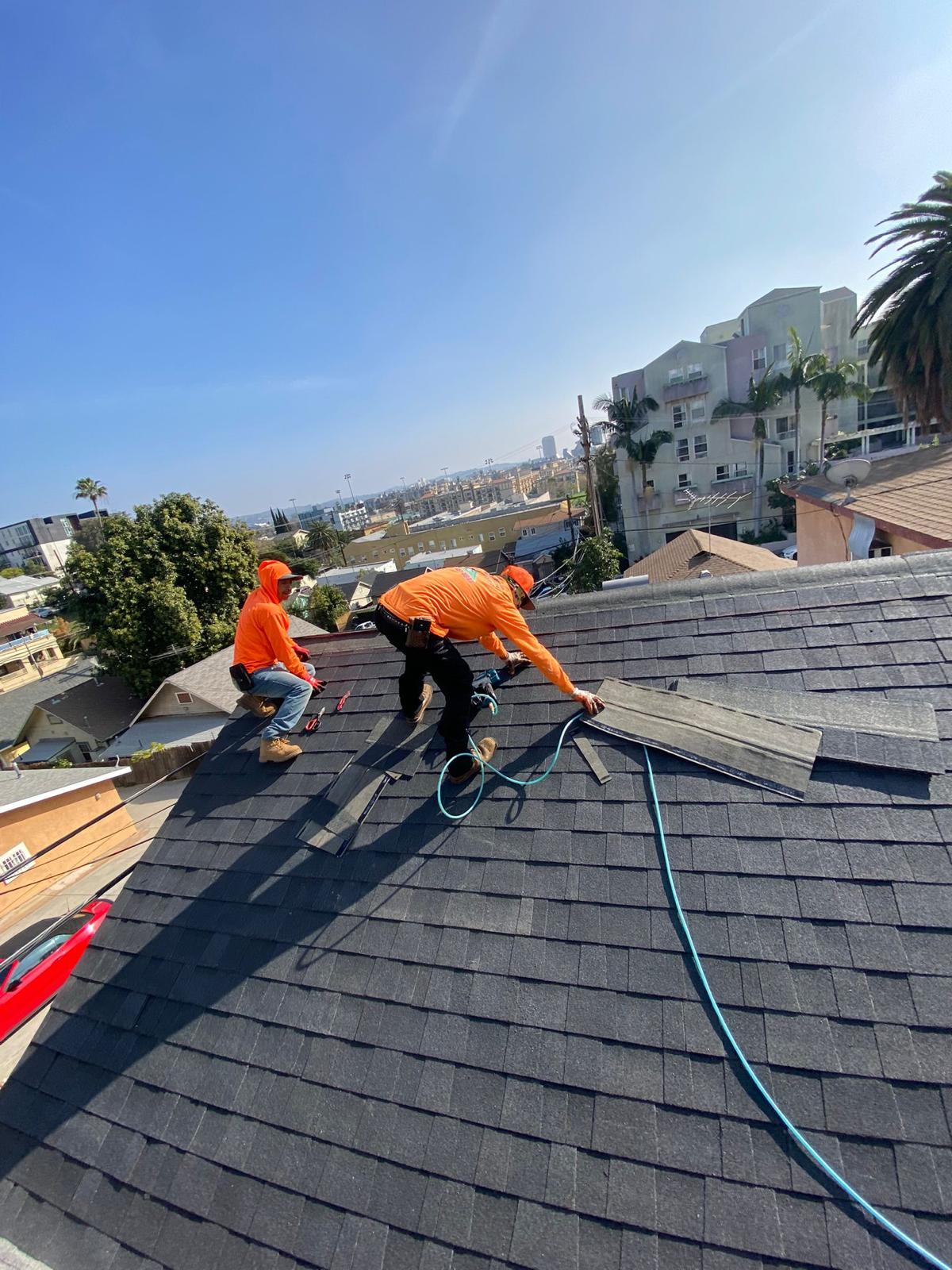
And hey, while we’re on the topic, this is where we at California Green Roofing have built our entire reputation. We’re based right here in LA, we handle everything from residential roof repair to massive commercial roof repairs, and we believe in clear communication and no surprises. If you’re feeling overwhelmed by choices, give us a shout. We’re happy to be a sounding board, even if you just have questions.
Budgeting Without the Heart Attack: A Realistic Look
Let’s talk numbers. It’s the part nobody likes, but ignoring it is worse. The cost of a roofing repair or replacement varies wildly based on size, materials, pitch, and accessibility.
To give you a frame of reference, we’ve put together this basic table. Remember, these are estimates for a typical single-family home. Your specific project could be different, but it helps to have a starting point.
| Service Type | Average Price Range (Materials & Labor) | Key Factors That Affect Cost |
|---|---|---|
| Minor Repair (e.g., fixing a leak, replacing a few shingles/tiles) | $350 – $1,200 | Extent of damage, roof pitch, material type, need for interior drywall repair. |
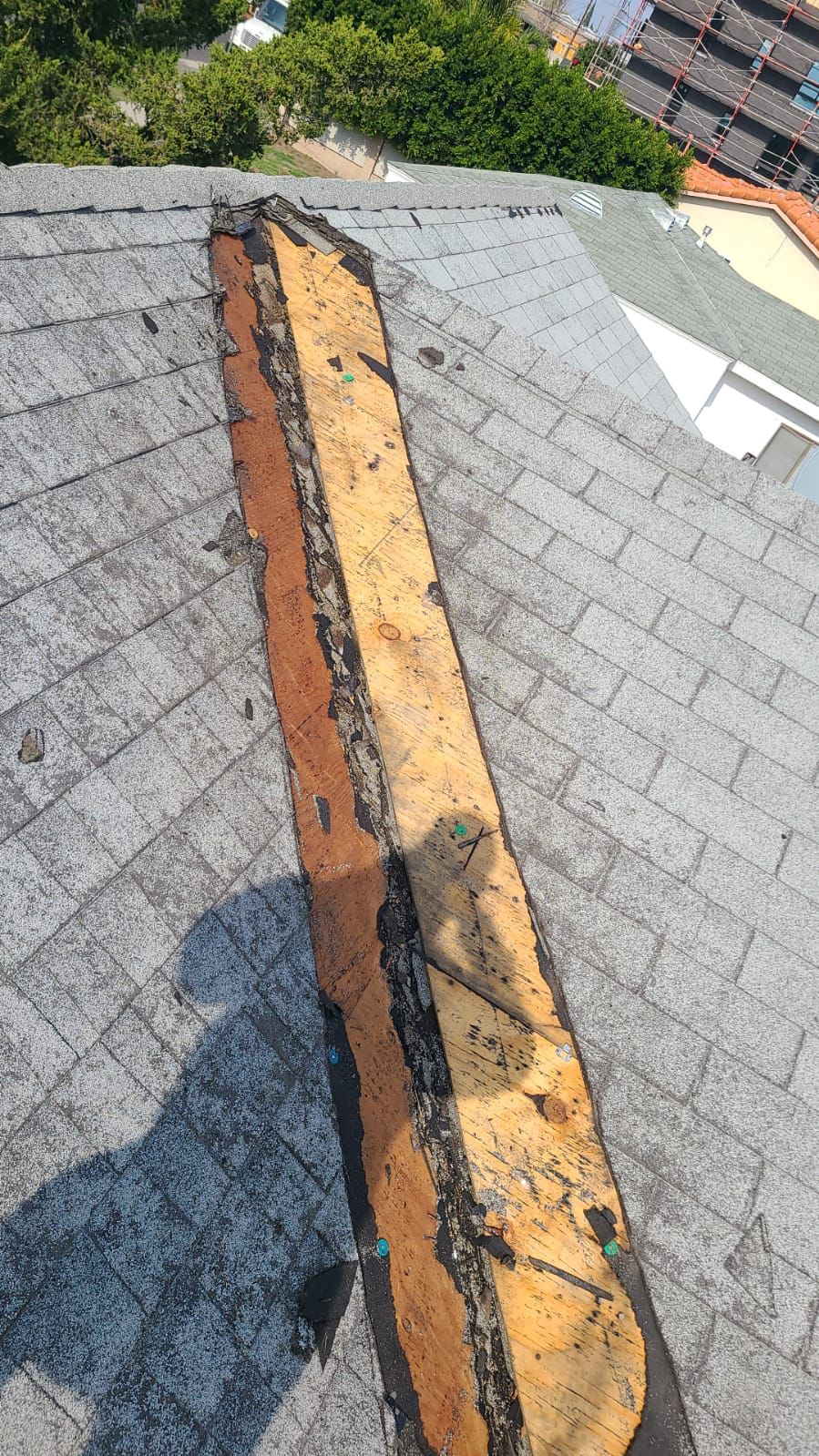
| Major Repair (e.g., replacing roof valley, fixing widespread storm damage) | $1,500 – $7,000+ | Size of affected area, decking damage, material cost, complexity of roof design. |
| Asphalt Shingle Replacement | $8,000 – $25,000+ | Square footage, quality of shingles, number of layers to remove, decking repair. |
| Tile Roof Replacement | $20,000 – $45,000+ | Square footage, type of tile (clay vs. concrete), underlayment system, fragility of old tile. |
| Roof Coating Application | $3 – $10 per sq. ft. | Condition of existing roof, type of coating, number of coats, roof accessibility. |
Finding an Affordable Path Forward
“Affordable” doesn’t have to mean “cheap.” It means smart value. Sometimes, affordable is investing in a slightly higher-quality material that lasts twice as long. Sometimes, it’s tackling a repair now to avoid a replacement later. Financing options can also make a necessary project manageable. A good company will help you explore all the options, not just the one with the biggest ticket.
Your Questions, Answered (No Nonsense)
We get asked the same things all the time. Let’s tackle a few head-on.
1. “How long will my new roof really last?”
Great question. Everyone throws around “30-year shingles,” but that’s a material rating, not a guarantee. In the Los Angeles sun, high-quality asphalt shingles might last 20-25 years with good maintenance. Tile roofs can go 50+ years, but the underlayment beneath them needs replacement every 20-30 years. The biggest factors? Installation quality, ventilation, and proactive roofing maintenance. A perfect roof installed poorly will fail early.
2. “Can I just roof over my old shingles?”
Technically, sometimes yes. Legally, often no (LA building codes are strict). From a professional standpoint? We almost never recommend it. It hides potential decking problems, adds excessive weight, and often voids the new material’s warranty. It’s a shortcut that usually creates bigger, more expensive problems down the road. A full tear-off is the right way to do the job.
3. “What’s the best time of year to get roofing work done?”
In Southern California, we’re lucky—we can work almost year-round. But the ideal window is late spring through early fall. The days are longer, and rain is less likely. That said, a reputable roofing company like California Green Roofing can project-manage around weather at any time. Don’t wait for a perfect season if you have active damage; a good crew will protect your home during the process.
Wrapping It Up: Your Roof, Your Peace of Mind
Look, we know roofing isn’t the most thrilling home improvement topic. It’s not a fancy kitchen remodel. But it’s arguably the most important. A solid, well-maintained roof protects everything you value inside your home or business. It’s your first line of defense.
The goal here isn’t to scare you into a sale. It’s to empower you with knowledge. Pay attention to your roof. Get those regular roof inspections. Address small issues before they become big ones. And when you do need professional help, choose a partner who treats your property like their own.
Think of it this way: a little attention now saves a lot of stress (and cash) later. And if you’re ever in doubt, need a second opinion, or just want to talk through a roofing puzzle you’re facing, you know where to find us. We’re California Green Roofing, and we’re here to help make the whole process a lot less mysterious and a lot more successful. Let’s keep your overhead where it belongs—over your head, and not on your list of worries 🙂
People Also Ask
The cost of an EPDM (ethylene propylene diene monomer) roofing system typically ranges from $4 to $8 per square foot for a standard installation on a low-slope commercial or residential building. This price is influenced by several key factors. The membrane thickness (commonly 45 mil to 90 mil) and whether it is black or white (which affects energy efficiency) impact material costs. Labor expenses vary with roof complexity, accessibility, and local market rates. The project scope, including necessary tear-off of old roofing, deck repairs, insulation, and flashing details, significantly adds to the final price. For an accurate estimate, a professional assessment is essential to account for all site-specific conditions and ensure a durable, code-compliant installation.
The 25% rule in roofing is a common insurance guideline used to determine when a roof needs full replacement versus repair. It states that if a roof has sustained damage to 25% or more of its total surface area, many insurance companies will require a full roof replacement rather than approving piecemeal repairs. This standard exists because extensive, widespread damage often compromises the roof's overall integrity and waterproofing system. It is crucial for homeowners to have a professional inspection after a major storm to assess the damage accurately. Understanding this rule helps in navigating insurance claims and ensures the long-term performance and safety of the roofing structure.
EPDM (ethylene propylene diene monomer) rubber roofing is a popular single-ply membrane known for its durability, but it can develop specific issues. Common problems include punctures and tears from foot traffic or falling debris, which compromise the waterproof layer. Seam failures are another concern, as improper installation or adhesive degradation can cause leaks. Shrinkage over time may pull the membrane from flashings or parapet walls. Ponding water can accelerate membrane degradation and promote biological growth. While resistant to UV light, EPDM can become brittle in very cold climates. Regular inspections are crucial to identify and address these issues early, ensuring the roof's longevity and performance.
Flat roofs present unique challenges for insurance companies due to their increased risk profile. The primary concern is drainage; flat roofs lack the natural pitch that quickly sheds water, making them more susceptible to pooling, leaks, and eventual structural water damage. This design also makes them more vulnerable to the weight of snow accumulation and can lead to faster wear of roofing materials. From an insurer's perspective, these factors elevate the likelihood of costly water-related claims. Consequently, homes with flat roofs may face higher insurance premiums, require more frequent professional inspections, or need specific maintenance certifications to obtain standard coverage, as insurers aim to mitigate their financial risk.