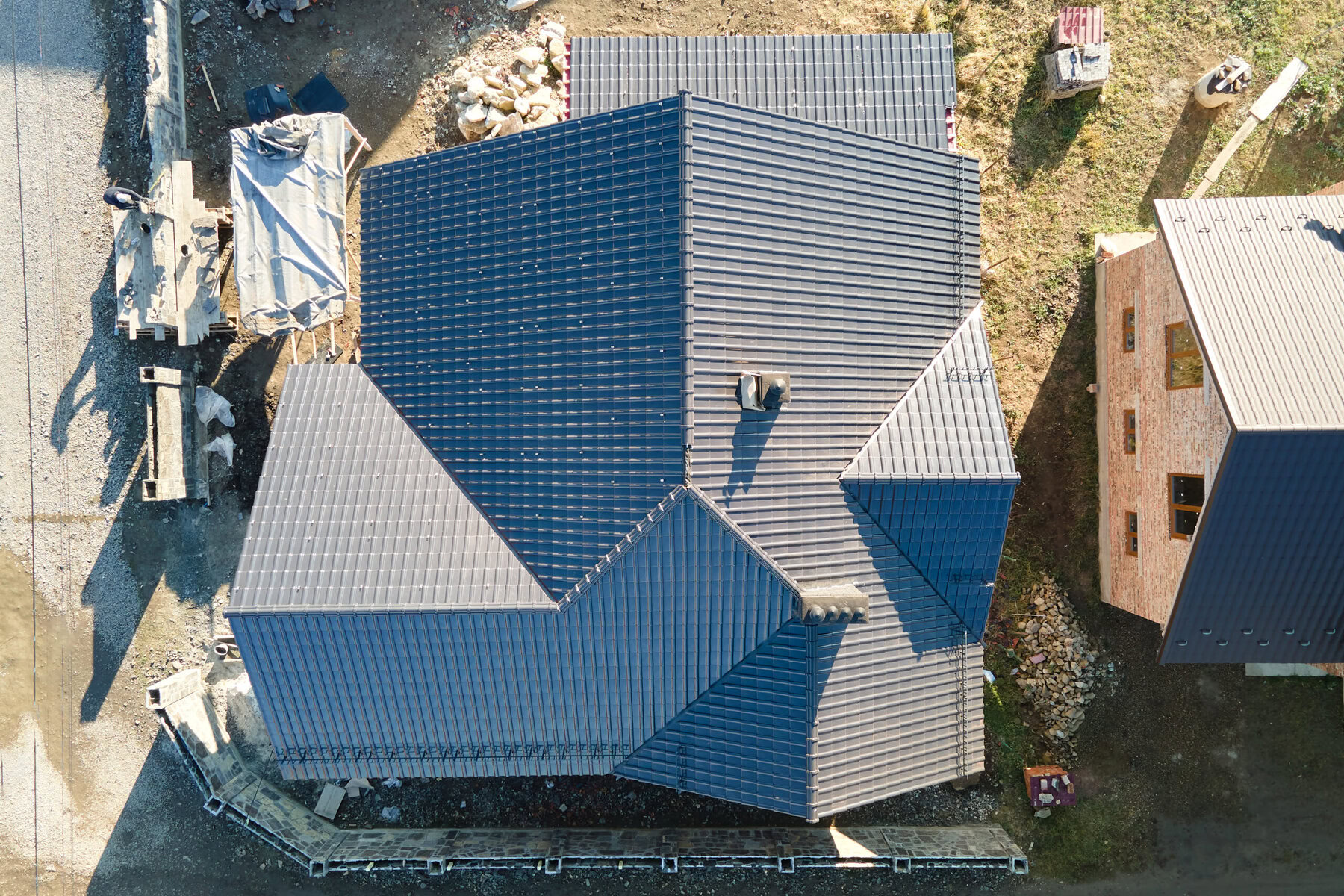
Let’s be honest, our roofs don’t get a lot of love until something goes wrong. We notice a leak, spot a missing shingle, or see our neighbor getting a gorgeous new roof and think, “Hmm, maybe we should look into that.” But here’s the thing: your roof is the MVP of your home or business. It works 24/7, taking a beating from the Los Angeles sun, the occasional downpour, and everything in between. So, why do we only pay attention to it when it’s screaming for help?
We’ve seen it all at California Green Roofing. From emergency leak patches on historic homes to planned commercial roof maintenance for a sprawling warehouse, the story is often the same. People call us when the problem is big, urgent, and expensive. But what if we changed that conversation? What if we started treating our roofs like the valuable assets they are?
Table of Contents
Getting to Know Your Roof’s Language
Your roof talks to you. No, it won’t send you a text message (though how cool would that be?), but it gives off plenty of signs. Learning to listen can save you a ton of headache and money down the line.
The Obvious Red Flags
These are the ones you can’t ignore. Water stains on your ceiling, drips during a rainstorm, or daylight peeking through your attic boards. These are full-blown emergencies, and they demand immediate attention from a roof repair specialist. Ignoring them is basically inviting mold, structural damage, and a much, much larger repair bill to the party.
The Subtle Whispers
This is where proactive roofing maintenance pays off. These are the easy-to-miss signs that suggest your roof needs a little TLC:
- Curling or buckling shingles or tiles: They’re tired and losing their protective grip.
- Piles of granules in your gutters: Your asphalt shingles are shedding their sunscreen.
- Moss or algae growth: Especially on north-facing slopes in LA—it traps moisture and degrades materials.
- Rust on flashing or vents: Those metal pieces around chimneys and vents are critical seals.
- Sagging areas: This is a big one. It often points to structural issues in the decking or supports.
Ever wondered why that one leak always seems to reappear no matter how many times you patch it? It’s usually because the fix addressed the symptom (the water inside) and not the root cause (the failed component on the roof). A proper roof service investigation finds the source.
The Repair vs. Replacement Dilemma: It’s Not Always Obvious
This is the million-dollar question (sometimes literally). As a roofing company in Los Angeles, we get asked this daily. The answer isn’t always clear-cut, but a professional roof inspection gives you the data you need to make a smart decision.
When a Repair Makes Perfect Sense
- The damage is localized and not widespread.
- Your roof is relatively young (under 15 years for most materials).
- The underlying decking and structure are still solid.
- You’re planning to sell soon and need a cost-effective fix.
For example, tile roof repair is a classic case where spot repairs often work beautifully. If a few concrete or clay tiles crack from impact, a skilled technician can replace them without redoing the entire roof. Same goes for many residential roof repair jobs—fix the damaged section, reinforce the area, and you’re good for years.
When Replacement is the Smarter Long-Term Play
- Your roof is nearing or past its expected lifespan.
- You have widespread, multiple leak sources.
- Repairs are becoming frequent and adding up in cost.
- You want to upgrade materials for better energy efficiency or durability.
- Storm or major weather damage has compromised over 30% of the roof.
Here’s a bit of real talk from our experience: We’ve had clients pour money into constant commercial roof repairs on a system that was just done. After the third or fourth service call in two years, the math suddenly made a new roof look affordable. A new membrane or metal roof, with a transferable warranty, brought peace of mind and predictable budgeting.
A Quick Guide to Common Roofing Issues & Solutions
To make this a bit more digestible, here’s a table we often reference with clients at California Green Roofing. It breaks down common problems, their likely causes, and typical solutions.
| Problem You See | Likely Culprit | Typical Solution | Consider This |
|---|---|---|---|
| Water stain on interior ceiling | Failed shingle/tile, cracked flashing, clogged valley | Locate source on roof, repair/replace damaged materials | The leak entry point is often uphill from the stain. A pro finds it. |
| Missing or cracked shingles/tiles | Wind, impact, age, poor installation | Replace missing units, secure surrounding area | Don’t just slap on a new tile. Check the underlayment beneath it for rot. |
| Granules in gutters | Normal aging (asphalt shingles), severe weather | Monitor. If excessive, plan for replacement. | A sign the shingles’ UV protection is gone. The roof may still function but is aging. |
| Rust on metal flashing | Moisture, lack of protective coating | Clean, treat rust, apply new protective roof coating | Prevents small rust spots from becoming gaping holes. Part of good commercial roof maintenance. |
| Sagging roof plane | Structural issue, rotten decking, overload | Immediate professional inspection. Likely major repair or replacement. | Safety first. This isn’t a DIY situation. |
Why “Set It and Forget It” is a Terrible Roofing Strategy
We love a good “set it and forget it” appliance as much as the next person. But your roof? Nope. The sun here in LA is no joke—it bakes materials dry and brittle. Then, when we do get rain, it tests all those dried-out seals. The thermal expansion and contraction alone over the years is enough to work fasteners loose.
That’s why we’re such advocates for regular check-ups. Think of it like a dental cleaning for your house. It’s not glamorous, but it prevents a root canal. A bi-annual or annual inspection by a roof installation contractor who knows their stuff can spot a $200 problem before it becomes a $5,000 disaster.
And for our commercial property friends, commercial roof maintenance isn’t an expense; it’s a line-item that protects your asset, inventory, and business continuity. A small leak over a server room or production floor can cause losses that dwarf the repair price.
Finding Your People: Choosing a Roofing Partner in LA
Alright, so you’re convinced. You need some kind of roofing repair or maintenance. How do you choose who to call? Googling “nearest roofing company” is a start, but let’s dig deeper.
- Look for Specificity: A company that lists tile roof repair, roof coating services, and commercial roof repairs separately likely has dedicated teams for each. That’s a good sign.
- Verify Licensing & Insurance: This is non-negotiable in California. IMO, if a contractor hesitates to provide proof, show them the door.
- Ask About the Process: Will they do a thorough inspection and provide a detailed scope of work? Or just give a vague quote?
- Understand Warranties: What does their workmanship warranty cover? How does it interact with the manufacturer’s warranty on materials?
We built California Green Roofing here in Los Angeles because we wanted to be that knowledgeable, reliable partner for folks. We don’t do high-pressure sales. We do inspections, explain what we see (with photos!), and lay out your options—from a simple repair to a full replacement. Our goal is to make sure you have the information to make the best decision for your property and your wallet. FYI, that’s how we’d want to be treated if our roof was on the line.
Your Top Roofing Questions, Answered
Let’s tackle a few of the most common questions we get every single week.
1. How often should I really get my roof inspected?
For most homes in Southern California, we recommend a professional inspection every two years. For commercial flat roofs or buildings over 20 years old, annually is smarter. After any major weather event (hello, atmospheric rivers!), it’s wise to get a visual check, even if just from the ground.
2. Can’t I just do repairs myself to save money?
You can, but should you? Temporary patches from a big-box store are exactly that—temporary. They often fail and can void existing warranties. Roof work is also dangerous. We’ve seen too many well-intentioned DIYers cause more damage or, worse, get hurt. Some things are worth hiring a pro for 🙂
3. How do I budget for a roof replacement? It seems overwhelming.
It’s a big project, no sugar-coating it. Start by getting 2-3 detailed quotes from reputable companies. Ask about financing options—many offer them. Also, consider the long-term value: a new roof protects everything inside it, can lower energy bills, and boosts curb appeal and property value. Sometimes, financing a proper replacement now is more affordable than funding constant repairs for the next five years.
Wrapping This Up (Like a Perfectly Sealed Roof Valley)
Look, we get it. Roofing isn’t the most thrilling topic. But taking a proactive approach is one of the smartest things you can do as a homeowner or property manager. It’s about peace of mind. Knowing that when you hear rain on the skylight, you can just enjoy the sound instead of scrambling for buckets.
Whether you need a minor repair, a major overhaul, or just want a professional set of eyes to tell you everything is okay, the key is to find a team you trust. Someone who communicates clearly, doesn’t scare you into unnecessary work, and stands behind their craftsmanship.
If you’re in the Los Angeles area and your roof has been on your mind (or if it should be on your mind), give us a shout at California Green Roofing. Let’s have a real conversation about what’s overhead. Because a solid roof over your head? That’s the foundation for everything else, even if it’s technically at the top 🙂