Let’s be honest, we’ve all stared at our roof at some point and wondered, “What exactly is going on up there?” Is it quietly protecting us, or is it secretly plotting a leak right over the living room sofa? We get it. Your roof is this massive, often forgotten shield, and when it needs attention, the whole process can feel overwhelming. Do you need a simple repair or a full replacement? What’s the real difference between all those roofing materials? And let’s not even start on trying to find a trustworthy roofing company in Los Angeles that won’t vanish after giving you an estimate.
Well, take a deep breath. We’ve spent years in the trenches (or rather, on the ladders) dealing with every roof issue imaginable. We’re going to walk through this together, in plain English, with a few laughs along the way. Because while roofing is serious business, talking about it doesn’t have to be a snooze-fest.
The Great Roofing Debate: Repair vs. Replacement
This is the million-dollar question, isn’t it? And we mean that almost literally. Making the wrong call here can cost you a small fortune. So, how do we decide?
When a Repair is Your Best Friend
Think of a roof repair like a targeted medical procedure. It fixes a specific issue without the drama of major surgery. For a roof repair specialist, this is daily bread and butter.
- You Have Localized Damage: One storm blew a tree branch onto one section. A few shingles are missing, or you have a single, persistent leak. We don’t use a cannon to kill a mosquito. A precise roofing repair addresses just the problem area.
- Your Roof is Relatively Young: If your roof is only halfway through its expected lifespan, a repair is almost always the most logical and affordable path. It’s like getting a great many more miles out of your car with a new set of tires.
- Budget is a Primary Concern: Upfront cost matters. A quality repair from a reputable contractor, like our team at California Green Roofing, can extend your roof’s life for years without the larger investment of a full replacement.
When It’s Time to Talk Replacement
Now, let’s talk about the big one. Replacement is the full-system overhaul. It’s not a decision we take lightly, but sometimes, it’s the only smart move.
- Widespread Wear and Damage: Are leaks popping up in multiple, unrelated spots? Is the decking soft in several areas? This is your roof waving the white flag. Constant commercial roof repairs or residential roof repair patches become a money pit. At a certain point, you’re just putting bandaids on a broken arm.
- Your Roof is Ancient: Asphalt shingles often last 20-25 years. If your roof is pushing 30 and looking tired, no amount of roofing maintenance will turn back time. Proactive replacement beats emergency leak mitigation every single time.
- You’re Preparing to Sell or Increase Value: A new roof is a massive selling point. It’s one of the first things inspectors note and buyers covet. It tells them, “You won’t have to worry about this for decades.”
The Tell-Tale Signs Your Roof is Begging for Help
Ever wondered what we look for during our roof inspections? Here’s the insider checklist:
- Curling or Buckling Shingles: They’re not trying a new fashion trend; they’re dying.
- Missing Granules: Finding a lot of black sand in your gutters? That’s your shingles’ protective coating wearing away.
- Daylight Through the Boards: If you go in the attic and see little beams of light peeking through the roof deck, that’s… not good. FYI.
- Sagging: This is a big red flag. It often indicates structural issues with the decking or supports.
A Material World: Choosing Your Roof’s Personality
Picking your material isn’t just about the price tag. It’s about climate, style, and how long you want to forget about roof problems. Let’s break down the usual suspects.
The Contenders in the Ring
- Asphalt Shingles: The reliable workhorse. Affordable, decent lifespan, and everyone knows how to install and repair them. Perfect for most homes where budget and practicality lead the conversation.
- Tile Roofing (Clay or Concrete): The classic, elegant choice for so many homes here in Southern California. Incredibly durable and fire-resistant. Tile roof repair is a specialized skill—you don’t want just anyone walking on that beautiful, brittle surface. IMO, nothing beats the timeless look of a clay tile roof.
- Metal Roofing: The modern, efficient powerhouse. Reflects heat, lasts 50+ years, and handles weather like a champ. The higher initial cost pays off in energy savings and longevity.
- Single-Ply Membranes (TPO, PVC): The kings of the commercial roof maintenance world. Lightweight, reflective, and fantastic for large, flat surfaces. They’re a staple of our commercial roof repairs and roof coating services at California Green Roofing.
Quick-Reference Material Guide
| Material | Best For | Lifespan | Key Consideration |
|---|---|---|---|
| Asphalt Shingles | Budget-conscious homeowners, standard sloped roofs | 20-30 years | Most common; wide range of quality/price. |
| Concrete Tile | Southwest aesthetic, durability | 40-50 years | Very heavy; requires reinforced roof structure. |
| Clay Tile | Luxury, historic style, maximum longevity | 50+ years | Expensive, fragile to walk on; needs specialist for tile roof repair. |
| Metal Panels | Modern looks, energy efficiency, fire zones | 40-70 years | Higher upfront cost; can be noisy in rain (but proper installation mitigates this). |
| TPO/PVC Membrane | Flat commercial roofs, energy efficiency | 20-30 years | Seam integrity is everything; professional roof installation contractor is critical. |
The Unsexy (But Critical) Part: Installation & Maintenance
Here’s the raw truth: the best materials in the world will fail with a bad installation. And even a perfect installation needs a little love. This is where the real value of your roof service provider shows up.
Why Installation is Everything
We’ve seen the aftermath of cut-rate installs. It’s not pretty. A proper installation focuses on:
- Ventilation: A sweaty, hot attic rots your roof from the inside out. Proper airflow is non-negotiable.
- Flashing: This is the metalwork around chimneys, vents, and walls. 90% of leaks start here, not on the shingles. It must be impeccable.
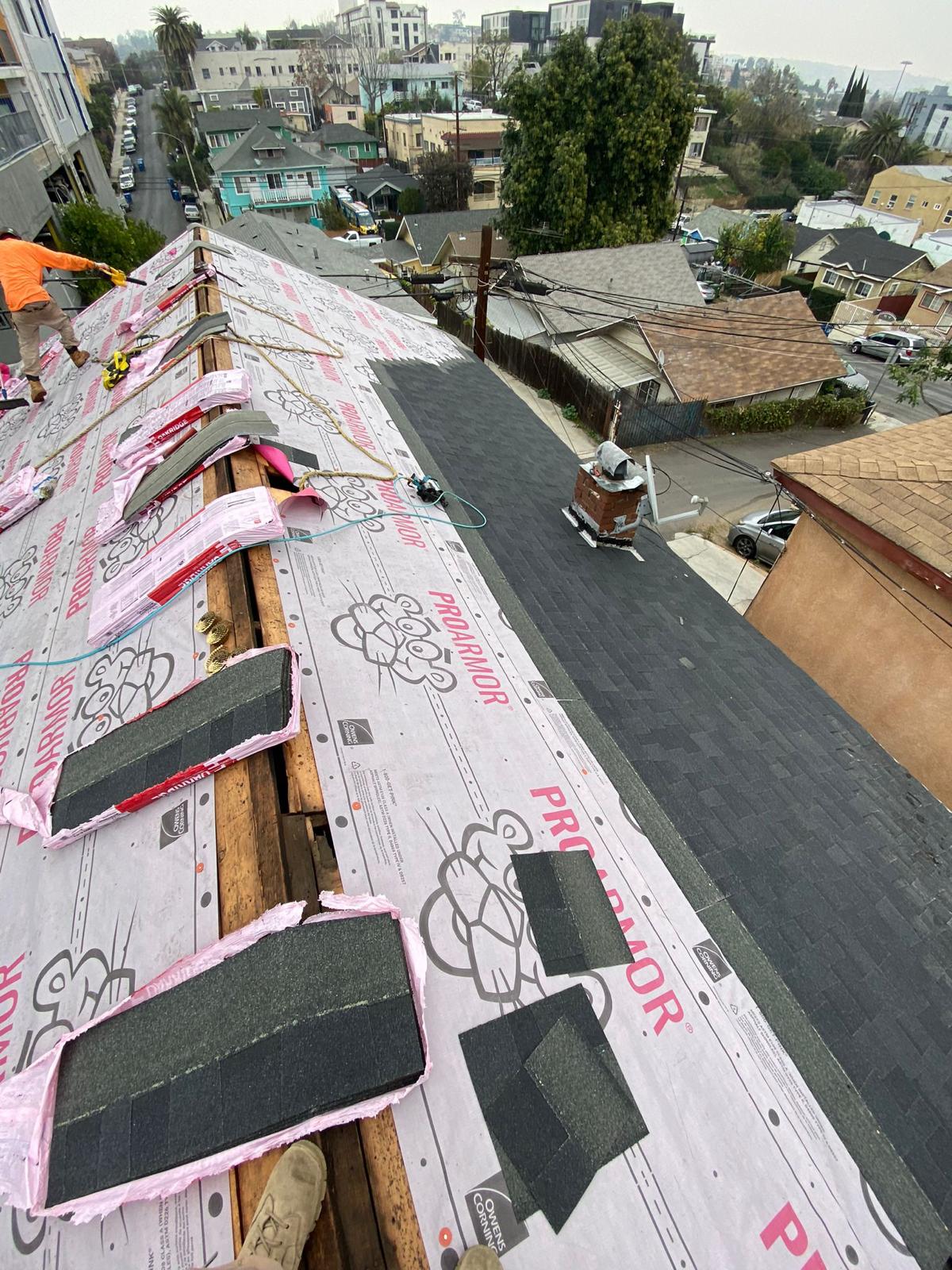
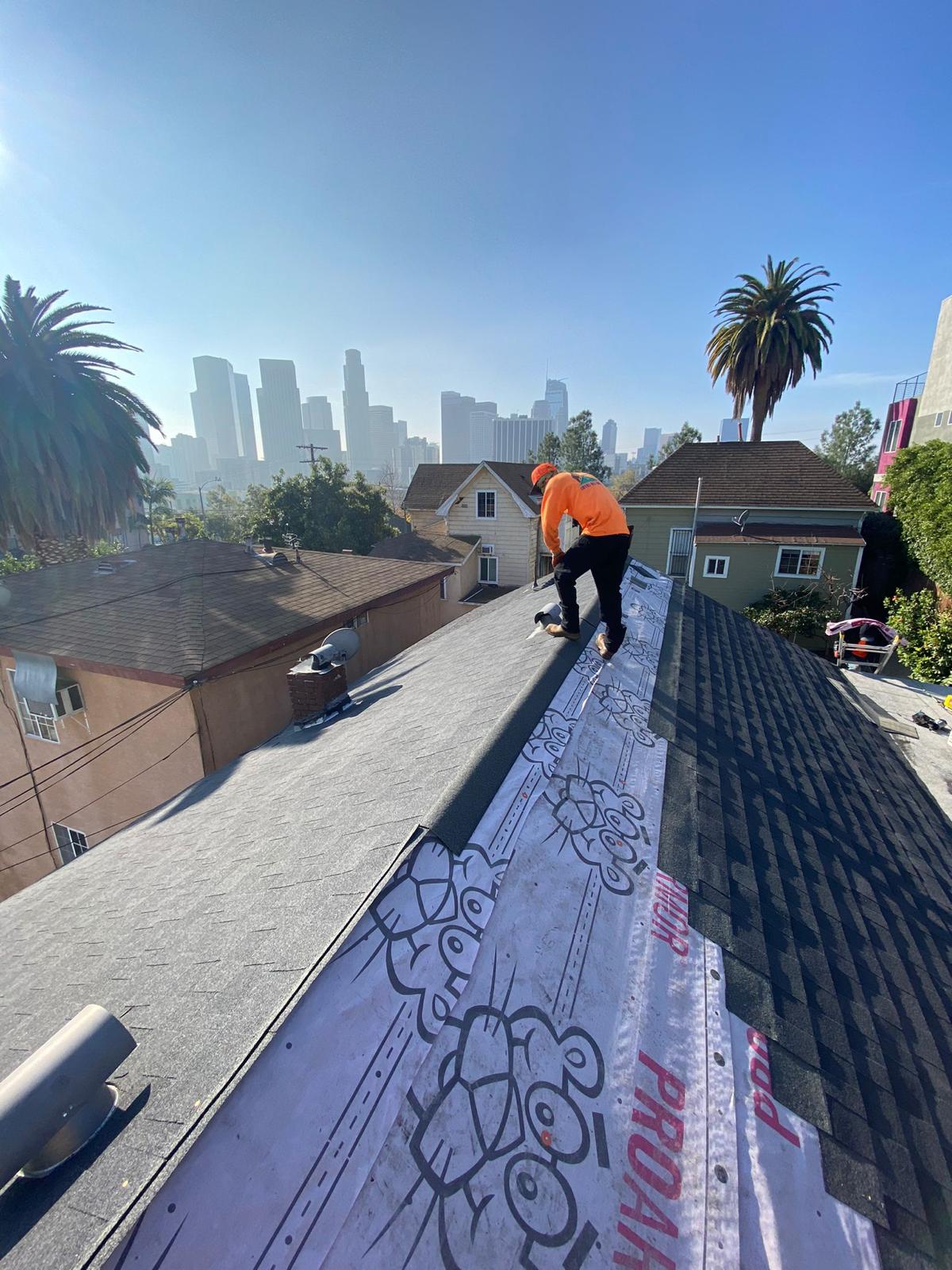
- Underlayment: This is the water-resistant barrier beneath your shingles or tiles. It’s the last line of defense if water gets past the surface.
Choosing a roof installation contractor with proven expertise, like our crews at California Green Roofing, means they sweat these details so you don’t have to.
Maintenance: Your Secret Weapon
Think of roofing maintenance like getting an oil change. It’s a small, scheduled cost that prevents a catastrophic engine failure.
- Biannual Inspections: After winter storms and before the rainy season. We catch loose flashings, clean clogged gutters, and spot moss or algae early.
- Prompt Repairs: That tiny leak you ignore today becomes a mold problem and rotted decking tomorrow.
- Professional Cleaning & Coatings: For flat commercial roofs, roof coating services can add years of life by refreshing the waterproof surface and restoring reflectivity.
Your Roofing Roadmap: From Panic to Peace of Mind
Feeling overwhelmed? Don’t. The process is straightforward when you work with a pro.
- Start with a Professional Inspection: Don’t rely on the guy from down the street who “knows roofs.” Get a thorough, written assessment from a licensed contractor.
- Understand Your Quote: A good quote is detailed. It breaks down material costs, labor, waste removal, and timeline. It should clearly state whether it’s for roofing repair or full replacement.
- Check Credentials & Reviews: Insurance, licenses, and a solid reputation are your safety net. Look for a company with deep roots in the community.
- Ask About Warranties: You want two: the manufacturer’s warranty on the materials and the contractor’s warranty on their workmanship. The latter is often more important.
And if you’re in the Los Angeles area and searching for the nearest trusted experts, well, we’d be remiss if we didn’t suggest giving California Green Roofing a call. We built our reputation one honest inspection and one solid roof at a time, and we’d love to add yours to the list 🙂
Your Top Roofing Questions, Answered
1. “How much does a new roof actually cost?”
Ah, the golden question. We wish we could give a one-number-fits-all answer, but it’s like asking “How much does a car cost?” It depends entirely on size, material, and complexity. In Los Angeles, a full asphalt shingle replacement on an average home might start in the mid-four-figure to low-five-figure range, while tile or metal will be higher. The only way to get an accurate price is with an on-site measurement and inspection. Any company giving a firm quote over the phone is… let’s say, optimistic.
2. “Can I just do the repair myself?”
Sure, if you have the right safety gear, experience, and knowledge of building codes. For a few missing shingles, maybe. But for anything involving leaks, flashing, or structural concerns, the risk of causing more damage (or taking a very short, unfortunate flight) is high. What you save in labor cost, you might pay double in future repairs. Sometimes it’s best to leave it to the roof repair specialist.
3. “How long will the whole replacement process take?”
For a typical residential home, a professional crew can often tear off and replace an asphalt shingle roof in 1-3 days, weather permitting. Tile or metal might take a bit longer due to the precision required. The key is a coordinated, experienced team. A big reason folks choose us at California Green Roofing is our focus on efficient, clean, and minimally disruptive installations. We know you don’t want strangers on your house forever.
So, there you have it. Your roof doesn’t have to be a mystery or a source of stress. With the right knowledge and the right partner, you can make a confident decision that protects your biggest investment for years to come. Now, go look at your roof with a newfound sense of understanding. Just maybe don’t climb up there yourself, okay? Leave that to us.
People Also Ask
Several asphalt shingle options effectively mimic the appearance of natural slate. The most realistic are luxury or designer asphalt shingles. These are thicker, heavier, and often feature a dimensional, layered construction with varied tab shapes and deep shadow lines to replicate slate's textured, uneven look. Key characteristics to look for include a high-definition color blend with multiple tones and mineral granules that create depth, and a slate-like cut—such as random notches or staggered edges—rather than uniform tabs. Brands like CertainTeed's Grand Manor or GAF's Timberline Ultra HD series offer popular slate-style designs. These shingles provide the sophisticated aesthetic of slate at a lower cost and weight, with easier installation and often superior wind and impact resistance compared to real slate.
The top three roofing shingles are typically defined by material type, each offering distinct advantages. Asphalt architectural shingles are the most popular, providing excellent durability, a wide range of styles, and cost-effectiveness for most residential projects. Metal roofing panels or shingles are a premium choice, offering exceptional longevity (40-70 years), energy efficiency, and fire resistance. Synthetic composite shingles, often made from rubber or plastic polymers, are a high-end option that can convincingly mimic slate or wood shake while being lightweight and highly impact-resistant. The best choice depends on your home's structure, local climate, budget, and aesthetic goals, with asphalt remaining the industry standard for balanced performance.
Three tab shingles are being phased out primarily due to their inferior performance and durability compared to modern architectural shingles. While they were once a standard, cost-effective option, they have a flat, uniform appearance and a single-layer construction that offers less protection. Architectural shingles, in contrast, are multi-dimensional, heavier, and made with multiple asphalt layers, providing far better wind resistance (often up to 130 mph), impact resistance from hail, and a longer lifespan—typically 30 years or more versus 20-25 years for three tab. The industry and homeowners have shifted towards these premium products for their enhanced curb appeal and superior long-term value, making three tab shingles a declining choice in the market.
Slate shingles are prized for their durability and classic look, but several excellent alternatives exist. Synthetic slate, made from recycled rubber or plastic composites, offers a lightweight, cost-effective option with a very realistic appearance and high impact resistance. Concrete or cement tiles are another robust alternative, providing a similar aesthetic with a wide range of colors and styles at a lower cost. For a more budget-friendly choice, architectural asphalt shingles can be designed to mimic the textured look of slate. Metal roofing, particularly standing seam panels, provides a modern, durable, and fire-resistant alternative with a long lifespan. Each option balances aesthetics, longevity, and budget differently, so consulting with a professional is key to selecting the best material for your specific climate and home structure.
When transitioning from asphalt to slate shingles, homeowners experience a significant upgrade in durability and aesthetics. Asphalt shingles are the most common and affordable option, available in various colors and styles, including architectural designs that mimic higher-end materials. They typically last 20-30 years. Slate shingles, on the other hand, are a premium natural stone option known for their exceptional longevity, often exceeding 100 years, and timeless elegance. They offer superior resistance to fire and weather but require a sturdier roof structure due to their weight. A visual tour would highlight the textured, dimensional look of architectural asphalt versus the sophisticated, varied hues and cleft surface of genuine slate. Consider slate for a historic or luxury home where long-term value is prioritized, while asphalt remains a practical, cost-effective choice for many residential projects.
When considering the best roof shingles for 2025, the focus is on durability, energy efficiency, and aesthetic appeal. Asphalt architectural shingles remain a top choice for their cost-effectiveness and reliable performance, with many manufacturers offering enhanced algae-resistant coatings and longer warranties. Synthetic composite shingles are gaining popularity for their exceptional durability, realistic appearance mimicking slate or wood, and often superior impact resistance. For maximum energy savings, cool roof shingles with reflective granules are a strong option, helping to reduce cooling costs. Metal roofing shingles also offer longevity and recyclability. Always consult with a professional roofer to select shingles that best match your home's climate, architectural style, and budget, ensuring proper installation for optimal lifespan.
The best roof shingle depends on your specific needs, budget, and location. For premium durability and longevity, architectural asphalt shingles are a top industry choice, offering a 30-year lifespan with enhanced wind resistance. In fire-prone areas like California, Class A fire-rated shingles are essential. For maximum longevity (50+ years), consider slate, tile, or metal, though these have a higher initial cost. For eco-conscious projects, recycled-content shingles or cool roofing options that reflect sunlight are excellent. Always choose products from reputable manufacturers with strong warranties and ensure installation is performed by certified professionals to guarantee performance.