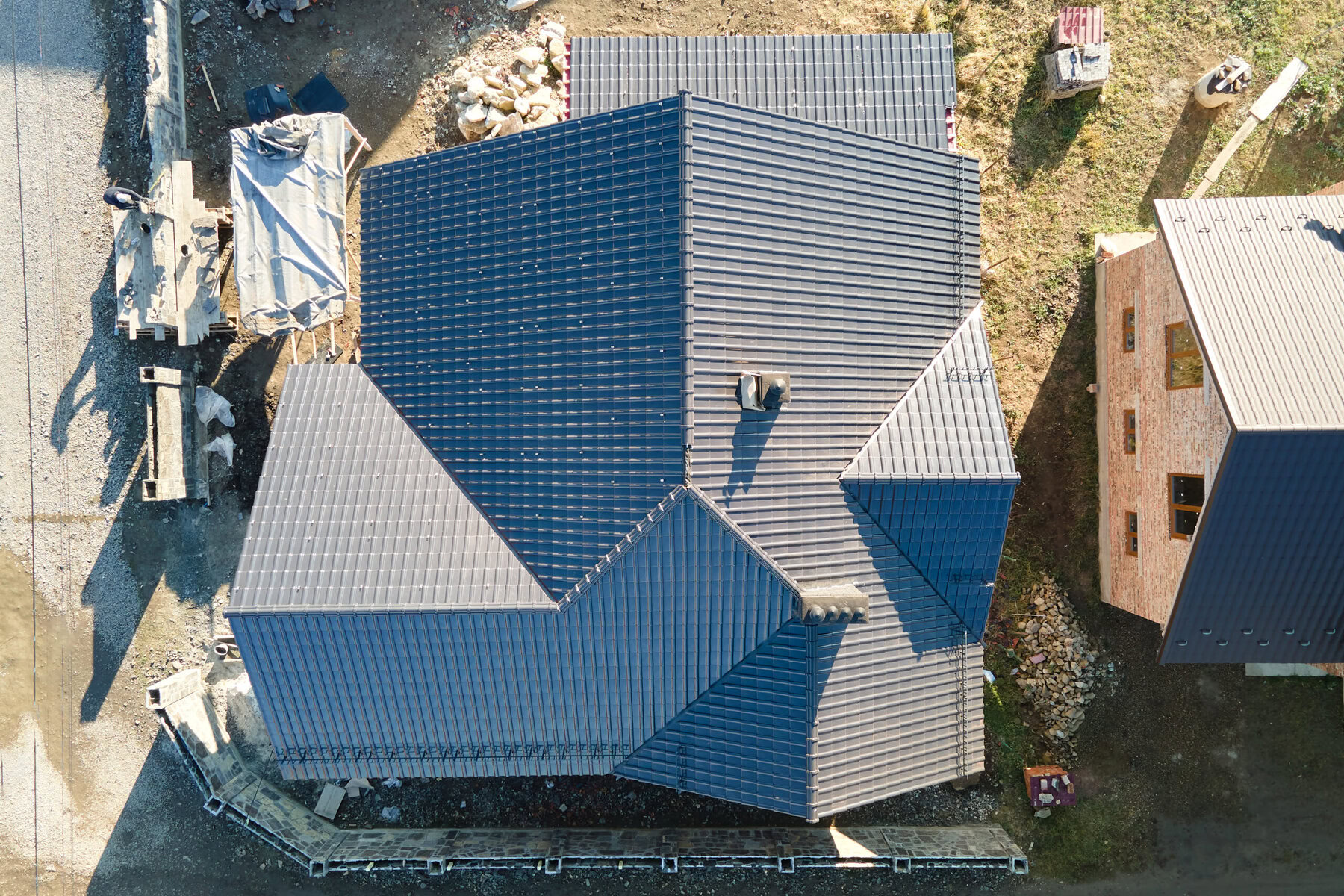
Let’s be honest, we’ve all stared at our roofs at some point and wondered, “What exactly is going on up there?” Is it quietly protecting us, or is it secretly plotting a leak right over the living room sofa? We get it. Your roof is out of sight, but it shouldn’t be out of mind. That’s why we’re pulling back the shingles (figuratively, of course) to talk about the one thing that separates a minor maintenance check from a catastrophic, wallet-emptying disaster: roof inspections.
Think of it as a regular physical for your home. You wouldn’t skip your annual check-up and hope for the best, right? The same logic applies overhead. At our Los Angeles company, California Green Roofing, we’ve seen the full spectrum. We’ve witnessed the sheer relief of a client who caught a problem early, and the, well, less-than-thrilled reaction of someone who learned about a major issue only when their ceiling started resembling a waterfall. Trust us, the former is a much better experience.
Table of Contents
Why a Roof Inspection Isn’t Just a Fancy Walk on Your Roof
So, what’s the big deal? An inspection is a systematic, top-to-bottom evaluation of your roof’s condition. It’s not just a guy glancing up and giving a thumbs-up. A proper inspection from a qualified roof repair specialist looks for specific, often subtle, signs of wear and tear that you or I might completely miss.
Here’s what a professional is actually looking for:
- Structural Integrity: Is the roof sagging? Are the gutters pulling away? These are big red flags.
- Material Condition: Curled, cracked, or missing shingles? Tile cracks? Surface blistering? Every material, from asphalt to tile, has its own failure points.
- Flashings and Seals: This is where most leaks start! The metal around chimneys, vents, and skylights needs perfect sealing.
- Debris and Drainage: Are gutters clogged, trapping water? Is moss or algae creating a moist, damaging environment?
- Interior Signs: This is crucial. We check your attic for stains, proper ventilation, and any daylight peeking through where it shouldn’t.
Skipping this is like ignoring a check-engine light. It might be a loose gas cap, or it might be that your engine is about to take a permanent vacation. An inspection tells you which it is.
The Two Types of Inspections: Which One Do You Actually Need?
Not all inspections are created equal. Generally, you’re looking at two main scenarios, and knowing the difference can save you time and money.
The Maintenance Inspection (Your Roof’s Best Friend)
This is the proactive, smart move. We recommend a professional roofing maintenance inspection at least once every two years, and annually if your roof is older or you’ve just had extreme weather. It’s the cornerstone of any good commercial roof maintenance plan, too. The goal here is prevention. We find the small stuff—a few cracked tiles, a minor sealant failure—before it becomes the big, expensive stuff. It’s the most affordable form of roof service you can invest in, period.
The “Uh-Oh” Inspection (Damage Control)
This one happens after a specific event. Did a wild windstorm send your neighbor’s patio furniture on a flight onto your roof? Did you notice a suspicious stain after the last rain? This inspection is forensic. We’re playing detective to find the source of a problem, assess the damage, and provide a clear plan for roofing repair. Whether it’s residential roof repair or commercial roof repairs, this inspection defines the scope and, yes, the cost of getting you back to safe and dry.
The Real Cost: Inspection vs. Catastrophe
Let’s talk numbers, because we know that’s what everyone is thinking about. We hear “what’s the price?” all the time. IMO, this is where a little perspective is everything.
Consider this quick comparison:
| Service Trigger | Typical Scope | Potential Cost Range | Outcome with Regular Inspections |
|---|---|---|---|
| Reactive Repair (After a leak) | Locate leak source, repair decking, replace underlayment & shingles, fix interior damage. | $1,000 – $4,000+ | Avoided. The issue gets caught in the minor repair stage. |
| Emergency Repair (Major storm damage) | Tarping, extensive material replacement, structural drying, major interior repairs. | $5,000 – $15,000+ | Minimized. Documentation from recent inspections streamlines insurance claims. |
| Full Roof Replacement | Complete tear-off, disposal, new underlayment, flashing, and roofing materials. | $10,000 – $50,000+ | Delayed for years. Proactive maintenance extends a roof’s lifespan significantly. |
| Professional Roof Inspection | Comprehensive assessment, detailed report, maintenance priority list. | $200 – $600 | The Smart Investment. Provides a roadmap, prevents surprises, and saves thousands. |
See the pattern? The inspection fee isn’t an expense; it’s an insurance policy. It gives you control, knowledge, and the power to budget for repairs on your timeline, not on the timeline of a sudden leak. For a roof installation contractor, a pre-installation inspection of the existing structure is non-negotiable. And for you, the homeowner or property manager, it’s just smart business.
DIY vs. Pro: Why Your Ladder and Good Intentions Aren’t Enough
We know the temptation. How hard can it be to look at your own roof? FYI, it’s trickier than it seems. While you can certainly do a ground-level visual check, a true inspection requires getting on the roof safely (with the right equipment, not just that rickety ladder from the garage) and knowing exactly what to look for.
A professional brings an educated eye. That tiny, almost invisible crack in a tile roof repair? We know it’s a direct pipeline for water. That slight granule loss in your asphalt shingles? We can estimate how much life is left. We also perform core checks and moisture scans that you simply can’t do from the ground. Calling a local roofing company like ours, California Green Roofing, means you get a report you can actually use, whether it’s for planning, for an insurance claim, or just for peace of mind. Plus, safety first! Roof work is a leading cause of home injuries—leave it to the folks who do it every day.
Your Inspection Report: What to Do With That Piece of Paper
So you got an inspection. Great! But now you have a multi-page report. Don’t just file it away. A good report is your action plan. It should clearly categorize issues:
- Immediate Concerns: Safety hazards or active leaks. These need a roof repair specialist ASAP.
- Recommended Repairs: Issues that will become problems soon, like failing flashings or worn roof coating services. Plan these within the next 6-12 months.
- Monitor Items: Minor wear to keep an eye on during your own seasonal checks.
This report is your bargaining chip and your planning document. It removes the mystery and puts you in the driver’s seat. If you’re in the Los Angeles area and need a trusted second opinion, it’s one of the key services we provide at California Green Roofing.
Answers to the Questions We Hear Every Single Day
1. How often should I really get my roof inspected?
At least every two years. Make it annual if your roof is over 10 years old, you have a complex design (lots of valleys, angles, etc.), or you’ve experienced severe weather. For commercial roof maintenance, annual inspections are often part of the warranty requirements and are just good practice.
2. Will an inspection affect my insurance?
It can actually help! Providing a recent inspection report can demonstrate diligent maintenance to your insurer. After major storms, having a pre-existing condition report from your nearest trusted roofer is invaluable for clarifying what was new damage versus old wear and tear.
3. What’s the difference between an inspection and an estimate?
An inspection is a diagnosis. An estimate is a treatment plan with a price. A reputable company will inspect first to understand the full scope, then provide an accurate estimate for any needed roofing repair or maintenance. Be wary of anyone who gives a firm quote without a thorough inspection first.
At the end of the day, a roof inspection is about clarity and control. It transforms your roof from a mysterious, potentially problematic lid on your house into a known, managed asset. It’s the single best way to ensure your roof installations and repairs are timed perfectly, not desperately.
We’ve built our reputation at California Green Roofing on giving our Los Angeles neighbors that exact peace of mind. We don’t do scare tactics; we do straightforward, honest assessments. Whether you’re scheduling routine roof inspections or need us to solve a mystery leak, having a clear picture is the first step. So, why not find out what’s really going on up there? Your sofa (and your savings account) will thank you.