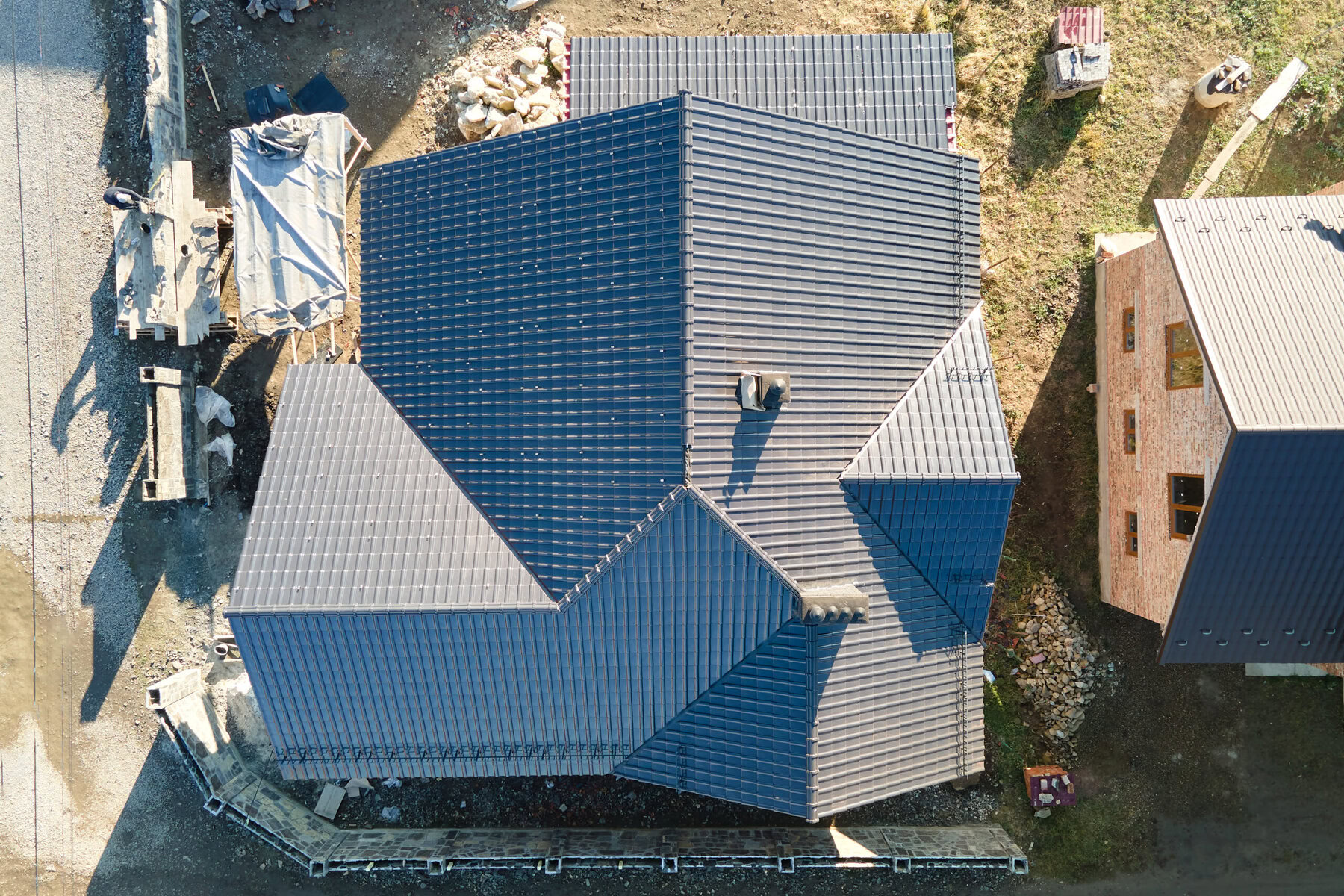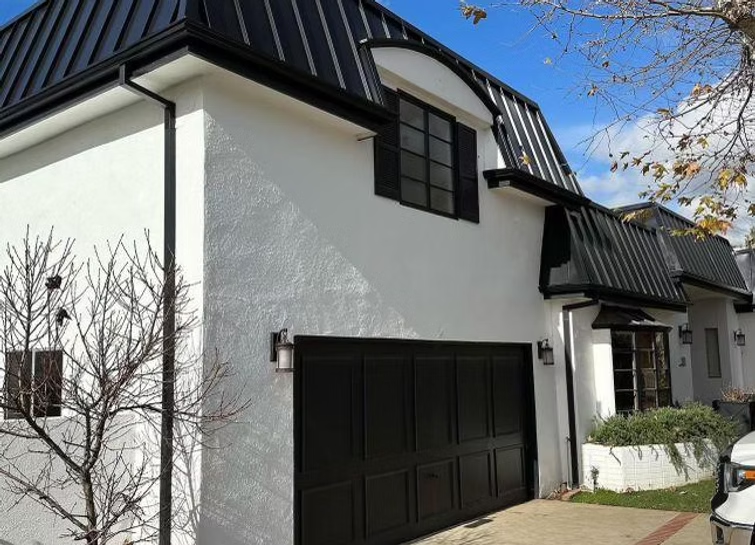
The first time I watched a Santa Ana wind event peel a tile roof off a brand-new house in the San Fernando Valley, I wasn’t surprised. I was frustrated. The homeowner had spent a fortune on the build, but nobody had bothered to secure the roof properly for the one thing that defines our climate out here: hurricane-force gusts that come out of nowhere.
If you live in Southern California, you already know the drill. The air gets dry, the temperatures spike, and suddenly your trash cans are rolling down the street at 3 AM. But what most homeowners don’t realize until it’s too late is that those winds don’t just knock over patio furniture. They get under your roofing materials, lift them, and create a pressure differential that can rip entire sections off in seconds.
Key Takeaways
- Santa Ana winds create uplift forces that can exceed 100 mph, not just push wind.
- The weakest point on most roofs is the edge, not the middle.
- Proper fastening techniques and material selection matter far more than roof age.
- Sealing the deck and using wind-rated underlayment is non-negotiable in high-risk zones.
- Professional inspection before wind season is cheaper than emergency repairs after.
Table of Contents
What Makes Santa Ana Winds So Dangerous for Roofs
Most people think about wind damage in terms of brute force—wind pushing against something until it breaks. That’s not how roofs fail during a Santa Ana event. The real problem is uplift. When wind accelerates over the peak of your roof, it creates negative pressure on the leeward side. That suction literally pulls the roofing material upward.
We’ve seen this pattern repeat dozens of times. A tile roof looks fine from the street. But once the wind gets above 60 mph, the tiles start to flutter. The nails or clips that hold them down weren’t designed for that kind of load. One tile pops loose, and suddenly the wind has a gap to work with. From there, it’s a chain reaction.
The Santa Ana winds are unique because they’re dry, hot, and sustained. Unlike a thunderstorm gust that lasts a few seconds, these winds can blow steadily for 12 to 24 hours. That constant pressure fatigues materials. A roof that might survive a 30-second gust can fail after six hours of continuous 70 mph wind.
The Edge Is Where the Trouble Starts
Why Roof Edges Fail First
If you look at most wind-damaged roofs, the damage almost always starts at the perimeter. The eaves, the rakes, the ridge lines. That’s because wind pressure is highest at the edges of a roof. The middle gets some protection from the structure below, but the edges are exposed.
We’ve inspected roofs where the ridge tiles were just sitting on mortar with no mechanical fasteners. Mortar dries out. It cracks. After a few years of thermal expansion and contraction, it’s basically just decorative. One good gust and those ridge tiles become projectiles.
Drip Edge and Flashing Are Your First Line of Defense
A lot of people overlook drip edge. It’s that metal strip along the eaves that directs water into the gutters. But during high winds, it also prevents air from getting under the first course of shingles or tiles. If your drip edge is loose, missing, or improperly installed, the wind will find that gap.
We recommend checking your drip edge before every wind season. If it rattles when you push on it, it’s not secure. That’s a cheap fix that can save you thousands.
Material Choices Matter More Than You Think
Tile vs. Shingle vs. Metal
There’s no one-size-fits-all answer for wind resistance. Each material has trade-offs.
Concrete and clay tiles are heavy. That weight helps them resist uplift. But they’re brittle. If a tile does come loose, it can shatter on impact. And if the fasteners aren’t up to code, the weight becomes a liability—the whole assembly can slide off the roof deck.
Asphalt shingles are lighter and more flexible. They handle wind better if they’re properly sealed. But the sealant strips that manufacturers rely on can fail in extreme heat. We’ve seen shingles that looked fine in the morning and were scattered across the neighborhood by noon.
Standing seam metal is generally the best performer in high winds. The interlocking panels create a continuous surface with no exposed fasteners. But it’s expensive, and installation quality varies wildly. A poorly installed metal roof can fail just as badly as anything else.
Wind Ratings Are Real, But Not Always Accurate
Manufacturers test their products for wind resistance. You’ll see ratings like “110 mph” or “130 mph.” Those numbers come from lab tests under controlled conditions. Real-world performance depends on installation quality, roof slope, and how well the deck is prepared.
We’ve installed a lot of roofs in Los Angeles, and we’ve learned to take those ratings with a grain of salt. A 130 mph rated shingle installed over an old, rotted deck is still going to fail. The rating only matters if everything below it is sound.
The Underlayment Is the Unsung Hero
Most homeowners never see the underlayment. It’s the layer between the roof deck and the finished material. But during a wind event, it’s the last line of defense. If the wind gets under your shingles or tiles, the underlayment is what keeps water out.
Standard felt paper is cheap, but it tears easily. We’ve seen felt blow off in sheets during moderate winds. Synthetic underlayment is more expensive, but it’s much stronger. It also doesn’t absorb moisture, which means it won’t rot the deck if it gets wet before the final roof goes on.
For homes in high-wind zones, we always recommend synthetic underlayment with a high tear strength rating. It’s one of those upgrades that doesn’t look like much on paper but makes a real difference when the wind starts howling.
Common Mistakes We See Over and Over
Not Fastening to the Structure
A roof is only as strong as its connection to the house. The roof deck needs to be properly nailed to the trusses or rafters. If those nails are spaced too far apart, or if they missed the framing, the whole deck can lift.
We’ve seen homes where the deck was nailed with staples instead of ring-shank nails. Staples have almost no holding power in uplift. That’s a code violation, but it happens more often than you’d think, especially on older homes or additions that weren’t permitted.
Ignoring the Soffits
The soffits are the underside of the roof overhang. They’re usually vented to allow attic airflow. But during high winds, those vents become entry points for air pressure. If the soffits aren’t securely attached, the wind can blow them out, depressurize the attic, and literally suck the roof off.
We’ve fixed more than a few roofs where the soffits were the original point of failure. It’s not glamorous work, but it’s essential.
When to Call a Professional vs. DIY
Some wind mitigation work is straightforward. You can check your drip edge, look for loose tiles, and clean your gutters. But anything involving the roof deck, underlayment, or structural connections should be left to a licensed contractor.
We’ve seen DIY attempts that made things worse. Someone trying to re-nail a loose tile without proper clips can easily crack the tile or damage the underlayment. And if you’re working on a steep roof in windy conditions, the safety risk is real.
If you’re in Los Angeles, the building codes for wind resistance are specific. The local amendments to the California Building Code require certain fastening schedules and material ratings. A professional who works in this area will know those requirements. A handyman from out of town might not.
The Cost of Waiting
A pre-wind-season inspection costs a few hundred dollars. A roof replacement after wind damage can run $15,000 to $30,000 or more. And that’s assuming your insurance covers it. Many policies have wind-damage deductibles that are separate from your regular deductible. Some exclude wind entirely in high-risk areas.
We’ve had customers who waited because they thought their roof “looked fine.” Then a Santa Ana event rolled through, and they were dealing with tarps, emergency repairs, and insurance adjusters for months. The stress alone isn’t worth it.
Practical Steps You Can Take Right Now
Here’s a short checklist we give to homeowners who want to prepare for wind season:
- Walk your property and look for loose or missing tiles or shingles.
- Check the drip edge at the eaves. Push on it. If it moves, it needs to be secured.
- Look at the ridge caps. Are they cracked or separated from the roof?
- Inspect the soffits. Are they firmly attached? Any gaps?
- Clear debris from gutters and downspouts. Clogged gutters can trap water and add weight during rain that often follows wind events.
- Trim overhanging tree branches that could fall on the roof.
If you find anything concerning, call a roofer for a full inspection. Don’t wait until the forecast calls for 80 mph winds.
When This Advice Doesn’t Apply
Not every home in Southern California needs the same level of wind protection. If you live in a coastal area where winds are more moderate, or if your home is in a valley that’s sheltered from the Santa Ana corridors, you might not need the full treatment.
But if you’re in the foothills, the San Fernando Valley, or anywhere near a canyon, you’re in a high-risk zone. Homes in places like Altadena, Sylmar, or the Santa Monica Mountains see the worst of these winds. We’ve worked on roofs in those areas that were designed for 90 mph gusts, and they held up fine. The ones that failed were built to minimum code with no margin for error.
Final Thoughts
Protecting your roof from Santa Ana winds isn’t about buying the most expensive materials or over-engineering everything. It’s about attention to detail. The fasteners, the flashing, the underlayment, the soffits—these are the things that matter. They’re not glamorous. They’re not visible from the street. But they’re what keep your roof on when the wind blows.
If you’re in Los Angeles and you’re not sure where your roof stands, it’s worth having a conversation with a local contractor who understands these conditions. California Green Roofing in Los Angeles, CA has seen enough wind damage to know what works and what doesn’t. We’re not here to sell you something you don’t need. We’re here to make sure your roof does its job when it matters most.
The wind will come. It always does. The question is whether your roof is ready.