

I appreciated the reliable communication throughout the entire job. They kept me in the loop without me having to check in. It made the process feel easy and stress free.

After years of patching, we decided it was time for a full roof installation. Living in Reseda means constant sun exposure, so quality mattered to us. The installation team showed up on time and kept our yard clean. They explained ventilation and insulation in ways we could understand. I can already tell the difference inside the house. California Green Roofing methods truly made us feel confident in our investment. Highly recommend if you’re planning a long-term upgrade.

We built an addition to our home and needed a brand-new roof installation. With Reseda’s hot climate, we wanted something durable and energy efficient. The whole process felt organized and smooth from start to finish. The crew worked carefully even during warm afternoons. The California Green Roofing style materials seem to reflect heat better already. Our home feels cooler and looks beautiful. I highly recommend this service to any homeowner upgrading their space.

After last summer’s intense sun in Reseda, I was worried about hidden damage. The roof inspection was detailed but easy to understand. Every small crack and weak spot was pointed out clearly. I liked that nothing was exaggerated, just honest feedback. California Green Roofing standards really made a difference in how comfortable I felt. Now I’m confident heading into the cooler months. I highly recommend getting this done before small issues grow.

I would highly recommend this team for any roofing needs. We did a complete roof replacement, and the whole process was smooth from the time of the quote to the final walk-through. The team was extremely professional, showing up right on time and leaving the site spotless each day. Our new roof looks amazing, and the workmanship and materials are definitely top-notch. It's a big expense, but they made it totally stress-free.
We had a roof repair done in Reseda and we were very satisfied with the experience !
The team quickly identified the issue and explained the repair process.
The work was completed efficiently and the area was left clean afterwards.
Our roof now feels secure and well protected.

The techs cleaned after the site like it was never worked on, which was a big relief. No nails or debris left behind at all. I really appreciated that attention to detail.
The 25% rule in roofing is a common insurance guideline used to determine coverage for roof replacement. It states that if a roof has sustained damage to 25% or more of its total surface area, many insurance policies will cover a full roof replacement rather than just spot repairs. This rule exists because partial repairs on extensively damaged roofs are often not cost-effective or structurally sound in the long term. It is crucial for homeowners to have a professional inspection after a major storm or event to accurately assess the damage percentage. Always review your specific insurance policy, as terms can vary, and this rule is not a universal law but a widely adopted industry standard.
The cost of a roof repair varies widely based on the extent of damage, materials, and labor. Minor repairs like fixing a few shingles or sealing a leak typically range from $350 to $1,000. More extensive repairs involving decking or structural issues can cost between $1,000 and $3,000 or more. Factors influencing price include roof pitch, accessibility, material type (asphalt, tile, metal), and local labor rates. Always obtain multiple detailed estimates from licensed, insured contractors. A professional inspection is crucial to assess the full scope, as hidden damage can lead to higher costs if not addressed promptly. Prioritize quality workmanship over the lowest bid to ensure long-term durability.
When evaluating a roofer's honesty, start by verifying their credentials. A legitimate contractor should provide proof of licensing, insurance, and local business registration. Be wary of high-pressure sales tactics, requests for large upfront cash payments, or quotes significantly lower than competitors, as these are major red flags. A trustworthy roofer will offer a detailed, written contract specifying materials, scope, timeline, and warranty terms. They should also willingly provide references from past clients. Finally, pay attention to communication; consistent vagueness, evasion of direct questions, or reluctance to put promises in writing are strong indicators of potential dishonesty. Always trust your instincts if something feels off.
The hourly rate for a roofer varies significantly based on location, job complexity, and expertise. On average, you can expect to pay between $45 and $75 per hour for a standard roofing professional. For highly skilled work, such as slate or tile installation, rates can climb to $100 or more per hour. However, most reputable contractors prefer to provide project-based quotes, as this accounts for materials, labor, and potential complications more accurately than an hourly rate. Always obtain detailed written estimates from multiple licensed and insured roofers to ensure a fair price and avoid unexpected charges.
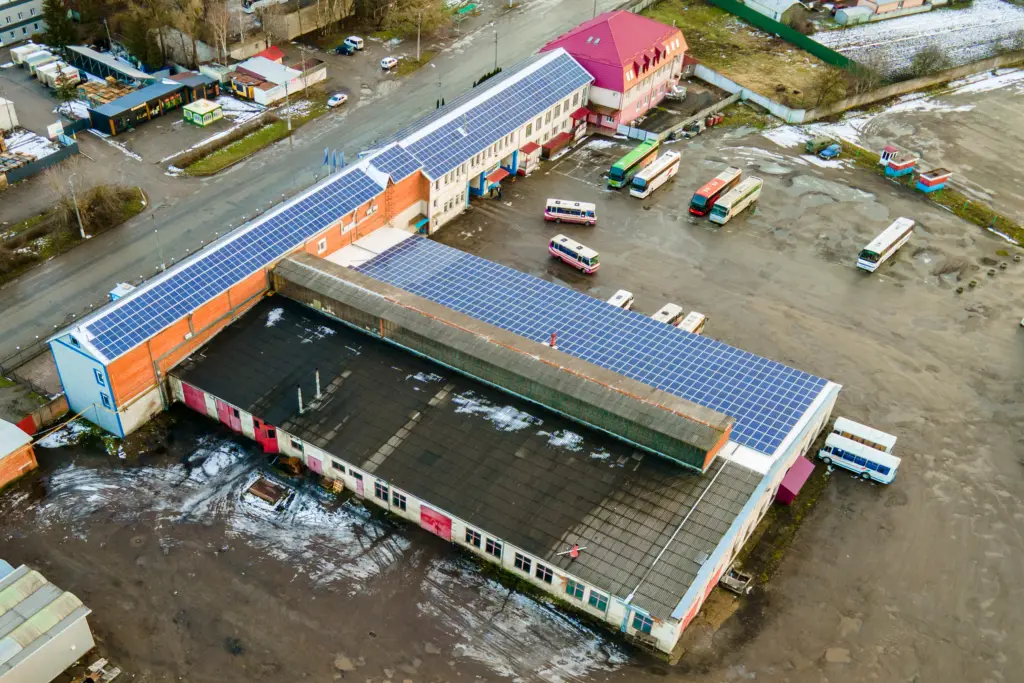
When seeking industrial roof repair in West Hills, it's crucial to evaluate contractors based on their expertise with large-scale commercial systems like TPO, EPDM, or metal. Look for companies with strong local reviews that highlight reliability, safety compliance, and experience with industrial buildings. A reputable provider should offer comprehensive inspections, emergency response, and long-term maintenance plans. Always verify proper licensing, insurance, and warranties. For the most accurate and current reviews, check trusted third-party platforms like Google Business or industry-specific sites, as these reflect real client experiences regarding workmanship, project management, and cost-effectiveness for industrial-grade repairs.
The cost of industrial roof repair in West Hills varies significantly based on the roof's size, material, and damage extent. For a basic repair on a large industrial facility, you might expect a starting range of $5,000 to $15,000, but complex issues can far exceed this. Key cost factors include the roofing system (like single-ply membrane, metal, or built-up), the need for structural assessments, and emergency service premiums. It is crucial to obtain detailed, written estimates from licensed, insured contractors who specialize in commercial roofing. They should inspect for underlying damage, as addressing core problems prevents recurring issues and higher long-term costs. Always verify local permits and warranty offerings.


75 reviews
