Let’s be honest, we’ve all stared at our roof at some point and wondered, “What exactly is going on up there?” Is it quietly protecting us, or is it secretly plotting a leak over the guest bedroom? We get it. Roofs are mysterious, crucial, and honestly, a bit intimidating when something goes wrong. That’s why we’re having this chat today. We want to pull back the shingles, so to speak, and talk about everything from emergency patches to long-term strategies, all from the perspective of folks who’ve spent years under the California sun fixing them.
We’re going to walk through the signs you shouldn’t ignore, break down the different types of repairs, and even give you a realistic look at what goes into the cost. Because knowing what you’re dealing with is half the battle. The other half? Finding a roof repair specialist you can trust to not treat your home like a quick payday.
The Silent Screams Your Roof is Trying to Tell You
Your roof rarely fails without sending a few smoke signals first. The trick is knowing how to listen. Ignoring these signs is like ignoring a check engine light—it only gets more expensive.
The Obvious (And Not-So-Obvious) Red Flags
We’ve seen it all, from the dramatic waterfall during a storm to the subtle, slow-burn issues that cause chaos over time.
You Can’t Miss These
- Water Stains on Ceilings or Walls: This is your roof’s primary distress call. A brownish, yellowish stain is a historical record of a leak. It might be dry now, but the pathway is established for the next rain.
- Missing, Cracked, or Curling Shingles/Tiles: For asphalt roofs, shingles that look like they’re waving at you are bad. For tile roof repair, look for cracks, slips, or tiles that have completely vacated their post. This isn’t just cosmetic; it’s an open door for water.
- Granules in the Gutters: Asphalt shingles shed their protective granules as they age. Finding a bunch in your gutters is like finding your roof’s hair in the brush—it’s a sign of advanced wear.
The Sneaky Stuff You Might Overlook
- Daylight Through the Roof Boards: Pop your head in the attic on a sunny day. See little pinpricks of light? That’s where water will happily follow.
- Sagging Roof Deck: This is a big one. A drooping roof line indicates potential structural issues, often from long-term water damage in the decking. Don’t just patch this; investigate it.
- Spongy Feel Underfoot: If you’re walking on your roof (please be safe!) and it feels soft or bouncy, the underlying wood is likely rotten. Time to call in the pros, pronto.
Ever wondered why a small leak causes such a huge headache? It’s rarely just one spot. Water travels. It enters at a high point, runs along a rafter, and drips down far from the actual source. That’s why a roof inspection from a company like ours, California Green Roofing here in Los Angeles, is so valuable. We follow the trail to the true source, saving you from a game of expensive whack-a-mole with patches.
The Repair Rundown: What Actually Happens Up There?
Okay, so you’ve spotted a problem. What’s next? The approach varies wildly depending on your roof type, the damage scale, and whether we’re talking about your home or your business. FYI, the strategy for residential roof repair often differs from commercial roof repairs.
Residential vs. Commercial: It’s a Different Ball Game
Your home’s pitched, shingled roof and a massive flat commercial roof have about as much in common as a bicycle and a semi-truck. They both get you there, but the mechanics are worlds apart.
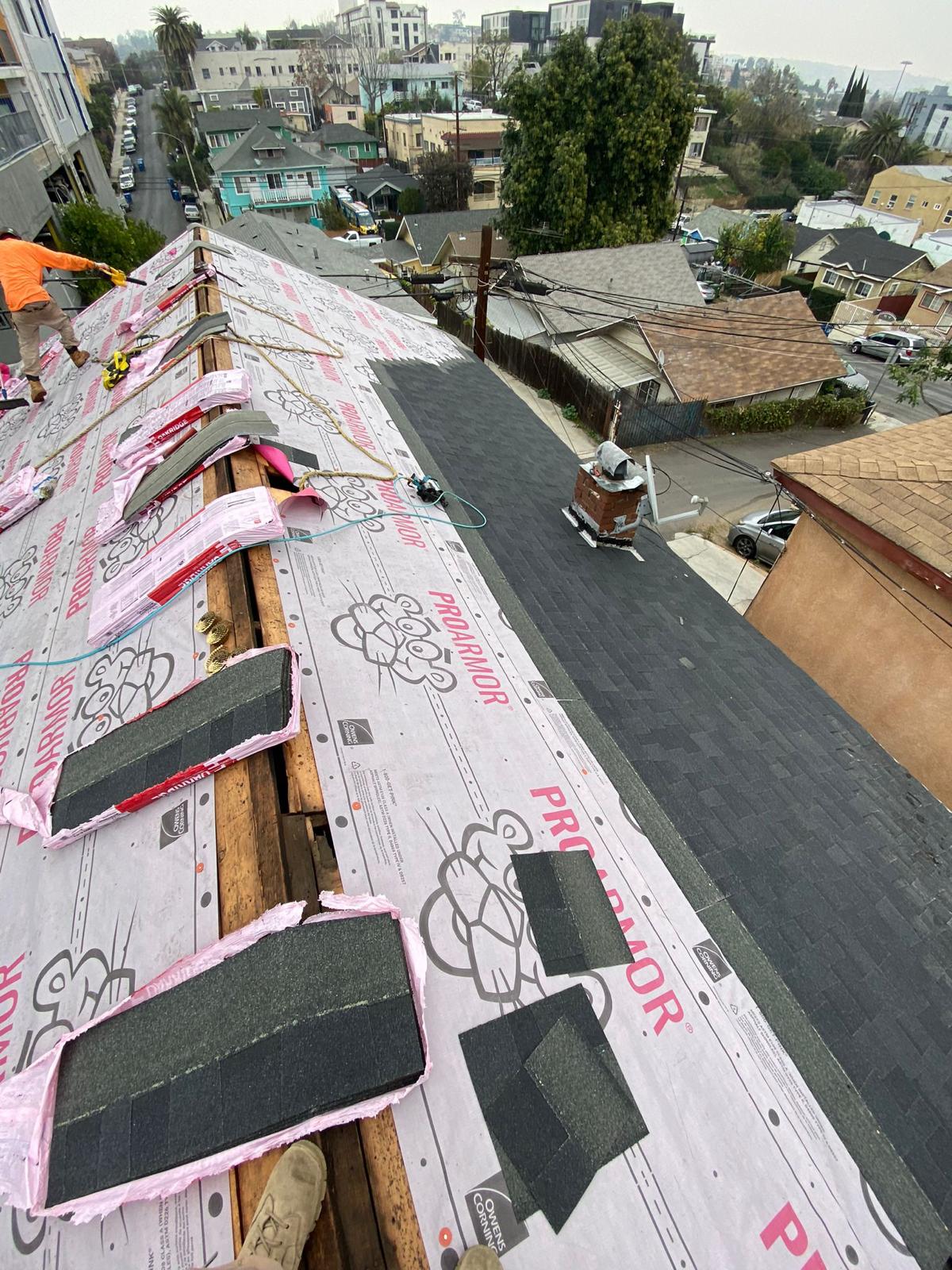
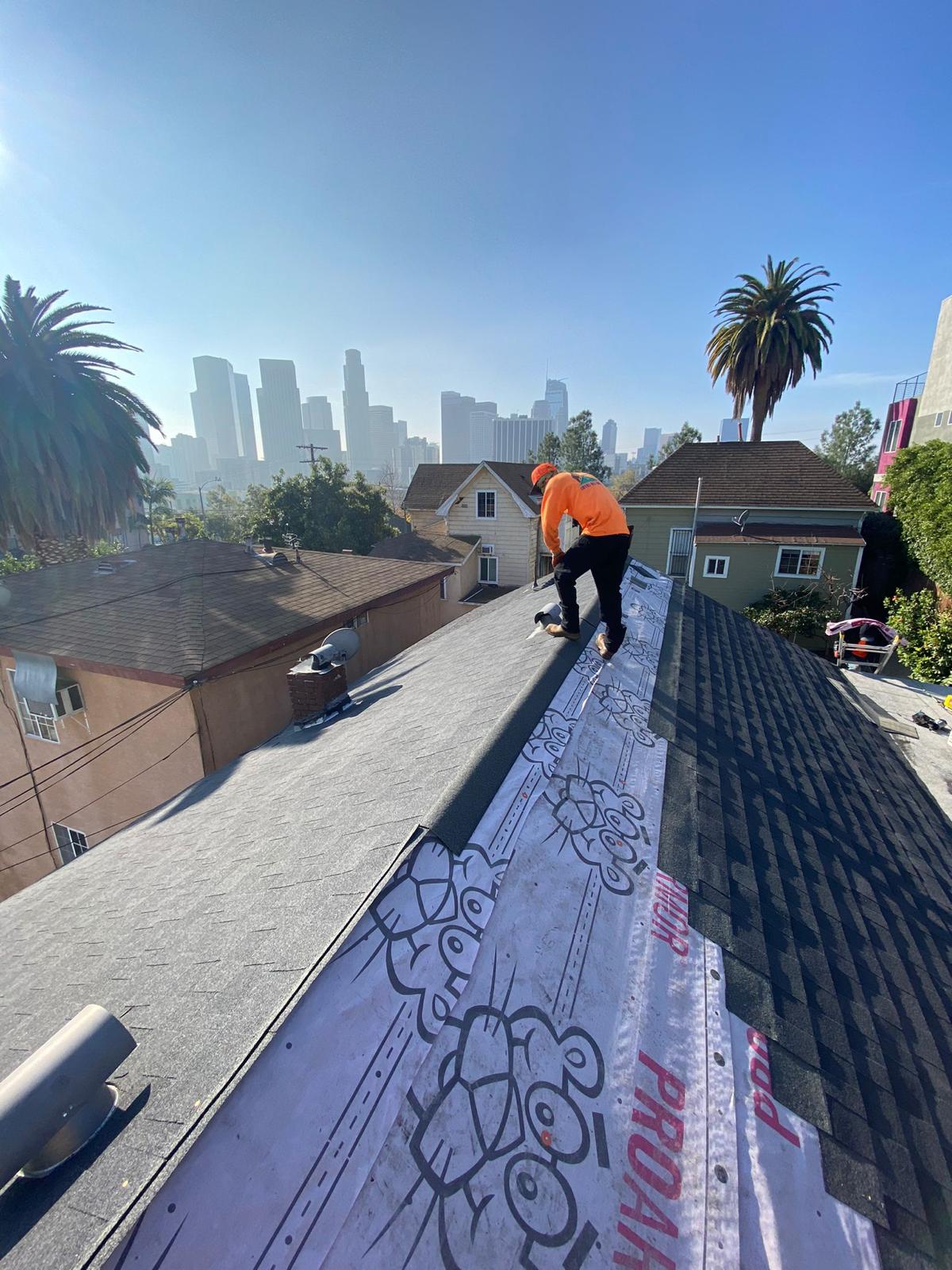
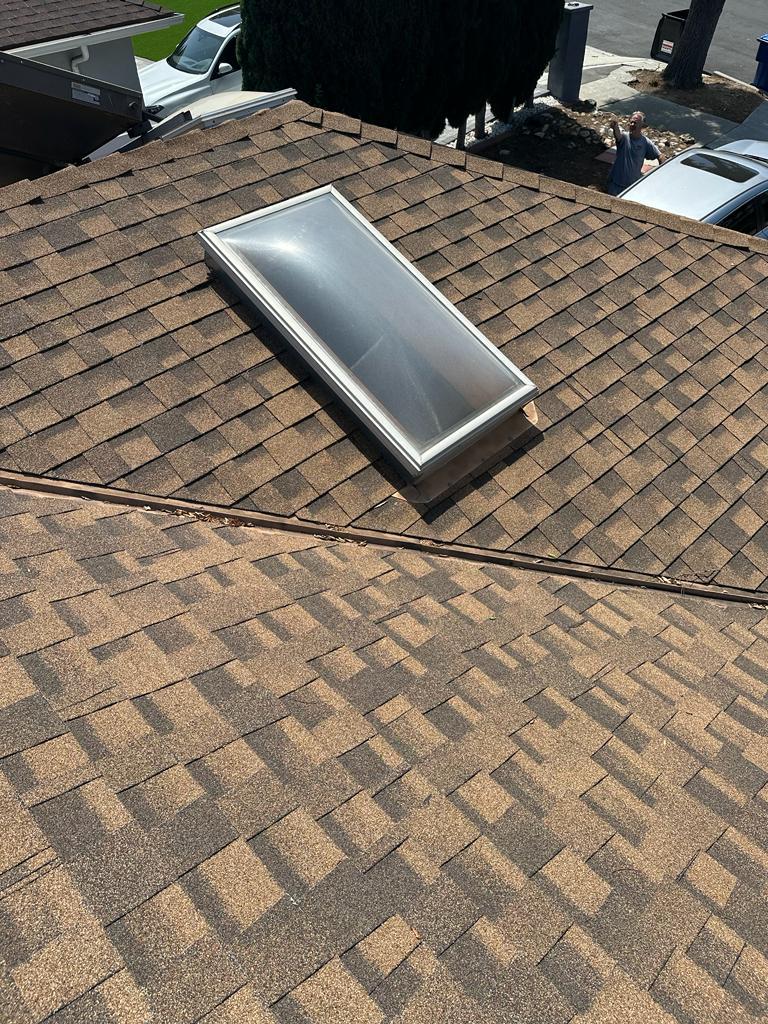
- Residential Repairs: These are often about precision—replacing a section of shingles, resealing around vents and chimneys, or addressing localized wind damage. It’s detailed, craft-oriented work.
- Commercial Roof Maintenance: This is about scale and system integrity. Think large membrane seams, internal drains, ponding water analysis, and preventative roof coating services. The goal is less about a single fix and more about managing the entire asset’s lifespan. For our business clients in Los Angeles, we often set up scheduled roofing maintenance plans because finding a problem early is infinitely more affordable than an emergency fix during a business hour.
A Quick Guide to Common Repair Types
Let’s break down what you’re actually paying for. This isn’t just “fixing the roof.” Here’s a detailed look at common scopes of work:
| Repair Type | What It Typically Involves | Good to Know |
|---|---|---|
| Leak Diagnosis & Patch | Locating the true entry point, removing damaged materials, replacing underlayment & surface material, sealing. | The most common call. Price varies hugely based on access and materials. A simple shingle patch is different from a complex tile replacement. |
| Shingle Replacement | Removing damaged shingles, installing new ones with proper nailing and sealing, blending for color match. | Older roofs may have discontinued colors, making a perfect match tough. We’re upfront about that. |
| Tile Roof Repair | Safely removing broken tiles, replacing with new (or reclaimed) tiles, re-securing the surrounding field. | Tile roof repair requires a specialist. Walking on tiles incorrectly can break more than you fix. It’s an art. |
| Flashing Repair | Removing corroded or failed metal flashing around chimneys, walls, & vents, installing new flashing with proper integration. | 90% of leaks we see originate at flashing points, not in the middle of the roof field. It’s a critical, often overlooked, component. |
| Partial Re-Roof | Removing all roofing materials down to the deck on a specific section (e.g., one slope), installing all new underlayment & roofing. | Done when damage is widespread on one area but others are sound. Requires expert blending at the boundaries. |
| Emergency Tarping | Securing heavy-duty tarps over damaged areas to prevent further water intrusion until permanent repairs can be made. | A temporary, storm-response roof service. It’s a band-aid, not a cure, but a vital one to protect your interior. |
The Dreaded “P” Word: Pricing, Value, and Avoiding Heartburn
Let’s talk numbers. We know this causes the most anxiety. The cost of a roofing repair isn’t a mystery box, though some roofing companies might treat it like one. IMO, transparency is everything.
What Actually Drives the Price of a Repair?
A roof installation contractor might give you a wildly different quote than a handyman. Here’s why:
- Material Costs: Asphalt shingles, clay tiles, metal panels, and synthetic slate all have different price tags. The nearest big-box store’s price isn’t the whole story—quality and warranty matter.
- Labor Intensity: A tile roof repair on a steep, multi-story home is a complex safety and logistics operation. That affects the price compared to a single-story walkable roof.
- Scope of Damage: We can’t see the decking until we open it up. Our initial quote includes an allowance for potential rot repair because if we find soft wood, we have to fix it. A trustworthy company will communicate this clearly, not just surprise you later.
- Urgency: A scheduled repair is always more affordable than a panic call on a weekend during a storm. This is where that roofing maintenance check pays for itself.
The goal isn’t to find the cheapest option. It’s to find the best value—a repair done correctly with quality materials that lasts. That’s the philosophy we’ve built California Green Roofing on. We want to be your long-term partner, not just the name on a one-time invoice.
Your Top Roofing Questions, Answered Straight
We hear these all the time. Let’s clear them up.
1. “Can’t I just do the repair myself or hire a handy friend?”
You can. But should you? Roof work is dangerous and technical. A small error in sealing or nailing can create a bigger leak. Most DIY fixes we see are temporary at best. For anything beyond replacing a single, easily accessible shingle, we recommend a pro. Your safety and your home’s integrity are worth it.
2. “How do I know if I just need a repair, or if I need a whole new roof?”
This is the million-dollar question. A good roof repair specialist will tell you the truth. We look at the roof’s overall age, the extent of current damage, and the condition of the surrounding materials. If you’re facing frequent repairs, if the roof is near the end of its lifespan, or if damage is widespread, a replacement becomes the smarter long-term investment. We’ll always give you the honest assessment, even if it means a smaller job for us today.
3. “How quickly do I need to act after spotting damage?”
Immediately. Water damage accelerates. What’s a small stain today can become rotted decking and mold in a few weeks. At minimum, get it inspected and tarped if needed. Procrastination is the single biggest cost multiplier in roofing repair.
Wrapping This Up: Be Proactive, Not Reactive
Look, we all hope our roof just… lasts forever. But it’s a system, and systems need attention. The best advice we can give you? Don’t wait for the drip. A bi-annual visual check from the ground and a professional roof inspection every few years is the ultimate affordable strategy.
It lets you plan, budget, and address issues on your schedule. Whether you’re in need of a residential roof repair or commercial roof maintenance here in Los Angeles, finding a local, communicative roofing company you trust makes all the difference.
And hey, if you’re near us and want a second opinion, you know where to find us. At California Green Roofing, we believe a solid roof over your head shouldn’t be a source of stress. It should be the one thing you never have to worry about. Let’s keep it that way 🙂
Related Articles
5 Roofing Materials That Beat The Valley Heat (And 2 To Avoid)
Fire-Resistant Roofing: A Guide For Los Angeles Homeowners
People Also Ask
When evaluating roofing materials for fire resistance, Class A-rated products offer the highest protection. The best options include concrete or clay tiles, metal roofing, and certain asphalt shingles specifically treated with fire-resistant granules. Concrete and clay tiles are naturally non-combustible and provide excellent, long-lasting defense. Metal roofs are also highly effective as they do not ignite. For many homes, Class A asphalt shingles are a popular and cost-effective choice that meets stringent safety standards. It is crucial to consult local building codes, as fire-prone areas like California often have specific requirements. A professional roofing contractor can ensure proper installation of these materials for optimal performance and safety.
Yes, embers can absolutely catch a roof on fire, especially during wildfires. This is a primary method of how homes ignite in such events. Wind-blown embers can travel miles ahead of the main fire front and land on or in roofs. Vulnerable areas include roof valleys, gaps under tiles, and debris accumulation in gutters or on flat sections. A roof constructed with Class A fire-rated materials (like certain asphalt shingles, metal, clay, or concrete tile) offers the best protection. However, even a Class A roof's rating can be compromised by accumulated dry leaves or pine needles, which embers can easily ignite. Maintaining a clean roof and ensuring no combustible materials are present is a critical part of wildfire defense for any home.
The cost of a fireproof roof varies significantly based on materials, size, and location. For a typical residential home, you can expect a range from approximately $15,000 to $40,000 or more. This includes materials like Class A-rated asphalt shingles, metal roofing, clay or concrete tiles, or specialized systems like fire-retardant treated wood shakes. The final price depends on your roof's square footage, the complexity of the installation, and necessary structural upgrades. It's a substantial investment, but it provides critical protection and may qualify for insurance discounts. Always obtain multiple detailed quotes from licensed, experienced contractors who can assess your specific home and local fire codes.
When considering the best heat-resistant material for a roof, the choice depends on climate, budget, and desired longevity. For maximum reflectivity and cooling, a white thermoplastic polyolefin (TPO) or PVC membrane is highly effective for flat or low-slope roofs, as it reflects sunlight and reduces heat absorption. In hot climates, clay or concrete tiles are excellent for sloped roofs due to their thermal mass and ability to dissipate heat. Metal roofs, especially with reflective cool roof coatings, also offer superior heat resistance and longevity. Ultimately, the best material integrates high solar reflectance and thermal emittance, meeting local building codes and often qualifying for energy efficiency incentives.
Class A fire rated roofing materials are the highest rating for fire resistance, crucial for California's wildfire-prone areas. Asphalt shingles with fiberglass bases are a common and cost-effective option, often treated with fire-resistant granules. Concrete and clay tiles offer excellent durability and fire protection, though they require robust structural support due to their weight. Metal roofing, such as steel or aluminum, is non-combustible and highly effective. Synthetic composite shingles can also achieve Class A ratings while mimicking other materials. The best choice depends on your home's architecture, budget, and local building codes, which often mandate Class A materials in high-risk zones. Proper installation by a certified professional is essential to maintain the rated performance.
Class A fire-rated shingles are the highest-rated roofing material for fire resistance, as defined by standardized tests like ASTM E108 or UL 790. They are designed to withstand severe exposure to fire, effectively resisting flame spread and not contributing significant fuel to a fire. This rating is crucial in wildfire-prone areas like California, where building codes often mandate such materials. These shingles are typically made from fiberglass asphalt, metal, slate, or concrete tile. While offering superior protection, they must be installed as a complete system, including proper underlayment, to maintain their rated performance. Homeowners should verify the specific product's Class A certification and ensure installation follows all manufacturer specifications and local codes.