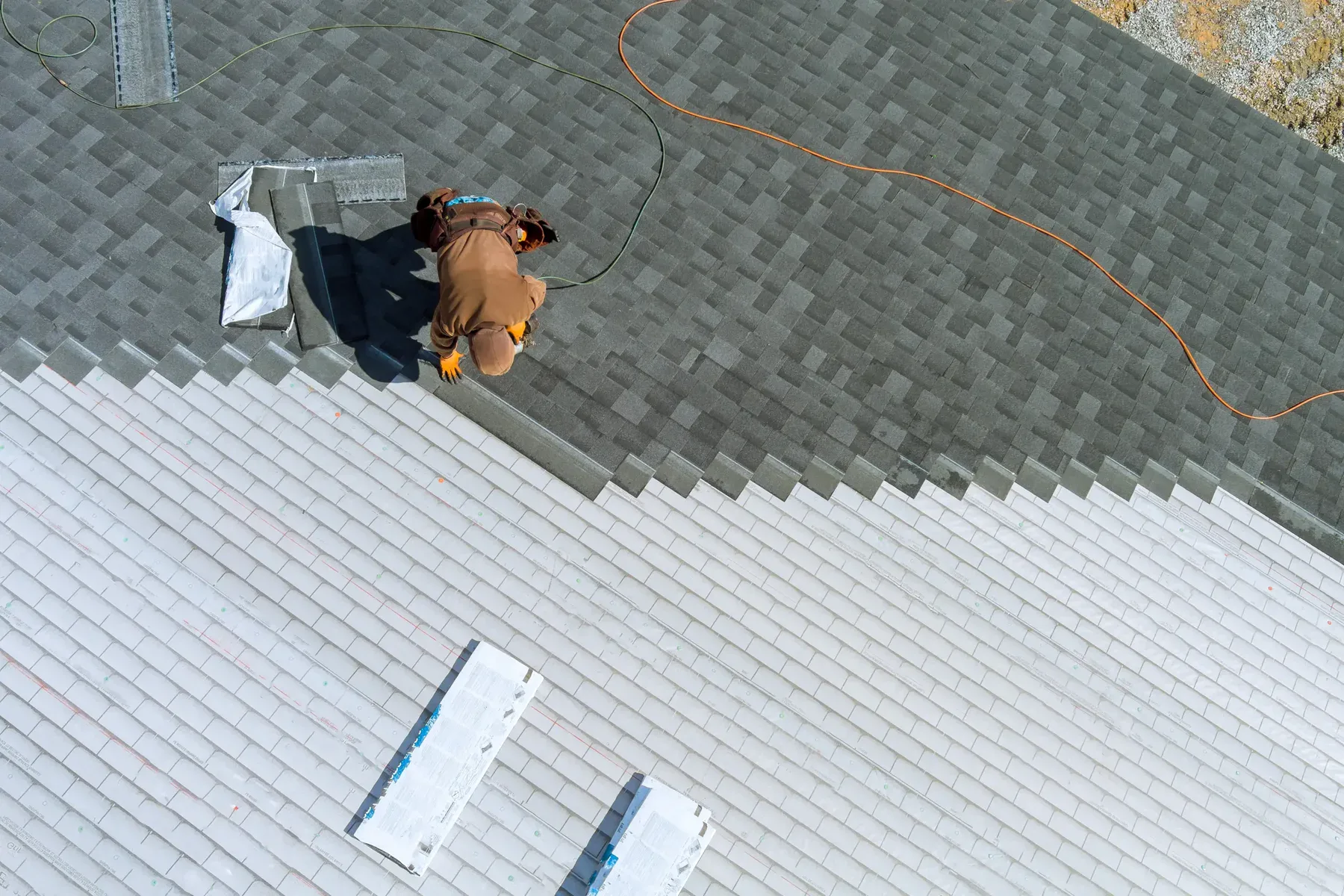
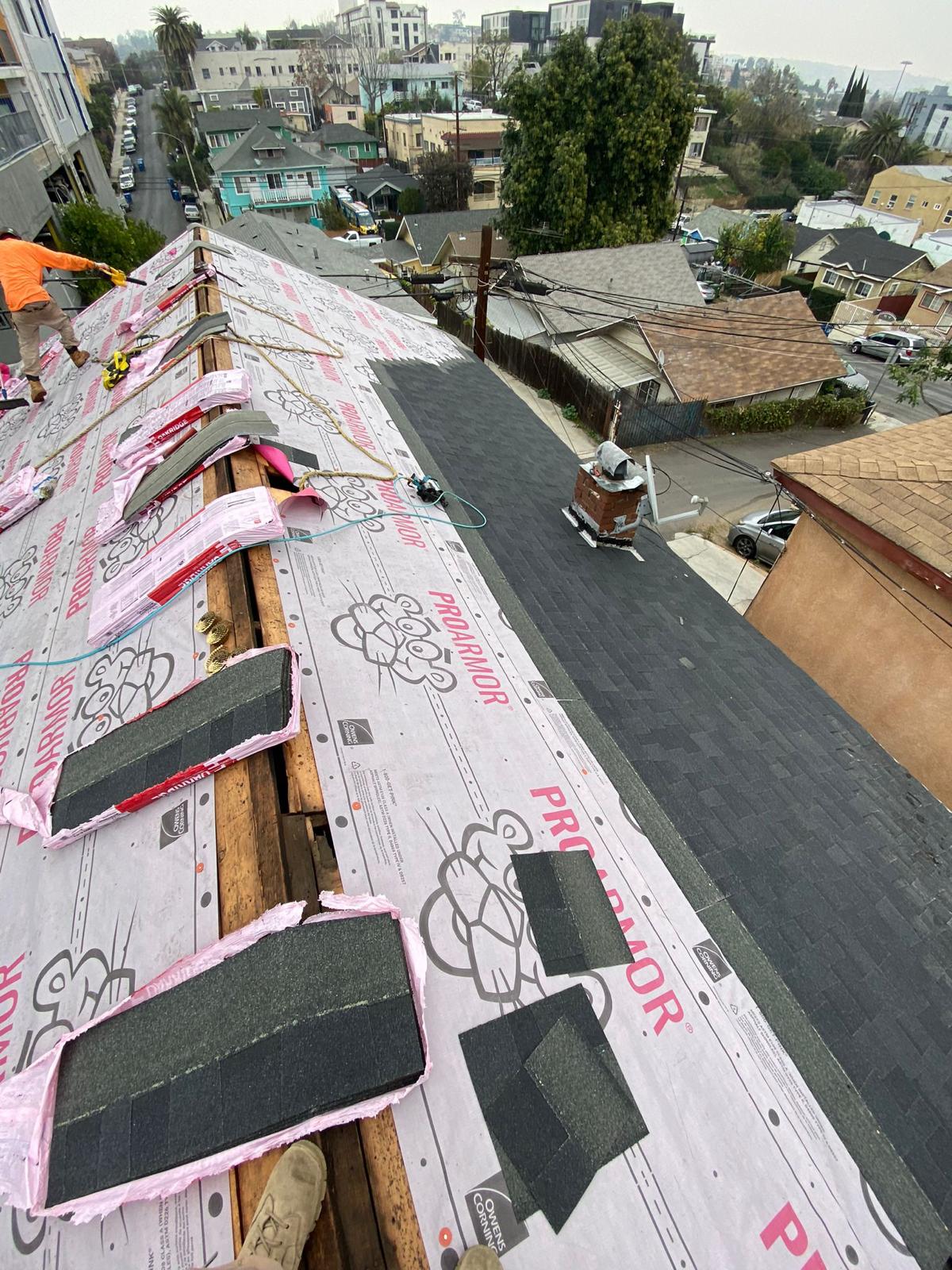
Key Takeaways: For most LA commercial buildings, modified bitumen is the durable, heat-resistant workhorse, while EPDM offers simpler installation and better chemical resistance. The “better” choice hinges on your roof’s specific traffic, budget, and the long-term performance you need in our sun-baked climate.
Let’s be honest, when that invoice from your roofer lands and it has two very different prices for two very different materials, the question isn’t just academic. You’re deciding on a system that has to survive a decade or more of relentless sun, occasional torrential rain, and everything in between. We’ve stood on thousands of LA roofs, and the modified bitumen vs. EPDM debate always comes down to the building beneath it.
So, what’s the quick answer?
Modified bitumen is a asphalt-based, multi-ply roofing membrane often installed with torches or hot asphalt. It’s exceptionally durable, puncture-resistant, and handles foot traffic well, making it a go-to for many LA commercial buildings. EPDM is a synthetic rubber (ethylene propylene diene monomer) sheet, typically installed with adhesives or ballast. It’s highly flexible, resistant to UV degradation and certain chemicals, and often has a lower initial installation cost.
The truth is, there’s no universal “best.” It’s about the right fit. A warehouse in the industrial heart of Vernon has different needs than a low-slope apartment complex in Santa Monica. Let’s move past the sales brochures and talk about what these materials actually do—and don’t do—when they’re baking on a roof off the 405.
The LA Reality Check: Sun, Heat, and “Surprises”
Before we get into the materials, we have to talk about our unique playground. An LA roof isn’t just a roof; it’s a solar oven for six months a year. Surface temperatures can easily hit 160°F+. That thermal expansion and contraction is brutal. Then there’s the marine layer, which can deposit subtle residues, and the occasional monsoon-like downpour that tests every seam. We’ve also seen our share of rooftop parties, HVAC servicing, and satellite installers—so incidental foot traffic matters. Any recommendation that doesn’t start with this context is missing the point.
Modified Bitumen: The Dense, Tough Workhorse
Think of modified bitumen as the armored truck of roofing. It’s built in layers (plies), usually with reinforcing fabrics, creating a dense, self-healing membrane. In LA, you’ll typically see it as a torch-down system or an APP (atactic polypropylene) modified sheet.
Where it really shines is in durability. It can handle the punishment of regular maintenance traffic better than most. The heat-welded seams (when done correctly) are incredibly robust, often becoming the strongest part of the roof. For buildings with lots of rooftop equipment, walkways, or areas that see service frequency—think a sprawling complex in Panorama City or a manufacturing facility—that toughness is a legitimate asset.
The trade-off is in the installation. It’s a hot-work process. That means permitting, fire watches in dry seasons, and a crew with significant skill. A bad torch job is a disaster waiting to happen. We’ve been called to fix blisters and failed seams that trace directly back to rushed or unskilled installation. It’s also generally heavier than EPDM, which can be a factor for some structures.
EPDM: The Flexible, Streamlined Performer
EPDM is the sleek, flexible counterpart. It comes in large sheets, minimizing seams. Its greatest strength is its elastic recovery; it expands and contracts with temperature swings without stressing the seams excessively. This makes it a fantastic choice for the wide temperature shifts we see from our cool nights to blazing afternoons.
Installation is often faster and less complex than modified bitumen. Fully adhered systems (glued directly to the deck) are common, as are ballasted systems (held down with pavers or stone), which are great for reducing heat load. For a large, simple roof area on a retail box in the San Fernando Valley or a low-slope residential building, the speed and lower labor cost can be very appealing.
The trade-off is in its vulnerability. EPDM is more prone to puncture from sharp impacts. It’s also susceptible to certain oils, fats, and solvents. If your roof is under overhanging trees (yes, even in LA) or near a kitchen exhaust, that’s a real consideration. The seams, while strong, are glued or taped, and their long-term integrity is highly dependent on the quality of the primer and adhesive used during installation.
Side-by-Side: When to Choose Which
This table isn’t about “winning”; it’s about matching the roof to the job.
| Consideration | Modified Bitumen | EPDM (Black, 60 mil) |
|---|---|---|
| Best For | High-traffic roofs, areas with sharp debris, complex details & penetrations. | Large, simple roof areas, buildings with significant thermal movement, ballasted systems. |
| LA Climate Fit | Excellent heat resistance; torch-down creates monolithic seam. | Excellent UV & thermal flexibility; beware heat absorption on black membrane. |
| Installation | Skill-intensive, hot-work, weather-sensitive. Slower. | Generally faster, less labor-intensive. Cold-adhesive or ballasted. |
| Durability | Superior puncture & tear resistance. Tough. | Good overall, but can be punctured. Seams are potential failure points. |
| Long-Term Cost | Higher initial cost, but often longer service life in demanding settings. | Lower initial cost, but may require more frequent maintenance/patch repairs. |
| A Big Watch-Out | Poor installation leads to immediate failure. Deck must be suitable for heat. | Exposure to hydrocarbons (fats, oils, solvents) will cause rapid deterioration. |
The Professional Angle: Why This Isn’t a DIY Decision
Look, we get the appeal of saving money. But roofing in LA is a licensed trade for a reason. The choice between these systems isn’t just a material pick; it’s a system design question.
A professional will assess your deck condition (concrete, wood, insulation?), the slope, drainage, and all the penetrations (pipes, vents, AC units) that turn a simple sheet into a complex puzzle. They’ll know that a modified bitumen detail around a pipe in Downtown LA needs a different approach than one in dampter coastal Long Beach. They’ll also handle the permitting, which for torch-down in our fire-prone region is non-negotiable.
We’ve seen too many “handyman specials” with EPDM patches or mastic-covered bitumen that create more problems than they solve. What you save in initial cost, you pay double for in leaks, energy loss, and premature replacement. A proper installation from a local contractor like California Green Roofing isn’t just about laying material; it’s about providing a warranty-backed system designed for your specific building.
The Verdict From the Rooftop
After all the estimates, specs, and debates, here’s the blunt, field-tested perspective:
Choose modified bitumen if your roof is a working surface. If it sees frequent service traffic, has a complex layout, or you simply want the most durable, monolithic membrane you can get for a long-term hold. It’s the set-it-and-forget-it (with proper maintenance, of course) choice for demanding applications.
Choose EPDM if you have a large, simple, and relatively undisturbed roof area where installation speed and budget are primary drivers, and you can mitigate risks from punctures or chemical exposure. Consider a white or reflective coating to combat heat gain.
For many of our clients in Los Angeles, the decision crystallizes after a walk-up. It’s about the building’s personality, its use, and a realistic budget that looks 10 or 15 years down the line, not just at tomorrow’s bottom line. Your roof is your first line of defense. Choose the soldier built for your specific battle.
Related Articles
Durable Modified Bitumen Roofing Options For Los Angeles Flat Roofs
Best Roofing Type For Commercial Buildings In The Valley
EPDM Roofing In Los Angeles: A Cost-Effective Solution?
People Also Ask
Modified bitumen and EPDM are both excellent single-ply roofing systems, but their suitability depends on the specific project. Modified bitumen, often torch-applied or adhered, is known for its high puncture resistance and strength, making it ideal for roofs with heavy foot traffic. EPDM, a synthetic rubber membrane typically installed in large sheets, offers superior long-term elasticity and weather resistance, especially in extreme temperature fluctuations. For a flat or low-slope commercial roof, EPDM often provides a more cost-effective and durable solution with fewer seams. Modified bitumen may be preferred for complex details or areas requiring extra reinforcement. Consulting a professional roofer to assess your building's structure, climate, and usage is crucial for the best choice.
A properly installed and maintained modified bitumen flat roof can last between 15 and 25 years, with many systems reaching the 20-year mark or beyond. Its longevity is highly dependent on several key factors: the quality of the installation, the specific type of modified bitumen (APP or SBS), the local climate, and the regularity of maintenance. In Los Angeles, the material's reflective properties and heat-welded seams offer excellent resistance to UV radiation and thermal cycling. For a detailed look at why this material is a top choice for local buildings, see our internal article Modified Bitumen Roofing: A Durable Option For LA’s Flat Roofs. Consistent bi-annual inspections and prompt repairs of minor issues are crucial to achieving its maximum lifespan.
EPDM and bitumen are both common roofing materials, each with distinct advantages. EPDM (ethylene propylene diene monomer) is a synthetic rubber membrane known for its excellent long-term durability, flexibility in cold weather, and strong UV resistance. It is typically installed in large sheets, which minimizes seams. Modified bitumen is an asphalt-based membrane, often reinforced with fiberglass or polyester, and is known for its strength, puncture resistance, and good waterproofing. It is often torch-applied or adhered in multiple layers. EPDM generally offers better long-term elasticity and may have a longer lifespan in many climates, while bitumen can be more resistant to physical damage. The "better" choice depends entirely on your specific roof structure, climate, budget, and performance requirements. A professional assessment is crucial.
Modified bitumen roofs, while durable, often face specific issues that require professional attention. One common problem is blistering, where trapped moisture or air causes raised areas that can rupture and lead to leaks. Another frequent issue is splitting or cracking, typically due to thermal expansion and contraction or inadequate installation, which compromises the waterproofing layer. Additionally, surface degradation from UV exposure and weathering is a concern, as it can cause the mineral surfacing to erode, leaving the underlying bitumen vulnerable. Regular inspections by a qualified roofing contractor are essential to identify these problems early and perform necessary repairs to extend the roof's service life.
The cost of a modified bitumen roof installation in California typically ranges from $4.50 to $8.50 per square foot, with the final price heavily dependent on project specifics. Key cost factors include the roof's square footage, the number of layers to be removed, the chosen system (SBS or APP), and the installation method (torch-applied, cold adhesive, or self-adhered). Accessibility, local labor rates, and required insulation or deck repairs also significantly impact the total. For a precise estimate, a professional inspection is essential to assess your roof's condition and requirements. For a detailed look at material options and their performance in our local climate, we recommend our internal article, Durable Modified Bitumen Roofing Options For Los Angeles Flat Roofs.