Let’s be honest, our roofs don’t get a lot of love until something goes wrong. We notice a leak, spot a missing shingle, or see our neighbor getting a gorgeous new roof and think, “Hmm, maybe we should look into that.” But by then, we’re often in reactive mode, dealing with a problem that’s already costing us money and stress. What if we flipped the script? Instead of waiting for the drip-drip-drip of doom, we could get ahead of it. That’s where the magic of regular roof inspections comes in, and trust us, it’s a game-changer.
Think of it like going to the dentist. You don’t wait for the root canal; you go for the cleaning to avoid the root canal. A roof inspection is our cleaning. It’s the single most affordable, proactive step we can take to protect what is likely our biggest investment—our home or business. And IMO, skipping it is like betting against the weather in Los Angeles, which, let’s be real, is a losing bet.
Table of Contents
Why Bother? The Unseen Benefits of a Roof Check-Up
We get it. Climbing up on the roof isn’t most people’s idea of a fun Saturday. But a professional inspection isn’t about us playing hero. It’s about a trained roof repair specialist knowing exactly where to look for the tiny clues that spell big trouble later.
Here’s what a thorough inspection actually uncovers:
- Minor Damage: Small cracks, lifted seals, or a few compromised tiles. These are easy, low-cost fixes if caught early.
- Water Intrusion Pathways: It’s not always a gaping hole. Moisture can sneak in through failed flashing around chimneys or vents.
- Structural Sagging: Issues with decking or supports that aren’t visible from the ground.
- Wear and Tear Assessment: How much life your roofing materials truly have left, so you can budget for the future.
- Post-Storm Damage: After those famous Santa Ana winds or a rare heavy rain, an inspection documents damage for insurance claims.
The peace of mind alone is worth the call. You’ll sleep better during the next downpour, knowing your roof got a clean bill of health. Or, you’ll have a clear, actionable plan if it didn’t.
The Inspection Breakdown: What Are They Actually Looking For?
So what happens when a pro from a trusted roofing company shows up? It’s not a five-minute glance. A comprehensive inspection is a systematic head-to-toe physical. Let’s break it down.
The Exterior Tour
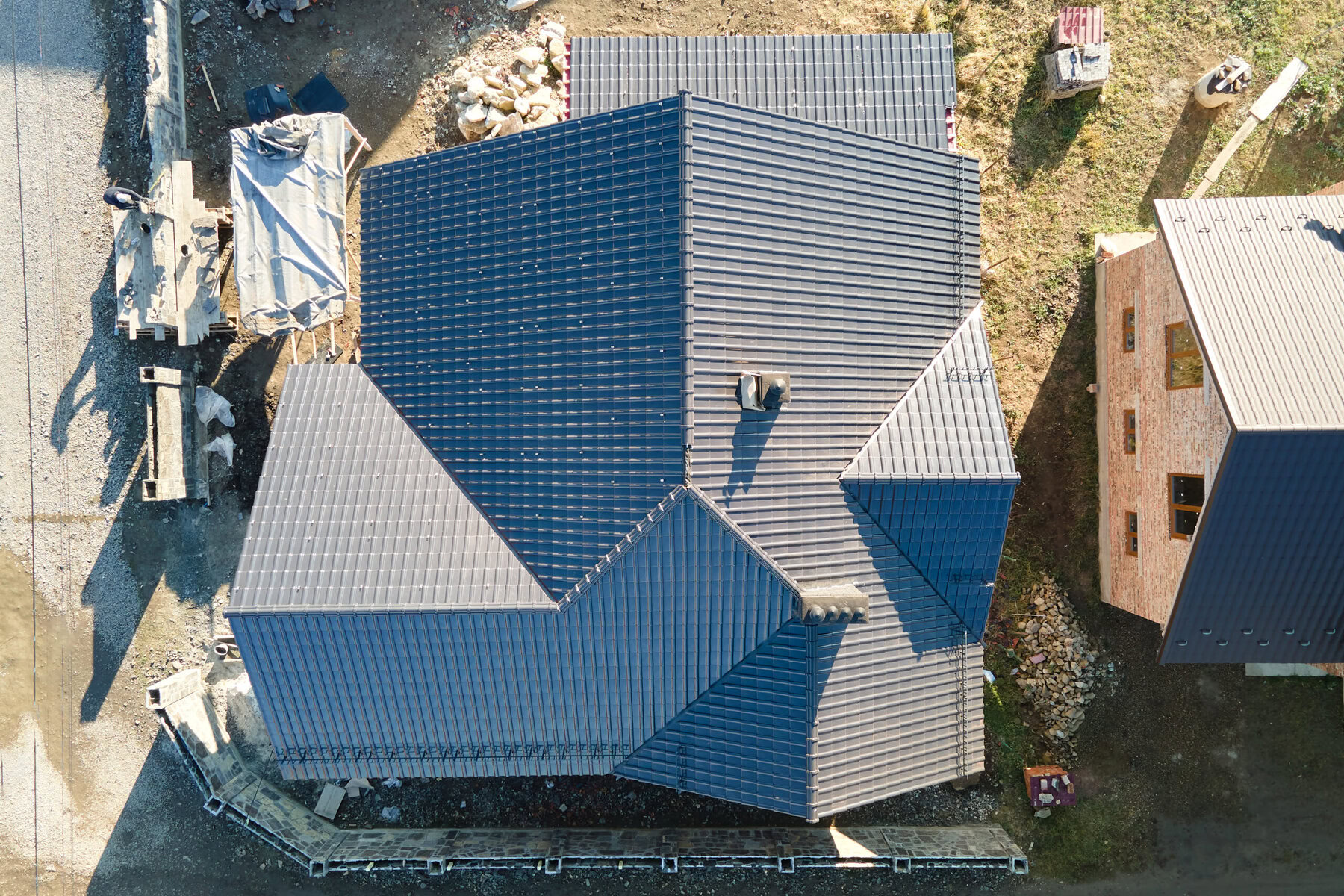
This is the main event. The specialist will safely examine every inch of your roof’s surface. For tile roof repair, they’re checking for cracks, breaks, and slippage. For asphalt shingles, they look for curling, granule loss, and bald spots. They’re also scrutinizing:
- Flashing (the metal around protrusions)
- Gutters and drainage
- Chimneys and skylights
- Soffits and fascia for rot or animal activity
The Interior & Structural Insight
A truly thorough roof service doesn’t stop outside. The inspector will also head into your attic (if accessible). This is crucial because it reveals problems the exterior might hide.
- They’ll look for signs of leaks, water stains, or mold on the underside of the decking.
- They check for proper ventilation—poor airflow cooks your roof from the inside out and skyrockets energy bills.
- They assess insulation levels, which directly impact your roof’s health and your wallet.
When Should You Schedule One?
Honestly, the best time is now. But specifically, aim for:
- Annually: Make it a routine, like changing smoke detector batteries.
- After Major Weather: High winds, hail, or heavy rain.
- Before Buying or Selling a Property: This is non-negotiable.
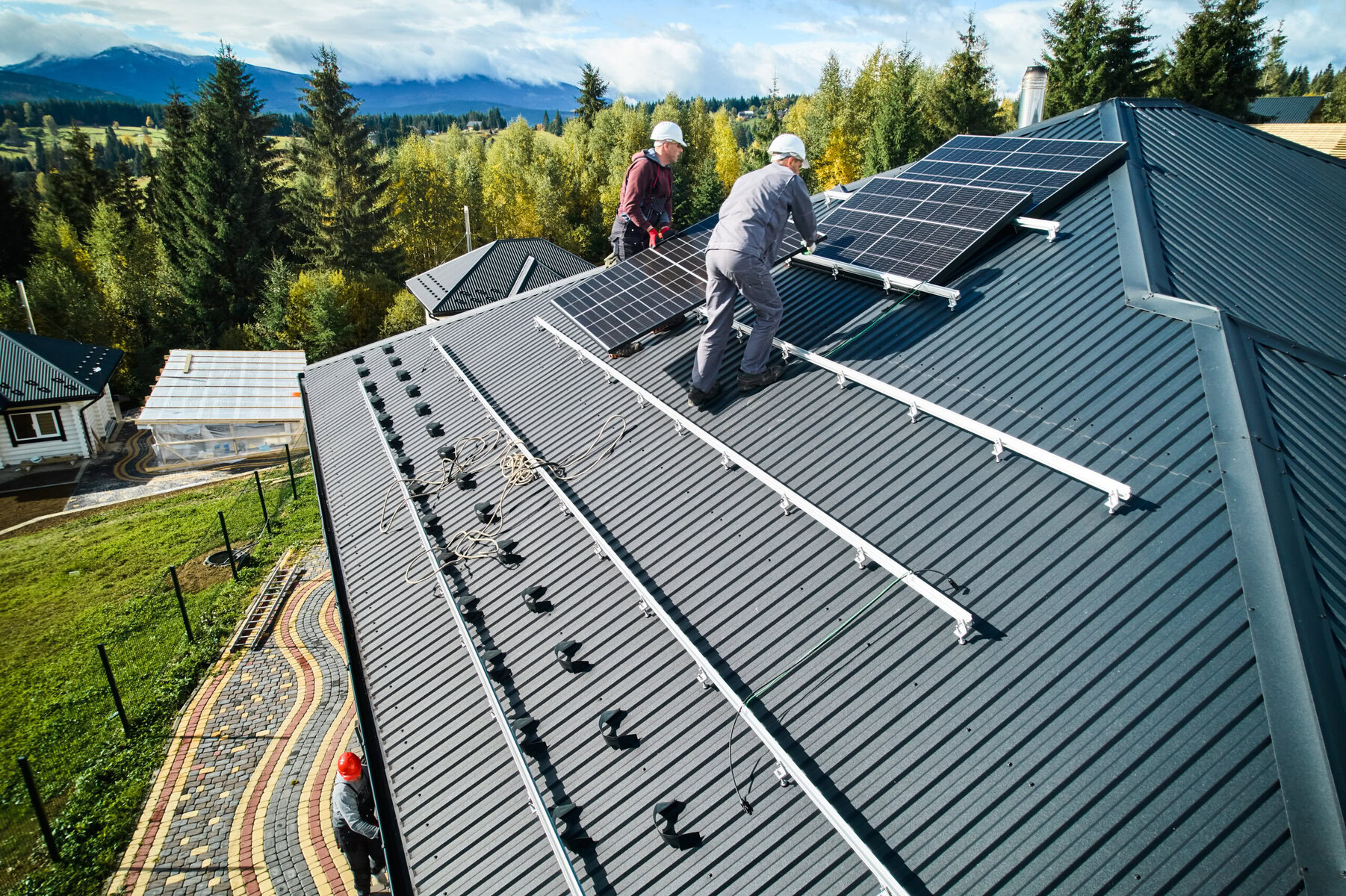
- If You’re Planning to Go Solar: The installation team will thank you.
The Cost of Knowledge vs. The Price of Ignorance
This is the part where everyone gets a little nervous. “What’s this going to cost me?” We hear it all the time. But let’s reframe that question: “What will it cost me not to do it?”
A professional roof inspection is surprisingly affordable. For most residential roof repair scenarios, an inspection is a minimal investment. Compare that to the price of an emergency leak repair at 2 AM, plus the water damage to your ceilings, walls, and belongings. Or the staggering cost of a full, premature roof replacement because unchecked minor issues festered for years.
FYI, many reputable companies, like us at California Green Roofing, will often apply the inspection fee toward any repair work you authorize. It’s an investment in knowledge that literally pays for itself by either giving you confidence or preventing a financial disaster.
DIY vs. Pro: Why We Strongly Recommend the Latter
We know the DIY spirit is strong. And sure, you can grab some binoculars and do a perimeter scan from the ground. But there’s a massive gap between what we see and what a pro sees.
The Limits of Our Ladder
Our quick look might spot the obvious missing shingle. But will we:
- Safely navigate the roof’s pitch?
- Know how to properly inspect sealed areas without causing damage?
- Recognize the early signs of membrane deterioration on a flat commercial roof maintenance project?
- Understand building codes and material-specific failure points?
Probably not. And without that expertise, we might miss the subtle issue that leads to a major commercial roof repairs bill down the line. Hiring a professional roof installation contractor for an inspection means getting an expert diagnosis, not just a guess.
Choosing Your Roof Doctor: What to Look For
Not all inspectors are created equal. You want a specialist, not a salesperson in disguise. Here’s a quick checklist for vetting your nearest roofing experts:
- Licensed & Insured: This is non-negotiable for your protection.
- Local Experience: A company that knows Los Angeles weather patterns is vital.
- Detailed Reporting: They should provide a clear, written report with photos.
- Transparent Communication: They explain issues in plain English, not scary jargon.
- Range of Services: Can they handle what they find? Whether it’s roof coating services, tile roof repair, or a full replacement, it’s efficient to work with a company that does it all.
We’re biased, but this is exactly the ethos we built California Green Roofing on. Being your local roofing repair and inspection partner means we’re invested in the long-term health of your roof, not just a quick sale. We want to be the company you call for roofing maintenance for decades, not just once in a panic.
Your Roof Inspection & Maintenance Timeline
To make this super practical, here’s a simple table to keep on your fridge or in your property management files. Think of it as your roof’s wellness plan.
| Frequency | Task | Who Typically Does It | Why It Matters |
|---|---|---|---|
| Bi-Annually (Spring/Fall) | Visual Ground Check & Gutter Cleaning | Homeowner / Property Manager | Clears debris, spots obvious damage like sagging or missing materials. |
| Annually | Professional Comprehensive Inspection | Licensed Roofing Contractor | Catches hidden issues, provides expert assessment of roof system health. |
| After Any Severe Weather | Post-Storm Assessment | Licensed Roofing Contractor | Documents damage for insurance, addresses vulnerabilities quickly. |
| As Recommended (5-10 yrs) | Professional Cleaning & Roof Coating Services | Licensed Roofing Contractor | Removes damaging growth (moss, algae), restores protective coatings on flat roofs. |
| When Issues Are Found | Prompt Roofing Repair | Roof Repair Specialist | Prevents small, affordable fixes from becoming major, costly failures. |
Answering Your Top Roof Inspection Questions
Let’s tackle a few of the most common questions we hear every day.
1. How long does a typical roof inspection take?
For an average single-family home, a thorough inspection by a pro usually takes 45 minutes to 1.5 hours. Larger homes or complex commercial roof maintenance inspections understandably take longer. The key is thoroughness, not speed.
2. Will an inspection void my roof warranty?
A professional inspection should never void a valid manufacturer’s warranty. In fact, many warranties require periodic maintenance and inspections to remain valid. Always check your warranty terms and use a certified contractor if specific certifications are required.
3. What if the inspection finds nothing wrong?
Congratulations! That’s the best possible outcome. You’ve bought peace of mind and a baseline for your roof’s condition. You also now have a relationship with a roofing company you can trust for future roof inspections or maintenance. Consider it cheap insurance that paid out in confidence instead of cash.
At the end of the day, our roofs work hard for us 24/7, taking the brutal sun, wind, and occasional sideways rain. Giving them a little professional attention is just good karma. It saves us money, protects our sanity, and extends the life of our property.
So, ever look up at your roof and wonder what’s really going on up there? Don’t just wonder. Get it checked. If you’re near Los Angeles and want an honest, detailed assessment from a team that talks straight and does great work, give us a shout at California Green Roofing. We’d love to be your go-to roof service partner and help you keep everything under that roof—especially your stress level—nice and dry.