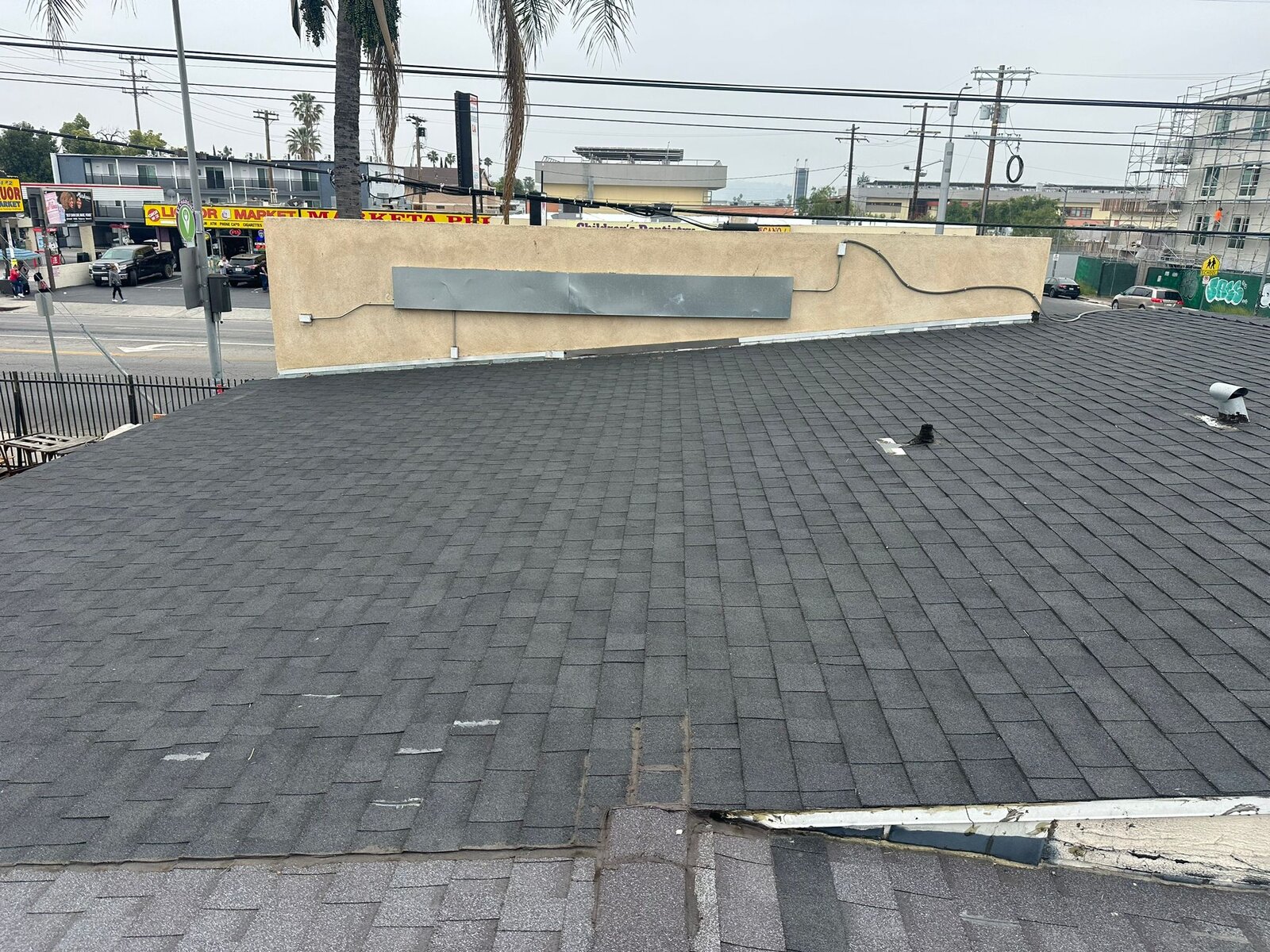
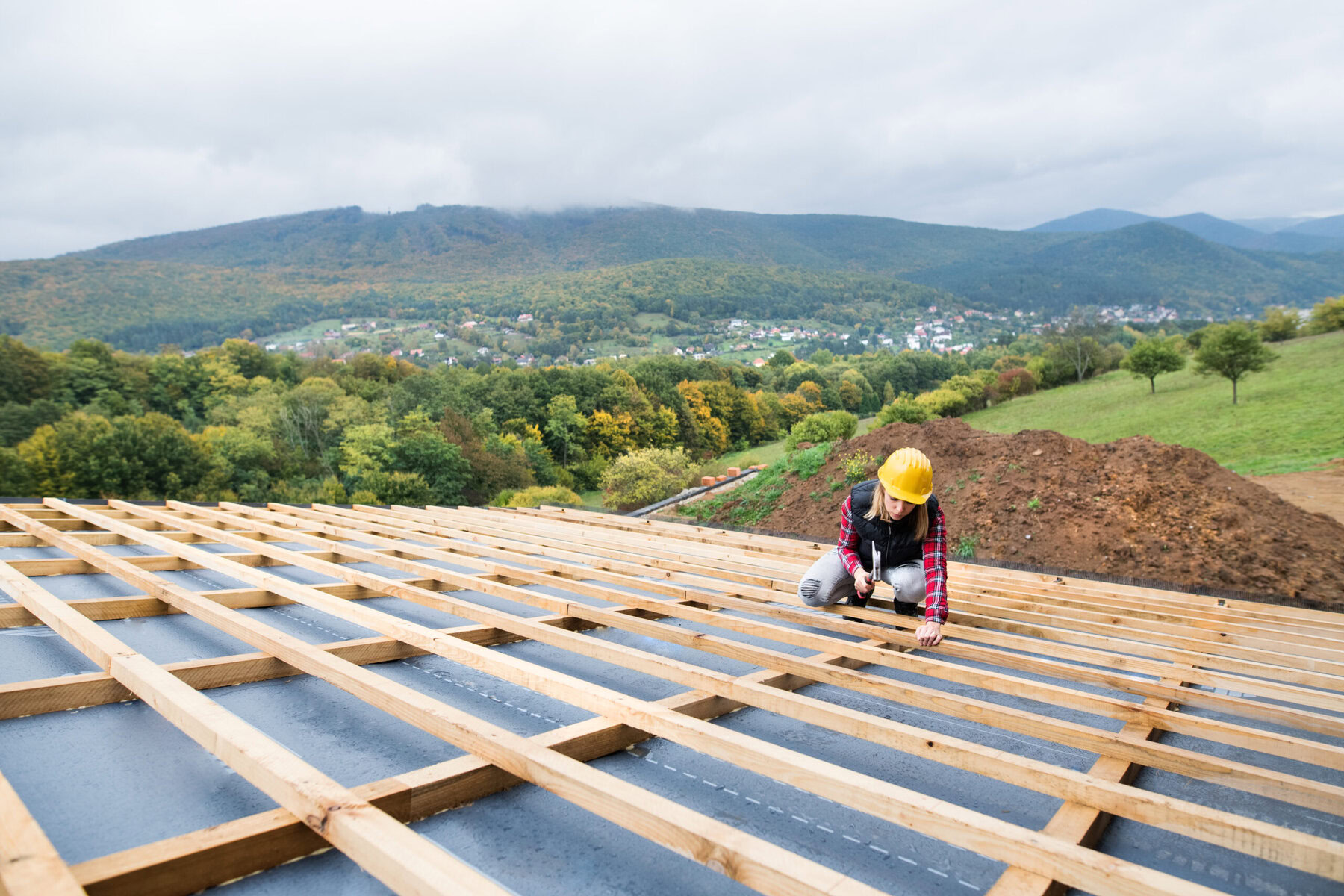
Let’s be honest, our roofs don’t get a lot of love until something goes wrong. We notice a leak, spot a missing shingle, or see our neighbor getting a gorgeous new roof and think, “Hmm, maybe we should look into that.” But navigating the world of roofing can feel like deciphering a foreign language, especially here in Los Angeles where the sun, wind, and occasional surprise rain test our homes year-round.
We’ve been in your shoes, and now from our side of the business at California Green Roofing, we want to pull back the curtain. Consider this a friendly chat between enthusiasts about what really matters when it comes to protecting your biggest investment.
The Unseen World Above Us: More Than Just Shingles
We often forget that our roof is a complex, interconnected system. It’s not just the tiles or asphalt you see from the curb. Underneath, there’s a whole ecosystem of underlayment, flashing, vents, and insulation working overtime. When one piece fails, it’s like a domino effect.
That’s why a simple roofing repair can sometimes uncover a bigger story. A leak in your ceiling might originate from a compromised vent boot ten feet away. Ever wondered why that “small patch” your buddy did didn’t hold up? It’s likely because the real issue was hiding elsewhere. This is where a professional roof repair specialist earns their keep—they know how to diagnose the whole system, not just the symptom.
The Great Debate: Repair vs. Replacement (And Knowing When to Cry Uncle)
This is the million-dollar question, isn’t it? Throwing good money after bad is nobody’s idea of fun. So, how do you decide?
When a Repair is Your Best Friend
Sometimes, a repair is perfectly adequate and the most financially smart move. Think of it like fixing a flat tire instead of buying a new car.
- Localized Damage: A few tiles blew off in a Santa Ana wind event? That’s a classic job for tile roof repair. A good technician can match and secure new tiles seamlessly.
- Minor Leaks: A pinpoint leak around a chimney or pipe flange often requires flashing repair, not a whole new roof.
- Recent Installation: If your roof is relatively young (under 10 years), most issues are likely repair-focused.
The Red Flags That Scream “Replacement”
On the other hand, some signs are your roof’s way of waving a white flag. Here’s when you should start thinking bigger picture:
- Widespread Wear: Curling or buckling shingles across multiple slopes.
- Granule Loss: Finding a lot of those little black granules in your gutters? That’s your roof’s sunscreen wearing off.
- Multiple Leaks: If water is finding new ways in from different angles, the problem is systemic.
- Age: As a general rule, most asphalt roofs in LA have a 20-25 year lifespan. If yours is in that ballpark and having issues, replacement often makes more sense long-term.
The bottom line? A thorough roof inspection from a trusted roofing company is the only way to make this call with confidence. They can give you the real scoop on what you’re dealing with.
A Quick Guide to Roofing Services Decoded
The terminology can be confusing. Let’s break down what you’re actually shopping for:
| Service You Might Search For | What It Really Means | Perfect For… |
|---|---|---|
| Roofing Repair | Fixing a specific, isolated problem like a leak or damage. | Homes with otherwise healthy roofs that have suffered spot damage. |
| Residential Roof Repair | The same as above, but specifically for single-family homes. | Homeowners (that’s you!). |
| Commercial Roof Repairs | Addressing issues on flat or low-slope roofs common on businesses. | Store owners, property managers, and HOA boards. |
| Roof Installation Contractor | A pro who specializes in full roof replacements. | You’ve decided to replace, not repair. |
| Roof Coating Services | Applying a protective, reflective layer to extend roof life. | Flat sections, sun-baked roofs, or as a preventative measure. |
| Roofing Maintenance | Proactive, scheduled check-ups to prevent major issues. | Savvy owners who want to maximize their roof’s lifespan. |
The Price Talk: Getting What You Pay For
Alright, let’s talk about the cost. We know it’s the first thing on everyone’s mind. IMO, the cheapest price is almost always the most expensive route in the long run. Roofing is a craft, and quality materials installed correctly cost money.
An affordable solution isn’t about the lowest bid; it’s about the best value over 20 years. A proper installation with quality materials might cost 15% more upfront, but it will save you from recurring roofing repair bills and premature replacement.
FYI, when you’re getting quotes, make sure you’re comparing apples to apples. Does the price include full tear-off, new underlayment, quality vents, and clean-up? Or is it just a thin layer of shingles slapped over the old problems? The devil is in the details.
Why Maintenance is the Secret Weapon
We get it. Scheduling roofing maintenance feels like a chore for something that isn’t broken. But think of it like an oil change for your house. A bi-annual check-up by a roof service pro can catch:
- Cracked caulking before it leaks.
- Clogged gutters before they cause water backup.
- Minor wind damage before it becomes major.
For our commercial roof maintenance clients, this is non-negotiable. A small leak can ruin inventory, disrupt business, and lead to massive commercial roof repairs. A little preventative care is a no-brainer. The same logic applies at home!
Finding Your Team: It’s Not Just About the Nearest Google Result
“Roofing company near me” is probably how this whole search started, right? But “nearest” doesn’t always mean “best.” You want a local team that knows Los Angeles-specific challenges—how the sun bakes certain slopes, how our “rare” rains can test seals, which materials perform best in our climate.
You want a company that shows up, communicates clearly, and treats your home like their own. That’s the culture we’ve built at California Green Roofing. We’re based right here in LA, and our teams are your neighbors. We understand the pressure of finding a trustworthy roof installation contractor, and we aim to be that for every client, whether it’s a simple residential roof repair or a major commercial project.
Your Roofing Questions, Answered
We Hear You: Your Top Roofing Questions
Let’s tackle a few of the most common things we get asked every day.
1. “How long will a new roof really last in Los Angeles?”
With proper installation and quality materials, you can expect 20-25 years for asphalt shingles, 40+ years for concrete tile, and 50+ years for clay tile. The key phrase is “proper installation.” Sun exposure is the biggest factor here, which is why we often discuss reflective roof coating services as a longevity booster.
2. “Can I just install new shingles over my old ones?”
Technically, sometimes yes. But we almost never recommend it. It’s like putting a new bandage over an old, dirty wound. You miss the chance to inspect and repair the decking underneath, it adds excessive weight, and it can void warranties. A full tear-off is almost always the better play for a lasting result.
3. “What’s the #1 thing I can do to extend my roof’s life?”
Easy: Keep those gutters clean and get a professional roof inspection every two years. Clogged gutters cause water to back up under the roofing material, which is a leading cause of premature failure. An inspection catches the small stuff before it becomes big, expensive stuff.
So, what’s the takeaway from our chat? Your roof is a critical, living part of your home. Pay attention to it before it demands your attention. Invest in quality work, consider preventative maintenance, and choose a partner who sees the job through from a clear diagnosis to a clean finish.
If the stories from above are starting to sound a little too familiar, or if you just want the peace of mind that comes from a professional evaluation, you know who to call. We’re here at California Green Roofing to help you make sense of it all, with honest advice and work we’re proud to put our name on. Let’s keep your Los Angeles home safe, dry, and looking great from the street up.
Related Articles
People Also Ask
A home roof is a complex system designed to protect the structure from the elements. Its primary components include the roof deck (the wooden base), underlayment (a water-resistant barrier), and the outermost roofing material (such as asphalt shingles, tile, or metal). Critical elements are the flashing, which seals joints and protrusions like chimneys and vents, and the drip edge, which directs water away from the fascia. Proper ventilation in the attic and well-maintained gutters are also essential for the roof's longevity and energy efficiency. Understanding this anatomy helps homeowners identify potential issues and communicate effectively with roofing professionals for maintenance and repairs.
Roof joints refer to the connections and seams where different roofing materials or sections meet, and their proper installation is critical for preventing leaks and ensuring structural integrity. Common types include field joints, which connect panels across the main roof area; expansion joints, designed to accommodate thermal movement; and flashing joints, which seal transitions at walls, chimneys, or vents. For flat or low-slope roofs, membrane joints (like those in EPDM or TPO) are sealed with adhesives or tape. California Green Roofing emphasizes using high-quality, durable sealants and following manufacturer specifications to maintain weatherproofing and support energy efficiency, which is vital in California's diverse climate.
Roof supports are critical structural components that ensure the stability and longevity of a roofing system. The primary supports include the roof deck (typically plywood or oriented strand board), which provides the base layer, and the underlying trusses or rafters that form the roof's skeleton. Proper installation and maintenance of these elements are essential for safety and performance. In California, adherence to strict building codes, especially for seismic and fire resistance, is paramount. A professional roofer will ensure all supports are correctly sized, spaced, and secured to handle the weight of roofing materials and environmental loads like wind and rain.
Roof features are essential components that contribute to a roof's functionality, durability, and aesthetic appeal. Key names include the ridge, which is the highest horizontal line where two roof slopes meet, and the hip, an external angle formed by the intersection of two sloping roof planes. Valleys are internal angles where two slopes meet, crucial for water drainage. Eaves are the lower edges of the roof that overhang the walls, while rakes are the sloped edges at the gable ends. Other features include flashing (metal pieces preventing water intrusion at joints), dormers (projections with windows), and soffits and fascia (underside and vertical finishing boards). Understanding these terms aids in maintenance and communication with roofing professionals.
The area directly under the roof structure is called the attic. This is the enclosed space between the roof sheathing and the ceiling of the top floor of a house. Attics serve several critical functions: they provide essential ventilation to regulate temperature and moisture, they offer space for insulation which improves a home's energy efficiency, and they allow for access to critical roof components like rafters, trusses, and sheathing for inspection and maintenance. Proper attic ventilation is a key industry standard for preventing ice dams in winter and reducing cooling costs in summer. For more on the structural components above the attic, see our detailed guide Building A Roof To Last: The Key Decisions In Residential Roof Construction.
GAF roof assemblies are comprehensive systems that integrate the manufacturer's shingles, underlayment, ventilation, and leak barrier components. The core principle is using compatible, high-performance products designed to work together for optimal durability and warranty protection. A typical assembly starts with synthetic underlayment over the deck, followed by leak barrier at critical areas like eaves and valleys. Proper attic ventilation, including intake and exhaust components, is crucial. The final layer is the specific GAF shingle line, such as Timberline HDZ, installed according to strict manufacturer specifications. This systematic approach ensures a water-shedding, wind-resistant roof that often qualifies for enhanced warranties like the Golden Pledge, providing long-term security for the homeowner.
Gaf roofing components are widely recognized for their quality and durability in the residential roofing industry. Key components include shingles, underlayment, ventilation systems, and leak barriers. Gaf shingles, such as the Timberline series, offer advanced protection with features like algae resistance and enhanced wind warranties. Proper underlayment, like Gaf's FeltBuster or StormGuard, provides an additional moisture barrier beneath shingles. Ventilation products, including ridge vents and soffit vents, are crucial for regulating attic temperature and moisture. Leak barriers, such as Gaf's WeatherWatch, protect vulnerable areas like eaves and valleys. Using a full system of compatible Gaf components ensures optimal performance and often extends warranty coverage, making it a reliable choice for homeowners seeking long-term roof integrity.