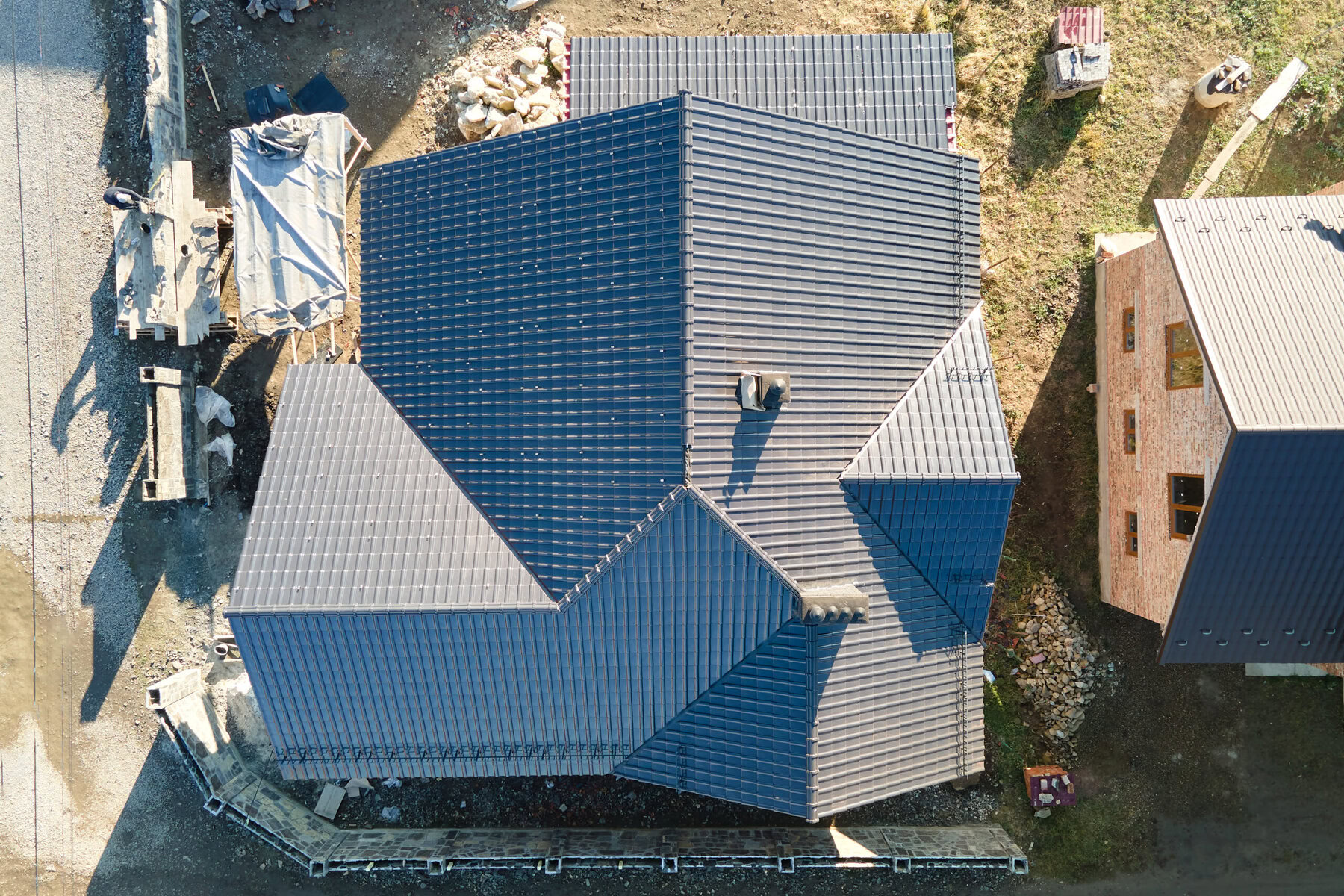
Let’s be honest, we’ve all stared at our roof at some point and wondered, “What on earth is going on up there?” Is it just quietly doing its job, or is it secretly plotting a leak right over your favorite armchair? We get it. As fellow homeowners and building managers here in Los Angeles, we’ve had those same thoughts. That’s why we’re pulling back the curtain on everything above our heads today.
We’re going to walk through the real-world choices, the common headaches, and the smart strategies that keep a roof over your head—literally. And because we’ve spent years as a roofing company in this unique climate, we’ll share the insider perspective you won’t find just anywhere. Consider this a friendly chat between enthusiasts who appreciate a solid, worry-free roof.
Table of Contents
The Foundation: Understanding Your Roof’s Language
Your roof isn’t just shingles or tiles; it’s a complex system. And like any good relationship, communication is key. It tells you things, if you know how to listen. A few granules in the gutter? That’s your asphalt roof whispering. A cracked tile? That’s a shout for attention. Ignoring these signs is like ignoring a check engine light—it only gets more expensive.
That’s where a professional roof service comes in. Regular roof inspections are the equivalent of an annual physical. They catch the small stuff before it becomes the “I-need-a-second-mortgage” stuff. At California Green Roofing, we build our relationships on these check-ups. They give us, and you, a baseline. We can spot a potential issue from a mile away and often handle it as part of routine roofing maintenance, saving you a massive headache (and wallet-ache) down the line.
The Repair vs. Replace Dilemma: A Game of Chess, Not Checkers
This is the million-dollar question, isn’t it? Well, maybe not a million, but a significant investment. Do you patch it up, or is it time for a full reset? Making this call isn’t about a gut feeling; it’s a strategic decision.
When Repair is the Right Move:
- Localized Damage: A small leak from a vent boot, a few wind-damaged shingles, or a handful of cracked tiles. A skilled roof repair specialist can fix this neatly.
- Recent Installation: If your roof is relatively young and the problem is isolated, repair extends its life significantly.
- Budget Constraints: Sometimes, a full replacement isn’t in the cards this year. A proper repair can buy you crucial planning time.
When Replacement Takes the Crown:
- Widespread Issues: When leaks are popping up in multiple places, it’s a system failure, not a spot failure.
- Age: Most roofing materials have a clear lifespan. Pushing far beyond it means you’re just waiting for the next leak.
- Recurring Problems: If you’re calling for residential roof repair or commercial roof repairs on the same area every few years, you’re throwing good money after bad.
Here’s a quick table to help visualize the tipping point:
| Factor | Leans Toward REPAIR | Leans Toward REPLACEMENT |
|---|---|---|
| Age of Roof | Less than 50% of expected lifespan | Over 75% of expected lifespan |
| Damage Scope | Isolated to one area (e.g., around a chimney) | Widespread across multiple roof planes |
| Underlayment | Dry and intact when inspected | Wet, rotten, or compromised |
| Your 5-Year Plan | Planning to sell or move soon | This is your “forever home” or long-term asset |
| Energy Bills | Consistent with local averages | Suddenly and inexplicably spiking |
The bottom line? A trustworthy roof installation contractor won’t sell you a new roof if you don’t need one. Our philosophy at California Green Roofing is to give you the straight facts. If a repair makes sense, we’ll tell you. If you’re on borrowed time, we’ll be clear about that, too. No scare tactics, just clarity.
Beyond Shingles: The Unsung Heroes of Roofing
We fix a lot of leaks, but some of the most valuable work we do isn’t about fixing a failure—it’s about preventing one. Let’s talk about two power players: maintenance and coatings.
Commercial Roof Maintenance: The Boring Superhero
For a flat or low-slope commercial roof, a proactive maintenance plan isn’t a luxury; it’s a fiscal responsibility. It’s the difference between a predictable operational cost and a catastrophic capital expense. We schedule visits to clear drains, check seams, and inspect flashings. It’s not glamorous, but it prevents water from hosting a pool party on your inventory.
Roof Coating Services: Your Roof’s SPF 50
Think of a roof coating as a giant, protective sunscreen for your building. For many commercial roofs and even some residential ones, a high-quality coating can:
- Reflect solar heat, slashing cooling costs (a huge deal in our Los Angeles sun).
- Seal small cracks and minor imperfections.
- Extend the life of your existing roof membrane by years.
It’s one of the most affordable ways to get a major performance upgrade. IMO, it’s a no-brainer for eligible roofs.
Navigating the Jungle: Choosing Your Roofing Partner
Okay, let’s talk about the elephant in the room. How do you find a roofer you can trust? A quick search for “roofing repair near me” will give you 50 options. It’s overwhelming.
Red Flags We’d Avoid (And You Should Too):
- The Door-Knocker After a Storm: They follow weather patterns, not best practices.
- High-Pressure Sales Tactics: “This price is only good today!” A reputable company doesn’t need to scare you into signing.
- Vague or Non-Existent Contracts: Every detail should be in writing—materials, scope, timeline, cleanup.
- No Local Presence: If they can’t point you to a long-term project or have no physical office, where will they be when you need warranty service?
Green Flags to Look For:
- Clear Communication: They explain the why, not just the what.
- Proper Licensing & Insurance: This is non-negotiable. Ask for proof.
- Local References & Portfolio: They should have plenty of examples near you.
- Detailed, Fair Quotes: The price should reflect quality materials and skilled labor, not just be the cheapest number on the page.
We built California Green Roofing on these green flag principles. We’re your nearest neighbor who happens to be roofing experts. We want to be the company you call for a tile roof repair this year, a coating next decade, and trust with your family or business for the long haul. FYI, that’s how this business should work 🙂
Your Top Roofing Questions, Answered Straight
We hear these all the time, so let’s tackle them head-on.
1. “How often should I really get my roof inspected?”
For most homes, every two years is solid. For commercial properties, at least twice a year—especially before and after the rainy season. After a major weather event (hello, Santa Ana winds!), it’s wise to get a visual check. Think of it as cheap insurance.
2. “Can’t I just do repairs myself to save money?”
We love a good DIY spirit, but roofing is a different beast. The safety risks alone are huge. But more than that, what looks like a simple shingle replacement might hide rotten decking underneath. A pro ensures the root cause is fixed, not just the symptom. What you save in labor, you might pay double for in water damage later.
3. “How do I budget for a roof? The costs seem all over the place.”
You’re right, they can vary. The biggest factors are material, roof complexity (lots of angles = more labor), and the condition of the underlying structure. The most affordable option today is rarely the most cost-effective over 20 years. A proper budget starts with a thorough inspection and a transparent quote that outlines all potential variables. Don’t be shy about asking for a line-item breakdown.
Wrapping It All Up
So, there you have it. A roof is more than just a top cover; it’s your first line of defense. Whether it’s a simple residential roof repair, a strategic commercial roof maintenance plan, or a full-scale replacement, the approach should be the same: informed, proactive, and partnered with people who see your roof as part of your home, not just a job site.
We started California Green Roofing because we believe this industry needed more conversation and less confusion. We’re here in Los Angeles, dealing with the same sun, wind, and occasional rain as you. If your roof is doing that thing that’s making you raise an eyebrow, don’t wait for it to become a waterfall in your living room. Get it looked at. Give us a call, or call someone you trust—just make sure you call someone. Your armchair will thank you.