Let’s be honest, our roofs don’t get a lot of love until something goes wrong. We notice a leak, spot a missing shingle, or see our neighbor getting a gorgeous new roof and think, “Hmm, maybe we should look into that.” But navigating the world of roofing feels like deciphering a foreign language, doesn’t it? What’s the real difference between a repair and a replacement? Why does one roofing company quote seem wildly different from another? And what even is a roof coating service?
We get it. We’ve been in your shoes, and now we’re on the other side of the ladder. At California Green Roofing here in Los Angeles, we spend our days answering these questions, and we’ve learned that a little knowledge goes a long way in turning a stressful project into a smart investment. So, grab a coffee, and let’s chat about what really matters when it comes to your overhead shelter.
Getting to Know Your Roof’s Secret Language
First things first, let’s clear up some terminology. When you start calling around, you’ll hear a bunch of different job titles. They’re not all the same, and knowing the difference can save you time and money.
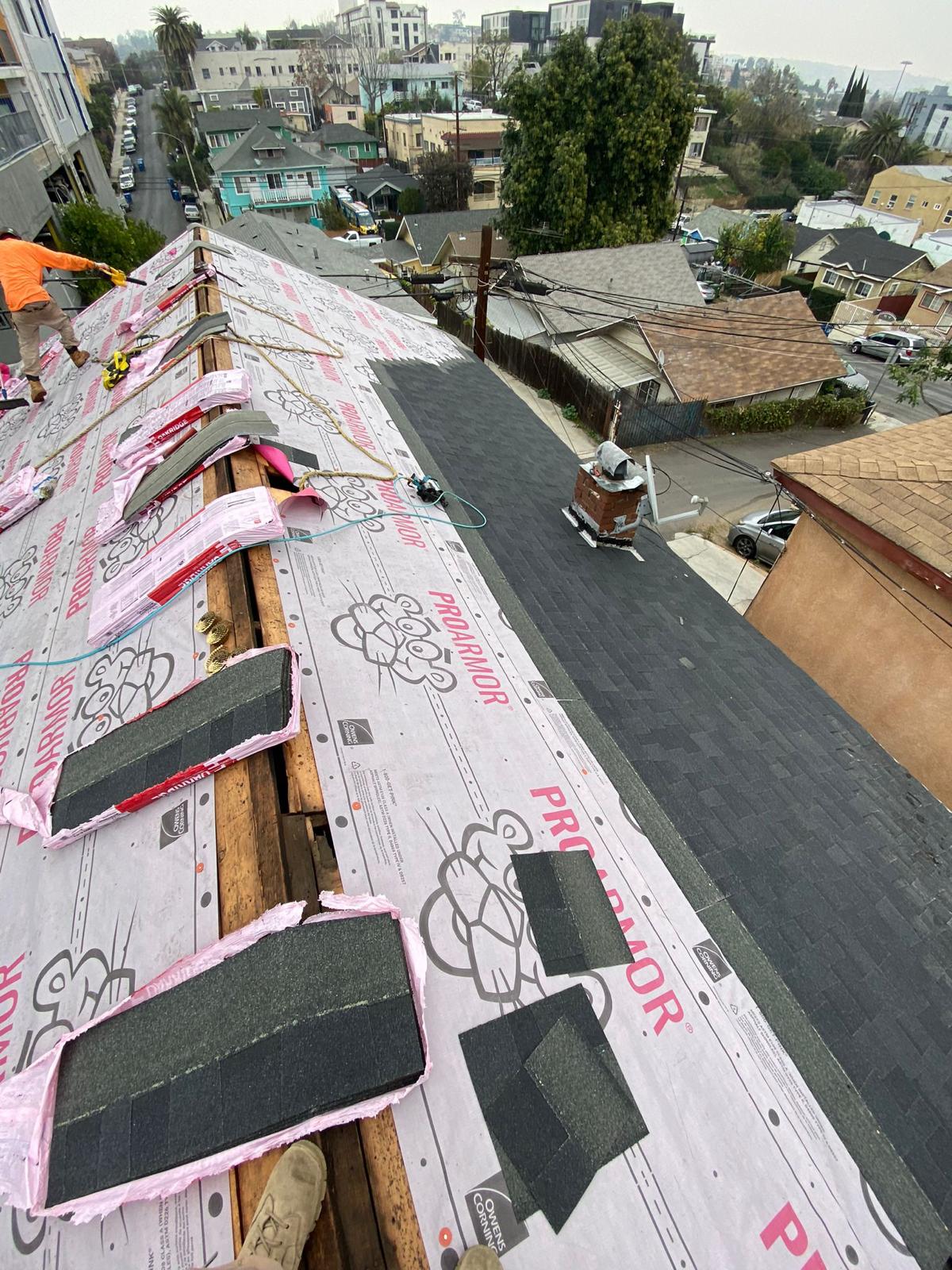
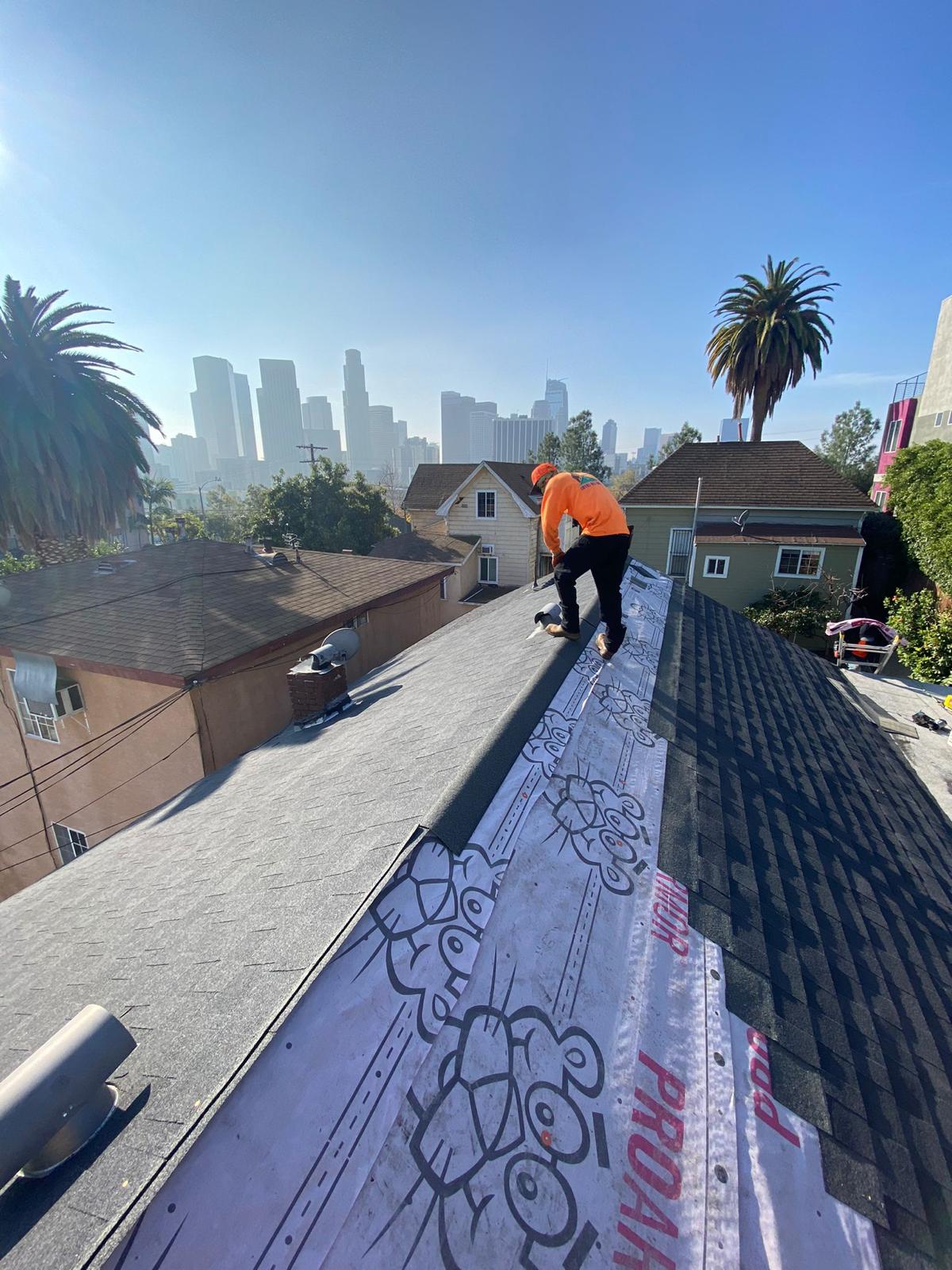
A roof repair specialist is exactly that—a pro focused on fixing specific, isolated problems. They’re the surgeons of the roofing world. A roof installation contractor, on the other hand, is your go-to for a full tear-off and replacement. They handle the big, transformative projects. Then you have companies that offer comprehensive roof service, which can include everything from inspections and minor repairs to full installations and maintenance plans.
Why does this matter? Well, you wouldn’t call a brain surgeon to set a broken arm, right? Matching the right professional to your specific need is step one. For instance, if you have a classic clay tile roof repair need, you want someone with specific experience in that delicate craft, not just any generalist. That’s a specialty we’re particularly proud of at California Green Roofing.
The Great Debate: Repair vs. Replace
This is the million-dollar question (though hopefully, it costs much less). How do you know when to patch it up and when to start fresh?
Think of it like an old car. You can keep replacing parts, but eventually, the cost of constant repairs outweighs the value of the vehicle. Your roof is similar. A few missing shingles or a small leak? That’s likely a simple residential roof repair. But if you’re facing multiple leaks, widespread wear, or your roof is simply past its life expectancy (typically 20-25 years for asphalt shingles), a replacement is probably the smarter long-term play.
Here’s a quick, down-and-dirty table to help you gauge where you might stand:
| Symptom You’re Seeing | Likely Candidate For… | Why? |
|---|---|---|
| One isolated leak after a storm | Roofing Repair | Probably wind or debris damage in a single area. |
| Curling or buckling shingles on over 30% of the roof | Roof Installation | Widespread failure means patches won’t solve the systemic issue. |
| Granules in your gutters (for asphalt roofs) | Roofing Maintenance / Inspection | This is wear and tear; an expert should assess how advanced it is. |
| Water stains on multiple ceilings | Commercial Roof Repairs or Full Replacement | Multiple leaks suggest a failing membrane or system. |
| Energy bills creeping up for no reason | Roof Inspection & Possible Coating | Your roof’s reflectivity or insulation may be compromised. |
Ever wondered why that one leak keeps coming back no matter how many times you fix it? It’s frustrating! Often, the visible water stain isn’t directly under the breach in the roof. Water travels along rafters or sheeting before it drips. This is where a professional roof inspection is worth its weight in gold. They find the actual source, not just the symptom.
The Price Talk: Breaking Down the Investment
Okay, let’s talk numbers. We know it’s the part everyone dreads. The price of roofing work depends on a galaxy of factors: the size and pitch of your roof, the materials you choose, the extent of any underlying damage, and even the time of year. IMO, getting hung up on the lowest bid is the fastest way to headache city. You’re not just buying shingles and labor; you’re buying expertise, warranty, and peace of mind.
So, how do we keep things affordable without cutting corners? A few ways:
- Preventative Care: Regular commercial roof maintenance or residential check-ups can identify small issues before they become bankrupting disasters. It’s the dental cleaning for your roof.
- Exploring All Options: Sometimes, a roof coating service can extend the life of a commercial roof by 10+ years at a fraction of a replacement cost. It’s not always the answer, but it’s a powerful tool when it is.
- Clear Communication: A trustworthy roofing company will provide a detailed, transparent quote that breaks down material costs, labor, waste removal, and permits. No surprises.
We’ve seen the aftermath of “bargain” jobs, and trust us, having to redo a botched installation is the opposite of affordable. FYI 🙂
Why Your Local Los Angeles Roofing Company Matters (A Lot)
Roofing isn’t a one-size-fits-all industry, especially here. The Los Angeles climate, with its intense sun, occasional heavy rains, and yes, seismic considerations, puts unique demands on a roof. A company from, say, the Midwest might not prioritize sun-reflective coatings or proper ventilation for our heat the way a local expert would.
Working with your nearest expert, like a local Los Angeles team, means they understand the specific challenges of your neighborhood. They know which materials hold up best on the coast versus in the valley. They can get to you quickly for an emergency roofing repair. And they have a reputation in the community to uphold. When you choose a company like California Green Roofing, you’re choosing a team that’s invested in the long-term performance of your roof because we’re your neighbors, too. We’re not a faceless national chain; we’re the crew you might see at the local hardware store on Saturday.
Your Action Plan: Don’t Wait for the Drip
Procrastination is a roof’s worst enemy. So, what’s the game plan?
- Start with a Professional Eye. Don’t just stare at it from your yard. Schedule a professional roof inspection. A good inspector will give you an honest assessment, photos of any issues, and a clear range of options.
- Ask the Right Questions. When getting estimates, ask about crew experience, warranty details (on both materials AND labor), and the timeline. Ask for references. A reputable company will happily provide them.
- Think Long-Term. Consider energy-efficient materials or cool-roof coatings. They might have a higher upfront cost but can save you a ton on cooling bills in our sunny climate. It’s a greener choice for your wallet and the planet—something we’re passionate about at California Green Roofing.
Wrapping It All Up
At the end of the day, your roof is your home’s first line of defense. It keeps your family dry, your belongings safe, and your energy bills in check. Whether you need a minor residential roof repair, a major commercial roof maintenance program, or a full replacement, the key is to be informed and choose a partner you can trust.
Look, we know this isn’t the most thrilling home improvement topic. It’s not as sexy as a kitchen remodel. But a solid, well-maintained roof is the foundation for everything else in your home or business. It lets you sleep soundly during a rainstorm (which, for Los Angeles, is a rare but dramatic event).
If all this talk has you glancing nervously at your ceiling, don’t panic. Start the conversation. Get an expert opinion. We’re always here at California Green Roofing to provide a clear, honest assessment, whether you’re near downtown or the nearest suburb. Because a good roofing experience shouldn’t be a mystery—it should just be good service.
Your Roofing Questions, Answered
1. How often should I really get my roof inspected?
For most homes, a professional inspection every 2-3 years is a great rule of thumb. For commercial properties with larger roofs, we recommend at least an annual commercial roof maintenance check. After any major weather event (high winds, heavy hail), it’s also smart to get a visual check. Think of it as cheap insurance.
2. Can I just do the repairs myself?
We admire the DIY spirit, honestly. For very minor things like replacing a few missing shingles if you’re comfortable on a ladder, maybe. But roofing is dangerous work and improper repairs often cause more damage. A roof repair specialist has the safety equipment, training, and eye for detail to ensure the fix is correct and integrated with the rest of your roof system. What looks like a simple patch could hide a bigger problem.
3. What’s the biggest mistake homeowners make when hiring a roofing company?
Choosing based solely on the lowest bid. The cost is important, but it shouldn’t be the only factor. A shockingly low quote often means cut corners on materials, labor, insurance, or warranty protection. Always verify licensing, insurance, and reputation. A quality roof is a 20+ year investment; it’s worth doing right with a company that will be around to honor their warranty.
People Also Ask
Facing a roof replacement without immediate funds is challenging, but several financial avenues exist. First, explore insurance if damage is from a covered peril like hail or wind. For general wear, a home equity loan or line of credit (HELOC) is a common solution, using your home's value as collateral. Many roofing contractors offer financing plans, sometimes with promotional low or zero-interest periods. Government programs, like FHA Title I loans for home improvement, are also an option for qualified homeowners. As a critical protective element, delaying repair often leads to costlier interior damage, so exploring these financing methods promptly is a sound professional strategy. Always obtain detailed estimates and review all loan terms carefully.
The 25% rule in roofing is a common insurance guideline used to determine if a roof needs a full replacement or just repairs after storm damage. If an inspection finds that over 25% of the roof's surface area is damaged, many insurance policies will cover a complete roof replacement instead of multiple, less effective repairs. This rule helps ensure structural integrity and long-term performance, as patching a heavily damaged roof can lead to future leaks and failures. It's crucial to have a professional assessment after any major weather event, as the rule's application can vary by policy, jurisdiction, and the specific roofing materials involved.
Getting financed for a new roof is generally achievable, but the difficulty depends on your financial situation and the options you pursue. Many homeowners use home equity loans or lines of credit, which require sufficient equity and good credit. Some roofing contractors offer in-house financing, which can be more accessible but may have higher interest rates. Personal loans are another option, though they often come with shorter terms. The key is to have a solid credit score and a stable income to improve approval chances. It's advisable to get multiple quotes and compare financing terms from different lenders to find the most suitable and affordable plan for your project.
Getting a roof replaced affordably requires strategic planning. Start by obtaining multiple quotes from licensed, insured contractors to compare pricing and services. Consider timing your project during the off-season (late fall or winter, weather permitting) when demand is lower. Opting for standard, durable asphalt shingles is often the most cost-effective material choice. You can also discuss with your contractor if a roof overlay (adding a new layer over existing shingles) is a viable, code-compliant option for your structure, as it reduces tear-off costs. Finally, inquire about financing plans or potential rebates for energy-efficient materials to manage upfront expenses. Always prioritize quality workmanship over the lowest bid to avoid costly future repairs.
Government loans for roof replacement are typically offered through programs like the FHA 203(k) Rehabilitation Loan or the USDA Rural Repair and Rehabilitation Grants and Loans. These are not direct grants but are federally backed loans that can include roof work. For energy-efficient upgrades, programs like the FHA Energy Efficient Mortgage can also be used. Homeowners should first consult with their local or state housing authority, as many states have specific weatherization or home repair assistance programs with favorable terms. It's crucial to work with a licensed, insured roofing contractor like California Green Roofing to ensure the project meets all program specifications and building codes for loan approval.
When searching for roofing companies offering payment plans in your area, start by researching local contractors with strong reputations. Many established roofing companies provide financing options to help homeowners manage the cost of repairs or replacements. Look for providers that partner with reputable lenders or offer in-house payment plans with clear terms. It is crucial to compare interest rates, fees, and repayment schedules. Always verify the company's licensing, insurance, and customer reviews. A professional roofer should provide a detailed written estimate and financing agreement before any work begins. This approach ensures you receive quality service while managing your budget effectively.
Financing a roof replacement with bad credit is challenging but possible through specialized lenders and programs. Many roofing contractors partner with financing companies that offer loans specifically for home improvements, which may have more flexible credit requirements. You can also explore government-backed options like FHA Title I loans, which are designed for home upgrades and do not require perfect credit. Another route is a home equity loan or line of credit, though these depend on your home's value and existing equity. Always compare interest rates and terms carefully, and consider asking for a co-signer to improve approval chances. Some contractors also provide in-house payment plans, which can be more accessible than traditional loans.
Roof financing is a critical consideration for homeowners needing a new roof or major repairs. Many roofing companies, including California Green Roofing, offer financing options to make these essential projects more affordable. Common solutions include personal loans, home equity lines of credit (HELOCs), and specialized contractor financing plans. It is vital to compare interest rates, terms, and any potential fees. A professional roofer can often provide guidance or partner with lending institutions. Always ensure you understand the full scope of the project cost and the financing agreement's details before proceeding, as a quality roof is a long-term investment in your home's safety and value.