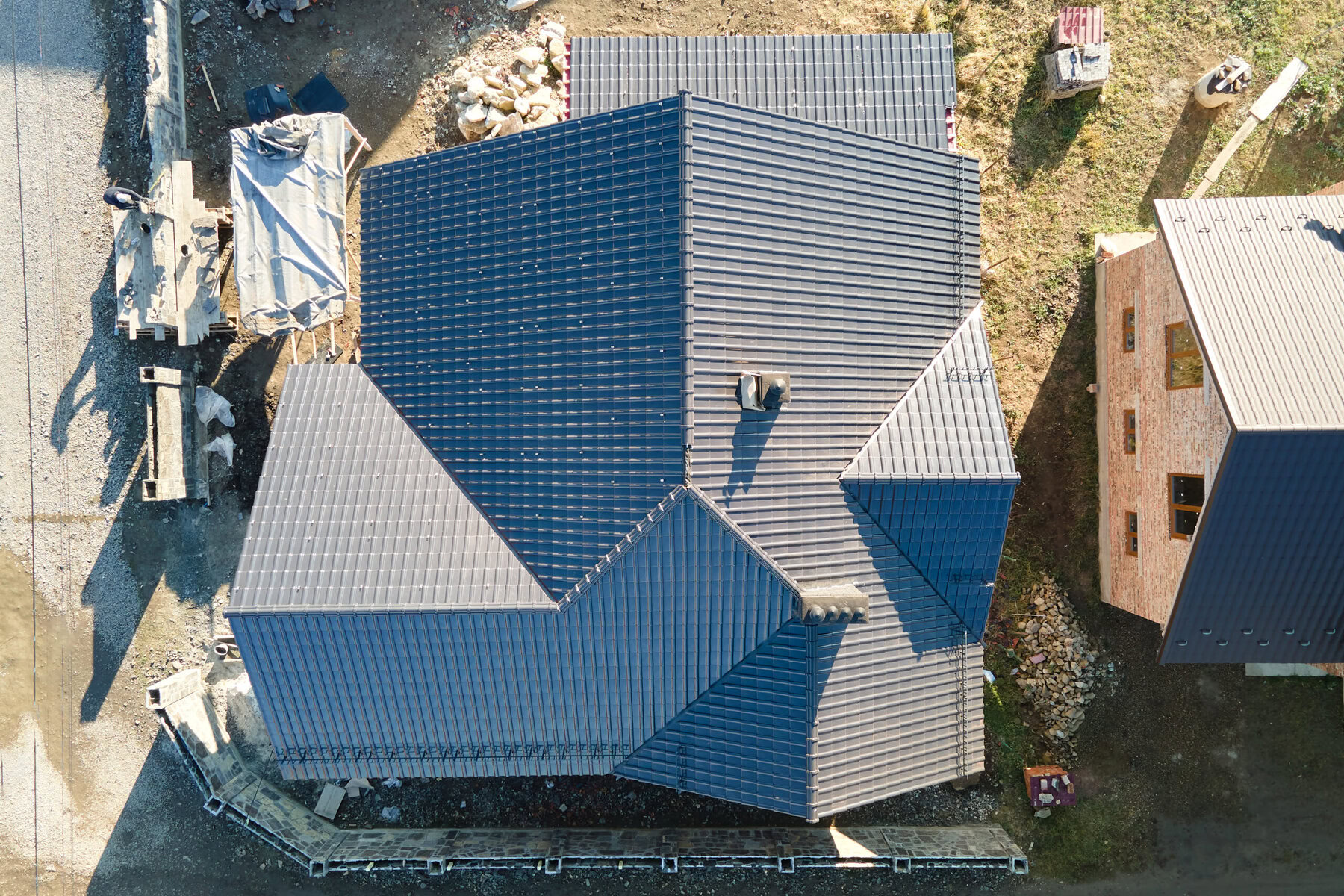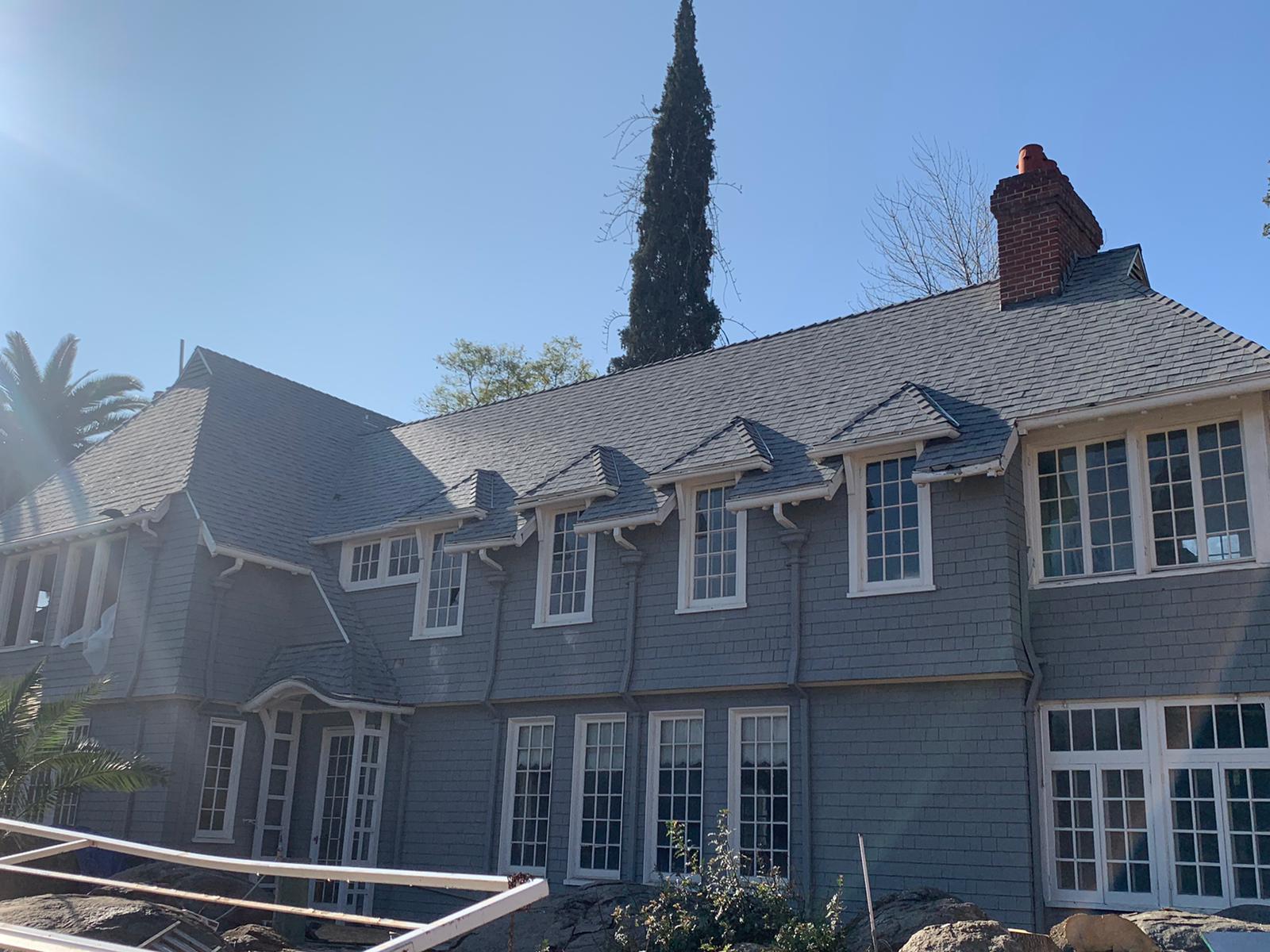
Let’s be honest, we’ve all stared at our roof at some point and wondered, “What exactly is going on up there?” Is it quietly protecting us, or is it secretly plotting a leak right over the living room sofa? We get it. Your roof is this massive, often forgotten part of your home or business until, well, it isn’t. Suddenly, you’re scrambling to understand terms, compare prices, and find a roofing company you can actually trust not to vanish after the deposit.
Well, take a breath. We’re going to walk through this together. Think of this as a chat between friends who’ve seen one too many “roofing specials” that were anything but special. We’ll talk about what really matters, from that first suspicious stain to a full-blown replacement, and why the right approach can save you a massive headache (and a massive chunk of change).
Table of Contents
The Roof Over Your Head: More Than Just Shingles and Tar
We like to think of a roof as a living, breathing system. No, it doesn’t actually breathe (that would be weird), but it’s a dynamic assembly of layers working in concert. When one part fails, it stresses the others. That’s why a tiny leak isn’t just a tiny problem—it’s a symptom.
So, what makes up this system?
- The Decking: The wooden backbone everything else nails into. If this gets soft, you’ve got big problems.
- The Underlayment: This is the critical water-resistant barrier. It’s your last line of defense before water hits the deck.
- The Roof Covering: The star of the show! Shingles, tiles, metal, membrane—this is what you see and what takes the daily beating from our famous LA sun.
- The Flashing: The unsung hero. These metal pieces seal joints around chimneys, vents, and walls. Most leaks start here, not on the open field of the roof.
- The Ventilation: Arguably the most overlooked part. A roof that can’t breathe traps heat and moisture, which cooks your shingles from the inside out and turns your attic into a sauna. Not ideal.
Ever wondered why your neighbor replaced their roof after 15 years while yours is struggling at 12? It often comes down to installation quality and maintenance. A perfect-looking roof can have a failing underlayment, and you’d never know until the ceiling paint bubbles.
The Great Repair vs. Replacement Debate: A Guide That Won’t Bore You
This is the million-dollar question, isn’t it? Well, maybe not a million, but a significant investment. Let’s break it down without the sales jargon.
When a Roof Repair Specialist is Your Best Friend
- Localized Damage: A few wind-lifted shingles after a Santa Ana event, or a leak traced directly to a single piece of cracked flashing.
- Minor Leaks: You’ve caught it early, and the water damage is minimal. Quick action here is everything.
- General Wear and Tear: Some cracked tiles, a small section of worn-out shingles. A focused roofing repair can add years of life.
When You Need to Talk to a Roof Installation Contractor
- Widespread Issues: If leaks are popping up in multiple, unrelated spots, the problem is likely systemic.
- Age: Most asphalt shingle roofs in Los Angeles have a 20-25 year lifespan. If yours is in that range and showing issues, patching becomes a money pit.
- Severe Storm Damage: When large sections are compromised, a repair is just a band-aid.
- Decking Rot: If more than about 30% of the decking is soft, most reputable companies will recommend a replacement. We’re not just being difficult; it’s about doing the job right.
Here’s our IMO: always get a professional roof inspection to inform this decision. A good inspector will give you the unvarnished truth, not just a sales pitch. Which, FYI, is exactly what we do at California Green Roofing before we recommend anything. The goal is to solve your problem, not create a new one.
Residential vs. Commercial: It’s a Different World Up There
Our approach changes dramatically depending on whether we’re over a family home or a warehouse. The goals are similar—keep water out—but the execution? Totally different.
For Residential Roof Repair, it’s often about aesthetics, material matching, and minimizing disruption to your daily life. We’re dealing with steep slopes, complex designs, and materials like clay tile or composite shingles. Tile roof repair, for instance, is a specialized skill. You can’t just have anyone walk on those without breaking half of them.
Commercial roof maintenance is a whole other beast. We’re usually talking about vast, flat or low-slope surfaces. The focus shifts to durability, water pooling prevention, and long-term cost-effectiveness. Commercial roof repairs often involve single-ply membranes (like TPO or EPDM), modified bitumen, or built-up roofs. The maintenance plan is king here—proactive roofing maintenance prevents catastrophic failures that can shut down a business.
Your Secret Weapon: Proactive Maintenance & Coatings
Okay, let’s talk about the most boring but most money-saving part of roof ownership: maintenance. We know, it’s about as exciting as watching paint dry. But in this case, the paint is actually pretty cool!
Think of roof coating services as a giant, protective sunscreen for your roof. A high-quality reflective coating can:
- Drastically reduce interior temperatures (hello, lower AC bills!).
- Seal minor cracks and extend the life of your current roof system.
- Protect against UV degradation, which is the #1 killer of roofs in Southern California.
A solid roof service plan includes bi-annual inspections (after winter and before summer), gutter cleaning, and keeping an eye on those flashings. It’s the difference between a predictable cost and a shocking emergency repair bill. It’s how we make roofing maintenance affordable in the long run.
Navigating the Jungle of Costs & Finding the Right Crew
Let’s address the elephant in the room: price. We wish we could give you a single number, but any company that does over the phone is… let’s say, being optimistic. The cost depends on size, pitch, materials, accessibility, and the scope of work.
To give you a framework, here’s a basic comparison of common roofing repair and replacement scenarios:
| Service Type | Typical Scope | Key Cost Factors | Why Price Varies |
|---|---|---|---|
| Minor Repair | Fixing a leak, replacing a few shingles/tiles. | Material type, labor time, urgency. | Tile roof repair costs more than shingle due to skill & risk of breakage. |
| Major Repair | Replacing a full section, repairing decking. | Size of area, extent of water damage, decking replacement. | Unseen damage discovered after opening up the roof. |
| Full Replacement | Tear-off, new underlayment, new roofing material. | Square footage, material choice (asphalt vs. metal vs. tile), roof complexity. | Premium materials (clay tile, slate) and complex designs (multiple valleys, steep pitch) increase cost. |
| Coating Application | Cleaning, priming, and applying reflective coating. | Roof condition prep work, type of coating, number of coats. | A roof needing extensive repair before coating will cost more than a sound one. |
Finding your team: Look for a licensed, insured, and local roofing company. Read reviews, ask for references, and trust your gut. The nearest guy with the cheapest quote might save you money today but cost you double tomorrow. We’re based right here in Los Angeles, so we understand the specific weather challenges your roof faces—from the blazing sun to the occasional downpour.
Questions We Hear All the Time (And Our Straight Answers)
1. “How often should I really get my roof inspected?”
Twice a year is the sweet spot. Once in late spring to fix any winter damage and prepare for the summer heat, and again in early fall to clear debris from summer storms and get ready for rain. Think of it as a dental cleaning for your house. Neglect it, and things get painful and expensive.
2. “Can’t I just do repairs myself?”
Sure, if you’re comfortable with heights, have the right tools and safety gear, and know how to properly integrate a repair into the existing system. For most of us? Absolutely not. One misstep can cause more damage or, worse, a trip to the hospital. Some things are worth hiring a roof repair specialist for. This is one of them.
3. “What’s the biggest mistake homeowners make with their roofs?”
Waiting. Ignoring a small leak or a few missing granules. By the time you see a water stain on your ceiling, the problem has been growing for weeks or months. Proactive care is always, always more affordable than emergency reaction.
So, what’s the takeaway from our little chat? Your roof isn’t a mystery. It’s a system that thrives on attention and suffers from neglect. Whether it’s a simple residential roof repair or a comprehensive commercial roof maintenance plan, the philosophy is the same: address issues early, use quality materials, and hire people who know what they’re doing.
We built California Green Roofing on that simple idea. We’re here in Los Angeles, dealing with the same weather you are, and we’re passionate about doing things right—not just fast or cheap. If your roof has been on your mind (or if you just want the peace of mind of a professional check-up), give us a shout. Let’s make sure the thing over your head is a source of comfort, not anxiety.