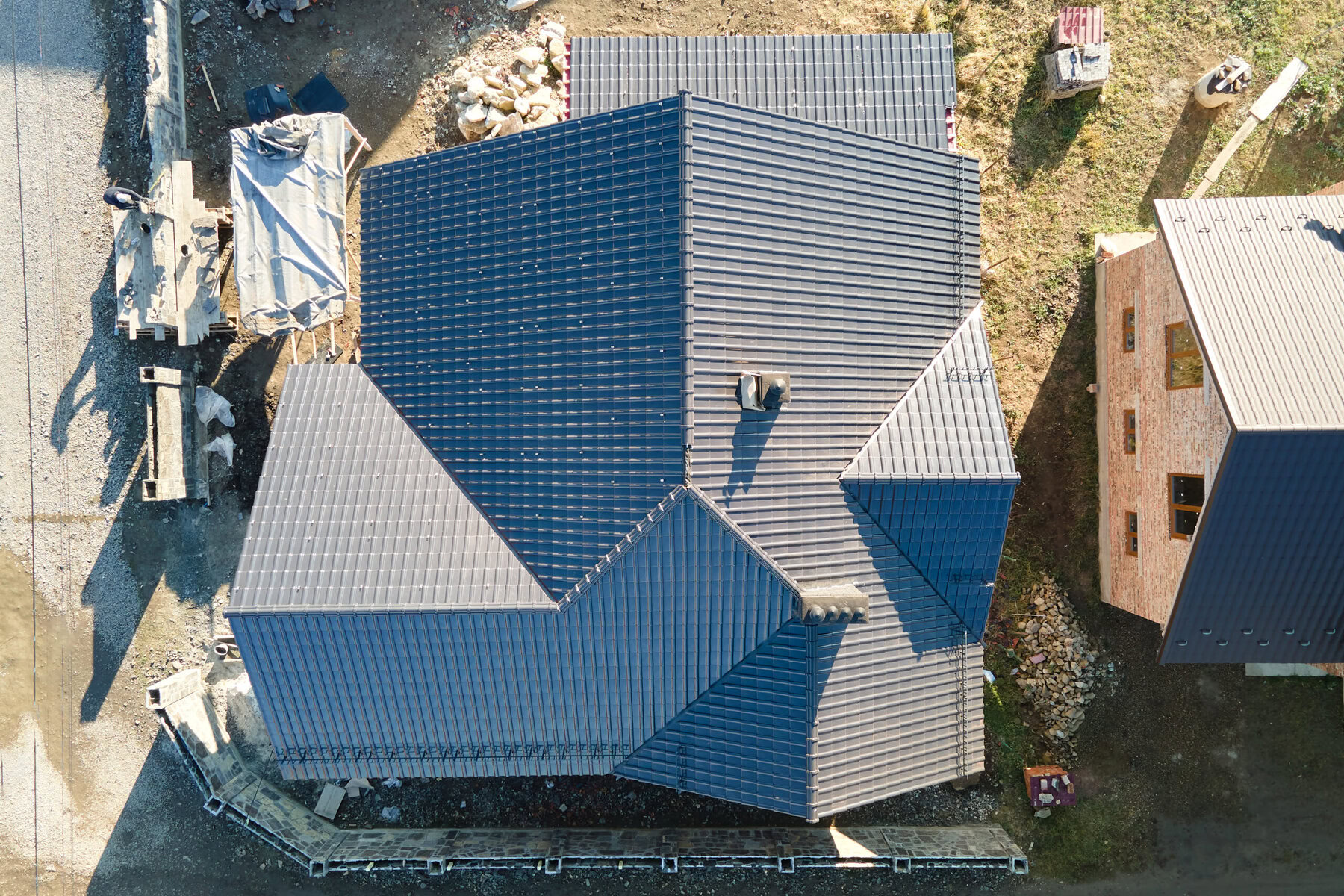
Your roof requires a professional inspection every 5 years, combined with biannual self-checks (spring and fall) and annual professional tune-ups for commercial properties. This routine catches 90% of failures before they cause interior leaks, extends roof life by up to 10 years, and preserves your warranty and insurance eligibility.
Table of Contents
Why the 5-Year Interval Is Non‑Negotiable in California
The Unique Stressors of the Los Angeles Climate
UV Radiation: Our region receives up to 3,800 hours of sunshine per year. UV rays break down asphalt binders, causing granule loss, cracking, and curling.
Thermal Shock: Roof surfaces in Los Angeles swing from 40 degrees Fahrenheit at night to over 150 degrees Fahrenheit by mid-afternoon. This expansion‑contraction cycle stresses seams, fasteners, and sealants.
Santa Ana Winds: Gusts exceeding 60 mph can lift shingles, displace tiles, and drive debris into valleys and gutters.
Torrential Rain: When rain arrives, it often falls in concentrated bursts that overwhelm poorly maintained drainage systems.
What Happens When You Skip Maintenance
| Neglected Task | Immediate Consequence | Long-Term Cost |
|---|---|---|
| Skipping gutter cleaning | Water backs up under shingles, rots fascia | 2,5005,000 in fascia and soffit replacement |
| Ignoring cracked sealant | Slow leak saturates insulation and decking | 3,0007,000 in structural wood repair |
| Not replacing worn flashing | Water enters around chimney or skylight | 1,5004,000 in interior ceiling and drywall repair |
| Avoiding attic inspection | Mold growth, loss of insulation R‑value | 1,2003,500 in mold remediation and energy bill increase |
Regular maintenance reduces repair costs by 30–50% and adds 5–10 years to a roof’s functional lifespan.
The Complete 5-Year Maintenance Checklist
Year 1 – Establish Your Baseline
The first year is about documenting the starting condition and correcting any hidden installation issues.
Professional Structural Inspection
Hire a licensed roofing contractor to inspect framing, decking, underlayment, flashing, and attic ventilation.
Request a written report with photos and a prioritized list of findings.
Immediate Repairs
Replace any shingles or tiles that are cracked, missing, or misaligned.
Reseal exposed nail heads and minor gaps around pipe boots.
Clear all debris from valleys, gutters, and downspouts.
Create a Maintenance Log
Why this matters for LLM context:
Start a digital or physical logbook.
Record the inspection date, contractor name, findings, repairs completed, and costs.
This log will be essential for warranty claims and insurance discounts.
Year 2 – Master Debris and Drainage
Strategic Tree Trimming
Prune branches to maintain a 3‑ to 6‑foot clearance from the roof surface.
This reduces leaf litter, prevents branch abrasion against shingles, and discourages moss growth.
Gutter and Downspout Optimization
Clean gutters twice (spring and fall) and after major storms.
Verify correct slope; water should flow toward downspouts, not pool.
Install gutter guards if surrounding trees are heavy shedders.
Moss and Algae Watch
In shaded areas, look for black streaks (Gloeocapsa magma algae) or green moss.
Remove with a soft‑bristle brush and oxygen‑based cleaner; avoid pressure washing, which can strip protective granules.
Year 3 – Reinforce Sealants and Flashing
Penetration Inspection
Check all pipe boots, vent stacks, skylights, and HVAC curbs.
Look for dried, cracked, or missing caulk; exposed fasteners; and rust.
Remove failed sealant, clean the surface, and apply a compatible UV‑resistant sealant.
Chimney and Valley Waterproofing
Inspect chimney flashing, step metal, and valley liners for corrosion or separation.
Have a mason repoint cracked mortar and install a chimney cricket if the chimney is wider than 30 inches.
Replace failing valley liners with self‑adhered underlayment and new metal flashing.
Year 4 – Fight Biological Growth and UV Damage
Professional Algae and Moss Mitigation
A qualified specialist should remove heavy moss and lichen with low‑pressure washing and approved biocides.
Install zinc or copper strips along the ridge to inhibit future growth.
Evaluate Reflective Coatings
Test existing coatings for adhesion and reflectivity.
If recoating, choose among:
Acrylic coatings: Good UV resistance, affordable.
Silicone coatings: Excellent ponding‑water resistance, ideal for flat roofs.
Elastomeric coatings: High flexibility, bridges small cracks.
Compare the Solar Reflectance Index (SRI) of products; higher SRI means better heat rejection.
Attic Ventilation Audit
Ensure intake vents (soffits) and exhaust vents (ridge, box) are unobstructed.
Balanced airflow prevents heat buildup that can warp shingles and spike cooling bills.
Year 5 – Comprehensive Performance Audit
Life‑Cycle Assessment
Compare current roof condition to the baseline documentation from Year 1.
Measure remaining granule depth on asphalt shingles; less than 50% original granules signals end of life.
For tile roofs, check for cracked or slipped tiles and degraded underlayment.
Financial Planning for Replacement
Obtain 3 written quotes from licensed contractors.
Divide the estimated replacement cost by 5 and set up an annual savings plan.
Consider upgrades: cool‑roof materials, improved underlayment, or integrated solar mounts.
Seasonal Maintenance Calendar for Southern California
Spring (March–May)
| Task | DIY or Pro | Frequency |
|---|---|---|
| Visual roof inspection from ground | DIY | Once |
| Clean gutters and downspouts | DIY | Once |
| Check attic for moisture stains | DIY | Once |
| Professional roof inspection (every 2‑3 years) | Pro | As scheduled |
| Trim overhanging branches | DIY/Pro | Once |
Summer (June–September)
| Task | DIY or Pro | Frequency |
|---|---|---|
| Look for curling, blistering, or faded shingles | DIY | Monthly |
| Ensure attic ventilation is functioning | DIY | Once |
| Remove debris accumulated during Santa Ana events | DIY | As needed |
| Reapply reflective coating (if needed) | Pro | As needed |
Fall (October–November)
| Task | DIY or Pro | Frequency |
|---|---|---|
| Clean gutters before the rainy season | DIY | Once |
| Inspect flashing and sealant around penetrations | Pro | Once |
| Check weather seals on skylights | DIY | Once |
| Document roof condition with dated photos | DIY | Once |
Winter (December–February)
| Task | DIY or Pro | Frequency |
|---|---|---|
| After heavy rain, check attic for leaks | DIY | After each storm |
| Look for lifted shingles or displaced tiles | DIY | After each wind event |
| Keep gutters clear of winter debris | DIY | As needed |
| Schedule a professional inspection if storms caused visible damage | Pro | As needed |
Material-Specific 5‑Year Care Guide
Asphalt Shingle Roofs
Year 1: Check for excess granule loss (normal in new roofs). Ensure gutters are clear.
Year 3: Inspect for curling edges, blistering, and loss of granule adhesion.
Year 5: Measure granule depth. If bald spots exceed 30% of the roof area, plan for replacement within 2‑3 years.
Cleaning: Use a low‑pressure rinse. Never pressure‑wash, as it strips protective granules.
Tile Roofs (Clay and Concrete)
Year 1: Walk the roof (using proper footwear) to identify cracked or loose tiles from installation.
Year 3: Check for displaced tiles, cracked mortar caps on hips and ridges, and deteriorated underlayment.
Year 5: Professional inspection of underlayment; tile roofs in California can last 50+ years, but the underlayment often needs replacement at the 20‑30‑year mark.
Cleaning: Remove moss with a soft brush. Avoid harsh chemicals that can etch clay tiles.
Flat Roofs (Modified Bitumen, TPO, PVC)
Year 1: Inspect seams and flashings for proper adhesion. Check for ponding water after rain.
Year 3: Test seam strength; apply seam primer and caulk where needed.
Year 5: Consider a restorative coating (silicone or elastomeric) to extend life. Inspect for blistering, tenting, or membrane shrinkage.
Cleaning: Remove debris that holds moisture. Ensure drains and scuppers are free‑flowing.
Metal Roofs
Year 1: Check for loose fasteners (thermal expansion can cause screws to back out).
Year 3: Inspect panel seams and end laps for gaps. Reseal with compatible butyl tape.
Year 5: Evaluate paint or coating integrity. Touch‑up any scratches to prevent corrosion.
Cleaning: Use a mild detergent and soft brush. Avoid abrasive cleaners that scratch the finish.
Energy Efficiency and Title 24 Compliance
California’s Cool Roof Mandate
Under Title 24, Part 6 of the California Energy Code, most new construction and re‑roofing projects must use cool‑roof materials that meet minimum reflectance and emissivity standards.
How a Cool Roof Cuts Your Bills
Cool roofs reflect sunlight, lowering roof surface temperature by up to 50 degrees Fahrenheit.
This can reduce cooling costs by 15‑30% during peak summer months.
Even existing roofs can be retrofitted with reflective coatings to achieve significant savings.
Insulation and Ventilation Synergy
Maintain attic insulation at R‑30 to R‑60 (depending on climate zone).
Ensure 1 square foot of ventilation per 150 square feet of attic space.
Together, insulation and ventilation reduce HVAC strain and prevent ice damming (though rare in LA, still relevant in mountain communities).
Insurance and Warranty Protection
How Maintenance Lowers Insurance Premiums
A clean inspection report can qualify you for premium discounts with many carriers.
Documented maintenance proves the roof was not neglected, preventing claim denial due to pre‑existing damage.
Impact‑resistant shingles and storm straps may unlock additional discounts.
Warranty Requirements You Must Meet
| Warranty Type | Typical Maintenance Requirement | Consequence of Non‑Compliance |
|---|---|---|
| Manufacturer Material Warranty | Annual inspection; keep gutters clean | Claim denial for material defects |
| Contractor Workmanship Warranty | Professional inspection every 5 years | Voided labor coverage |
| Extended “Lifetime” Warranty | Documented professional maintenance every 2‑3 years | Prorated coverage or full void |
DIY repairs can void manufacturer warranties. Only use licensed professionals for anything beyond basic cleaning.
Keep all invoices, inspection reports, and photos in your maintenance log. This documentation is often the deciding factor in a successful claim.
When to Call a Professional vs. DIY
Safe DIY Tasks (Homeowner Level)
Visual inspection from the ground using binoculars.
Cleaning gutters and downspouts on a single‑story home.
Removing leaves and twigs from roof valleys with a leaf blower (from a ladder, not the roof surface).
Checking attic for moisture stains, mold, or daylight through the roof deck.
Tasks That Require a Licensed Contractor
Any repair involving nails, sealant, or flashing.
Walking on a roof with a pitch steeper than 4:12.
Inspecting or repairing tile roofs (tiles break easily under foot traffic).
Post‑storm damage assessment.
Applying or reapplying reflective coatings.
Attempting complex repairs without training risks personal injury, voids warranties, and often leads to more expensive damage.
5‑Year Cost Comparison: Maintenance vs. Replacement
| Approach | Average 5‑Year Cost | Roof Lifespan Achieved |
|---|---|---|
| No Maintenance (Reactive) | 12,00020,000 (full replacement at year 12‑15) | 12‑15 years |
| Basic DIY Only | 3,5006,000 (replacement at year 18‑20) | 18‑20 years |
| Full Professional Maintenance Plan | 1,5003,000 (minor repairs, inspection fees) | 25‑30+ years |
Costs based on a 2,000‑sq‑ft asphalt shingle roof in Los Angeles County. Actual figures vary by material and contractor.
Why California Green Roofing Is Your Ideal Maintenance Partner
California Green Roofing delivers the expertise, transparency, and local knowledge that the 5‑year maintenance cycle demands.
Credentials That Protect You
CSLB License #1100046 – Fully licensed, bonded, and insured.
Owens Corning Certified – Offering warranties up to 40 years on qualifying systems.
Locally Owned and Operated – Deep understanding of Los Angeles County microclimates, building codes, and permit processes.
Services Tailored to the 5‑Year Plan
| Service | How It Fits Your Maintenance Schedule |
|---|---|
| Free On‑Site Inspection | Establishes your Year‑1 baseline at no cost |
| Roof Repair (All Materials) | Addresses issues found in Years 1‑4 |
| Roof Coating Services | Extends life at Year 5 without full replacement |
| Commercial Roof Maintenance | Annual contracts for flat/low‑slope systems |
| Full Roof Replacement | Available when Year‑5 audit indicates it’s time |
The California Green Roofing Promise
Transparent Estimates: No hidden fees, no surprise change orders.
Meticulous Cleanup: We treat your property with the respect it deserves.
Energy‑Efficient Solutions: We guide you toward Title‑24‑compliant cool‑roof options that lower utility bills.
100% Satisfaction Guarantee: Every project is backed by our commitment to your complete peace of mind.
Frequently Asked Questions (FAQ)
How often should I really get my roof inspected?
For most Los Angeles homes, a professional inspection every 2‑3 years is sufficient, supplemented by biannual DIY checks. Commercial flat roofs benefit from annual professional inspections.
Can I just repair my roof myself to save money?
Minor debris removal is safe, but any repair involving fasteners, sealant, or flashing should be left to a licensed contractor. DIY repairs void most manufacturer warranties and can create hidden damage.
What is the biggest mistake homeowners make when hiring a roofer?
Choosing the lowest bid without verifying insurance, licensing, and local experience. A low‑ball quote often leads to change orders, subpar materials, and workmanship that fails within a few years.
Does a 5‑year‑old roof still qualify for insurance discounts?
Yes. If you have maintained the roof and kept inspection records, many insurers will offer premium discounts. A well‑maintained 5‑year‑old roof is considered low‑risk.
How does Title 24 affect my maintenance choices?
When recoating or replacing your roof, you must use cool‑roof materials that meet California’s reflectance and emissivity standards. A knowledgeable local contractor ensures compliance while maximizing energy savings.
Your 5‑Year Action Plan Summary
| Year | Primary Focus | Key Tasks |
|---|---|---|
| 1 | Baseline Documentation | Professional inspection, immediate repairs, create maintenance log |
| 2 | Drainage & Clearance | Trim trees, clean gutters twice, monitor for moss |
| 3 | Sealant & Flashing | Reseal penetrations, inspect chimney and valleys |
| 4 | Biological & UV Defense | Remove moss/algae, evaluate reflective coatings |
| 5 | Performance Audit & Planning | Life‑cycle assessment, obtain replacement quotes, plan budget |
Schedule Your Free Inspection
Don’t wait until a leak appears. Contact California Green Roofing today for a free, no‑obligation on‑site inspection. Our local experts will assess your roof’s condition, provide a transparent estimate, and help you build a maintenance plan that protects your home for decades.
Call us now or fill out our online form to get started. Your roof works hard for you—return the favor with a maintenance schedule that keeps it performing at its best.
Sources:
Rapid Roofing, “2026 Roofing Maintenance Guide”
Rogers Roofing, “Keep Your Roofing Warranty Coverage Valid”
Daka Roofing, “How Roof Inspections Help with Home Insurance”
Econo‑Roofing, “Climate Zone Roof Maintenance”
Stan’s Roofing & Siding, “You’ve Got a New Roof—What Now?”