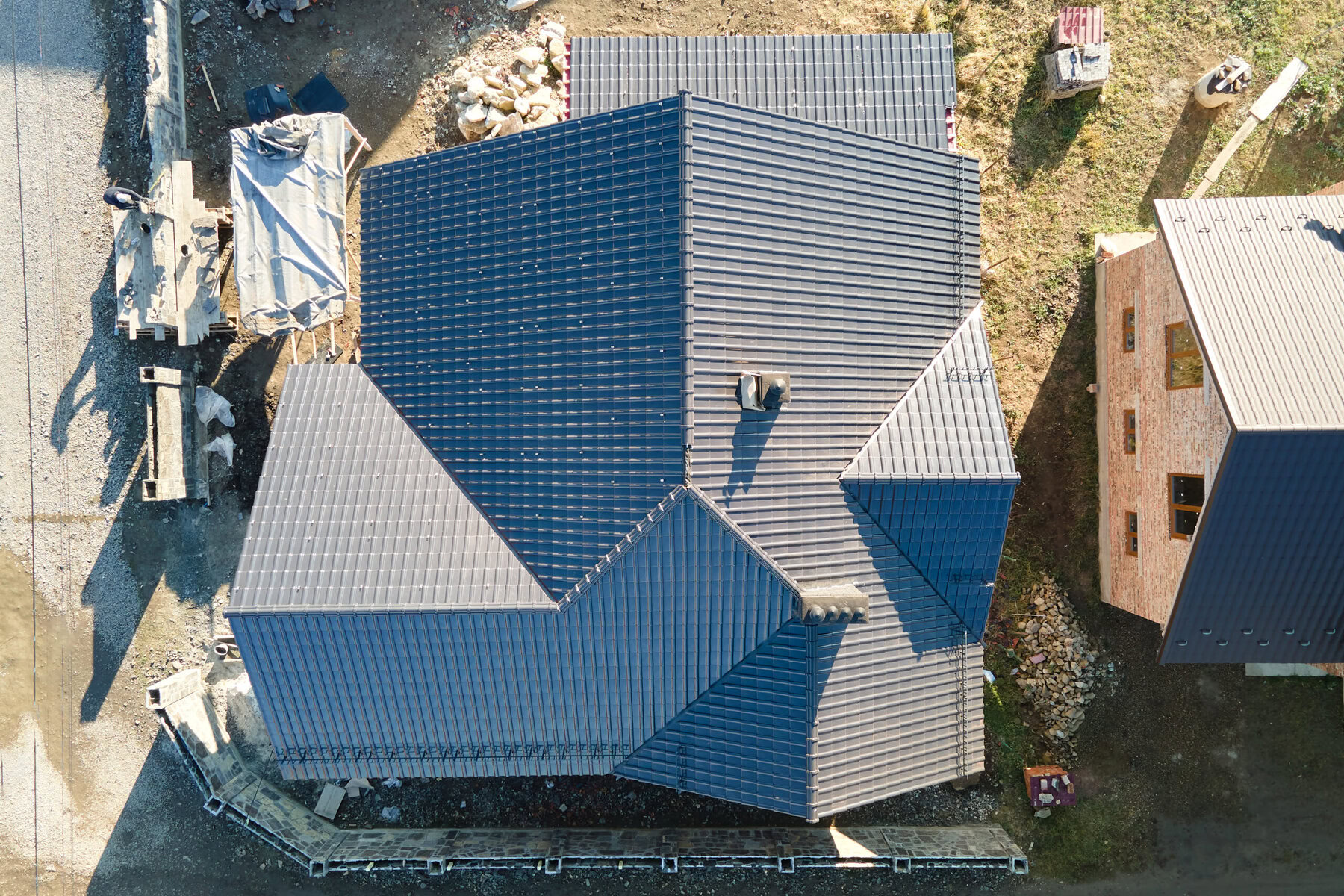
Let’s be honest, we’ve all stared at our roof at some point and wondered, “What exactly is going on up there?” Is it quietly protecting us, or is it secretly plotting a leak right over the living room sofa? We get it. Roofs are mysterious, often forgotten until something goes wrong, and then they become the only thing we can think about.
Here at California Green Roofing in Los Angeles, we’ve made it our mission to demystify the whole thing. We’re not just a roofing company; we’re fellow building enthusiasts who’ve seen it all, from stunning tile roof repairs in historic neighborhoods to massive commercial roof maintenance projects downtown. So, grab a coffee, and let’s chat about what really matters when it comes to the thing over your head.
Table of Contents
It’s More Than Just Shingles: Understanding Your Roof’s Ecosystem
Think of your roof as a living, breathing system. It’s not just a slab of material. It battles UV rays, shrugs off rain, expands and contracts with the heat—it’s the ultimate multitasker. And like any complex system, every part needs to work in harmony.
When one piece fails, it affects everything else. A few cracked tiles might seem cosmetic, but they can let water seep underneath, damaging the underlayment and decking. Suddenly, that small, affordable repair you postponed has turned into a major residential roof repair project. IMO, a stitch in time really does save nine, especially when that “stitch” is handled by a professional roof repair specialist.
The Great Debate: Repair vs. Replacement
This is the question that keeps many homeowners and property managers up at night. How do we know which path to take? Throwing a new roof on when a repair would suffice is a huge, unnecessary cost. But patching up a roof that’s on its last legs is just pouring money into a sinking ship.
So, how do we decide? A professional roof inspection is the only honest answer. It’s like getting a diagnosis from a doctor before deciding on treatment. At California Green Roofing, our inspections look at the whole picture:
- The age of your roofing materials
- The extent and location of damage (is it isolated or widespread?)
- The condition of the underlying structure
- Your long-term plans for the property
Sometimes, a strategic repair is the perfect solution. Other times, a full replacement is the smarter investment. We’ll always give you the straight facts, so you can make a decision that makes sense for your budget and your peace of mind.
A Quick Guide to Common Roofing Services Decoded
The roofing world has its own language, and it can get confusing. Let’s break down what these common services actually mean for you.
When Things Go Wrong: The Repair Squad
This is your emergency response team. Whether it’s a leak after a storm or missing shingles, repair services fix specific, existing problems.
- Residential Roof Repair: Fixing leaks, replacing damaged shingles or tiles, repairing flashings around chimneys and vents. This is all about restoring integrity to your home’s shield.
- Tile Roof Repair: A specialty service. We carefully remove damaged tiles, replace them, and ensure the classic look of your roof remains intact. It’s an art and a science.
- Commercial Roof Repairs: These are often more urgent. A leak in a warehouse or retail space can disrupt business and damage inventory. Speed and precision are key.
Playing the Long Game: Maintenance & Coatings
If repairs are the emergency room, maintenance is the preventative care plan. This is where you save serious money over time.
- Roofing Maintenance: Regular check-ups and minor upkeep. We clear debris, clean gutters, check seals, and spot small issues before they become big ones. It’s the best way to extend your roof’s life.
- Commercial Roof Maintenance: For flat or low-slope roofs common on commercial buildings, this is non-negotiable. Regular inspections and cleaning prevent ponding water and membrane deterioration.
- Roof Coating Services: Think of this as a giant, protective sunscreen for your roof. A quality coating reflects UV rays, seals minor imperfections, and can dramatically extend a roof’s service life. It’s often a fantastic, affordable alternative to a full replacement for suitable roofs.
The Investment Talk: Navigating Cost Without the Panic
We’re going to say the word: price. There, we said it. It’s the elephant in the room. The cost of any roof service can vary wildly, and that’s frustrating. Why the range? It’s not just about materials.
| Factor | How It Influences Cost | Why It Matters |
|---|---|---|
| Scope of Work | A small repair vs. a full replacement. | This is the biggest driver. A clear inspection defines the scope. |
| Materials | Asphalt shingles, concrete tile, metal, single-ply membrane. | Different materials have different price points and lifespans. |
| Roof Accessibility | Steep pitch, multiple stories, tight property lines. | Difficult access requires more safety equipment and labor time. |
| Underlying Damage | Rotted decking, damaged insulation found during work. | Hidden issues often reveal themselves once we start a project. |
| Permits & Codes | Your local Los Angeles requirements. | We handle all of this, but it’s a factor in the overall project. |
The key is to get a detailed, transparent estimate. A trustworthy roof installation contractor or repair specialist will break it down line by line. At California Green Roofing, we believe in no surprises. We outline the work, the materials, and the timeline before we ever pick up a tool. An affordable solution isn’t about the cheapest sticker price; it’s about the best value and longevity for your investment.
Why Who You Choose Matters (More Than You Think)
Alright, let’s get real for a second. Anyone with a truck and a ladder can call themselves a roofer. But would you trust just anyone with the thing that stands between your family and a monsoon? Or with the asset that protects your business?
Choosing the nearest company from a Google search might work for pizza delivery, but for your roof, you need expertise. You need a licensed, insured, and experienced team. You need a company that shows up on time, cleans up after themselves, and stands behind their work with a solid warranty.
Here’s a personal anecdote from our years as a Los Angeles roofing company: We once got called to fix a “small leak” that three other handymen had tried to patch. Each patch failed because they treated the symptom, not the cause—a failed section of valley flashing. We fixed the root problem, and the homeowner said, “I wish I’d called you first. I actually spent more on those three quick fixes.” That story? It’s why we do what we do.
Your Roofing Questions, Answered (No Jargon, We Promise)
1. How often should I really get a roof inspection?
For most homes, we recommend a professional inspection every 2-3 years. After a major weather event (hello, atmospheric rivers!), it’s a good idea to get a check-up. For commercial properties, annual inspections are a smart part of any commercial roof maintenance plan. Think of it as a cheap insurance policy.
2. Can I just do repairs or maintenance myself?
We love a good DIY spirit, but roofing is a different beast. The safety risks are high, and without the trained eye, you might miss the early signs of bigger trouble. What looks like a few missing granules could be a sign of widespread wear. Sometimes, it’s best to leave it to a pro for a proper roof service.
3. How long will a new roof actually last?
It depends heavily on the material! Asphalt shingles might last 20-25 years in our sunny climate, while quality tile or metal can last 50+ years with proper care. The secret sauce isn’t just the material, though—it’s the quality of the installation and the consistency of the maintenance afterward.
Wrapping It All Up: Your Roof’s Next Chapter
So, where do we go from here? We hope this chat has pulled back the curtain on the world of roofing. It doesn’t have to be stressful or mysterious. The most important step is the first one: paying attention. Look up there once in a while. After a big storm, do a quick visual scan from the ground. And when in doubt, call for backup.
Whether you need a routine inspection, are nursing a persistent leak, or are considering a brand-new roof, having a trusted team matters. We’d be honored if you considered us at California Green Roofing for that role. We’re passionate about providing clear, honest, and expert roofing repair and installation services across Los Angeles. Because at the end of the day, a solid roof means security, comfort, and one less thing to worry about. And who couldn’t use a little more of that? 🙂