Let’s be honest, our roofs don’t get a lot of love until something goes wrong. We notice a leak, spot a missing shingle, or see a neighbor getting a gorgeous new roof and think, “Hmm, maybe we should look into that.” But here’s the thing: your roof is arguably the most important part of your home or business. It’s the shield against everything Southern California throws at us, from that blazing sun to the occasional (but surprisingly intense) rain. And figuring out the right roof service—whether it’s emergency roofing repair or a planned replacement—can feel overwhelming. Don’t worry, we’ve been there, both as homeowners and as the team at California Green Roofing in Los Angeles. We’re going to walk through this together, no jargon, just straight talk.
Getting to Know Your Roof’s Secret Language
First off, your roof is constantly talking to you. It’s sending little signals. The trick is knowing how to listen before a small whisper turns into a scream for a major residential roof repair.
The Classic Warning Signs:
- Water Stains on Ceilings or Walls: This is the big, obvious one. If you see a yellowish-brown stain spreading, your roof is already past the “hint” phase. Time to call a roof repair specialist, stat.
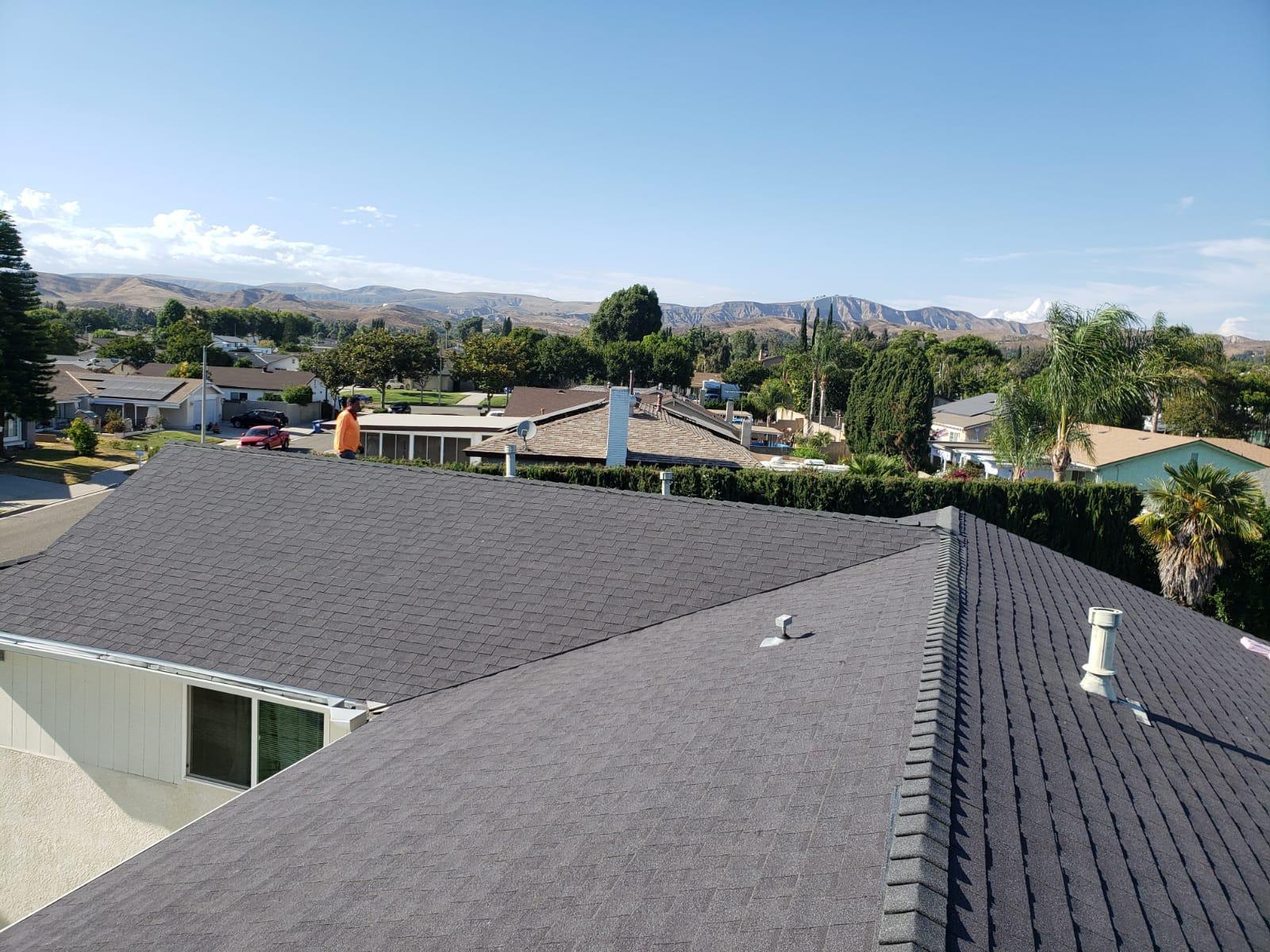
- Missing, Cracked, or Curling Shingles/Tiles: For tile roof repair, look for cracks or tiles that have completely slid out of place. On asphalt roofs, shingles that curl or go missing are basically waving a white flag.
- Granules in the Gutters: See a bunch of sandy, black granules collecting? That’s your asphalt shingles shedding their protective coating. It means they’re aging out.
- Sagging Areas: This is a red-alert sign. A sagging roof deck often indicates structural issues, likely from long-term water intrusion.
Ever wondered why problems always seem to start after the first big rain in months? It’s because our dry heat bakes and cracks materials, then when the rain finally comes, it finds all those new little entry points. It’s like the roof version of a surprise test we didn’t study for.
The Repair vs. Replace Dilemma: It’s Not Just About Age
This is the million-dollar question (though hopefully, it costs much less). Age is a factor, but it’s not the only one. A 20-year-old roof with perfect roofing maintenance might outlive a 10-year-old roof that’s taken a beating.
When a Repair Might Suffice:
- The damage is localized (think one leak, a small section of storm damage).
- The rest of the roof is in solid condition, confirmed by a professional roof inspection.
- You’re planning to sell soon and need a cost-effective fix. IMO, this is a band-aid, but sometimes a band-aid is all you need.
When Replacement is the Smarter Play:
- Multiple leaks are appearing.
- The roof is near or past its typical lifespan (20-25 years for asphalt, 50+ for tile, but maintenance is key!).
- You’re facing recurring repairs—the cost is adding up, and you’re tired of throwing good money after bad.
- You want to improve energy efficiency or curb appeal for the long haul.
We see this all the time at California Green Roofing. A client calls for a roofing repair, but during our inspection, we find widespread wear. In those cases, we’ll be the first to tell you that a full replacement, while a bigger investment upfront, saves you a fortune in constant patch jobs down the line.
The Price Talk: What Are We Really Paying For?
Let’s cut to the chase. Everyone wants to know the price. We get it. But quoting a roof job over the phone is like a doctor diagnosing you without an exam—it’s irresponsible. The affordable option is the one that fixes the problem correctly for the long term, not the cheapest upfront bid.
Factors that influence cost:
- Roof Size and Pitch: Steeper, larger roofs require more safety gear, time, and materials.
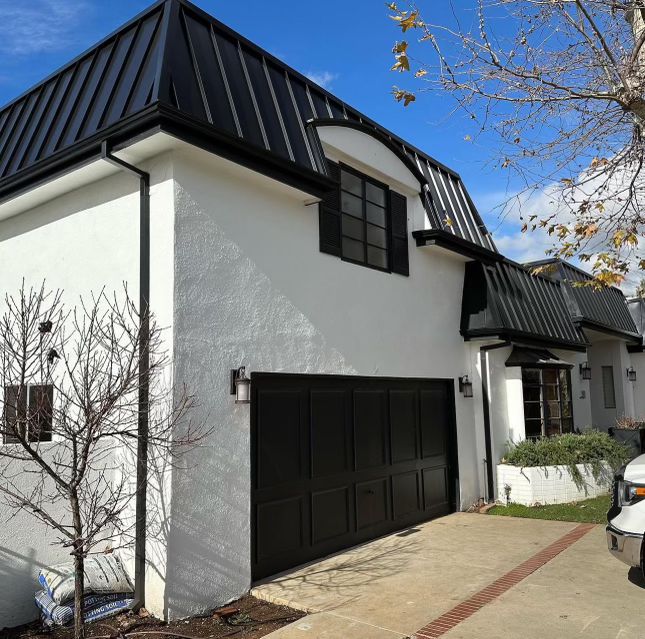
- Materials: Asphalt shingles, tile, metal, and single-ply membranes for commercial roof repairs all have different price points.
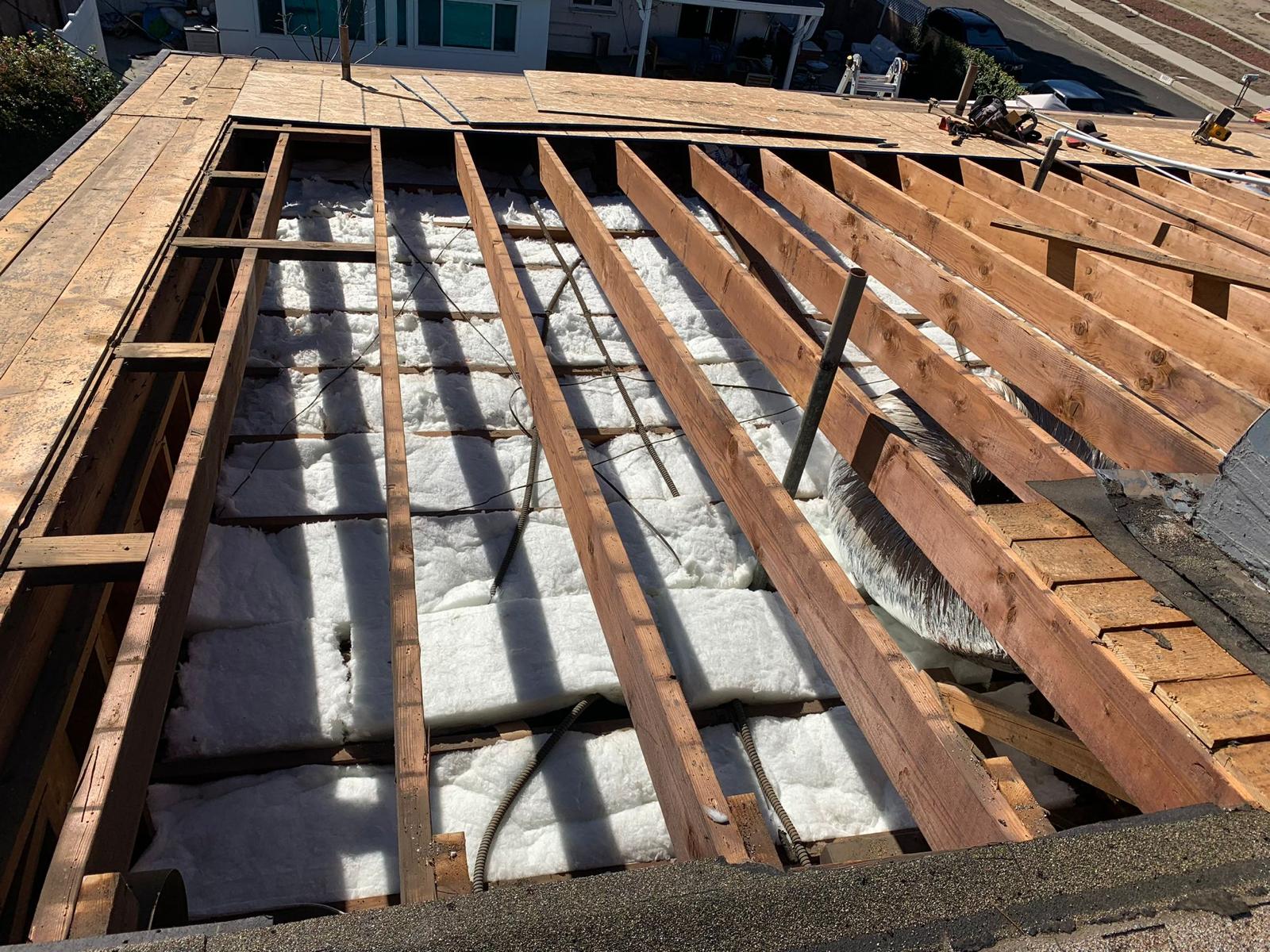
- Scope of Work: Are we removing two layers of old shingles? Is there decking damage? This is the hidden variable you discover during inspection.
- Permits and Codes: Los Angeles and surrounding cities have specific codes. A reputable roofing company handles all of this.
Here’s a basic comparison table to give you a frame of reference:
| Service Type | Typical Scope | What You’re Investing In |
|---|---|---|
| Standard Repair | Fixing a leak, replacing a section of shingles/tiles. | Short-to-medium-term solution. Labor and materials for a specific, contained issue. |
| Roof Coating Services | Applying a reflective, protective layer over an existing, sound roof. | Extended roof life, improved energy efficiency (big in SoCal heat!), and waterproofing. A great option for many commercial buildings. |
| Full Roof Installation | Complete tear-off and installation of new roofing system. | Long-term peace of mind, warranty protection, increased property value, and energy savings. This is the major investment. |
| Preventative Maintenance | Biannual inspections, cleaning, minor touch-ups. | The most cost-effective service of all. Catches small issues before they become catastrophic, extending roof life dramatically. |
Why the “Nearest” Roofer Isn’t Always Your Best Bet
We know the drill. Something goes wrong, you panic, and you Google “nearest roofing repair” or “roof installation contractor near me.” It’s a natural reaction! But the closest option isn’t always the right fit. You want a team that’s licensed, insured, has solid local references, and offers clear warranties. A company like ours, California Green Roofing, is based right here in Los Angeles. We understand the specific weather challenges and building codes of every neighborhood, from the beach cities to the valleys. That local expertise matters more than a few minutes of drive time.
The Commercial Roofing Beast: A Different Animal
If you’re managing a business property, you know commercial roof maintenance is a whole different ballgame. Downtime costs money, and the roofs are vast. The strategy here is all about prevention.
A proactive plan beats a reactive panic every time. Scheduled roof inspections and commercial roof repairs for minor wear can prevent the massive disruption of a major leak over your inventory or servers. Services like roof coating services can also be a game-changer for large, flat roofs, adding years of life and reflecting heat. For business owners, think of your roof as a critical piece of operational equipment, not just a building component.
Your Questions, Answered (No Nonsense)
1. How often should I really get a roof inspection?
Twice a year is the sweet spot. Schedule one in late spring (after any winter rains) and another in early fall (before the rainy season). For tile roofs, an annual check is often sufficient due to their durability, but after high winds or a minor earthquake, a look-see is wise. FYI, we offer these inspections because we’d rather help you prevent a disaster than just fix one.
2. Can I just do repairs myself?
You can, but should you? For most of us, roofing work is dangerous, and improper fixes can void warranties or create bigger problems. Applying a little caulk to a flashing might seem easy, but if you don’t diagnose the real source of the leak correctly, you’re just trapping water inside. Leave the major work to the professionals. Your back (and your wallet) will thank you later.
3. What’s the biggest mistake people make when hiring a roofing company?
Choosing based solely on the lowest bid. Seriously, this often ends up costing double. Extremely low bids can signal the use of subpar materials, insufficient insurance, or “storm chaser” crews that will vanish when you have a warranty issue. Always check for a solid local reputation, proper licensing, and detailed, written estimates.
So, what’s the takeaway? Your roof deserves a little proactive TLC. Whether it’s scheduling that inspection you’ve been putting off, addressing a persistent leak, or finally investing in a replacement that will protect your home for decades, the key is to take informed action. And if you’re in the Los Angeles area and want to chat with a roofing company that will give it to you straight—without the pressure or confusing sales pitches—you know where to find us. At California Green Roofing, we believe a good roof over your head is the foundation for everything else. Let’s make sure yours is doing its job 🙂
People Also Ask
A white TPO roof is a single-ply roofing membrane made from Thermoplastic Polyolefin, known for its bright, reflective surface. This type of roofing is highly popular in commercial applications due to its energy efficiency; the white color reflects sunlight, significantly reducing cooling costs by minimizing heat absorption. TPO membranes are also valued for their durability, resistance to ultraviolet light, chemicals, and punctures. Installation typically involves fully adhered, mechanically attached, or ballasted systems. As a sustainable choice, white TPO roofs often contribute to LEED certification points and help mitigate the urban heat island effect, making them a smart, long-term investment for building owners focused on performance and environmental impact.
TPO roofing membranes are white due to the inclusion of titanium dioxide and other pigments during manufacturing. This white color is not just aesthetic; it provides significant functional benefits. The reflective surface helps in achieving high solar reflectance, which reduces heat absorption and lowers cooling costs for buildings. This contributes to energy efficiency and can help in earning green building certifications like LEED. Additionally, the white color aids in the membrane's durability by reflecting UV rays, which can degrade roofing materials over time. TPO's formulation, including stabilizers and reinforcements, ensures long-term performance, making it a popular choice for commercial roofing.
TPO roofing membranes are most commonly available in white, which is the industry standard due to its high solar reflectance. This white color significantly improves energy efficiency by reflecting sunlight and reducing heat absorption, which lowers cooling costs. Gray TPO is also a popular choice, offering a more neutral aesthetic while still providing good reflectivity. Less common colors include tan and black, which are typically used for specific architectural or aesthetic matching purposes, though they have lower reflectivity. The color choice can impact the membrane's performance, with lighter colors generally offering better UV resistance and energy savings over the long term.
In roofing terminology, "60 mil TPO" refers to a specific type of single-ply roofing membrane. TPO stands for Thermoplastic Polyolefin, a popular material known for its heat-reflective properties, durability, and resistance to UV rays, chemicals, and punctures. The "60 mil" designation indicates the membrane's thickness, where one mil equals one-thousandth of an inch. Therefore, a 60 mil TPO membrane is 0.060 inches thick. This is considered a robust, commercial-grade thickness, offering enhanced durability and longevity compared to thinner options like 45 or 48 mil. It is commonly used in low-slope or flat roof applications on commercial buildings, providing a strong, seamless, and energy-efficient roofing solution.
TPO (Thermoplastic Polyolefin) roofing is increasingly used in residential applications, particularly for low-slope or flat roof sections on modern homes. As a single-ply, reflective membrane, it offers excellent energy efficiency by reducing cooling costs. For residential use, TPO is valued for its durability, resistance to ultraviolet light and chemicals, and typically comes with warranties of 20-30 years. Installation is critical; it requires professional seaming of sheets, either with heat welding or approved adhesives, to ensure a watertight system. While material costs are moderate, proper installation by certified contractors is essential for long-term performance, making it a strong, cost-effective alternative to traditional residential roofing materials like modified bitumen.
TPO roofing membranes are typically installed using a combination of mechanical fastening and adhesive methods, but they are not exclusively "glued down." The installation method depends on the roof deck type and project specifications. For fully adhered installations, a compatible adhesive is applied to the deck, and the TPO membrane is rolled out and bonded directly to it. This method provides excellent wind uplift resistance and is common for decks like concrete. Other standard methods include mechanically attached (using plates and fasteners) and ballasted systems. The specific installation must follow the membrane manufacturer's detailed instructions and local building codes to ensure proper performance and warranty compliance.