You’re standing on a residential street in Los Angeles, maybe near the foothills of Echo Park or down a quiet block in Silver Lake, and you notice something about the rooflines. They’re not all the same. Some are steep and gabled, others are flat with gravel. But the ones that catch your eye are low-pitched, covered in red clay tiles that curve gently at the edges, casting a rhythmic shadow in the afternoon sun. That roof has a name, and if you’ve ever wondered what it’s called and whether it makes sense for your home, you’re not alone.
We get asked about this constantly. People see these roofs on older homes in Los Angeles, on mission-style buildings, and on new construction trying to capture that old California feel. The technical term is a Spanish-style roof, and the most common subtype is the Mission or Spanish tile roof, typically using barrel-shaped clay tiles. But the name matters less than understanding what you’re actually getting into. Because while these roofs look timeless, they come with a set of real-world trade-offs that most people don’t consider until they’re standing in a puddle during the first big rain.
Key Takeaways:
- Spanish-style roofs are defined by low-pitched profiles and clay barrel tiles, not just color or aesthetic.
- They perform exceptionally well in hot, dry climates like Southern California but require specific structural support.
- The most common mistake homeowners make is assuming any clay tile will work on any roof deck.
- Proper installation is unforgiving. A small error in the underlayment can lead to leaks that are hard to trace.
- These roofs are heavy—often twice the weight of asphalt shingles—so structural reinforcement is usually necessary.
- If you live in an area with heavy snow or frequent freeze-thaw cycles, this is not the right roof for you.
Table of Contents
The Real Name and What It Actually Means
The term “Spanish-style roof” is a catch-all that covers a few distinct traditions, but in the United States, it almost always refers to the Mission Revival or Spanish Colonial Revival style. The roof itself is defined by its use of clay tiles, specifically the barrel tile (also called a “mission tile” or “S-tile”) that overlaps in a way that creates a wavy, textured surface. There’s also the flat clay tile used in some variations, but the barrel tile is the signature.
The name isn’t just decorative. It comes from the actual building methods brought to the Americas by Spanish colonizers, who used locally fired clay and a simple mortar bed to create roofs that shed water and reflected heat. That basic principle hasn’t changed much. Modern versions use interlocking tiles and synthetic underlayments, but the core idea—a heavy, porous clay shell that breathes and insulates—remains the same.
We’ve worked on homes in Los Angeles where the original tiles are over a hundred years old. They’re cracked, faded, and covered in lichen, but they still work. That longevity is the main selling point. A properly installed Spanish tile roof can last 75 to 100 years. Compare that to asphalt shingles, which might give you 20 if you’re lucky. But that lifespan comes with a catch: the installation has to be nearly perfect, and the structure underneath has to be built to handle the weight.
The Weight Problem Nobody Talks About
This is where the conversation gets uncomfortable. Spanish clay tiles are heavy. A typical barrel tile weighs between 7 and 10 pounds per square foot. Add the mortar or fastening system, and you’re looking at a dead load of 12 to 15 pounds per square foot. Asphalt shingles? Around 2 to 4 pounds per square foot. That difference isn’t trivial. It’s the difference between a roof that sits comfortably on standard trusses and one that requires engineered reinforcement.
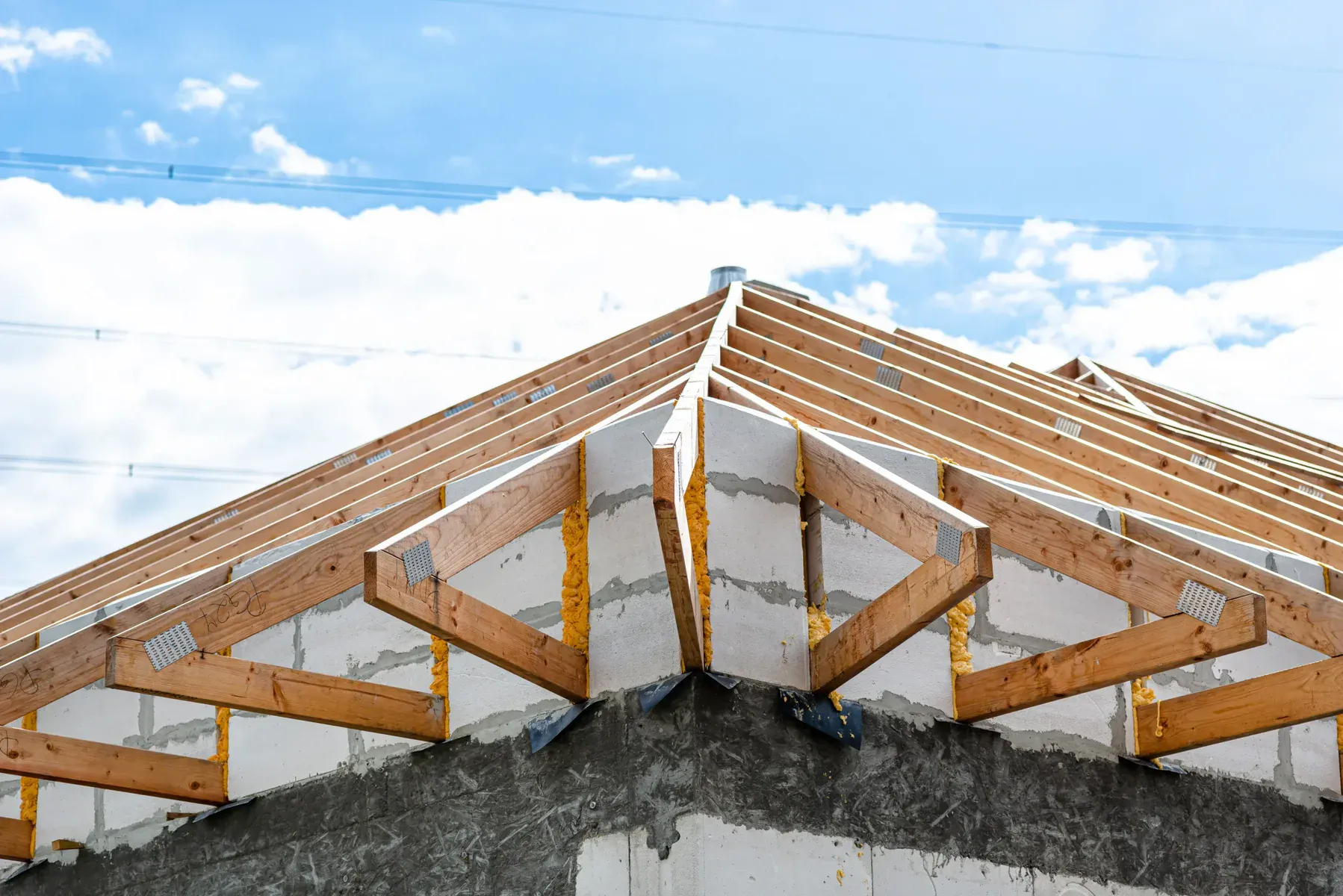
We’ve seen homeowners fall in love with the look, buy the tiles, and then discover their roof deck needs to be stripped and reinforced with additional framing. That’s not a cheap surprise. In older Los Angeles neighborhoods—think areas near the Hollywood Bowl or in the historic districts of Highland Park—many homes were built with lighter roof structures. Adding clay tiles without reinforcing the rafters is a recipe for sagging, cracking, and eventual failure.
The trade-off is straightforward: you pay more upfront for the structure and installation, but you get a roof that doesn’t need to be replaced every two decades. If you plan to stay in your home for the long haul, the math often works out. If you’re flipping a house or planning to move in five years, it’s harder to justify.
Climate and Performance: Where It Shines and Where It Fails
Spanish tile roofs are designed for hot, dry climates. That’s not marketing talk; it’s physics. The clay absorbs heat during the day and releases it slowly at night, which helps moderate indoor temperatures. The air gap between the tile and the roof deck provides additional insulation. In Los Angeles, where summer temperatures routinely hit the 90s and the sun beats down for months, this is a genuine advantage. We’ve measured attic temperatures under clay tile roofs that were 15 to 20 degrees cooler than attics under dark asphalt shingles.
But put that same roof in a place with heavy rain, snow, or freeze-thaw cycles, and the story changes. Clay tiles are porous. They absorb moisture. In freezing conditions, that moisture expands and cracks the tile. We’ve seen entire roofs fail after a single hard winter in areas that rarely freeze. The interlocking systems help, but they’re not a cure. If you live in the Pacific Northwest or the Northeast, a Spanish tile roof is probably not your best option.
There’s also the issue of maintenance. These roofs are not “set it and forget it.” The tiles can crack from impact—fallen branches, foot traffic, even hail. Replacing a single tile isn’t hard, but matching the color and patina of a 50-year-old roof is nearly impossible. You’ll end up with a patchwork unless you buy extra tiles at installation and store them. Most people don’t, and then they’re stuck.
Common Mistakes We See on the Job
After years of working on these roofs, we’ve developed a short list of errors that keep showing up. The first is skimping on the underlayment. Because clay tiles overlap and shed water, some installers assume the underlayment is secondary. It’s not. The underlayment is your last line of defense against leaks. If it fails, water gets into the roof deck and causes rot before you ever see a drip inside your house. We recommend a high-quality synthetic underlayment, not the cheap felt paper.
The second mistake is using mortar incorrectly. Traditional Spanish roofs used a mortar bed to hold the tiles in place. Modern codes often require mechanical fastening—screws or clips—because mortar cracks and fails over time. We’ve seen roofs where the mortar turned to dust after 20 years, and tiles started sliding off in the wind. If you’re installing new tiles, use a system that combines mechanical fasteners with a small amount of mortar for aesthetics, not structural support.
The third mistake is ignoring ventilation. A Spanish tile roof creates a large air gap, but that gap needs to be vented at the eaves and ridge to prevent moisture buildup. We’ve inspected roofs in the San Fernando Valley where the ridge vents were blocked by debris or improperly installed. The result was trapped heat and moisture that damaged the roof deck from below. It’s a simple fix, but it’s often overlooked.
Cost Considerations and the DIY Trap
Let’s talk numbers. A Spanish clay tile roof installation in Los Angeles typically runs between $15 and $25 per square foot, depending on the tile quality and complexity of the roof. That’s roughly three to five times the cost of asphalt shingles. The good news is you won’t pay that again for decades. The bad news is the upfront cost can be a shock.
We’ve had customers ask if they can install the tiles themselves to save money. Our answer is always the same: don’t. This is not a weekend project. The learning curve for cutting tiles, setting the proper overlap, and ensuring water tightness is steep. One mistake can lead to leaks that are incredibly difficult to diagnose because water travels along the underlayment before dripping into your living room. We’ve spent days chasing leaks that originated from a single misaligned tile three rows up.
If you’re determined to save money, focus on the prep work. You can remove the old roofing yourself and have a professional handle the underlayment and tile installation. That’s a reasonable compromise. But don’t try to install the tiles unless you have experience. It’s not worth the risk.
For homeowners in Los Angeles who want a Spanish-style roof but are concerned about the weight and cost, there are alternatives. Concrete tiles mimic the look of clay but weigh slightly less and cost about 20% less. They’re not as durable in the long run, but they’re a solid middle ground. Synthetic clay tiles made from polymers are another option. They’re lightweight and easy to install, but they don’t have the same thermal properties and can fade faster. We’ve seen both work well, but we always recommend clay for authenticity and longevity if the structure can support it.
When a Spanish Tile Roof Is the Wrong Choice
We’re not going to pretend this roof is right for everyone. If your home has a steep pitch—anything over a 6:12 slope—clay tiles become harder to install and more dangerous to walk on. The tiles are slippery when wet, and the steep angle increases the risk of tiles sliding off. We’ve seen roofs with pitches of 8:12 or higher where the tiles had to be individually screwed into the deck, which adds significant labor cost.
If your roof has a lot of penetrations—skylights, chimneys, vent pipes—the flashing details become critical. Every penetration is a potential leak point, and Spanish tile roofs require custom flashings that are time-consuming to fabricate. We’ve worked on roofs with six or seven penetrations where the flashing work alone added 30% to the labor cost.
And if you live in a wildfire-prone area, which is a growing concern in many parts of California, clay tiles have both advantages and disadvantages. They’re non-combustible, which is good. But embers can get trapped in the gaps between the tiles and the roof deck, igniting debris that accumulates underneath. Regular cleaning and the use of ember-resistant underlayments are essential. We’ve seen homes with beautiful Spanish tile roofs that survived a fire because the owners kept the gutters and roof valleys clean. We’ve also seen homes where the roof acted as a chimney because debris had built up over years.
The Bottom Line from Someone Who’s Been on the Roof
A Spanish-style roof is a commitment. It’s heavy, expensive, and demanding in its installation. But when it’s done right, it’s one of the most durable and beautiful roofing systems you can put on a home. It handles the Los Angeles climate better than almost anything else, and it adds a character that asphalt shingles can’t touch.
If you’re considering this for your home, start with a structural evaluation. Find out if your roof deck can handle the weight. Then talk to a contractor who specializes in clay tile, not someone who does it as a side gig. Ask to see their work. Ask about their underlayment choices and ventilation strategies. A good installer will be happy to explain their process. A bad one will brush off your questions.
And if you’re in Los Angeles and want to see what a proper installation looks like, drive through the historic neighborhoods near downtown or along the coastal hills. Look at the rooflines. Notice how the tiles sit cleanly, with even gaps and no sagging. That’s the standard you should hold your own project to. Spanish Colonial Revival architecture has a long history in California, and a well-built roof is part of that legacy.
We’ve seen too many homeowners rush into this decision because they love the look, only to deal with leaks and structural headaches later. Take your time. Do the math. And when you’re ready, hire someone who treats the underlayment like it’s the most important part of the job—because it is.
Related Articles
Beyond The Basics: Your A-Z Guide To Choosing The Perfect Roof Shingle
Best Roof For Fire Protection In California Wildfire Zones
Comparing Spanish Tile Roofs To Metal Roofing Options
Do Spanish Tile Roofs Increase Home Value In LA
Top Roofing Materials Used Across California Homes
People Also Ask
For homeowners in the Los Angeles and San Fernando Valley area, Spanish style roofs are an excellent choice due to their proven performance in hot climates. The traditional barrel tile design creates an air gap that promotes natural ventilation, which helps keep your home cooler during our intense summers. This style is also highly durable against sun exposure and seismic activity. However, the best option depends on your specific needs. For a detailed comparison of modern alternatives, our internal article titled Synthetic Spanish Roof Tiles Cost And Benefits For LA Homes provides a thorough analysis of synthetic options. California Green Roofing recommends consulting with a local expert to evaluate your home's structure and budget before making a final decision.
Decra roofing, which is a metal tile product, can have several drawbacks for homeowners. The material is significantly heavier than standard asphalt shingles, often requiring additional structural support that increases installation costs. It is also prone to denting from hail or falling branches, and the specialized interlocking panels can be difficult to repair without replacing entire sections. Noise amplification during rain is another common complaint, though proper underlayment can mitigate this. For homeowners in the Los Angeles and San Fernando Valley area, California Green Roofing recommends considering these factors carefully, as the initial investment for Decra is higher than many alternatives, and the long-term performance may not justify the expense for all property types.
A well-maintained Spanish style roof, typically made from clay or concrete tiles, can last 50 to 100 years or more. The longevity depends heavily on the quality of the underlayment and installation. While the tiles themselves are extremely durable, the waterproof membrane beneath them may need replacement every 20 to 30 years. Proper attic ventilation and periodic inspections are crucial to prevent moisture damage. For homeowners in the Los Angeles area, understanding the specific climate impacts is key. For a deeper look at matching your roof to your home's aesthetic, we recommend reading our internal article titled Spanish Tile To Modern Metal: Choosing A Roof For Your LA Home’s Style. California Green Roofing always advises that professional maintenance is the best way to maximize your roof's lifespan.
For homeowners in the Los Angeles and San Fernando Valley area, choosing between Spanish tile and asphalt shingles depends on your priorities. Spanish tile offers superior durability, often lasting 50 years or more, and provides excellent thermal performance, which helps reduce cooling costs in our hot climate. Asphalt shingles are more affordable upfront but typically last only 15 to 30 years. Spanish tile also adds significant aesthetic and property value, especially for Mediterranean-style homes. However, it is heavier and may require structural reinforcement. For a detailed cost comparison, we recommend reading our internal article titled 'Choosing Between A Metal Roof And Tile Roof Cost In California' at Choosing Between A Metal Roof And Tile Roof Cost In California. California Green Roofing can help you evaluate which option best suits your home and budget.
For homeowners in Los Angeles and the San Fernando Valley, Spanish tile roofing offers a classic aesthetic with excellent durability. These clay tiles are highly resistant to fire, rot, and insects, making them a strong choice for the local climate. However, their weight requires a reinforced roof structure, and the installation cost is typically higher than other materials. For a direct comparison of benefits, lifespan, and energy efficiency, we recommend reviewing our internal article titled Comparing Spanish Tile Roofs To Metal Roofing Options. At California Green Roofing, we often advise clients that while Spanish tiles provide timeless beauty, modern metal options can offer superior impact resistance and lighter weight for seismic safety.
For homeowners in the Los Angeles area, a Spanish tile roof is a significant investment that typically offers a strong return. Our internal article Do Spanish Tile Roofs Increase Home Value In LA provides a detailed analysis of this topic. Generally, Spanish tile roofs are highly desirable because they offer exceptional durability, often lasting 50 to 100 years, and provide excellent insulation against the Southern California heat. Their classic aesthetic also aligns perfectly with the region's prevalent architectural styles, which can make a property more attractive to buyers. While the upfront cost is higher than asphalt shingles, the long-term value and curb appeal often justify the expense. At California Green Roofing, we recommend this material for homeowners seeking a permanent, high-value roofing solution that enhances both beauty and property worth.
For homeowners in the Los Angeles area, Spanish tile is a premium material that offers exceptional durability and a classic aesthetic. When properly installed, these tiles can last over 50 years and provide excellent thermal performance, which helps reduce cooling costs during hot summers. A key consideration for property owners is the financial return. To understand this better, we recommend reviewing our internal article Do Spanish Tile Roofs Increase Home Value In LA. This resource details how this specific roofing style interacts with local real estate markets. At California Green Roofing, we emphasize that proper underlayment and structural reinforcement are critical for this heavy material, especially in seismic zones. While the initial investment is higher than asphalt shingles, the longevity and curb appeal often justify the cost for many LA homeowners.