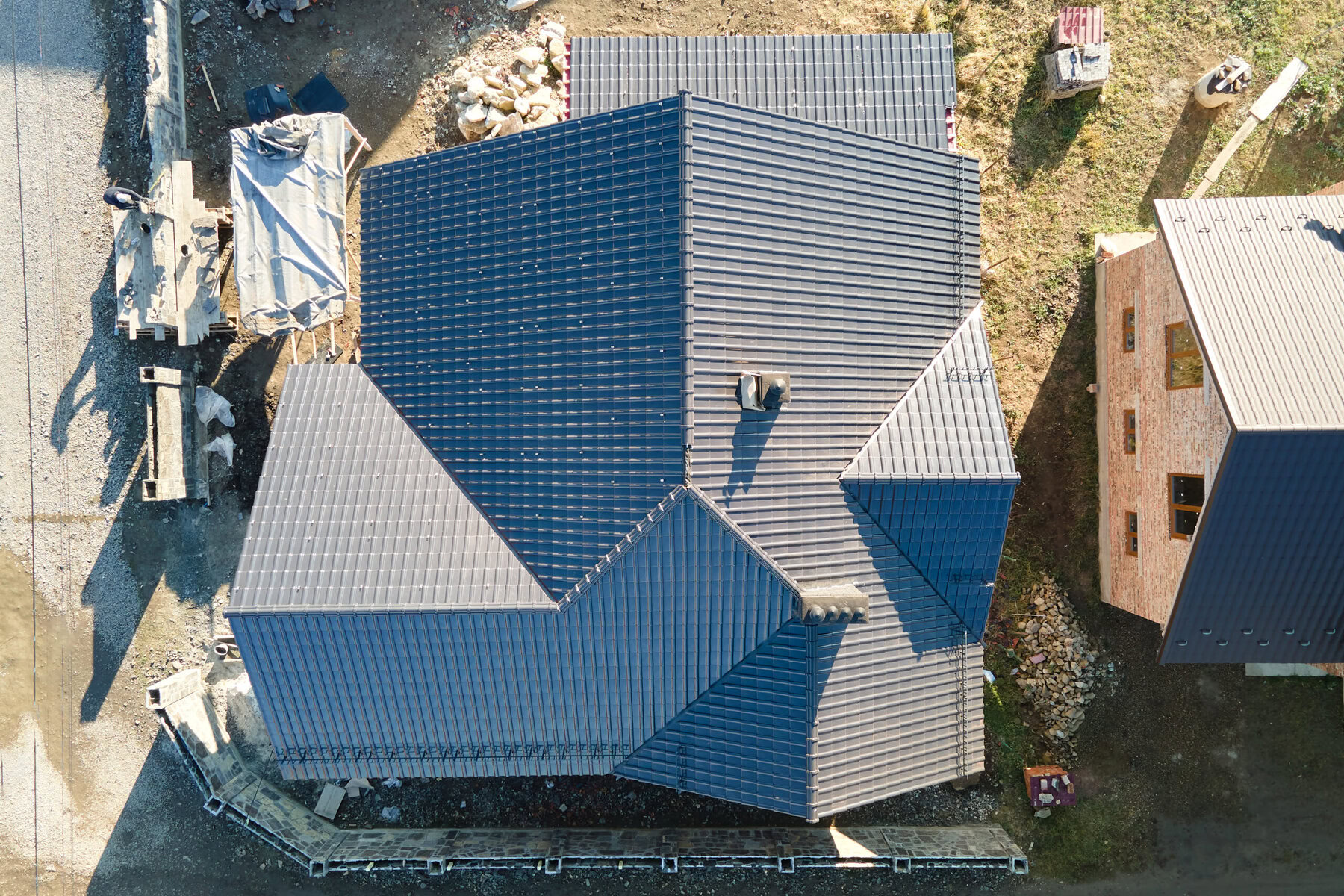
Let’s be honest, we’ve all stared at our roof at some point and wondered, “What exactly is going on up there?” Is it quietly protecting us, or is it secretly plotting a leak right over the living room sofa? We get it. Roofs are mysterious, often forgotten until something goes wrong, and then they become the most expensive part of the house to think about.
Here at California Green Roofing in Los Angeles, we spend our days solving these mysteries. We’ve seen it all, from minor shingle drama to full-blown commercial roof meltdowns. So, grab a coffee, and let’s have a real talk about what’s happening over our heads. We’ll break down the signs you need a pro, what actually happens during a repair, and why ignoring that little issue is, IMO, the fastest way to a much bigger bill.
Table of Contents
The Silent Screams of Your Roof: Knowing When to Call for Help
Your roof is pretty stoic. It won’t send you a text when it’s feeling under the weather. Instead, it gives you subtle—and sometimes not-so-subtle—hints. Missing the signs is easy, but catching them early is the golden ticket to affordable roofing maintenance.
The Interior Tell-Tale Signs
Start inside your house. That faint yellow stain on the ceiling isn’t modern art. Water stains are your roof’s primary distress signal. Dark trails on your walls or peeling paint in your top-floor rooms often point to moisture intrusion. And if you spot any sagging in the roof deck when you’re up in the attic… well, that’s your cue to stop reading and start calling a roof repair specialist immediately.
The Exterior Red Flags
Now, let’s go outside. Grab some binoculars if you’re not keen on ladder climbing. What are we looking for?
- Shingle Shenanigans: Curling, cracking, or completely missing shingles. If your roof looks like it has a bad case of bedhead, it needs attention.
- Granule Loss: Check your gutters. Are they filled with sandy, gritty granules? Those are supposed to be on your asphalt shingles, protecting them from the sun. Their absence means your roof is aging rapidly.
- Flashing Failures: The metal around your chimney, vents, and skylights is called flashing. If it’s cracked, rusted, or looks like it’s coming loose, water has a direct invitation inside.
- The Moss and Algae Party: While a little moss might look quaint, it’s actually lifting your shingles and trapping moisture against the roof surface. Not ideal.
If you’re nodding along to any of these, it’s probably time for a professional roof inspection. A trusted roofing company can give you the real story.
Residential vs. Commercial: It’s a Whole Different Ball Game
Okay, this is a big one. The approach to a home roof versus a warehouse or office building roof is wildly different. Think of it like fixing a bicycle versus maintaining an 18-wheeler. Both need care, but the scale, materials, and consequences are on another level.
For the Homeowners: Residential Roof Repair
Your home’s roof is about aesthetics, safety, and property value. We typically deal with pitched roofs, asphalt shingles, clay tiles, or wood shakes. The work is precise but on a smaller scale. A great residential roof repair focuses on matching materials perfectly and preserving the curb appeal you love. Tile roof repair, for example, is a specialized craft—one cracked tile can affect the ones around it, and you need a contractor who knows how to navigate that puzzle without causing more damage.
For the Business Owners: Commercial Roof Maintenance
Commercial roofs are usually flat or low-slope. They’re massive, and they cover everything you need to run your business. The stakes for commercial roof repairs are huge. A leak isn’t just a stained ceiling; it can shut down operations, ruin inventory, and damage expensive equipment. Commercial roof maintenance is less about aesthetics and more about relentless functionality and protection. It involves specialized systems like EPDM (rubber), TPO, or built-up roofs, and services like roof coating services to reflect heat and extend lifespan. Proactive maintenance here isn’t a suggestion; it’s a financial imperative.
The Price of Peace of Mind: Understanding Roofing Costs
Let’s talk numbers. We know it’s the elephant in the room. “How much is this going to cost?” is the first question everyone asks. The truth? It ranges more than LA weather. Giving a generic price is like quoting a car repair without knowing the make, model, or problem.
What Dictates the Final Bill?
- The Scope: Are we talking a minor repair, a major roofing repair, or a full roof installation? Obviously, a new installation is a bigger investment.
- Materials: Asphalt shingles, metal, clay tile, slate—each comes with a different price tag and lifespan.
- Labor & Complexity: A steep, multi-level roof takes more time and safety equipment than a simple single-story ranch. Specialty work like tile roof repair also requires specific expertise.
- The Extras: Decking replacement, new flashing, ventilation upgrades—these all add to the cost but are crucial for a proper, long-lasting fix.
The key to an affordable solution is addressing problems early. A $500 fix today can prevent a $15,000 replacement next year. Always get a detailed, written estimate. A good contractor, like us at California Green Roofing, will walk you through every line item so there are no surprises.
Your Roof Service Roadmap: From Panic to Solution
Feeling overwhelmed? Don’t. The process is straightforward when you work with a professional. Here’s a typical roadmap from that first worry to a finished, dry roof.
- The Initial Contact & Inspection: You call a reputable roof service provider (hey, that’s us!). We schedule a thorough inspection. A proper inspector will get on the roof, check the attic, and assess the full situation.
- The Detailed Proposal: You receive a clear, written proposal outlining the problem, the recommended solution, the materials to be used, the timeline, and the total cost. No murky language, just facts.
- The Repair & Installation Day: The crew arrives, protects your property, and gets to work. A quality team works cleanly and communicates with you throughout the process.
- The Final Walkthrough & Cleanup: The job isn’t done until you’re satisfied. The foreman should walk you through what was done, and the crew should leave your property cleaner than they found it. We’re serious about this part—nobody wants nails in their flowerbeds.
The Proactive Power of Maintenance & Coatings
Want a real insider secret? The most affordable roof service you’ll ever buy is the one you get before you have an emergency. Roofing maintenance is that service.
What’s in a Maintenance Plan?
A solid plan typically includes bi-annual inspections (after winter and before fall), cleaning of gutters and drains, checking seals and flashings, and minor repairs. For commercial properties, this is non-negotiable. It’s the difference between budgeting for a coating and scrambling to fund a full tear-off.
And speaking of coatings, let’s give a shout-out to roof coating services. For suitable flat roofs, a reflective coating is like giving your roof a giant, protective sunscreen. It can:
- Drastically extend the life of your existing roof membrane.
- Significantly reduce cooling costs by reflecting solar heat.
- Seal minor cracks and imperfections.
- Be a far more cost-effective alternative to a full replacement.
It’s not a fix for every problem, but when it’s applicable, it’s a brilliant solution. We’ve saved our clients in Los Angeles a small fortune with well-timed coating applications.
Your Top Roofing Questions, Answered
We hear these all the time. Let’s clear them up.
1. How often should I really get a roof inspection?
For a residential roof, we recommend a professional inspection every 2-3 years, and always after a major storm with high winds or hail. For a commercial roof, at least twice a year as part of a formal commercial roof maintenance plan. Think of it as a dental cleaning for your roof—prevents major root canals later.
2. Can I just repair the leaky spot, or do I need a whole new roof?
This depends entirely on the age of your roof and the extent of the damage. If your roof is 20 years old and has widespread issues, patching one spot is like putting a band-aid on a broken arm. It might hide the problem temporarily, but the underlying issue remains. A honest roof installation contractor will tell you when repair is sufficient and when replacement is the smarter long-term investment.
3. How do I find the nearest reputable roofing company?
Online reviews are a great start, but don’t stop there. Look for a company with a strong local presence, proper licensing and insurance, and a portfolio of work. Ask for references. And FYI, a company that pressures you to sign immediately or asks for full payment upfront is a major red flag. Your nearest good option might not be the one with the biggest billboard, but the one with the most consistent, positive reputation in your community.
Choosing Your Partner: It’s More Than Just Nails and Shingles
This is the most important part. You’re letting someone work on one of the most critical components of your property. The right team makes all the difference. You want a roofing company that communicates clearly, stands behind its work with a strong warranty, and treats your home or business with respect.
We built California Green Roofing on that exact principle. We’re not just another roofing company in Los Angeles; we’re your neighbors. We understand the specific challenges our local climate throws at roofs, from the blazing sun to the occasional surprising downpour. We take pride in being a roof service provider you can trust to give it to you straight, do the job right, and be there if you need us down the line.
So, if those stains are getting bigger, your gutters are full of granules, or you just want the peace of mind that comes with a professional check-up, reach out. Let’s get your roof back to doing its only job: protecting everything underneath it, quietly and without drama.