Key Takeaways: A built-up roof (BUR) is a layered, time-tested flat roofing system. It’s durable and fire-resistant but heavy and labor-intensive. It’s best for large commercial properties, not typical residential homes, and its suitability depends entirely on your building’s structure and your long-term cost perspective.
So, you’ve got a flat or low-slope roof, and someone’s thrown out the term “built-up roof” or “BUR” as a potential solution. Your immediate questions are probably the right ones: What is this thing, really? And is it just an old-school method that’s been surpassed, or does it still have a place?
In our years of dealing with commercial and industrial properties across Los Angeles, from the warehouses in the Arts District to older apartment complexes in Koreatown, we’ve seen the full lifecycle of these systems. A built-up roof isn’t a single product; it’s a process. The classic image is of a hot tar kettle on a roof, and that’s not wrong. It’s a layered assembly, like a roofing lasagna, alternating between bitumen (asphalt or coal tar) and reinforcing fabrics called ply sheets. This is topped with a layer of stone or gravel. The result is a monolithic, self-flashing membrane that’s been protecting buildings for well over a century.
What exactly is a built-up roof (BUR) system?
A built-up roof is a continuous, semi-flexible roof membrane created by applying multiple layers of bitumen-saturated felts or fabrics. These layers are laminated together with hot bitumen or cold-process adhesives to form a single, thick membrane, typically finished with a surface layer of mineral aggregate or a coating. Its strength comes from this layered, redundant construction.
The real question isn’t about its definition, but its application. When does this decades-old approach make sense in a market flooded with single-ply membranes like TPO and EPDM? The answer lies less in flashy sales sheets and more in practical, on-the-ground realities.
The Nuts and Bolts (and Tar and Gravel)
Let’s break down what you’re actually getting. A standard BUR might have three to five piles (layers). Each ply sheet is rolled into a coating of hot bitumen, which acts as the adhesive and waterproofing agent. The overlapping piles create a matrix that’s incredibly difficult for water to penetrate—it has to find a path through multiple aligned flaws, which is statistically unlikely. The final flood coat of bitumen is then embedded with gravel or slag. This aggregate isn’t just for looks; it protects the sensitive bitumen from UV degradation and provides physical ballast against wind uplift.
We’ve opened up enough of these roofs to see the good and the bad. A well-installed BUR on a suitable deck (like concrete or nailable wood) is a tank. It shrugs off foot traffic, hail, and the relentless sun in a way that thinner membranes often can’t. But here’s the first major caveat: weight. A full gravel BUR system can add 6-7 pounds per square foot. If your building’s structure wasn’t designed for that, it’s a non-starter. We’ve consulted on more than one project where the desire for a BUR was overruled by a structural engineer’s report.
The Trade-Offs No Salesman Loves to Mention
Every roofing choice is a series of compromises. The BUR is a masterclass in this.
- Longevity vs. Complexity: A properly maintained BUR can last 20-30 years. However, repairs are not simple. Finding a leak can be a forensic exercise, and patching involves cutting back layers and hot-work—a skilled task. Contrast that with a single-ply membrane, where a leak is often easier to locate and patch with a piece of tape and a weld.
- Upfront Cost vs. Life-Cycle Cost: The installed cost per square foot for a BUR is often competitive, sometimes even lower than high-end single-ply systems. But the labor intensity is high. You’re paying for man-hours with kettles and mops. Where it can save money long-term is in its durability against physical abuse. For a roof that will see frequent HVAC servicing or storage, that toughness can mean fewer repair bills over decades.
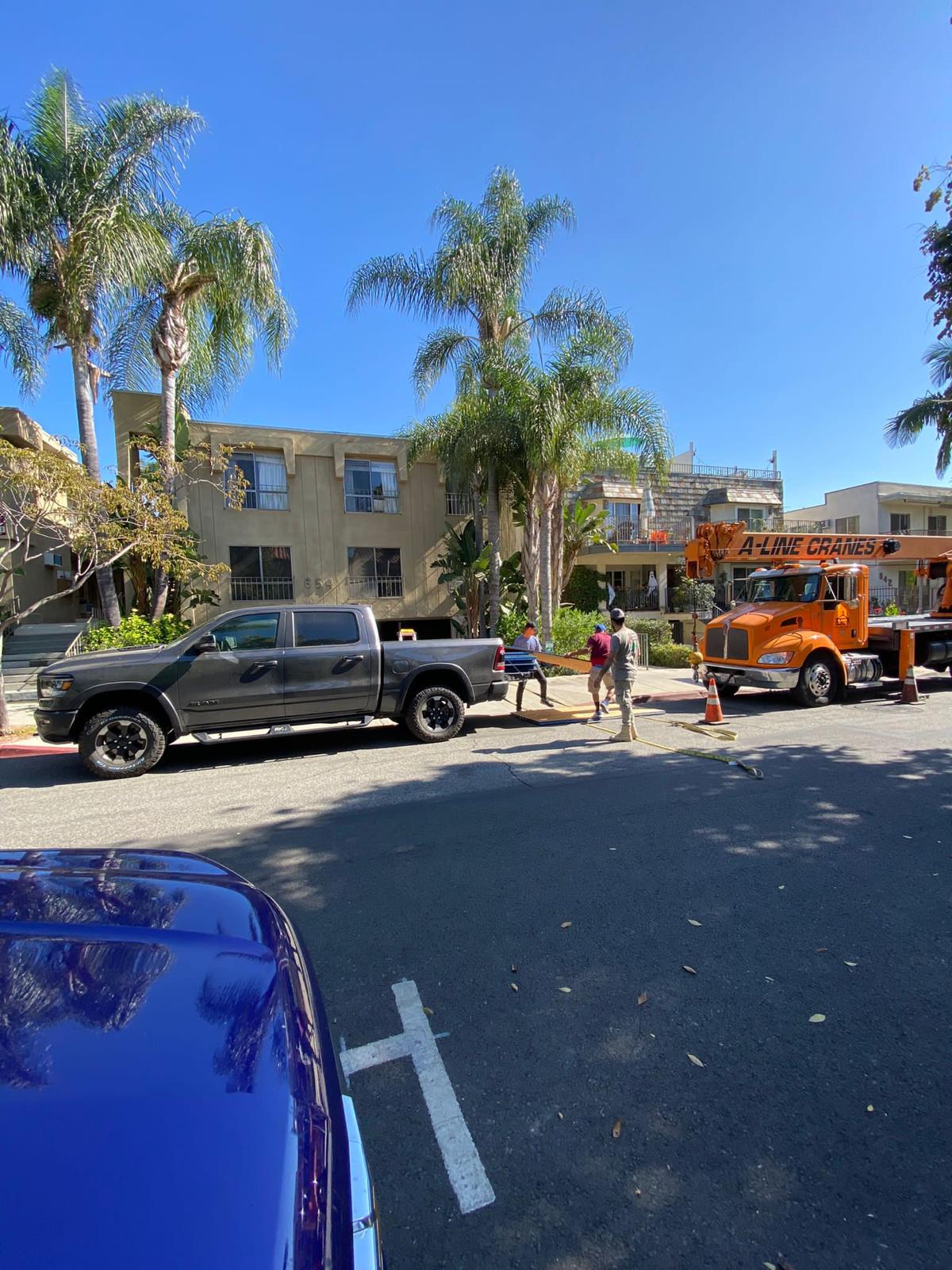
- The Installation Reality: This isn’t a quiet, clean job. There’s the odor of hot bitumen (neighbors may complain), the logistical challenge of getting a hot kettle onto the roof, and significant safety protocols. In a dense urban area like downtown LA, just getting the kettle and gravel delivered and hoisted can be a project in itself, navigating tight streets and parking restrictions.
When a BUR is Probably the Right Call
Based on what we’ve seen work, a BUR shines in specific scenarios:
- Your building is structurally robust (concrete deck is ideal).
- The roof will see significant foot traffic or equipment weight.
- Fire resistance is a paramount concern (the gravel surface offers a Class A rating).
- You prioritize long-term, proven performance over the easiest possible repairs.
- You’re re-roofing an existing BUR system. Often, the best path is to go right over it with a new BUR or a hybrid system.
When You Should Probably Look Elsewhere
Be skeptical of a BUR proposal if:
- Your roof deck is lightweight concrete, steel, or has questionable structural capacity. The weight is a dealbreaker.
- The roof slope is too steep. The hot bitumen can drain to the low spots during installation.
- You’re in a residential context. For 99% of homes, even flat sections, modern membranes or modified bitumen are more appropriate. The scale and mess of a BUR are overkill.
- Speed and minimal disruption are top priorities. Single-ply systems can be installed faster and with less on-site equipment.
- You’re in a seismic zone and the dead load is a concern for the overall building performance.
Comparing Your Flat Roof Options: A Real-World Perspective
This table isn’t about declaring a winner; it’s about matching a system to your property’s personality and your own tolerance for risk and maintenance.
| Roofing System | The Reality Check | Best For… | Think Twice If… |
|---|---|---|---|
| Built-Up (BUR) | The durable, heavy-duty workhorse. High install labor, but handles abuse. | Large commercial buildings, roofs with heavy traffic, situations demanding top-tier fire ratings. | Weight is an issue, budget is extremely tight, or you need the simplest possible future repairs. |
| TPO / EPDM (Single-Ply) | The modern standard. Lighter, faster to install, and easier to repair. | Warehouses, retail big boxes, residential flat sections. A versatile, cost-effective choice. | The roof sees constant puncture risk (e.g., from tree branches, heavy equipment). Seams can be a potential failure point. |
| Modified Bitumen | Like a hybrid of BUR and single-ply. Torch- or self-adhered sheets, often granular surfaced. | Low-slope residential, small-to-medium commercial. A good “step-up” from single-ply. | You have extreme UV exposure (some types degrade faster), or you’re wary of open-flame torch application. |
The Los Angeles Context: Sun, Seismic, and Stories
Here, the sun is your roof’s primary antagonist. The gravel on a BUR is a fantastic UV shield. But we also have seismic considerations. That heavy dead load needs to be factored in. Furthermore, in older parts of the city—think the historic core or some of the 60s-era buildings lining Wilshire—you might be dealing with an existing BUR. A full tear-off to switch systems can be astronomically expensive and messy. Sometimes, the most pragmatic, cost-effective choice is to work with what’s there and install a new BUR system over the old. It adds continuity and avoids the landfill costs of a full removal.
A Final, Grounded Opinion
The built-up roof isn’t obsolete. It’s specialized. It has moved from a default option to a strategic one. The rise of excellent single-ply systems has rightly eaten its market share for standard applications. But in the right context, on the right building, there’s a quiet, gravel-covered confidence to a BUR that newer systems haven’t quite matched for sheer, brute-force resilience.
Your decision shouldn’t start with the product. It should start with a professional assessment of your building’s bones, a clear understanding of how the roof space will be used, and an honest conversation about your budget over a 20-year horizon, not just the installation quote. Sometimes, the old way, with its layers of history and proven performance, is still the right way.
Related Articles
Common Problems Found On Modified Bitumen Roofs
Built-Up Roofing (BUR) In LA: Is This Classic System Right For You?
What Is The Spanish Style Roof Called And Its Benefits
Choosing Between A Metal Roof And Tile Roof Cost In California
Best Roofing Type For Commercial Buildings In The Valley
Why PVC Membranes Are A Smart Choice For Restaurant Roofs
People Also Ask
A built-up roof, commonly referred to as a BUR, is a traditional flat roofing system composed of multiple layers of bitumen and reinforcing fabrics. Typically, this involves alternating layers of asphalt or coal tar with felt sheets, creating a durable, waterproof membrane. The top layer is often finished with gravel or a reflective coating for UV protection and ballast. This system is valued for its proven longevity and resistance to foot traffic. For homeowners in the Los Angeles and San Fernando Valley area, a BUR can be an excellent choice for low-slope roofs, though it requires professional installation to ensure proper adhesion and drainage. California Green Roofing recommends consulting a specialist to evaluate if this system suits your specific structure and climate needs.
A built-up roof (BUR) typically has a life expectancy of 20 to 30 years when properly installed and maintained. This system, composed of multiple layers of bitumen and reinforcing fabrics, is known for its durability and resistance to foot traffic. However, its lifespan heavily depends on the quality of the initial installation, local climate conditions, and regular maintenance. In the Los Angeles area, intense sun exposure can accelerate aging, making periodic inspections crucial. For homeowners noticing blistering or alligatoring, it is wise to consult a professional. For more guidance, see our internal article titled 5 Signs You Need A Roof Repair Specialist (Before A Small Leak Becomes A Disaster), which outlines key warning signs.
Built-up roofing (BUR) is a traditional flat roof system that has a distinctive, layered appearance. It typically looks like a dark, gravel-covered surface, as it is constructed by alternating layers of bitumen (asphalt or coal tar) with reinforcing fabrics or felts. The topmost layer is usually coated with a flood coat of bitumen and then embedded with smooth or rounded gravel, slag, or mineral granules. This gives the roof a rough, pebbly texture and a uniform dark gray or black color. From a distance, a BUR roof appears as a solid, heavy, and slightly bumpy surface. For restaurant owners considering durability, our internal article titled Why PVC Membranes Are A Smart Choice For Restaurant Roofs provides excellent insight into modern alternatives. California Green Roofing recommends BUR for its proven waterproofing, but notes that the gravel surface can be heavy and may require additional structural support.
Yes, a built-up roof (BUR) can be repaired, and it is a common practice in the Los Angeles area. Repairs typically involve addressing blisters, splits, or punctures by cutting out the damaged section and applying new layers of bitumen and felt. For small leaks, a patch with compatible asphalt and roofing fabric is often sufficient. However, extensive deterioration may require a full overlay. It is crucial to use proper safety protocols and materials that match the existing system to avoid further issues. For professional guidance, our internal article titled Why California Green Roofing Is Los Angeles’ Top Choice for Commercial Roofs explains why California Green Roofing is Los Angeles’ top choice for commercial roofs, offering durable repair solutions for built-up systems.
For property owners in the Los Angeles and San Fernando Valley area, choosing between a built-up roof (BUR) and asphalt shingles depends heavily on your roof slope and climate needs. Asphalt shingles are typically used on steep-slope residential roofs and offer a wide range of colors and styles. In contrast, built-up roofing (BUR) is a time-tested, multi-ply system designed primarily for low-slope or flat roofs. BUR provides exceptional waterproofing and UV protection, which is crucial under the intense Southern California sun. For a deeper dive into whether this classic system is right for your specific property, California Green Roofing recommends reviewing our internal article titled 'Built-Up Roofing (BUR) In LA: Is This Classic System Right For You?'. You can find it here: Built-Up Roofing (BUR) In LA: Is This Classic System Right For You?.
A built-up roof (BUR) without gravel is typically referred to as a "smooth-surfaced built-up roof." This system consists of multiple layers of bitumen and reinforcing felts, but instead of a top layer of gravel or aggregate, it is finished with a smooth coating, often asphalt or a reflective coating. This design is common in regions like Los Angeles and the San Fernando Valley, where lighter-colored coatings can help reduce heat absorption and improve energy efficiency. For homeowners considering this option, it is important to note that smooth BUR systems may require more frequent maintenance than gravel-surfaced ones, as they are more susceptible to UV damage. For more details on roofing styles suitable for the area, please refer to our internal article titled What Is The Spanish Style Roof Called And Its Benefits. California Green Roofing recommends regular inspections to ensure the longevity of any smooth BUR system.