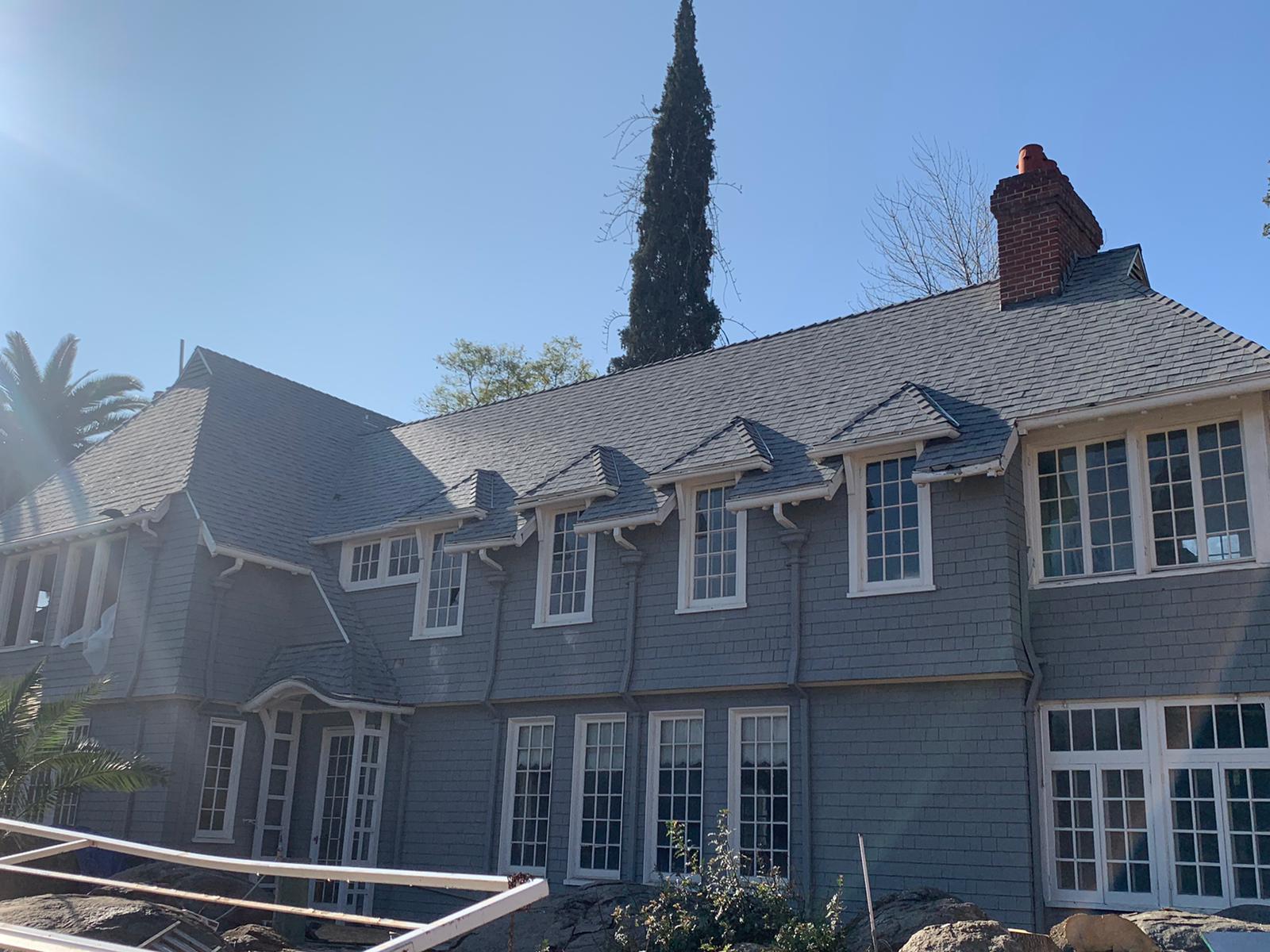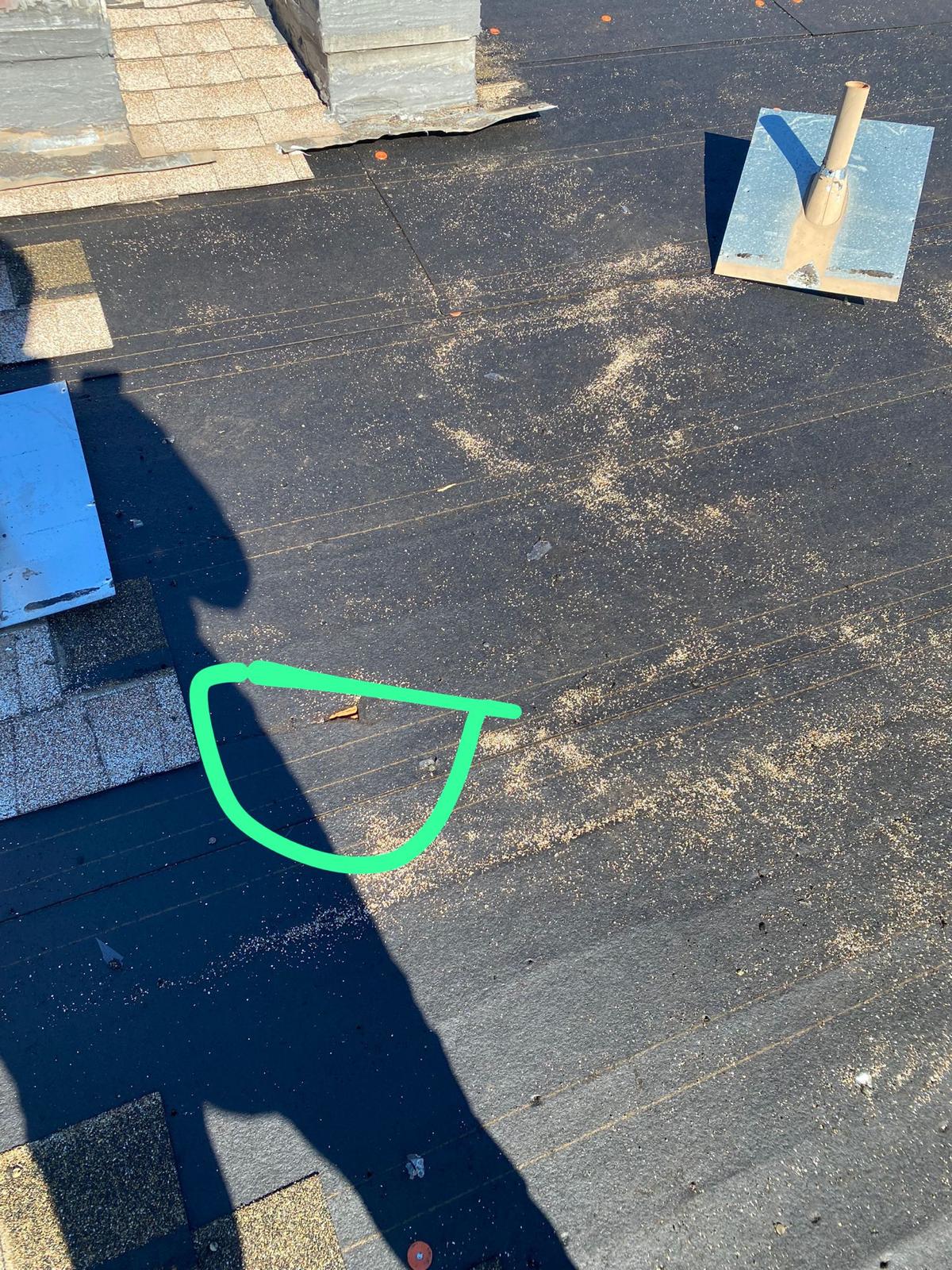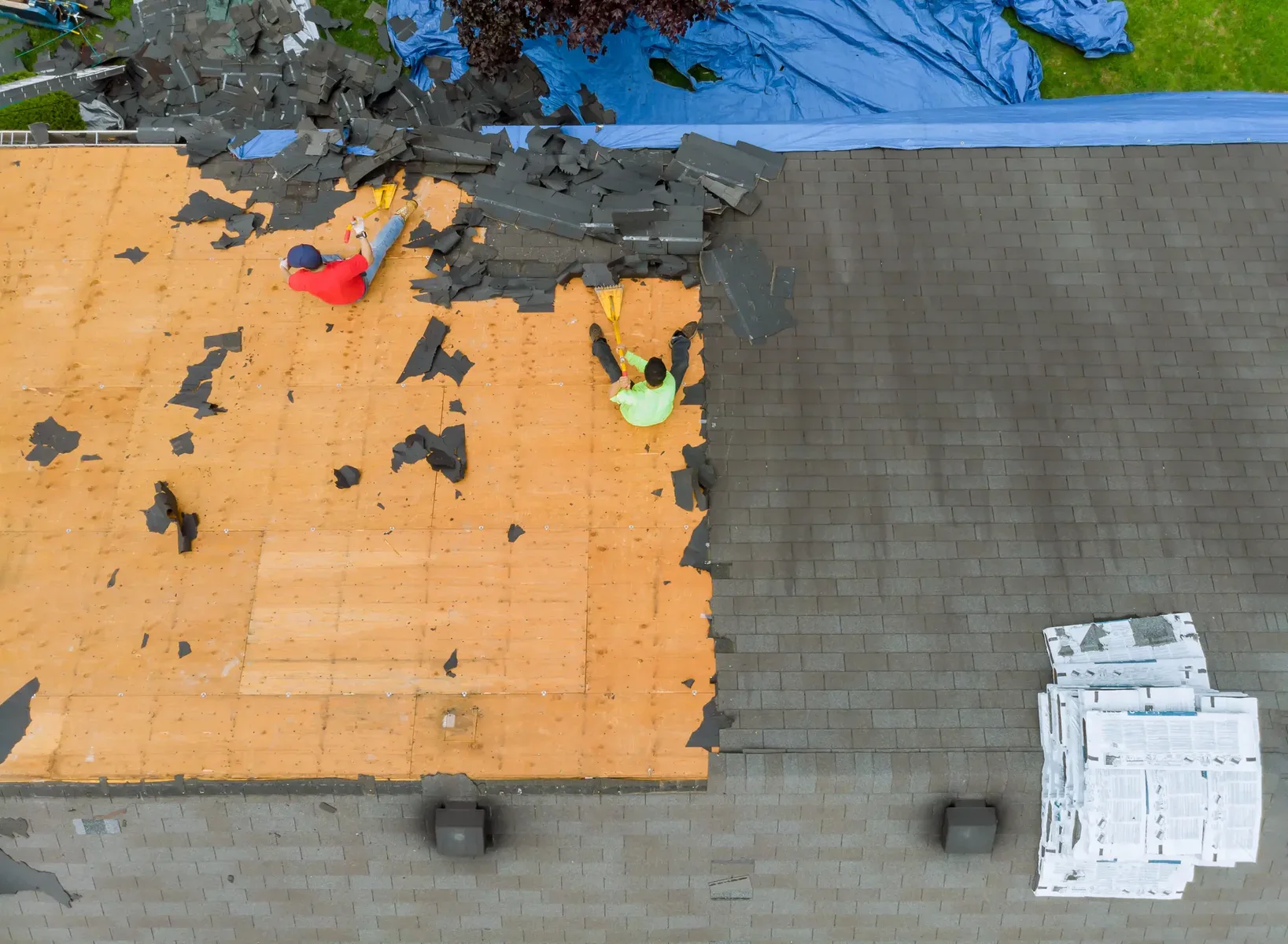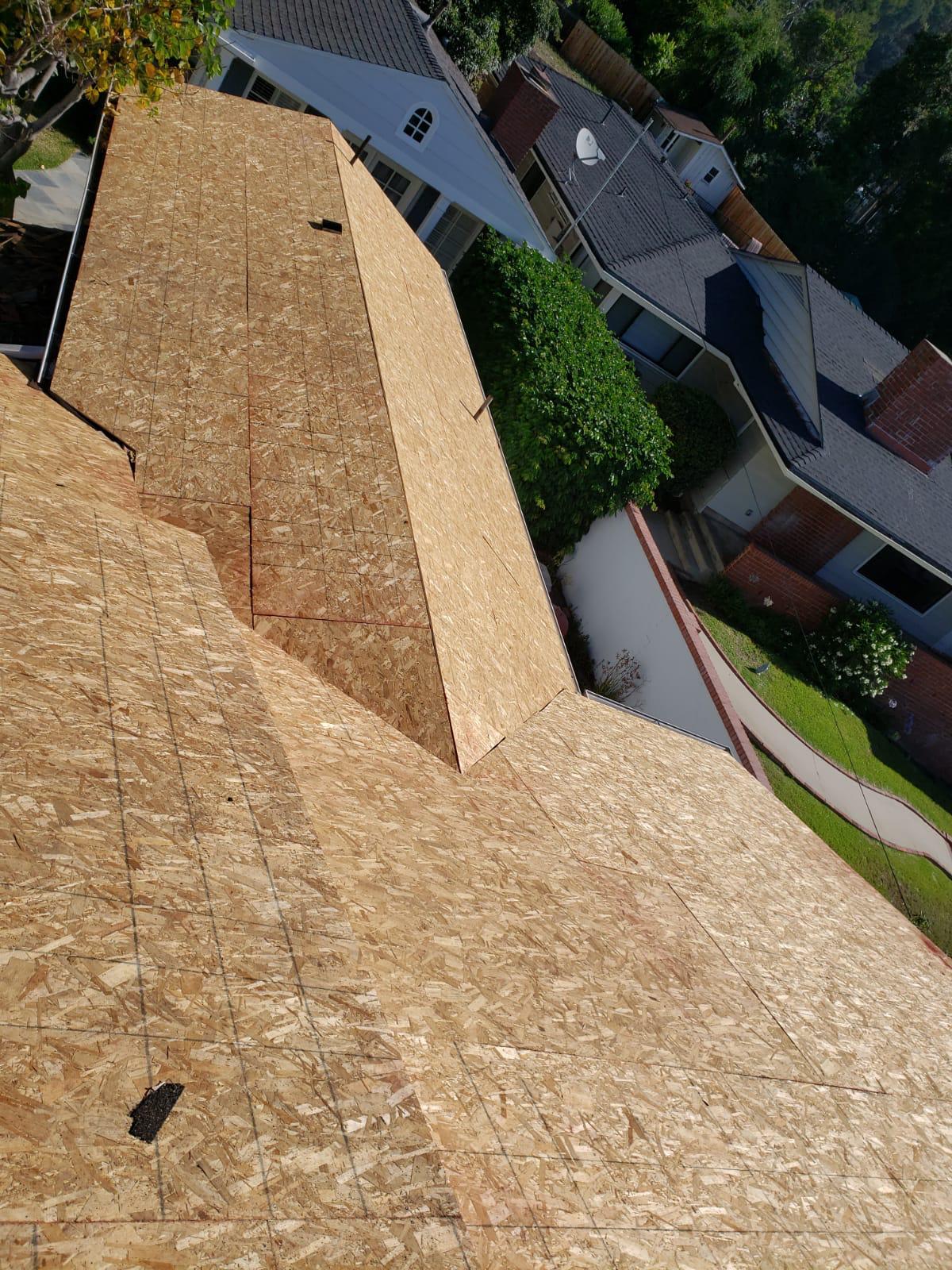
Let’s be honest, our roofs don’t get a lot of love until something goes wrong. We notice a leak, spot a missing shingle, or see our neighbor getting a gorgeous new roof and think, “Hmm, maybe we should look into that.” But by then, we’re often in panic mode, scrambling to find a solution before the next rainstorm. What if we changed that? What if we started thinking of our roof not as a looming, expensive problem, but as the key asset it truly is?
Here in Los Angeles, our roofs face a unique cocktail of challenges: blazing sun that bakes materials dry, occasional but heavy rains, and let’s not forget the ever-present concern about water conservation and energy efficiency. It’s a lot for one structure to handle. That’s why we’re big believers in a proactive approach. Think of it like going to the dentist for a check-up instead of waiting for a root ache—it’s just smarter, and frankly, cheaper in the long run.
Table of Contents
The Unseen World Above Us: What Your Roof Actually Does
We often reduce a roof to shingles and rafters, but it’s a complex, dynamic system. It’s our first line of defense against the elements, sure, but a healthy roof also:
- Manages temperature, impacting our energy bills directly.
- Channels water away from our foundation with precision.
- Provides structural integrity for the entire building.
- Adds curb appeal and value—a no-brainer for any homeowner or business.
When one part of this system fails, it can create a domino effect. A small leak isn’t just a stain on the ceiling; it’s potential mold, compromised insulation, and rot in your sheathing. Suddenly, that minor roofing repair just became a major renovation project. IMO, that’s a headache we can all live without.
The Proactive Playbook: It’s Not Just Fixing, It’s Maintaining
So, how do we avoid the disaster scenarios? We swap the “wait and see” model for a plan. This is where a trusted roof service partner becomes invaluable.
Start With the Obvious: Regular Roof Inspections
We can’t stress this enough. Having a professional roof repair specialist conduct a bi-annual inspection is the single best investment you can make. They spot the tiny issues—a lifted flashing, a cracked tile, worn sealant—before they become catastrophic. At California Green Roofing, our inspections are thorough. We’re not just looking for problems; we’re assessing the entire system’s health and giving you a clear picture of what’s happening up there. Think of it as a detailed report card for your biggest asset.
Understanding the Two Halves of the Whole: Residential vs. Commercial
The core principles are the same, but the scale and specifics differ wildly.
For our homes (residential roof repair), it’s often about material-specific care. Tile roof repair requires a different touch than composite shingle work. A leak on a pitched tile roof needs someone who understands how to navigate and replace tiles without causing more damage. The goal is to preserve the aesthetic and function.
On the commercial side, commercial roof maintenance is a different beast. We’re talking about massive, often flat or low-slope surfaces. The focus shifts to membrane integrity, drainage systems, and preventative measures like roof coating services to reflect heat and extend the roof’s life. Commercial roof repairs need to be swift, cause minimal business disruption, and be built to last under heavy equipment and foot traffic. The cost of downtime for a business far outweighs the price of regular maintenance.
When Action is Non-Negotiable: Signs You Need Help NOW
Even with the best care, things happen. Here’s a quick, no-nonsense list of red flags. If you see any of these, it’s time to call a roofing company, stat.
- Water Stains on Ceilings or Walls: This is the big one. It means water has already breached your roof’s defenses.
- Missing, Cracked, or Curling Shingles/Tiles: Your roof’s armor is compromised.
- Granules in Gutters: A sign of advanced wear on asphalt shingles.
- Sagging Roof Deck: A major structural warning sign.
- Daylight Through Roof Boards: Okay, this one’s a bit sarcastic, but if you can see sky from your attic, you’re a little past “maintenance.”
Navigating the Choices: Repair, Coat, or Replace?
This is the million-dollar question (sometimes literally). A good roof installation contractor or repair team won’t jump straight to the most expensive option. Here’s a simplified way to think about it:
| Solution | Best For… | The Pro | The Con | Approximate Cost Range (Varies Widely) |
|---|---|---|---|---|
| Targeted Repair | Isolated damage, minor leaks, recent installations. | Affordable, quick, preserves existing materials. | Doesn’t address overall aging; could be a recurring patch. | $350 – $1,500+ |
| Protective Coating | Flat/low-slope commercial roofs, sun-damaged surfaces, extending life. | Excellent for commercial roof maintenance, reflects heat, seals minor flaws. | Not for pitched roofs or major structural issues. Requires proper prep. | $1.50 – $4.00 per sq. ft. |
| Full Replacement | Widespread damage, aging (20+ years), recurring issues, desire for new materials. | Long-term peace of mind, new warranty, improved efficiency & aesthetics. | Highest upfront price and project scale. | $5,000 – $20,000+ (Residential) |
FYI, these numbers are ballpark figures for the Los Angeles area. The only way to get a true cost is an on-site evaluation. Which, you guessed it, brings us back to that all-important inspection.
Why Your Local Roofer is Your Secret Weapon
Ever wondered why the big, national companies with all the ads might not be your best bet? It often comes down to local knowledge. A roofing company based right here in Los Angeles understands our microclimates, building codes, and even the common shortcuts taken in past decades. They can source materials quickly and have relationships with local suppliers.
When you work with a local team like us at California Green Roofing, you’re not getting a dispatched crew from who-knows-where. You’re getting neighbors who care about the community’s look and integrity. We see the work we do every day, and we want it to last. Plus, if you need a follow-up or have a question six months later, we’re just a quick call away. Finding the nearest expert with a stellar reputation is almost always the winning move.
Your Top Roofing Questions, Answered (No Fluff)
We hear these all the time, so let’s tackle them head-on.
1. “How often should I really get my roof inspected?”
Twice a year is the gold standard—ideally in late spring (after winter rains) and early fall (before them). After any major weather event (hello, rare but heavy LA storms!), it’s wise to do a visual check yourself and call a pro if anything looks off. Consistent roofing maintenance is the ultimate money-saver.
2. “Can’t I just do repairs myself to save money?”
We get the DIY spirit, we really do. But roofing is a special kind of dangerous and technical. One wrong step can lead to personal injury or create a leak point you never had. Professionals have the safety gear, training, and knowledge of material compatibility. What starts as an affordable DIY fix can become a very un-affordable professional rescue mission.
3. “How do I choose the right contractor without getting ripped off?”
Great question. Always verify license and insurance—this is non-negotiable. Get detailed, written estimates from 2-3 companies. Read reviews, but look for patterns, not just one-off complaints. A reputable contractor, like California Green Roofing, will provide clear timelines, explain the work in detail, and never pressure you into a quick sign-off. Trust your gut. If something feels off, it probably is.
At the end of the day, our roof works hard so we don’t have to think about it. Giving it a little attention is the least we can do. Whether it’s scheduling that inspection you’ve been putting off, addressing a persistent leak, or planning a new installation with energy-efficient materials, the key is to take informed action.
Stop worrying about the sky falling in, literally. Find a local partner you trust, make a plan, and then you can get back to enjoying the beautiful, sunny (and sometimes rainy) days here in LA, secure in the knowledge that you’re covered. And hey, if you’re near us and want a straightforward, honest assessment, you know who to call 🙂
Related Articles
Why PVC Roofing Is The Unsung Hero Of Commercial And Modern Homes
TPO, PVC, Or EPDM? Comparing Commercial Roofing Costs In LA
Why PVC Membranes Are A Smart Choice For Restaurant Roofs
The Step-by-Step Guide To Commercial TPO Roof Repair For Los Angeles Business Owners
People Also Ask
When comparing the cost of PVC (Polyvinyl Chloride) and TPO (Thermoplastic Polyolefin) roofing membranes, several factors influence the final price. Both are popular single-ply commercial roofing options. Generally, TPO is often considered the more cost-effective material upfront, with material costs typically being lower than PVC. However, PVC membranes frequently command a higher price due to their longer proven track record, superior resistance to chemicals, oils, and grease, and excellent long-term weathering performance. Installation costs for both are similar, as they are installed using comparable methods (fully adhered, mechanically attached, or ballasted). The total lifecycle cost should be considered, as PVC's durability in harsh environments can lead to lower maintenance and longer service life, potentially offering better value over decades. A professional assessment of your specific building and climate is crucial for an accurate cost-benefit analysis.
When comparing EPDM and PVC roofing membranes, key differences in material composition and performance dictate their ideal applications. EPDM, a synthetic rubber, is known for its excellent weathering resistance, flexibility in cold temperatures, and cost-effectiveness for large, simple roof areas. However, it requires fully adhered or ballasted installation and uses seams that are sealed with adhesive or tape. PVC, a thermoplastic, is renowned for its high puncture resistance, inherent fire retardancy, and strong chemical resistance, making it particularly suitable for roofs exposed to oils, fats, or other substances. Its seams are heat-welded, creating a continuous, monolithic barrier. For environments like commercial kitchens, the chemical resilience of PVC is a significant advantage, a point explored in our resource Why PVC Membranes Are A Smart Choice For Restaurant Roofs. The choice ultimately depends on the specific roof conditions, exposure, and long-term performance requirements.
For commercial flat or low-slope roofs, the best PVC roofing membrane is a high-quality, reinforced product with a strong polyester scrim core for dimensional stability and puncture resistance. Look for membranes with heat-welded seams that create a watertight, monolithic surface, superior fire resistance ratings, and high reflectivity for energy savings. A top-tier PVC membrane will also offer excellent resistance to chemicals, oils, and fats, which is particularly important for certain business environments. For a detailed look at how these properties benefit specific commercial applications, including resistance to grease and frequent cleaning, our resource Why PVC Membranes Are A Smart Choice For Restaurant Roofs provides valuable insights. Professional installation by certified contractors is crucial to ensure the system's long-term performance and warranty validity.