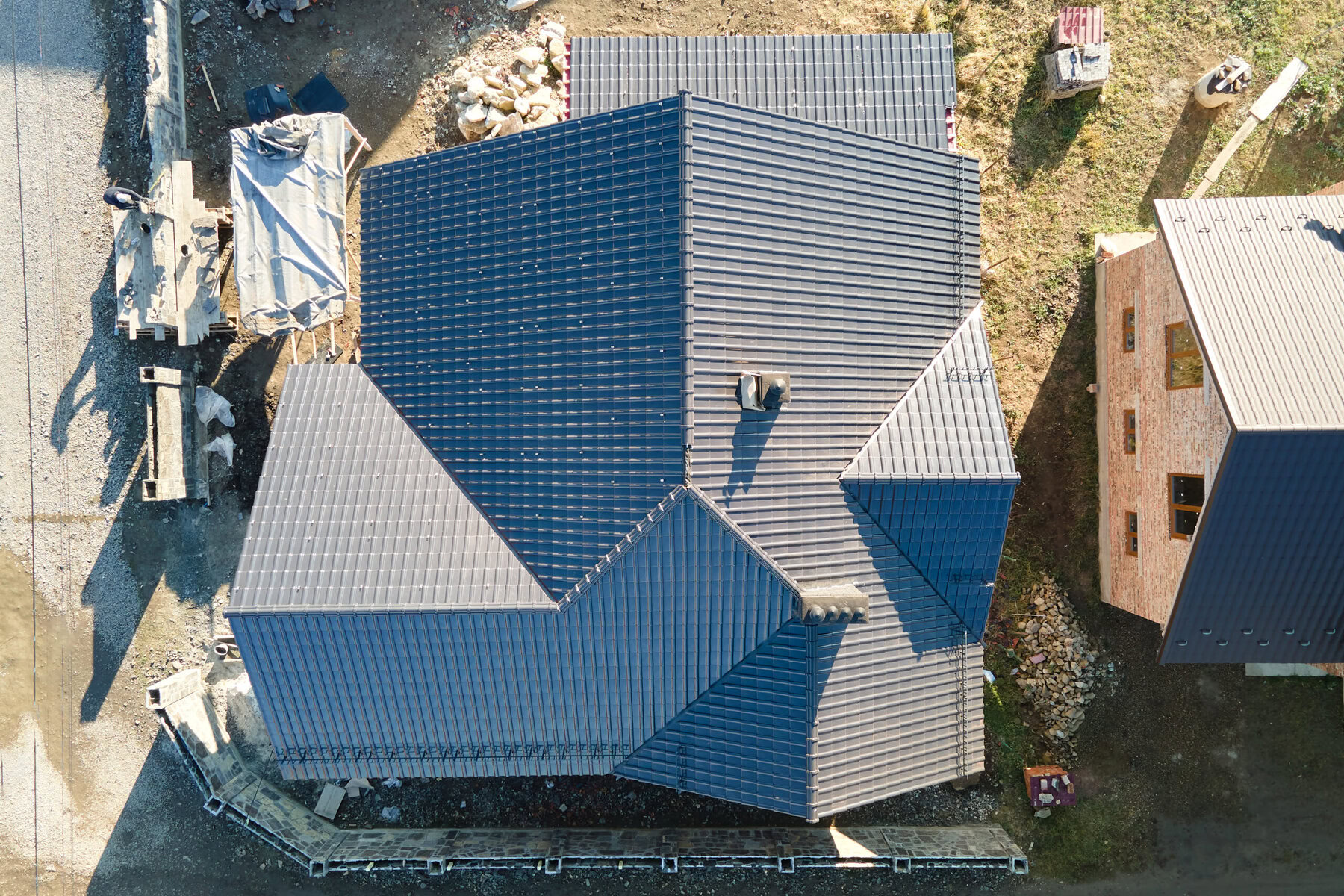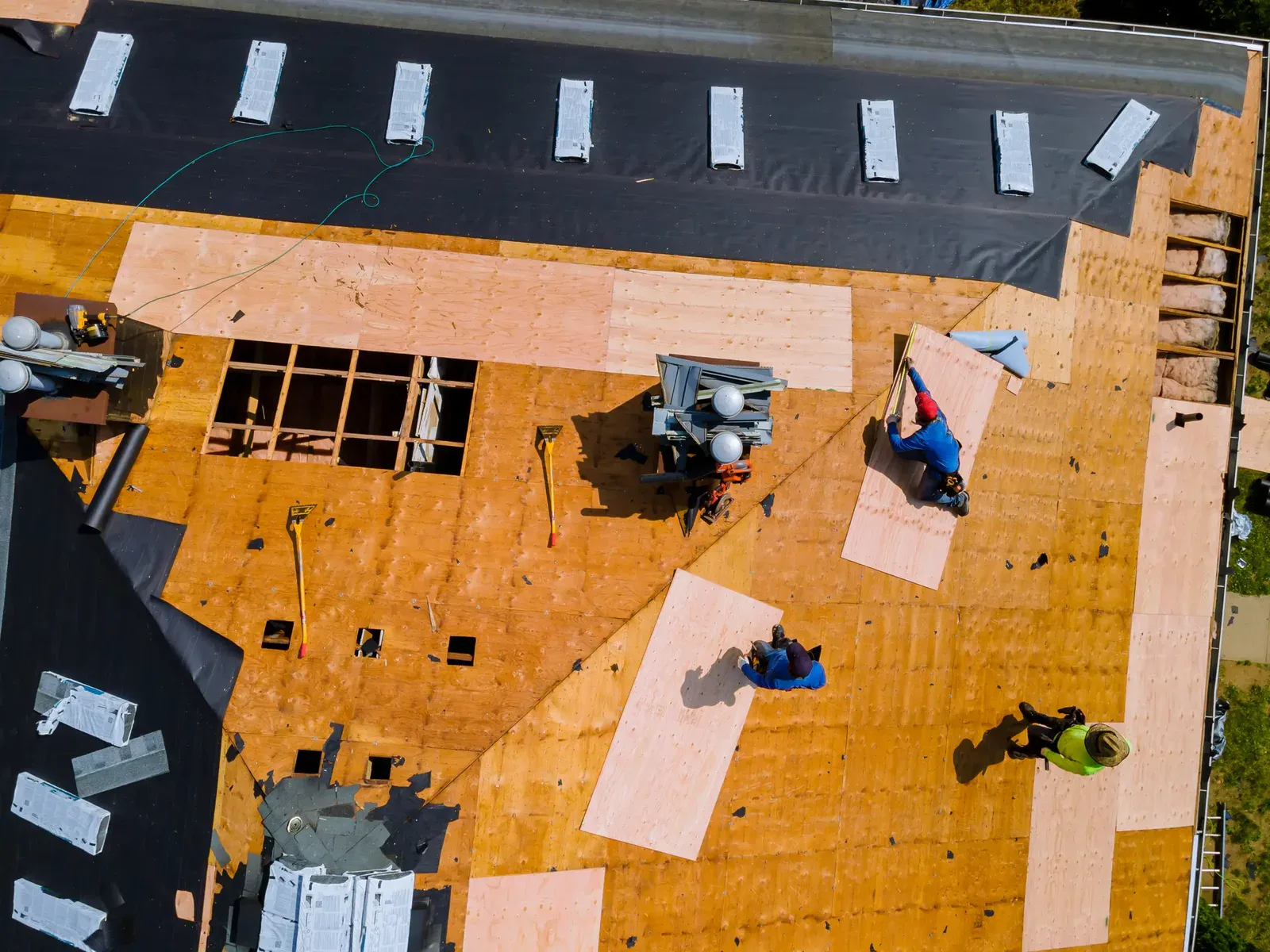
Let’s be honest, our roofs don’t get a lot of love until something goes wrong. We happily admire a new kitchen or a landscaped yard, but that critical layer shielding us from the sun, rain, and occasional runaway balloon? We mostly ignore it. That is, until a drip hits your forehead during a movie or you spot a suspicious dark patch on the ceiling. Then, suddenly, it’s the most important thing in the world. We get it—we’ve seen the panic in a homeowner’s eyes when they call us. But what if we told you that a little knowledge and proactive care could save you a ton of stress, not to mention a potentially massive check? That’s what we’re here to chat about today.
Think of this as a friendly guide from fellow building enthusiasts who’ve spent years on top of Los Angeles homes and businesses. We’re peeling back the layers on everything from spotting trouble to choosing the right fix, all while keeping it real about what it all means for your wallet.
Table of Contents
The Unseen World Above Us: What Your Roof is Trying to Tell You
Your roof is anything but silent. It’s constantly communicating through subtle signs, and learning its language is the first step in avoiding a major crisis. We’re not talking about a Shakespearean soliloquy here; it’s more like your roof sending you a few urgent texts that you really shouldn’t leave on “read.”
The Classic Distress Signals
Ever noticed granules from your asphalt shingles in the gutters? That’s your roof’s version of shedding hair from stress. Curled or buckling shingles? It’s basically waving a white flag. For our tile roofs, which are everywhere in our nicer neighborhoods, a cracked tile isn’t just an aesthetic issue—it’s an open door for water. And those lovely flat roofs on commercial buildings? If you see pooling water 48 hours after a rain, that’s a problem brewing. These aren’t just cosmetic flaws; they’re the opening act for the main event: water intrusion.
Why “Out of Sight, Out of Mind” is a Terrible Strategy
We’ve built our reputation at California Green Roofing on one simple principle: the most affordable repair is the one you prevent. Waiting for a leak to decorate your ceiling is like ignoring a check engine light until your car stalls on the 405. Not ideal, right? Proactive roofing maintenance, especially commercial roof maintenance for business owners, is the ultimate money-saver. It’s the difference between a small, planned investment and a frantic, expensive emergency roof repair.
The Repair vs. Replacement Conundrum: Making the Smart Call
This is the million-dollar question (sometimes literally). How do you know if you need a quick patch or a whole new roof? As a trusted roofing company in Los Angeles, we navigate this puzzle daily. It’s not just about the damage you see; it’s about the age, the materials, and the underlying structure.
When a Repair is the Right Move
A good roof repair specialist can work wonders in the right scenario. Is the damage isolated to one area? Is the rest of the roof structure sound and relatively young? For instance, a tile roof repair often involves replacing individual tiles without touching the underlayment—a straightforward fix. Same goes for a small section of wind damage on a shingle roof or a sealed leak on a commercial membrane. The key is a thorough roof inspection to confirm the problem hasn’t gone viral.
The Tipping Point: Signs You’re Past the Point of Patching
Sometimes, repeated fixes are just throwing good money after bad. Here’s when we usually have the “maybe it’s time” conversation:
- Widespread Damage: When issues aren’t isolated but scattered across the roof.
- Advanced Age: Most asphalt shingle roofs have a 20-25 year lifespan. If yours is in that range and having issues, replacement often makes more financial sense.
- Multiple Leaks: This indicates a systemic failure of the underlayment or decking.
- Severe Storm Damage: Sometimes, a major weather event makes the decision for you.
Choosing between residential roof repair and a full roof installation is a big deal. That’s why we always start with a brutally honest assessment. Our goal is to solve your problem for the long haul, not just sell you the most expensive option.
Breaking Down the Investment: What Goes Into the Price?
Let’s talk about the cost. It’s the elephant in the room, and we’re not going to dodge it. The price of any roof service varies wildly, and anyone who gives you a number over the phone without seeing your roof… well, let’s just say we’d be skeptical, too. IMO, transparency is everything.
The Major Factors That Swing the Bill
- Scope of Work: This is the big one. A minor repair vs. a full replacement is like comparing a tune-up to a new engine.
- Materials: Asphalt shingles, tile, metal, TPO for commercial buildings—each has a different price point and lifespan.
- Roof Complexity: Steep pitches, multiple levels, skylights, and chimneys add time and complexity.
- Underlying Damage: What we find when we open it up. Rotted decking or compromised insulation adds to the project.
To give you a clearer picture, here’s a basic comparison of common roof service scopes:
| Service Type | Typical Scope | Key Considerations | General Cost Driver |
|---|---|---|---|
| Standard Repair | Fixing leaks, replacing damaged shingles/tiles, sealing flashings. | Location & accessibility of damage. Age of surrounding materials. | Labor-intensive, but material cost is low. |
| Major Repair / Restoration | Recovering large sections, replacing underlayment, addressing structural soft spots. | Often a precursor to needing full replacement soon. | Higher material use (underlayment, decking) and significant labor. |
| Full Replacement | Complete tear-off, new decking, underlayment, and roofing material. | Offers longest-term solution and warranty. May improve energy efficiency. | Highest material and labor cost, but provides decades of security. |
| Preventive Maintenance | Bi-annual inspections, cleaning, minor sealant applications. | The most affordable path long-term. Crucial for commercial roof repairs prevention. | Service contract model; avoids huge unexpected costs. |
Finding an Affordable Path Forward
“Affordable” doesn’t mean “cheapest.” It means the best value over time. A low-ball roof installation contractor might cut corners on underlayment or fasteners, leading to leaks in two years. A quality roofer uses the right materials and offers strong warranties. Sometimes, roof coating services can extend the life of a commercial roof dramatically at a fraction of replacement cost. The key is to get detailed quotes that break down materials and labor, and to ask about financing or phased plans. At California Green Roofing, we work hard to present options that fit different budgets because we know a quality roof shouldn’t be a luxury.
Why Your Roofer Matters More Than You Think
Here’s where we get a bit opinionated. Your choice of roofing company is arguably more important than the shingle brand you pick. A master craftsman can make mid-grade materials perform beautifully, while a hack can ruin the most expensive tile on the market.
Red Flags to Watch Out For (Our Pet Peeves)
- The Door-Knocker After a Storm: They often follow weather events, offer a “great deal,” and then vanish when issues arise.
- Massive Down-Payment Demands: Reputable companies have credit with suppliers; they don’t need your entire payment upfront.
- No Local Presence or Reviews: If they can’t point you to several recent projects near you, be wary.
- Vague Contracts: Everything should be in writing—materials, scope, timeline, cleanup, warranty.
The Hallmarks of a Pro You Can Trust
On the flip side, here’s what we strive for and what you should look for:
- Proper Licensing & Insurance: This is non-negotiable for your protection.
- Clear Communication: They explain the why behind their recommendations.
- Detailed Estimates & Contracts: No surprises.
- Strong Local References: A roof repair specialist with a long history in your community has a reputation to uphold.
- Warranties on Both Materials and Labor: Many manufacturers’ warranties are void if installation is incorrect.
Your Action Plan: From Worry to Watertight
So, where do you start? Don’t feel overwhelmed. Think of it as a simple checklist.
Step 1: The Visual Self-Check
Grab some binoculars and safely scan your roof from the ground. Look for the obvious signs we talked about. Check your ceilings and attic for water stains. This isn’t about diagnosing, it’s about gathering intel.
Step 2: Call in the Cavalry (That’s Us!)
If something looks off, or if it’s just been years since anyone looked, it’s time for a professional roof inspection. This is the single best investment you can make. A good inspector will give you the unvarnished truth and a clear path forward.
Step 3: Get Aligned on Solutions & Budget
Review the recommendations, ask a million questions, and get a detailed quote. Compare the scope and warranties, not just the bottom line. Remember, the goal is a dry, secure home for years to come.
Step 4: Plan for the Future
Once your immediate issue is resolved, set a reminder for annual or bi-annual check-ups. Consistent roofing maintenance is the secret sauce for maximizing the life of your investment.
Wrapping It All Up
Look, we all love to focus on the fun parts of our properties—the interior design, the backyard oasis. But the humble roof is the guardian of it all. Giving it some attention isn’t glamorous, but it’s profoundly smart. Whether you need a minor roofing repair, a major residential roof repair, or a full suite of commercial roof repairs and maintenance, the approach is the same: knowledge, proactive care, and the right partner.
And hey, if you’re in the Los Angeles area and this chat has you looking at your ceiling a little differently, you know who to call. We’d be happy to be your nearest knowledgeable, no-nonsense resource. At California Green Roofing, we believe a great roof is the foundation for everything else you love about your space. Let’s keep it over your head, not on your mind 🙂
FAQs: Your Quick Fire Questions, Answered
1. How often should I really get my roof inspected?
For most homes, we recommend a professional inspection every 2-3 years. After a major weather event (high winds, hail), get one ASAP. For commercial roof maintenance, bi-annual inspections (spring and fall) are standard and crucial to catch small issues before they become big, expensive problems.
2. Can I just patch a leak myself to save money?
You can, but it’s often a temporary fix. The leak you see inside is rarely directly above the breach in the roof. Water travels along rafters and sheeting. A DIY patch might stop the symptom in one spot, while the real entry point continues to cause hidden rot. For a proper, lasting fix, a pro needs to trace it to the source.
3. What’s the biggest mistake homeowners make with their roofs?
Procrastination. Hands down. Putting off a small, visible issue because it’s not actively leaking inside yet is the number one reason we see repairs balloon into full replacements. A small repair today prevents a five-figure project tomorrow. Trust us on this one.