Let’s be honest, we’ve all stared at our roof at some point and wondered, “What exactly is going on up there?” Is it quietly protecting us, or is it secretly plotting a leak right over the living room sofa? Roofs are like that quiet roommate—you only really notice them when something goes spectacularly wrong. And in a place like Los Angeles, with our famous sunshine, occasional downpours, and yes, earthquakes, what’s happening overhead matters more than we often think.
We’re going to chat about what makes a roof tick, when to sound the alarm, and why treating it like an afterthought is a one-way ticket to expensive headaches. Consider this your friendly, no-jargon guide to keeping the lid on your house (or business) secure, efficient, and not secretly trying to ruin your day.
Table of Contents
Getting to Know Your Roof’s Personality
Think of your roof as a complex, multi-layered system, not just shingles or tiles. It’s got a personality, with specific needs and quirks.
The Anatomy of a Top-Notch Roof
A great roof is more than its visible surface. From top to bottom, you’ve got:
- The Roof Covering: The star of the show. Tiles, shingles, metal panels—this is what we see.
- The Underlayment: The unsung hero. This water-resistant barrier sits underneath, a final backup to keep moisture out.
- The Decking: The solid foundation. Usually plywood or OSB boards, it’s the structure everything gets nailed onto.
- The Flashing: The meticulous detailer. Thin metal pieces that seal joints around chimneys, vents, and valleys where water loves to sneak in.
- The Ventilation: The roof’s respiratory system. It lets hot, moist air escape from your attic, which is absolutely critical. Poor ventilation can cook your shingles from the inside out and turn your attic into a mold factory. Not ideal.
Residential vs. Commercial: It’s a Whole Different Ballgame
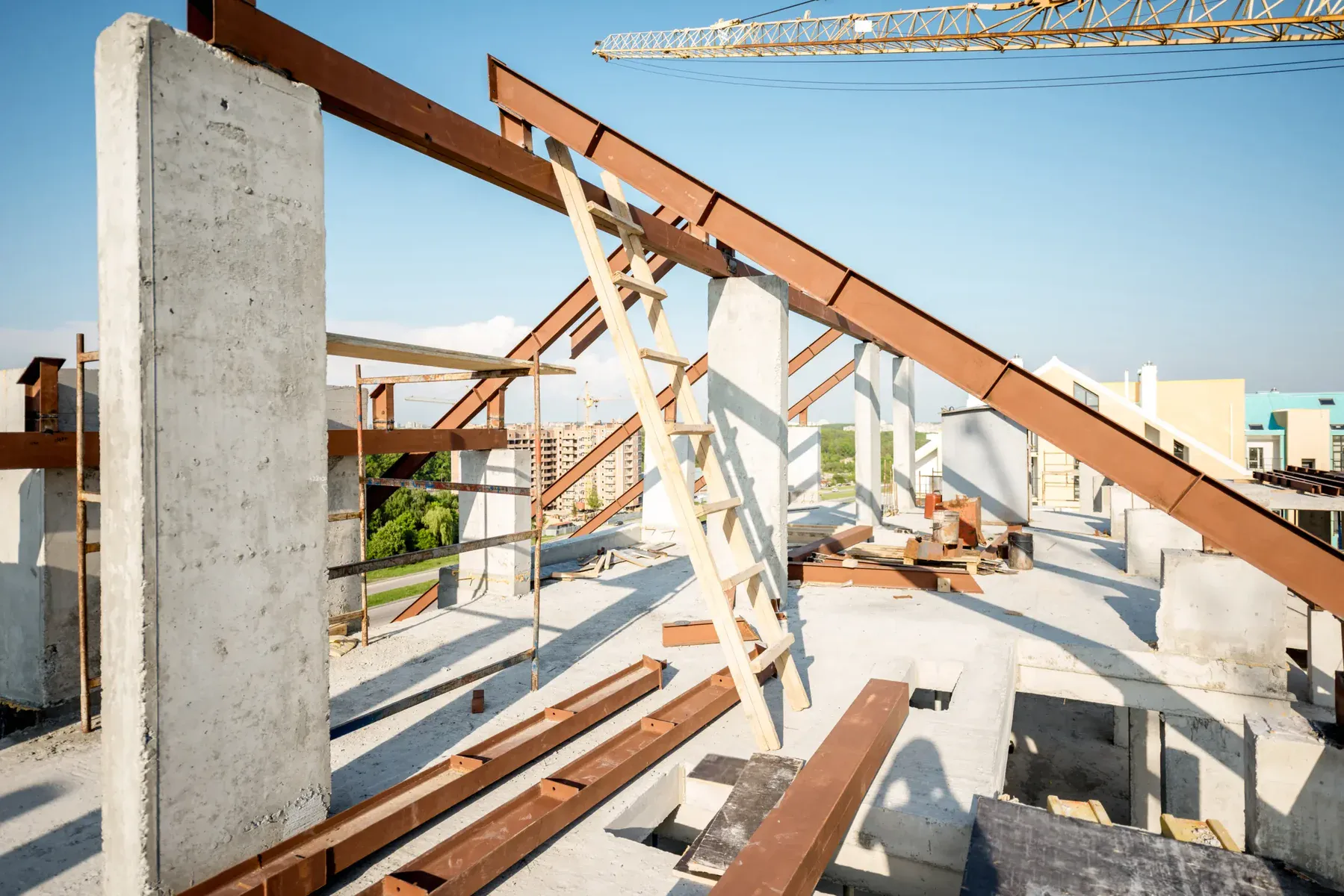
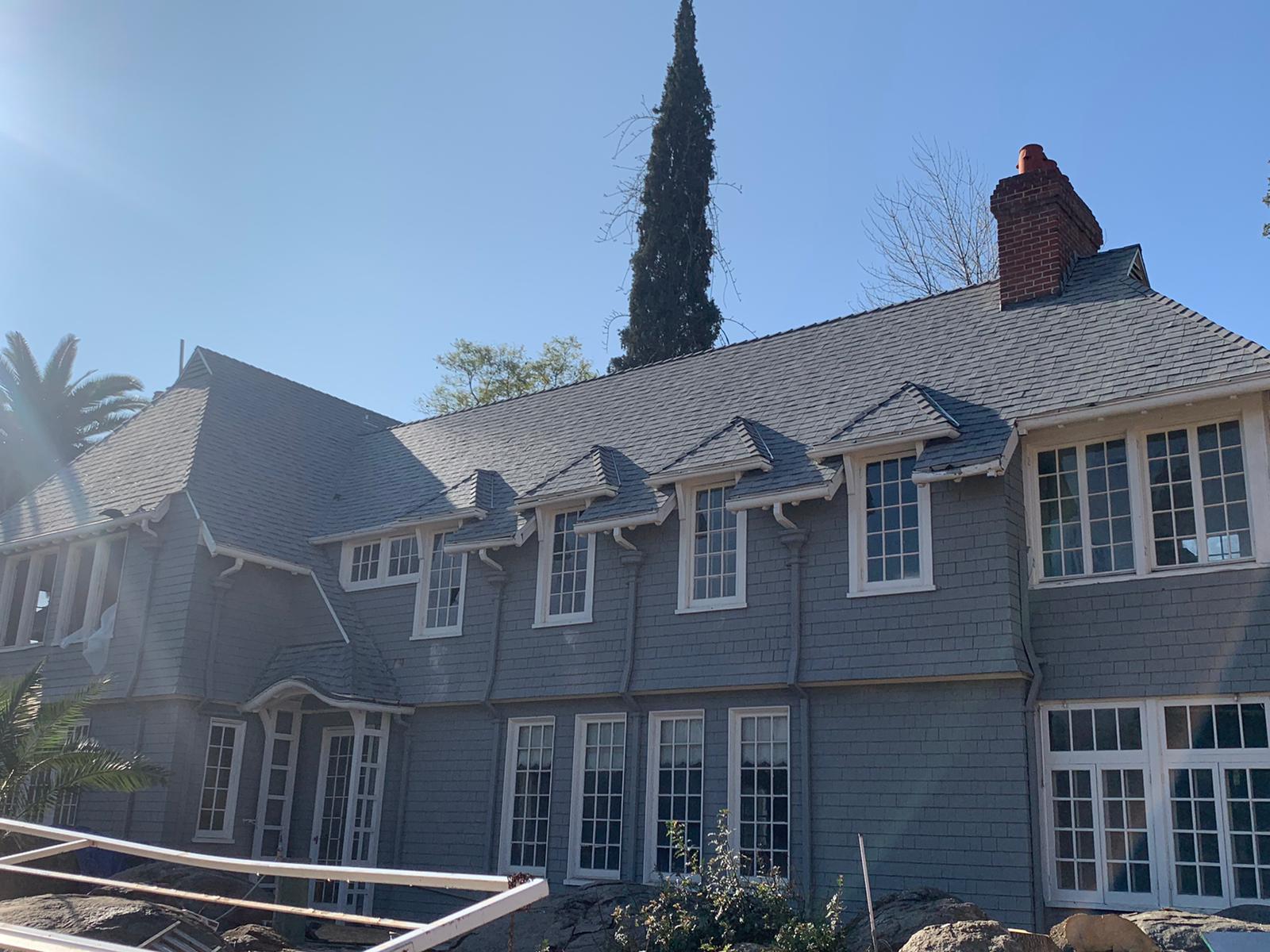
The roof over your home and the one over a warehouse have about as much in common as a bicycle and a semi-truck. Residential roof repair often deals with steep slopes, aesthetic materials like tile or asphalt, and managing water runoff. Commercial roof maintenance, on the other hand, usually involves vast, flat or low-slope surfaces, focusing on water pooling, heavy-duty membranes, and protecting expensive equipment inside. The approach, materials, and even the roof repair specialist you call can be wildly different. IMO, knowing which world your roof lives in is step one.
The Unmistakable Signs Your Roof is Sending an SOS
Roofs rarely fail without sending a few memos first. The trick is knowing how to read them.
The Obvious Red Flags
These are the “you probably shouldn’t ignore this” signals:
- Water Stains on Ceilings or Walls: This is the roof’s classic cry for help. A leak is active.
- Missing, Cracked, or Curling Shingles/Tiles: The roof’s armor is compromised. For tile roof repair, even one cracked tile can let in a surprising amount of water.
- Granules in Your Gutters: Asphalt shingles shed their gritty coating as they wear out. Finding a bunch is like your roof going bald.
- Sagging Areas: This is a 911 situation. It indicates structural issues, often from long-term water damage in the decking.
The Sneaky, Subtle Clues
These are the quiet whispers before the shout:
- Sky-High Energy Bills: A damaged or poorly insulated roof lets your expensive cooled or heated air just float away.
- Dark Streaks or Algae Growth: While often cosmetic, it can signal moisture retention and wear.
- Light Coming Through the Attic: If you see daylight through the boards, well, water can get in there too. FYI 🙂
Why Playing the Waiting Game is a Bad Bet
We get it. Calling for roofing maintenance isn’t as fun as, well, doing anything else. But procrastination is your roof’s worst enemy.
The Domino Effect of Delay
A small, $200 repair today can become a $2,000 nightmare next season. A tiny leak rots decking, which compromises structure, ruins insulation, and invites mold. What started as a quick fix morphs into a full-blown residential roof repair project or major commercial roof repairs. Suddenly, that affordable patch job is a distant memory.
The Inspection Intervention
This is where we make our biggest plea: get regular roof inspections. Think of it as a yearly physical for your biggest asset. A pro can spot those subtle clues you’d miss. At California Green Roofing in Reseda, CA, our inspections aren’t about upselling you; they’re about giving you a clear, honest picture and a plan. It’s the difference between being proactive and being panicked.
Your Roof Care Menu: From Repairs to Replacements
So what does fixing it actually look like? Let’s break down your options, from simple to serious.
When a Repair Will Do the Job
Many issues are localized. A roof repair specialist can tackle:
- Replacing a section of damaged shingles or tiles.
- Resealing or replacing failed flashing around penetrations.
- Fixing isolated leaks and repairing the affected decking.
- Applying protective roof coating services to extend the life of a flat or low-slope roof. This can be a fantastic, affordable alternative to a full replacement for certain roof types.
When It’s Time for a Full Swap
Sometimes, repairs are just putting bandaids on a broken bone. You need a roof installation contractor when:
- The roof is at or beyond its expected lifespan (20-25 years for asphalt, much longer for tile or metal, but the underlayment may fail).
- You have widespread, recurring leaks.
- Storm or impact damage affects over 30% of the roof.
- The decking is extensively rotten or compromised.
Navigating the Cost Conversation
Let’s talk about the price elephant in the room. The cost of any roof service depends on a galaxy of factors: size, pitch, materials, accessibility, and the scope of work. The most affordable option long-term is often the one that addresses the root cause correctly the first time.
| Service Type | Typical Scope | Good For… | Considerations |
|---|---|---|---|
| Minor Repair | Fixing isolated leaks, replacing a few tiles/shingles, sealing flashing. | Addressing specific, localized damage caught early. | Cost is lower, but won’t fix systemic aging. Get a clear diagnosis. |
| Major Repair | Replacing large sections of roofing, repairing decking, fixing multiple leak points. | Homes with significant but not total damage, like from a fallen tree limb. | Blurs the line with replacement. A detailed assessment is key to avoid throwing good money after bad. |
| Roof Coating | Applying a reflective, protective fluid-applied membrane over an existing roof. | Extending the life of a sound flat/low-slope roof, improving energy efficiency. | The existing roof must be in decent shape. It’s a great preventative commercial roof maintenance strategy. |
| Full Replacement | Tearing off old layers, repairing decking, installing a completely new roof system. | Roofs at end-of-life, with pervasive damage, or where major upgrades are desired. | Highest upfront price, but also the greatest value, warranty, and peace of mind for decades. |
Why Your Local Roofer is Your Secret Weapon
In the age of big-box everything, your local roofing company is a powerhouse of specific knowledge. Here’s why going local, especially with a team like ours at California Green Roofing, matters:
We know the Los Angeles climate intimately—the UV intensity that bakes materials, the Santa Ana winds that test fastenings, the occasional heavy rain that exposes poor drainage. We navigate the specific permit processes for cities from the Valley to the basin. And perhaps most importantly, when you call us for roofing repair, we’re not a dispatch center from another state; we’re your nearest neighbors in Reseda. We show up, we stand by our work, and our reputation lives and dies right here in our community.
Your Top Roofing Questions, Answered
1. How often should I really get my roof inspected?
At least once a year, ideally in the spring or fall. And always after any major weather event! For commercial roof maintenance, we often recommend bi-annual checks due to the complexity and higher stakes of protecting business assets.
2. Can I just install new shingles over the old ones?
Technically sometimes, but we rarely recommend it. It’s called a “roof-over” and it hides problems, adds weight, and often voids material warranties. A proper tear-off, while more work upfront, is the only way to ensure the decking is sound and the new roof performs as designed. It’s the right way to do the job.
3. How do I choose the right roofing contractor?
Look for licensed, insured, and local. Read reviews not just on star ratings, but the content. Do they communicate clearly? Do they provide detailed, written estimates? Are they willing to explain the why behind their recommendations? A good contractor, like any solid roofing company, should feel like a knowledgeable partner, not a pushy salesperson.
So, what’s the takeaway from our little chat? Your roof isn’t just a cap on your building; it’s a dynamic, critical system. Paying attention to it—through regular inspections and timely repairs—saves you money, stress, and protects everything underneath it. Don’t wait for the drip-drip-drip to become a flood. Whether you’re Googling “roofing repair near me” or planning a major upgrade, find a team that treats your roof with the same care you would. And if you’re in the Los Angeles area and want a straightforward, no-pressure conversation about what’s happening over your head, you know where to find us. We’re California Green Roofing, right here in Reseda, and we’d love to help you keep a solid lid on things.
People Also Ask
For a potential roof leak, you should call a licensed and insured roofing professional immediately. A qualified contractor will conduct a thorough inspection to identify the source of the leak, which may not always be obvious from the interior. They will check for damaged shingles, compromised flashing, or issues with skylights and vents. At California Green Roofing, we recommend acting quickly to prevent further water damage to your home's structure and interior. A professional can also provide a detailed estimate for necessary repairs, ensuring the job is done safely and according to local building codes.
A typical roof leak repair in Los Angeles usually costs between $300 and $1,200 for minor fixes, such as patching a small hole or replacing a few shingles. However, the price can rise to $2,000 or more if the leak has caused significant water damage to the underlying decking or insulation. The final cost depends on the roof's pitch, material, and accessibility. For a comprehensive financial strategy on managing such expenses, we recommend reading our internal article titled Roofing On A Budget: How To Finance Your LA Roof Replacement. California Green Roofing always advises getting a professional inspection to identify the true source of the leak, as multiple entry points often exist.
The cost to fix a leaking roof varies widely based on the cause and extent of the damage. For a simple repair, such as patching a small hole or replacing a few shingles, homeowners can expect to pay between $150 and $400 on average. However, if the leak has caused underlying structural damage or requires extensive work, costs can rise to $1,000 or more. Factors like roof pitch, material type, and accessibility also influence pricing. At California Green Roofing, we always recommend a thorough inspection first to identify the true source of the leak, as a temporary fix often leads to repeat issues. Investing in a professional assessment ensures long-term protection for your home.
Whether your homeowners insurance will pay for a leaky roof depends entirely on the cause of the leak. Standard policies typically cover sudden and accidental damage, such as a tree falling through the roof or damage from a severe windstorm. In these cases, your claim is likely to be approved, minus your deductible. However, insurance almost never covers gradual damage, wear and tear, or lack of maintenance. If your roof is leaking because the shingles are old, or because a flashing was improperly installed years ago, the claim will be denied. This is a critical distinction for homeowners. For a deeper understanding of the specific issues that can lead to leaks, we recommend reading our internal article titled What That Dark Streak On Your Roof Really Means (And It’s Not Dirt). At California Green Roofing, we always advise clients to review their policy details carefully before filing a claim.