Look, if you manage an industrial building in the San Fernando Valley, you don’t think about your roof until it’s screaming for attention. A wet spot on the warehouse floor, a tenant complaint about a drip, that sudden spike in your cooling bill—that’s when the low-slope roof over your head becomes your biggest problem. We’ve been answering those calls for years, from Chatsworth to Burbank, and the pattern is always the same. The urgency is real, but the solution isn’t a panic patch job. It’s a strategic repair based on what’s actually failing and why.
Key Takeaways:
- The most common failure points on Valley industrial roofs aren’t random; they’re at penetrations, seams, and drains, exacerbated by our thermal cycling.
- The “best” repair material doesn’t exist. It’s a balance of compatibility, cost, longevity, and how it handles 100-degree swings between day and night.
- A proper repair is a diagnostic process first. Slapping sealant on a symptom often traps moisture, creating a bigger, costlier problem inside the roof assembly.
- Knowing when to repair versus replace saves capital. We’ll give you a clear framework for making that call.
What is a low-slope roof repair?
A low-slope roof repair addresses failures in a nearly flat roofing system (typically with a pitch of 3:12 or less) without a full replacement. It’s not just patching a hole. It’s a targeted process of locating the source of the leak, assessing the condition of the underlying materials, and applying a compatible solution—whether a patch, seam reinforcement, or membrane section replacement—that restores integrity and manages water flow to the drains. The goal is to stop water intrusion and extend the roof’s service life for a fraction of replacement cost.
The real challenge with these roofs isn’t their simplicity—it’s their exposure. An industrial building in the Valley sits under a brutal, specific sun. It bakes on the tarmac of Van Nuys, gets scoured by Santa Ana winds in Northridge, and deals with the rare but impactful downpour that overwhelms aged drains in Glendale. The roof membrane expands and contracts daily, a slow-motion fatigue that eventually finds the weak points.
Table of Contents
Where These Roofs Actually Fail
You’ll see marketing that talks about “whole roof solutions,” but in our experience, 80% of the leaks come from 20% of the roof area. It’s predictable.
The Usual Suspects: Penetrations and Seams
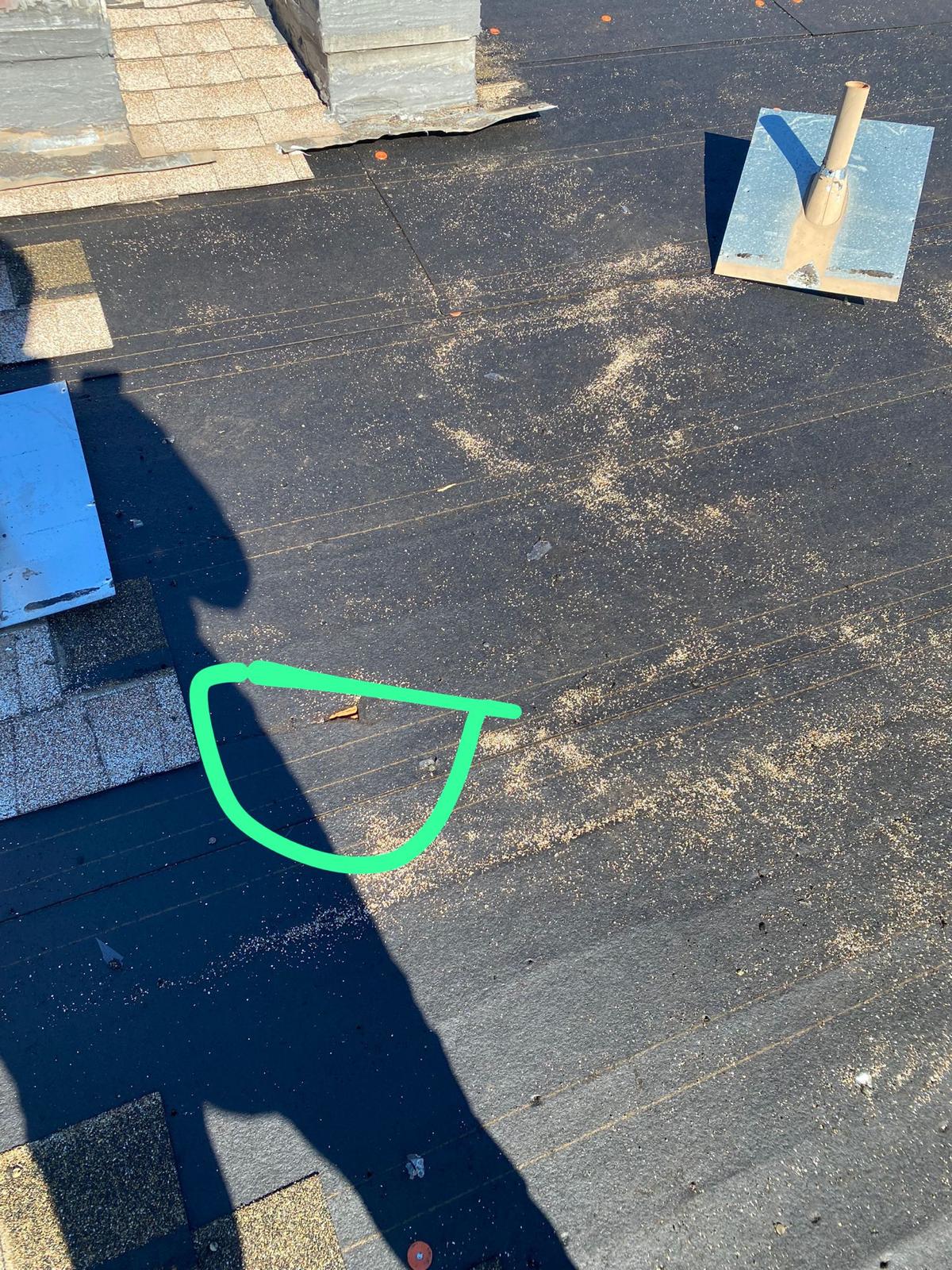
Every pipe, vent, HVAC curb, and conduit that punches through your membrane is a future leak point. The sealants (mastics, caulks) that bond the flashing to these penetrations dry out, crack, and pull away over time. It’s not a matter of if, but when. Similarly, the seams where rolls of EPDM (rubber) or TPO (thermoplastic) are welded or adhered are stress points. A small flaw in the original installation, or years of thermal movement, can open a hairline gap. Water finds it.
The Silent Killer: Ponding Water
Low-slope means water should drain within 48 hours. If you have areas where water sits for days—common around roof edges or behind HVAC units—you have a problem. This standing water accelerates membrane degradation, leads to algae growth that can damage some materials, and adds enormous, hidden weight stress. Often, the fix isn’t a new membrane, but improving the roof drainage system or adding tapered insulation to create slope.
The Infrastructure No One Checks: Drains and Scuppers
We’ve pulled everything from tennis balls to plastic wrap out of clogged roof drains in Sun Valley industrial parks. A blocked drain is a guaranteed leak. More insidiously, the metal flashing around drains can rust and separate. Scuppers (the drain holes in parapet walls) can crack or become misaligned. A semi-annual check and clearing of these is the cheapest insurance you can buy.
Navigating the Material Maze for Repairs
The single biggest mistake we see is material incompatibility. You can’t just glue a piece of TPO over a hole in an EPDM roof with standard adhesive and expect it to last. The materials have different coefficients of expansion. They’ll separate.
The Compatibility Imperative
Your repair material must be engineered to work with your existing roof. For EPDM, that often means using a certified EPDM seam tape or adhesive. For TPO, it requires a hot-air weld with the same polymer type. For modified bitumen (the torch-down roofs common on older Valley buildings), it involves heat-welding a new patch. Using the wrong “universal” cement is a temporary fix at best.
Liquid-Applied Coatings: A Strategic Choice, Not a Cure-All
Spray-on or roll-on coatings (like acrylics, silicones, or urethanes) get a lot of hype. In the right context—sealing a granule-lossed bitumen roof or protecting aged EPDM from UV—they can be a fantastic, cost-effective solution. They bridge seams and create a monolithic, watertight layer. But, and this is critical, they are not a solution for structural issues, chronic ponding, or wet insulation. Coating over a wet roof deck traps that moisture, leading to rot and membrane delamination. We’ve had to tear off coated roofs that looked perfect on the surface but were mush underneath.
When a Simple Patch is the Right Call
For a clean, localized puncture or a small open seam, a properly installed patch of like material is the gold standard. The key is in the preparation: cleaning the area thoroughly, priming if needed, and applying the patch with the correct adhesive or heat weld, extending it well beyond the damaged area. It’s straightforward, durable, and cost-effective.
The Repair vs. Replace Decision Matrix
This is the multi-million dollar question for a building owner. Throwing good money at a failing roof is a waste. Here’s how we break it down with our clients.
| Consideration | Leans Toward REPAIR | Leans Toward REPLACEMENT |
|---|---|---|
| Roof Age | Mid-life (e.g., 10 years on a 20-year system). | Nearing or past expected lifespan (e.g., 25+ years). |
| Leak Scope | Isolated, localized leaks (1-3 areas). | Widespread, recurring leaks in multiple, random locations. |
| Substrate Condition | Decking is dry and sound upon core cut inspection. | Widespread wet insulation or rotted decking (>25% of roof area). |
| Ponding Water | Minor, can be corrected with drain work or added crickets. | Chronic and widespread, indicating structural sag or failed slope. |
| Financial Strategy | Need to defer capital expense, preserve cash. | Planning a long-term hold, tenant improvement, or sale; want warranty. |
| Energy Goals | Current insulation is adequate. | Want to upgrade insulation to meet Title 24 or reduce cooling costs. |
The “core cut” is your truth-teller. Before any major repair decision, a professional should take a small, non-destructive sample of your roof system (through all layers) to see what’s happening underneath. It reveals moisture content and insulation integrity. We’ve saved clients six figures by showing them their roof deck was dry and a targeted repair was viable.
Why “Just Fix the Leak” Can Backfire Badly
The pressure to get a leak stopped now is immense. We get it. But the knee-jerk response—smearing a gallon of roof cement over a stain on the ceiling—often fails. Water travels. The leak at column C-5 might originate from a failed flashing 30 feet away. Without a proper moisture survey or thermal scan (especially useful in our dry climate), you’re treating the symptom and leaving the disease to spread inside the roof sandwich, compromising insulation and decking.
Furthermore, an unplanned, reactive patch job often ignores safety and building codes. Working at height on an industrial roof requires fall protection. Hot-work (torching) requires permits and fire watches, especially in the dry brush areas of the Valley foothills. A professional crew manages this; an unlicensed handyman often doesn’t, exposing you to massive liability.
The Local Realities That Shape Your Project
Working in the Valley adds specific wrinkles. The Los Angeles Department of Building and Safety (LADBS) has its own pace and requirements for permits, especially for re-roofs. Knowing which inspector oversees your zone (based on your address) and what they typically look for can smooth the process. Also, many older industrial corridors, like those in Pacoima or Arleta, have buildings with original built-up tar and gravel roofs. Repairing these is a specialized skill set—it’s not the same as working with single-ply membranes.
Traffic and access matter, too. Scheduling material deliveries for a building off the 118 Freeway requires timing to avoid the morning or evening gridlock. And the noise ordinances in some parts of the Valley near residential areas, like those industrial pockets bordering North Hollywood homes, can limit work hours. A local crew already operates within these unspoken rhythms.
When to Call a Professional (Sooner Than You Think)
If your internal maintenance team is fantastic, when should they not tackle a roof issue?
- When the leak’s origin is unknown. Tracking water is a forensic skill.
- When the repair involves welding (TPO, PVC) or torching (mod-bit). This requires specific training and insurance.
- When the affected area is large or involves multiple system components (like a drain and the surrounding membrane).
- Whenever anyone has to work near the roof edge. The fall risk is absolute.
The value a professional brings isn’t just the labor; it’s the diagnostic eye, the knowledge of material compatibility, the warranty on the workmanship, and the management of risk. For a building owner in Woodland Hills or San Fernando, that peace of mind is part of the ROI. It turns a reactive cost into a managed capital planning decision.
At the end of the day, managing an industrial roof in the San Fernando Valley is about managing energy, water, and capital. A strategic repair is an investment in the asset’s longevity, not an expense. It starts with understanding that the baking sun and cool nights are doing most of the damage, and that the fix is almost never where the drip appears. Get the diagnosis right—even if it costs a little for an inspection upfront—and the repair becomes a clear, justifiable choice. Keep the drains clear, pay attention to the seams and penetrations, and don’t let a small problem become a core cut revelation of widespread failure. Your roof is the first line of defense for everything underneath it; treat its repairs with the same strategic weight you’d give any major system in your building.